Common Homeowner Questions Answered: Heat Pump Freezing and 400 Amp Panel Needs

Is Heavy Ice on Your Heat Pump a Cause for Concern?
Are you wondering why your heating system is struggling during this recent cold snap? One of the most common homeowner questions answered by our technicians at Rep-Air Heating and Cooling involves the sudden appearance of heavy ice accumulation on the outdoor condenser coils. When the temperature drops and your home feels unusually chilly, walking outside to find your heat pump encased in frost is an alarming experience. For most people, seeing ice on a machine that is supposed to generate heat feels entirely counterintuitive.
The immediate challenge is deciding whether this ice buildup is part of a normal defrost cycle or a genuine system failure requiring professional intervention. Making the wrong assumption can lead to unnecessary panic or, conversely, severe damage to your equipment if a real malfunction is ignored. Navigating these winter heating issues requires a clear understanding of how your equipment operates under stress.
Modern home comfort relies on a delicate balance between a healthy HVAC system and adequate electrical infrastructure. Upgrading your home often means looking at the big picture. If you are exploring professional home services to improve your property, understanding the relationship between your heat pump's performance and your home's electrical capacity is the first step toward reliable winter warmth.
What Does a Normal Heat Pump Defrost Cycle Look Like?
To understand why ice forms in the winter, you have to look at how a heat pump extracts warmth from the outside air. Even when it is freezing outside, ambient thermal energy exists in the atmosphere. The heat pump absorbs this energy using extremely cold liquid refrigerant inside the outdoor coils. Because these coils drop below the freezing point of water, any moisture in the air condenses on the metal fins and immediately turns to frost.
To prevent this frost from turning into a solid block of ice, the system is designed with an automatic defrost control board. Here is what a perfectly normal defrost cycle looks like during standard operation:
• Predictable timing: Depending on the brand and setup, the system will initiate a defrost cycle every 30, 60, or 90 minutes of active running time when temperatures are low.
• Short duration: A healthy defrost cycle usually lasts between 5 to 15 minutes. Once the sensor detects that the coil temperature has risen enough to melt the frost, it switches back to heating mode.
• Visual indicators: You will likely see a cloud of steam rising from the top of the outdoor unit. This is frequently mistaken for smoke, but it is simply the melted frost evaporating into the cold air.
• Auditory changes: The outdoor fan will completely stop spinning. You will hear the compressor continue to hum, and you may hear a loud "whoosh" sound as the reversing valve shifts the flow of refrigerant.
• Light frost coverage: A thin, even layer of white frost covering the sides of the unit before the cycle begins is entirely expected and not a sign of danger.
As long as the system clears the frost and returns to heating your home, this cycle is a normal and necessary part of winter operation.
Why Damp Climates Accelerate Frost Buildup
The rate at which frost accumulates on your outdoor unit depends heavily on regional weather patterns. In areas with a dry cold climate, such as inland prairies, the air holds very little moisture. A heat pump operating in -15 degrees Celsius in a dry climate might run for hours without needing to defrost because there simply is not enough water vapor in the air to freeze onto the coils.
However, the Fraser Valley's damp, high-humidity winter climate creates a completely different set of operational challenges. In our years of providing heating solutions throughout Mission BC, our team frequently sees how this specific temperature range—hovering around 0 to 5 degrees Celsius—represents the perfect storm for rapid frost generation. The heavy, wet air passes over the sub-freezing condenser coils, and the moisture undergoes rapid deposition, turning directly into frost.
Because of these high winter humidity levels, heat pumps in our specific climate zone will experience significantly more frequent defrost cycles than identical units installed in drier regions. The system has to work harder to shed the continuous accumulation of moisture. If you notice your unit entering defrost mode frequently during a damp, foggy cold snap, reassure yourself that this is a normal geographical reality rather than an immediate cause for alarm.
Warning Signs of a System Failure: When Ice Means Trouble
While light frost is normal, heavy ice accumulation on the outdoor condenser coils that resembles a solid glacier is a clear indicator of a malfunction. If the ice bridges the gap between the metal fins, encases the fan blades, or coats the internal compressor in a thick block of solid ice, the system is failing to execute its defrost cycle properly. Continuous operation while frozen solid will severely damage the compressor, leading to catastrophic failure.
The Problem: Fails to Clear Ice After a Full Cycle
The Cause: The most common mechanical failure is a malfunctioning reversing valve. During a defrost cycle, this valve shifts to temporarily turn your heat pump into an air conditioner, sending hot refrigerant outdoors to melt the ice. If the valve is stuck, the system remains in heating mode, and the frost continues to build endlessly.
The Solution: This requires a licensed professional to diagnose the electrical solenoid and the mechanical valve body. Do not attempt to force the valve to shift.
The Problem: Rapid, Uneven Ice Formation
The Cause: Low refrigerant levels alter the pressure and temperature relationship inside the copper lines. This causes the outdoor coils to drop to abnormally low temperatures, accelerating ice formation in specific, uneven patches rather than a uniform frost.
The Solution: A technician must perform an electronic leak search, repair the compromised copper line, and recharge the system to factory specifications.
The Problem: Top of the Unit is Frozen Solid
The Cause: If the outdoor fan motor fails, the system cannot pull ambient air across the coils to facilitate heat transfer. Without airflow, the operating temperature plummets, and the entire unit will freeze solid very quickly.
The Solution: The fan motor or its dedicated capacitor must be tested and replaced. If the compressor sustains permanent damage from running in this condition, you may be facing a complete heat pump installation rather than a basic repair.


Could Electrical Capacity Be Impacting Your Home Comfort?
Modern home comfort goes far beyond the mechanical moving parts of your heating system. As homes transition away from fossil fuels toward full electrification, the demand on residential electrical panels has skyrocketed. Modern energy-efficient heat pumps operate beautifully in the winter, but when the system goes into defrost mode, it relies on auxiliary electric heat strips inside your ductwork to keep the house warm while the outdoor unit thaws.
These auxiliary heat strips act like giant industrial toasters, drawing a massive amount of electrical current. Older homes equipped with original 100-amp or even standard 200-amp panels often lack the capacity to handle this sudden surge in demand, especially if other major appliances are running simultaneously. If your electrical infrastructure is undersized, the heavy load of winter heating can cause significant performance drops or safety hazards.
To support a fully electrified home, the 400 amp panel is rapidly becoming the modern standard. This upgraded capacity ensures that your heating system, water heater, and other high-draw devices can operate safely without overwhelming the system.
Signs You Need a 400 Amp Panel Upgrade
• Frequent tripped breakers: If your main breaker or the dedicated HVAC breaker trips every time the auxiliary heating system kicks on, your panel is overloaded.
• Future electrification plans: If you are planning to add a Level 2 EV charger, an induction range, or a secondary heating zone alongside a new heat pump, a standard panel will likely fall short.
• Flickering lights: Noticeable dimming or flickering of interior lights during heavy appliance use indicates voltage drops caused by insufficient total amperage.
A pattern we see often in older Mission BC properties is that upgrading the panel is the only way to resolve these bottlenecks. If you recognize these symptoms, it is time to consider an electrical panel upgrade to ensure your heating system has the stable power it needs to function reliably.
Safe Troubleshooting Steps Before Calling a Technician
If you notice heavy ice accumulation on the outdoor condenser coils, there are a few safe, non-invasive steps you can take to assess the situation before calling for emergency service. It is vital to prioritize safety and avoid actions that could void your warranty or cause physical harm.
• Check the thermostat settings: Ensure your thermostat is set to "Heat" and verify if the "Auxiliary Heat" or "Emergency Heat" indicator is lit. If the primary pump is actively defrosting, the auxiliary heat must be functioning to maintain indoor temperatures.
• Inspect indoor air filters: A severely clogged indoor air filter restricts airflow across the indoor coil. This imbalance affects the refrigerant temperatures throughout the entire system and can contribute directly to the outdoor unit icing up. Replace dirty filters immediately.
• Clear the perimeter: Ensure there is at least two feet of clear space around the outdoor unit. Remove any drifted snow, fallen branches, or debris that might be blocking the airflow to the fan.
We must explicitly warn against dangerous DIY thawing methods. Never use sharp tools, screwdrivers, or ice picks to chip away the ice; the copper tubing is incredibly thin and easily punctured, which will release all the refrigerant into the atmosphere. Furthermore, never pour boiling water on a frozen unit. The extreme temperature shift causes thermal shock to the metal, and the water will quickly pool and refreeze in the base pan, expanding and crushing the delicate lower coils.
Complex reversing valve failures or refrigerant issues require licensed professionals. When you call Rep-Air Heating and Cooling for emergency service, our technicians use drop cloths and booties to respect your home and help keep winter mud off your floors. Whether you need an urgent HVAC diagnosis or comprehensive Langley electrical services, professional intervention is the safest route.
Frequently Asked Questions About Winter Heat Pump Operation
Before we address specific operational questions, it is helpful to remember that your home's overall energy capacity plays a huge role in system reliability. Many heating performance issues actually stem from outdated electrical infrastructure. For a deeper understanding of your home's power capabilities, you can review our guide on 200 vs 400 amp residential panels. Our licensed experts at Rep-Air Heating and Cooling are the ultimate authority for diagnosing complex issues safely, and they have answered the most common questions regarding winter heat pump behavior below.
Why is my heat pump blowing cold air in winter?
During a defrost cycle, the system temporarily reverses its operation to act as an air conditioner, which sends hot refrigerant outdoors to melt the ice on the coils. Because it is cooling the indoor air during this brief period, your system should automatically engage the auxiliary heat strips to warm the air before it reaches your vents. If you feel cold air blowing steadily, the auxiliary heat strips may be malfunctioning or the breaker may have tripped.
How do I know if my heat pump is in defrost mode?
You can identify a normal defrost cycle by observing the outdoor unit. The large fan at the top will stop spinning completely, but you will still hear the internal compressor humming loudly. You will also likely see a cloud of steam rising from the unit as the frost melts, and the cycle should end on its own within 5 to 15 minutes.
What happens if a heat pump freezes solid?
If a heat pump freezes into a solid block of ice, the airflow across the outdoor condenser coils is completely blocked, making heat transfer impossible. The system will run continuously without producing warm air indoors. If left running in this state, the compressor will overheat, sustain severe mechanical wear, and eventually suffer permanent, irreversible damage.
How long does a heat pump defrost cycle last?
A normal heat pump defrost cycle typically lasts between 5 to 15 minutes, depending on the severity of the frost buildup and the ambient outdoor temperature. Once the internal sensors detect that the coil temperature is high enough to have melted all the ice, the system will shift the reversing valve and resume normal heating operation.
Should I pour hot water on my frozen heat pump?
No, you should never pour hot or boiling water over a frozen heat pump. The rapid, extreme temperature change can cause thermal shock, warping or cracking the delicate metal components. Additionally, the water will pool in the bottom of the unit and rapidly refreeze into a solid block of ice, which can crush the lower refrigerant lines and cause catastrophic leaks.
Does upgrading to a 400 amp panel improve heat pump reliability?
Yes, upgrading your electrical panel ensures that your heating system has a stable, sufficient power supply. Modern heat pumps rely on high-amperage auxiliary heat strips during the defrost cycle. A 400 amp panel prevents these heavy electrical loads from overloading the system, eliminating tripped breakers and ensuring uninterrupted comfort during extreme cold snaps.
Get Expert Guidance on Your Heating and Electrical Needs
Understanding the difference between a normal defrost cycle and a genuine system failure can save you a tremendous amount of stress during the winter months. Recognizing that light frost and a temporary pause in fan operation are standard behaviors helps prevent unnecessary panic. However, if you observe a solid block of ice that refuses to melt, taking swift action to turn off the system and seek professional help is vital to protecting your equipment.
Furthermore, recognizing that modern heating solutions are deeply tied to your home's electrical capacity is crucial for long-term comfort. As homes become more energy-efficient and highly electrified, evaluating your electrical panel is just as important as maintaining your ductwork. Having clear criteria to identify a malfunction, combined with clear guidance on when to rely on a professional, ensures your home remains safe and warm all season long. If you are experiencing persistent heating issues or want to evaluate your home's electrical readiness, reaching out for expert diagnostic services is the best way to secure your peace of mind.
hear what our satisfied clients have to say
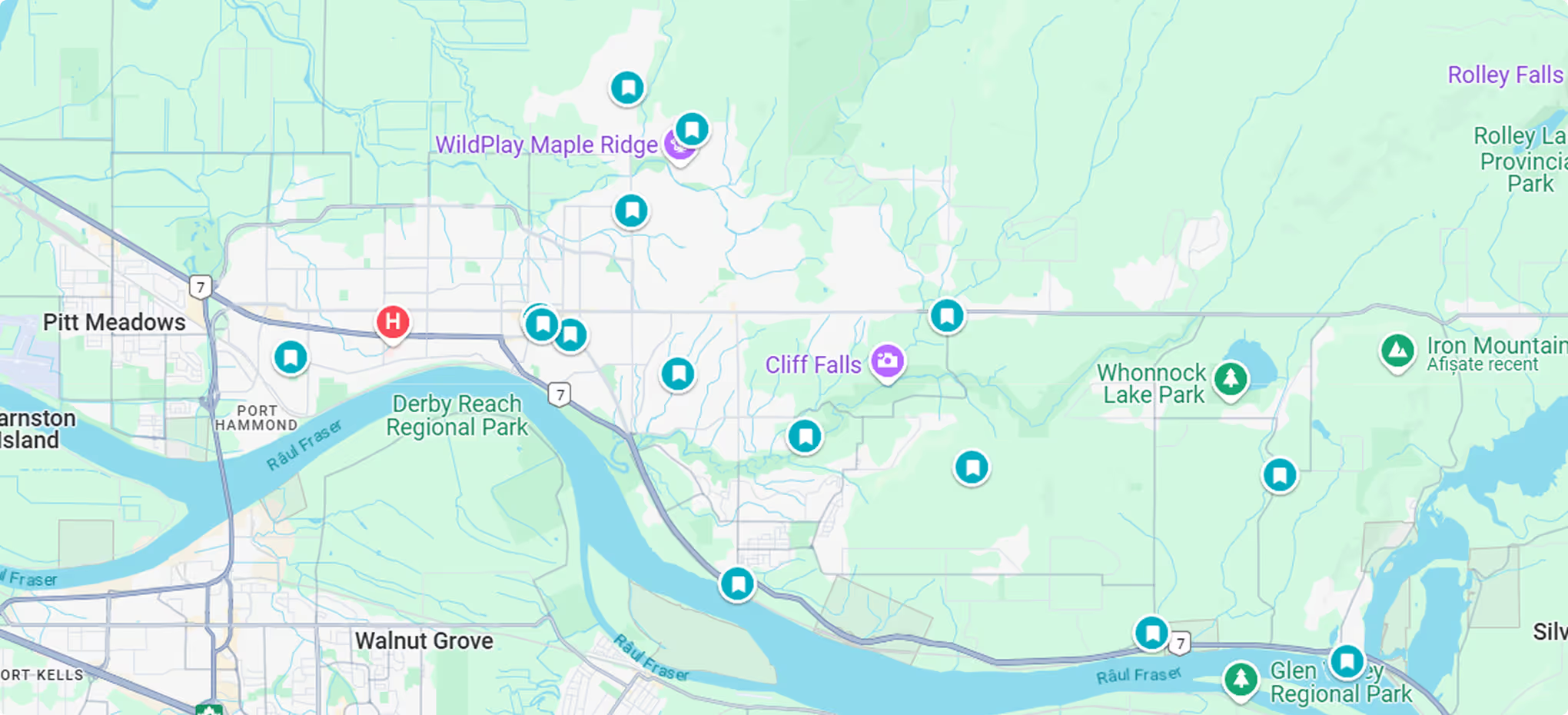
Neighbourhoods in the Fraser Valley