HVAC Company in Hope, BC
Instant Relief from HVAC System Failures
Your heating or cooling system often fails at the most inconvenient times, leaving your home in Hope, BC uncomfortable due to inconsistent temperatures or causing alarm with sudden spikes in energy costs. Contact Rep-Air Heating And Cooling or apply for financing to restore your home's comfort immediately.
When your HVAC equipment malfunctions, you need more than a quick patch; you require a permanent solution that ensures safety and long-term efficiency.
- Same-day service availability ensures you do not have to wait for relief from extreme temperatures.
- Licensed technicians perform comprehensive installations, precise repairs, and preventative maintenance.
- Efficient system solutions are designed to drastically reduce monthly energy bills and filter out pollutants.
All services are backed by industry-standard warranties and flexible financing options to ensure your project fits your budget.
Your Immediate HVAC Solution
When an air conditioner freezes over in July or a furnace refuses to ignite in January, the priority is restoring normalcy to your home. HVAC systems are complex networks of electrical components, refrigerants, and airflow mechanics. A failure in one area, such as a capacitor or a blower motor, can compromise the entire system. Residents in Hope and the surrounding Fraser Valley face unique climate challenges, from damp, freezing winters to increasingly hot summers often accompanied by wildfire smoke. These conditions place immense strain on residential heating and cooling infrastructure.
We approach every service call with a diagnostic mindset. Instead of guessing, certified technicians use advanced testing equipment to identify the root cause of the breakdown. This might involve testing static pressure to identify airflow restrictions, checking refrigerant levels for micro-leaks, or analyzing the heat exchanger for cracks that could leak carbon monoxide. The goal is to provide a clear explanation of what went wrong and a direct path to fixing it.
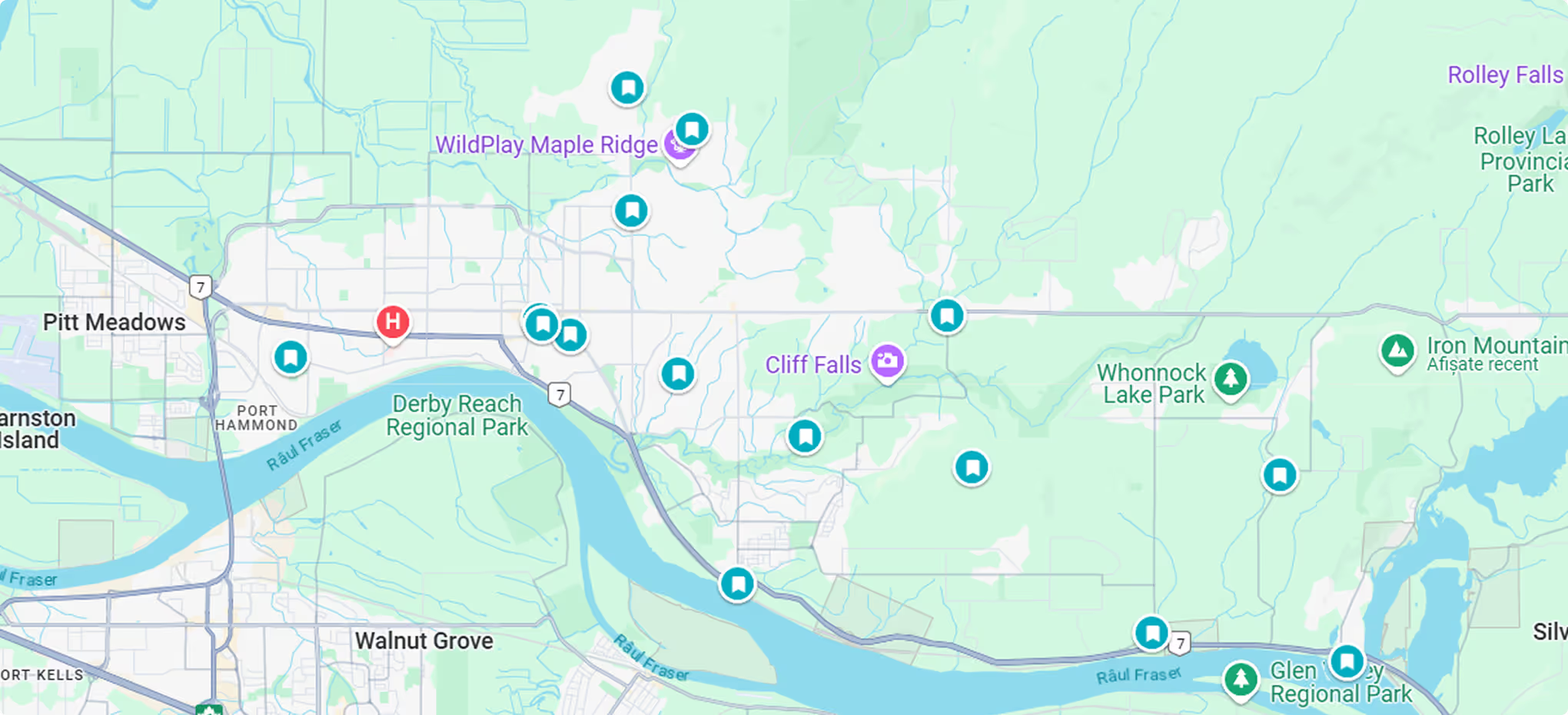
You receive a transparent assessment immediately following the diagnosis. This includes a breakdown of necessary repairs, the timeline for completion, and the expected cost. There are no hidden fees or vague estimates. The focus remains on getting your system running at peak performance so you can return to your daily routine without worrying about the temperature inside your home. Areas we serve in Hope, BC:
- Downtown Hope
- Silver Creek
- Flood
- Kawkawa Lake
- Sunshine Valley (often associated with Hope area)
Services Offered: From Emergency Repairs to Routine Check-ups
A comprehensive HVAC partner manages the full lifecycle of your climate control equipment. Different systems require specific technical knowledge, particularly given the shift toward more energy-efficient technologies in British Columbia.
Heating Systems
Heating is non-negotiable in this region. Services cover a wide range of heating technologies.
- Furnaces: Troubleshooting ignition failures, replacing worn belts, and fixing limit switch issues are common. High-efficiency gas furnaces require precise calibration to ensure they achieve their AFUE (Annual Fuel Utilization Efficiency) ratings.
- Heat Pumps: These are increasingly popular in the Fraser Valley for their dual-function capability. Service includes checking the reversing valve, ensuring the outdoor unit is free of debris/ice, and verifying auxiliary heat strips engage during extreme cold snaps.
- Boilers: For homes with radiant heating, maintaining proper pressure and checking for leaks in the distribution piping is essential for consistent warmth.
Cooling Systems
Summer temperatures in the canyon can soar, making cooling essential for health and comfort.
- Central Air Conditioning: Technicians address common issues like frozen evaporator coils, clogged condensate drains, and compressor failures. Proper refrigerant charge is critical for cooling power and energy efficiency.
- Ductless Mini-Splits: Ideal for older homes without ductwork or for zoning specific rooms. Service involves cleaning filters, checking communication lines between units, and ensuring the blower wheel is free of mold or dust buildup.
Indoor Air Quality (IAQ)
With the prevalence of wildfire smoke and seasonal allergens in Hope, standard filtration often falls short. Rep-Air Heating And Cooling integrates advanced air quality solutions into existing HVAC setups.
- HEPA Filtration: Installing hospital-grade filters to capture smoke particles and fine dust.
- Humidifiers and Dehumidifiers: balancing humidity levels is vital for preventing mold growth in winter and ensuring comfort in summer.
- UV Lights: UV-C lamps installed in the ductwork can neutralize airborne bacteria and viruses before they circulate through the home.
Seamless Installation and Maintenance Process
The difference between a system that lasts 10 years and one that lasts 20 years often comes down to the quality of the installation and the consistency of maintenance. Improper sizing or poor ductwork design can reduce efficiency by over 30%, causing the unit to work harder than necessary.
The Installation Protocol
Replacing a system is a significant investment. The process follows a strict technical standard to ensure the new unit performs exactly as rated by the manufacturer.
- Load Calculation: Technicians do not simply read the label on the old unit. A Manual J load calculation is performed to determine the exact heating and cooling requirements of the specific structure, accounting for windows, insulation, and square footage.
- Ductwork Inspection: Existing ducts are examined for leaks or disconnections. Sealing these leaks is often required to ensure the new system delivers air where it is needed, rather than leaking conditioned air into the attic or crawlspace.
- System Sizing: A unit that is too big will short-cycle, turning on and off rapidly, which wears out components. A unit that is too small will run continuously without reaching the set temperature. Correct sizing is verified before any equipment is ordered.
- Commissioning: Once installed, the system is not just turned on. Technicians measure airflow, check refrigerant pressures, and verify temperature rise/drop to confirm the system is operating within factory specifications.
Preventative Maintenance
Routine maintenance is the only way to validate warranties and prevent catastrophic failures.
- Seasonal Tune-Ups: In the spring, AC coils are cleaned and refrigerant levels checked. In the fall, furnace burners are inspected and safety controls tested.
- Filter Management: Recommendations on filter types and replacement schedules are provided based on the specific air quality challenges of the home.
- Component Lubrication: Moving parts like motors and fans are lubricated to reduce friction and electricity usage.
Choosing Between Repairing or Replacing Your HVAC System
Homeowners are often faced with the difficult decision of whether to invest in repairs for an aging system or to opt for a full replacement. Making the wrong choice can result in wasted money on a dying unit or unnecessary capital expenditure on a new one.
When to Repair
- Age of System: If the equipment is under 10 years old and has been well-maintained, repair is usually the most cost-effective option.
- Cost of Repair: Industry experts often use the "50% rule." If the cost of the repair is less than 50% of the value of the system, and the system is not obsolete, repairing is the logical step.
- Minor Issues: Problems like a blown capacitor, a faulty thermostat, or a clogged drain line are inexpensive fixes that restore functionality immediately.
When to Replace
- Frequency of Breakdowns: If the system requires multiple service calls in a single season, the cumulative cost of repairs will quickly exceed the monthly payment of a new, efficient unit.
- Efficiency Ratings: Older units (15+ years) likely have much lower SEER (cooling) or AFUE (heating) ratings compared to modern standards. Upgrading can result in significant savings on utility bills, offsetting the installation cost over time.
- Major Component Failure: If the compressor in an AC unit or the heat exchanger in a furnace fails, the cost of the part and labor is often comparable to a down payment on a new system.
- Comfort Issues: If some rooms are always hot while others are cold, or if the system creates excessive noise, these are signs that the unit is no longer capable of meeting the demands of the home.
Navigating Local HVAC Regulations and Rebates in BC
British Columbia has some of the strictest energy codes and most generous rebate programs in Canada. Navigating this landscape requires specific knowledge of provincial and municipal requirements.
Permits and Codes
For residents in Hope and the surrounding areas, HVAC work generally requires adherence to the BC Building Code and Technical Safety BC standards.
- Permit Acquisition: Professional contractors handle the permit process. This ensures that the installation is registered with the local municipality.
- Safety Inspections: Permitted work is subject to inspection, which provides an added layer of safety assurance for the homeowner.
- Gas Fitting Compliance: Any work involving natural gas or propane must be performed by a ticketed gas fitter. Unauthorized work can void home insurance policies and creates severe safety risks.
Rebate Opportunities
Transitioning to energy-efficient systems, particularly heat pumps, opens the door to financial incentives.
- CleanBC Better Homes: This program offers substantial rebates for switching from fossil fuel heating (oil, natural gas, or propane) to electric heat pumps.
- Federal Grants: Various federal initiatives periodically offer grants for energy audits and retrofits that improve the EnerGuide rating of a home.
- Utility Rebates: Local utility providers often have specific incentives for upgrading to high-efficiency furnaces or water heaters.
Technicians provide documentation and guidance to help homeowners apply for these rebates, maximizing the return on investment for new installations.
Proven Track Record and Technical Expertise
The HVAC industry is unregulated in some aspects, but high-quality service providers distinguish themselves through certification and training. Your comfort depends on the skill of the technician standing in your utility room.
Technical Qualifications
- Red Seal Certification: This is the national standard for tradespeople in Canada. It signifies that the technician has completed rigorous apprenticeship training and passed standardized exams.
- Technical Safety BC Licensed: This license is mandatory for contractors performing regulated work in British Columbia. It ensures the company is bonded, insured, and accountable.
- Manufacturer Training: Equipment evolves rapidly. Top-tier technicians undergo continuous training from major manufacturers to stay updated on the latest inverter technology, smart thermostats, and diagnostic software.
The Value of Professionalism
Beyond technical skills, professional conduct defines the service experience.
- Respect for Property: Technicians use drop cloths and shoe covers to protect flooring and clean up the workspace thoroughly after completing the job.
- Clear Communication: Technical jargon is translated into plain English. You understand exactly what is being done and why.
- Inventory Readiness: Service vehicles are stocked with common parts to minimize the need for return trips, getting your system back online faster.
Contact Us Now
Rep-Air Heating And Cooling maintains high standards of technical excellence to ensure that every repair or installation meets the rigorous demands of the local climate. Whether you are upgrading your home for better energy efficiency or need an emergency repair during a cold snap, professional support is ready.
Secure your home’s comfort and efficiency today. Contact our team to schedule your service or consultation.
hear what our satisfied clients have to say
Neighbourhoods in the Fraser Valley