Heat Pump vs. Dual Fuel: Navigating Mission BC's Damp Winter Cold Snaps

Is Your Heating System Ready for the Fraser Valley's Damp Freezing Weather?
Have you noticed your heat pump struggling or running constantly when temperatures drop near freezing? In our years of keeping Mission BC homes comfortable through unpredictable weather shifts, we've found that relying on our local service expertise and area tips is the best way to ensure your home stays comfortable. The challenge in our region isn't just the cold temperature itself—it is the heavy, high moisture content in the air. A system that works perfectly fine in a dry, deep freeze might struggle significantly when faced with the unique dampness of the Pacific Northwest.
Because modern heat pumps provide both heating and cooling, comprehensive air conditioning services are actually year-round necessities. The exact same outdoor unit that works overtime during our summer heat domes is the one tasked with extracting warmth from the freezing, damp air during December and January. In our experience, if that system is not properly maintained, prepared, and calibrated for local weather patterns, you will likely experience uneven temperatures, higher energy bills, and a unit that never seems to turn off.
Surviving winter cold snaps requires more than just turning up the thermostat. It requires an understanding of how your specific equipment interacts with the local microclimate. By establishing a proactive maintenance strategy with our team, you ensure that your system is equipped to handle both the scorching days of August and the bone-chilling, damp nights of winter without missing a beat.
The Science of Damp Cold: Why Manufacturer Ratings Don't Tell the Whole Story
The problem: Many homeowners read the manufacturer specifications on their new heat pump, see that it is rated to operate down to -20°C, and assume they are fully covered for the winter. However, our team typically sees customers acting surprised when their system begins to struggle at +2°C.
The cause: Manufacturer lab tests are almost always conducted in highly controlled, dry cold environments. These conditions differ vastly from the local microclimate of Mission BC and the Fraser Valley. When temperatures hover between 0 and 5 degrees Celsius and the humidity is high, the moisture in the air condenses and freezes rapidly on the cold metal fins of your outdoor unit. This rapid frost accumulation creates an insulating barrier of ice over the coils.
The solution: Understanding that damp cold forces your system to work harder than dry, deep cold is the first step. When the coils are covered in ice, the heat pump cannot absorb ambient heat from the outside air. The system must then use energy to melt that ice before it can resume heating your home, a process that significantly reduces its overall efficiency compared to operating in a dry climate.
How Frost Accumulation Triggers Defrost Mode
To combat the rapid ice buildup caused by our damp winters, heat pumps are equipped with a defrost cycle. Here is exactly how that mechanism works to protect your equipment:
• The sensor trigger: A temperature sensor or timer on the outdoor unit detects that frost has accumulated to a point where airflow is restricted.
• The reversing valve: The system temporarily reverses its operation. It switches into cooling mode, taking warm air from inside your house and sending it outside to heat up the outdoor coils and melt the ice.
• The backup heat: Because the system is technically blowing cold air inside during this cycle, a secondary heat source (like electric heat strips or a gas furnace) temporarily kicks on so you don't feel a cold draft.
• The return to normal: Once the ice is melted, the system reverses back to heating mode and resumes normal operation.
The core issue in a damp climate is frequency. Because frost builds up so quickly in high humidity, the system enters defrost mode much more frequently. Frequent defrost cycles mean the system spends less time actually heating the home and more time melting its own ice, which is why your house might feel cooler during damp, near-freezing weather.


Why Your Heat Pump Runs Constantly During the Winter
One of the most common concerns we hear from homeowners during the winter is a heating system that never seems to shut down. While modern heat pumps are designed to run continuously at low speeds to maintain an even temperature, excessive running combined with a dropping indoor temperature usually indicates a system struggling to keep up with defrosting demands.
During recent winter cold snaps, our team at Rep-Air Heating and Cooling received a call from a local homeowner asking for an explanation of their furnace operation and repair needs after noticing unusual, constant cycling. One of our technicians evaluated the equipment, explained the system mechanics, and identified exactly what needed to be repaired. This hands-on explanation ensured the customer understood exactly how their heating equipment was supposed to function and why it was struggling to keep up with the cold.
Proper heat pump maintenance ensures that the sensors, thermistors, and defrost control boards are calibrated correctly for the local climate. A pattern we see often is that if a sensor is faulty, the system might enter defrost mode too often, wasting energy, or not often enough, allowing a thick block of ice to form and damage the fan blades.
Identifying Normal vs. Abnormal Defrost Cycles
It is helpful to know what to expect from your system so you can spot trouble before it leads to a breakdown. Here are a few guidelines from our technicians to help you differentiate between normal operation and a system in distress:
• Normal frequency: In damp, freezing weather, it is entirely normal for a heat pump to enter defrost mode every 30 to 90 minutes.
• Normal sounds: You may hear a loud "whoosh" sound when the reversing valve shifts, followed by the outdoor fan stopping while the compressor continues to hum. This is normal.
• Normal sights: Steam rising from the outdoor unit during the winter is just the melting ice turning into water vapor. It is not smoke.
• Abnormal ice buildup: If the entire unit is encased in a solid block of ice that does not melt away after a few hours, the defrost control has failed. Professional intervention is required immediately.
• Abnormal indoor temperatures: If your home's temperature is steadily dropping despite the system running constantly, the auxiliary heat is likely failing to engage during the defrost cycle.
Cold-Climate Heat Pump vs. Dual-Fuel System: Making the Right Choice
When upgrading an aging heating system, homeowners in Mission BC and the Fraser Valley face a critical decision: should they rely entirely on a cold-climate heat pump, or opt for a dual-fuel system?
A cold-climate heat pump is engineered specifically to extract heat at much lower temperatures than standard models. According to NRCan guidelines, these units feature advanced variable-speed compressors that ramp up capacity when the temperature drops. However, even the best cold-climate models still face the physics of damp-cold frost accumulation.
A dual-fuel system offers a hybrid approach. It pairs a high-efficiency heat pump with a backup gas furnace. During mild weather, the heat pump does all the work, providing highly efficient, electric heating. But when the temperature drops into that damp, freezing zone where heat pumps struggle with frost, the system automatically shuts down the heat pump and ignites the gas furnace. This provides intense, reliable heat when you need it most. When a backup system isn't working correctly, it leaves the primary heat pump vulnerable. We saw this firsthand recently when one of our local customers experienced a furnace that failed to ignite during a freeze. Our technician explained the issue, showed why the system wasn't working, and successfully restored their crucial backup heat.
Keep in mind that generic provincial or federal rebate programs may apply to qualifying cold-climate installations, making these high-efficiency upgrades more accessible. Always verify current energy programs before making a final decision.
• Primary Heat Source — Cold-Climate Heat Pump (Standalone): Electricity (extracts heat from outdoor air) — Dual-Fuel System (Heat Pump + Furnace): Electricity (mild weather) / Natural Gas (freezing weather)
• Performance in Damp Cold — Cold-Climate Heat Pump (Standalone): Effective, but requires frequent defrost cycles — Dual-Fuel System (Heat Pump + Furnace): Bypasses defrost issues by switching to gas heat
• Backup Heating Method — Cold-Climate Heat Pump (Standalone): Electric resistance heat strips (uses more energy) — Dual-Fuel System (Heat Pump + Furnace): Gas furnace (provides hotter, faster heat)
• Best Suited For — Cold-Climate Heat Pump (Standalone): Homes without access to natural gas lines — Dual-Fuel System (Heat Pump + Furnace): Homeowners wanting maximum comfort and redundancy
• Energy Efficiency — Cold-Climate Heat Pump (Standalone): Extremely high in mild to moderately cold weather — Dual-Fuel System (Heat Pump + Furnace): Optimizes efficiency by using the cheapest fuel source automatically
Seamless Switchover for Maximum Comfort
The true magic of a dual-fuel setup is the automatic switchover point, often called the balance point. The system's thermostat constantly monitors the outdoor temperature. You can set this balance point—typically around 2 to 4 degrees Celsius in our region—so that the transition happens seamlessly without you ever having to touch a button.
Maintaining both the heat pump and the furnace ensures proper, continuous airflow throughout the ductwork. This consistent air circulation is essential for supporting comprehensive indoor air quality solutions during the winter months, ensuring that your home's air remains filtered, purified, and properly humidified even when the doors and windows are sealed tight against the cold.
The Value of Professional Calibration and Year-Round Maintenance
Having top-tier equipment is only half the battle; how that equipment is configured makes all the difference. Dual-fuel switchover points must be precisely calibrated for the local microclimate to maximize efficiency. If the switchover point is set too high, you will burn unnecessary gas during mild weather. If it is set too low, your heat pump will struggle through endless defrost cycles, wasting electricity and leaving you shivering.
This is where understanding what an AC maintenance plan typically includes becomes incredibly valuable. A comprehensive plan covers the heat pump component for both summer cooling and winter heating. During a fall tune-up, our technicians verify the refrigerant charge, clean the outdoor coils so frost has a harder time clinging to the metal, test the reversing valve, and ensure the defrost control board timer is functioning perfectly.
The professional difference: At Rep-Air Heating and Cooling, working with our licensed technicians ensures that the person calibrating your system has undergone rigorous, standardized training in complex HVAC mechanics. We understand the exact physics of damp cold vs. dry cold. Furthermore, our true professionals respect your home environment, using drop cloths and booties so that the winter mud and slush stays outside where it belongs, leaving your home as clean as we found it.
Frequently Asked Questions About Winter Heating in BC
Do I need a backup furnace with a heat pump in BC?
While not strictly mandatory for all homes, we highly recommend a backup furnace in BC to maintain comfort during deep freezes and damp cold snaps. A standalone heat pump uses electric resistance strips for backup heat, which can be expensive to run and slow to warm the house. A dual-fuel system with a gas furnace provides faster, hotter air when the heat pump drops below its optimal efficiency point, offering peace of mind during extreme weather.
At what temperature does a heat pump stop working?
Modern cold-climate heat pumps can technically continue extracting heat down to -20°C or even -25°C, but their efficiency drops significantly. It is not that the system completely stops working, but rather that it must work much harder to produce the same amount of heat. In damp climates, our team often sees this performance drop much sooner—around 0°C—due to the rapid accumulation of frost on the outdoor coils.
Why is my heat pump running constantly in the winter?
Your heat pump is running constantly either because it is designed to maintain a steady temperature at a low speed, or because it is struggling to keep up with heat loss and defrost demands. If the indoor temperature is holding steady and you feel comfortable, constant low-speed operation is normal and efficient. If the house is getting colder while the unit runs nonstop, the system is likely stuck in a defrost loop or requires professional calibration.
Are heat pumps effective in cold damp climates?
Yes, heat pumps are very effective in cold damp climates, provided they are properly maintained and sized for the home. The key challenge in a damp climate is managing the frequent defrost cycles caused by high humidity. Ensuring your outdoor unit has clear airflow, isn't buried in snow, and receives regular professional tune-ups will keep it operating effectively despite the heavy moisture in the air.
How does high humidity affect my heat pump's defrost cycle?
High humidity accelerates the rate at which frost builds up on your outdoor unit's coils when temperatures hover near freezing. Because the air holds so much moisture, the system must trigger its defrost cycle much more frequently to melt the ice away. This frequent cycling temporarily pauses the heating process inside your home, which is why damp cold often feels harder to manage than dry cold.
Can a dual-fuel system qualify for generic energy rebate programs?
Yes, upgrading to a qualifying high-efficiency heat pump as part of a dual-fuel system often makes you eligible for various provincial or federal energy rebate programs. The exact qualifications depend on the specific equipment models, their energy ratings, and current government guidelines. It is always best to consult with your installation professional to verify which generic rebate programs apply to your specific home upgrade.
Secure Your Comfort Before the Next Cold Snap Hits
Understanding your system's capabilities is the first and most important step to securing reliable winter comfort in Mission BC and the Fraser Valley. You do not have to guess whether your equipment is ready to handle the unique challenges of damp, near-freezing weather. Whether you are dealing with a system that runs nonstop, frequent icing issues, or you are simply trying to decide if a dual-fuel upgrade is right for your home, having the right information makes all the difference.
We encourage you to consult with our local experts at Rep-Air Heating and Cooling to determine if your current setup is adequate for the upcoming season or if a dual-fuel configuration is necessary to meet your family's needs. Don't wait until the frost is thick on the coils. Secure your peace of mind by exploring an AC maintenance plan to keep your heat pump running flawlessly year-round, ensuring you stay warm, comfortable, and protected no matter what the weather brings.
Related guide: Heat Pump vs. Furnace in the Fraser Valley
hear what our satisfied clients have to say
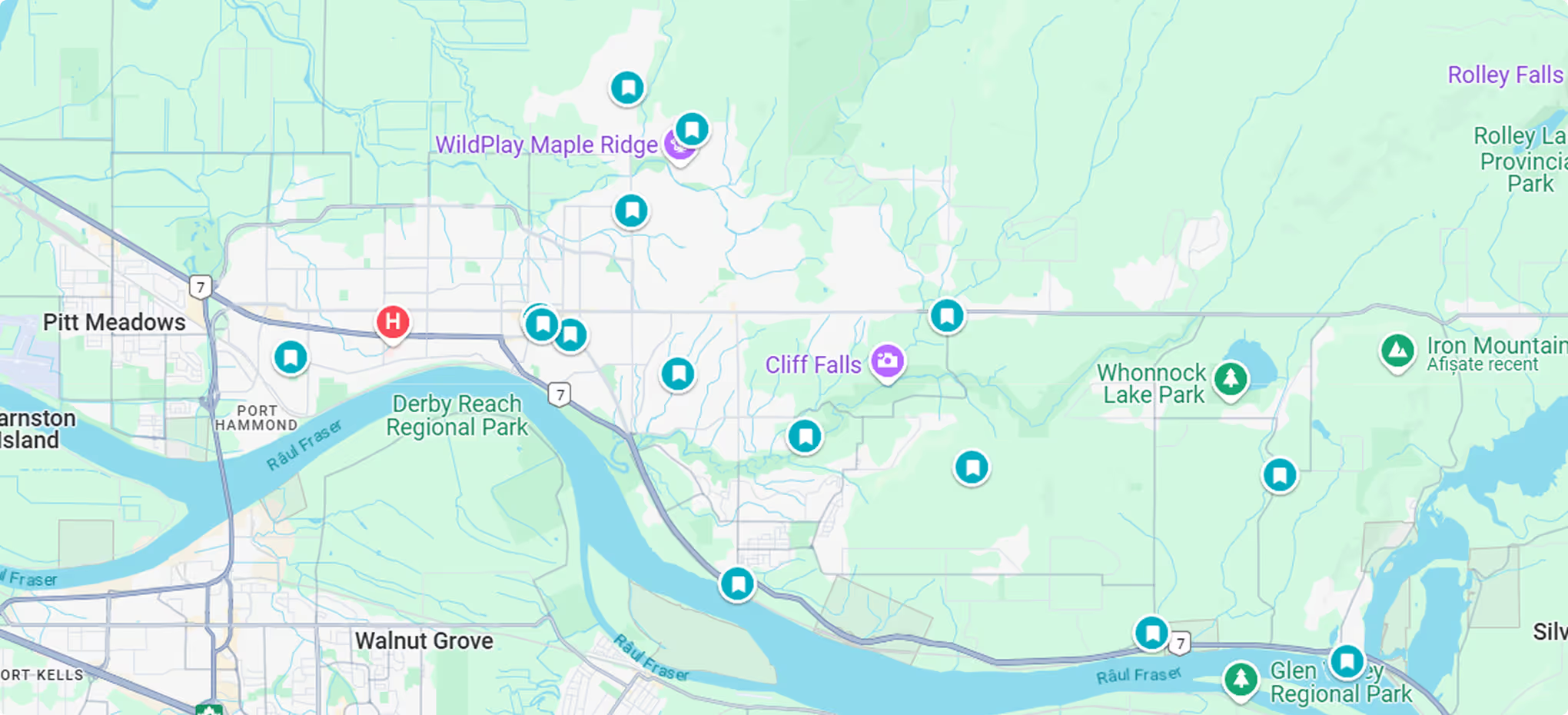
Neighbourhoods in the Fraser Valley