Do You Need a 400 Amp Panel? Navigating Home Electrification Upgrades

The Electrification Challenge: Heating Homes in Damp Winter Cold Snaps
At Rep-Air Heating and Cooling, we frequently see homeowners searching for home maintenance tips and troubleshooting, only to realize their winter heating struggles aren't just a simple quick fix—they trace back to an overworked electrical panel. Modernizing a house often starts with upgrading the HVAC equipment, but this introduces hidden electrical demands that older infrastructure simply cannot handle. You face a critical decision between installing standalone cold-climate heat pumps and opting for dual-fuel systems with gas backup. The specific climate challenges of the region dictate exactly how hard these heating units work, directly impacting your property's total electrical load. A standard electrical panel may quickly become a bottleneck when shifting away from fossil fuels. If you are looking to upgrade your home comfort services, understanding this electrical foundation is the necessary first step.
In dry, freezing climates, heating equipment operates under a predictable, steady load. However, in our years serving Mission BC, we have seen firsthand how Fraser Valley damp winter cold snaps create a unique set of challenges that fundamentally alter how your HVAC equipment behaves. The combination of high humidity and near-freezing temperatures causes moisture in the air to rapidly freeze on outdoor condenser coils. To combat this ice buildup and prevent system failure, the heat pump must work significantly harder, changing its operational state and pulling far more electricity than it does on a mild autumn day. This means that the electrical demands of your house are not static; they spike dramatically during the worst weather of the year. If your electrical service is undersized, these sudden spikes can lead to tripped breakers, inadequate indoor heating, and unnecessary wear and tear on your brand-new equipment.
Why Modern Heat Pumps Demand More Power
To understand why a panel upgrade is often necessary, you have to look at how modern heating technology actually operates during extreme weather. High humidity and freezing temperatures trigger frequent defrost cycles in heat pumps to prevent thick ice buildup on the outdoor condenser unit. This is a normal, necessary function to keep the equipment running efficiently and safely throughout the winter months.
During a defrost cycle, the system temporarily reverses its operation, pulling heat from inside the house to melt the ice on the outside unit. To prevent your indoor vents from blowing cold air during this process, the system relies on auxiliary electric heat strips to maintain indoor comfort. This is where the electrical demand skyrockets.
The Hidden Power Draw of Auxiliary Heat
These electric auxiliary heat strips are essentially massive resistance heaters, similar to the coils inside a toaster but on a much larger scale. They can draw up to 60 to 80 amps on their own while operating. This sudden spike in electrical demand can easily overwhelm a standard residential panel during a deep freeze, especially in Mission BC and surrounding Fraser Valley areas where damp, freezing conditions persist for days at a time. When our team handles a heat pump installation, we always stress how critical it is to account for this maximum potential draw, not just the low amperage the unit uses on a mild spring day.
Signs Your Panel is Struggling
• Flickering lights: When the auxiliary heat kicks in, you might notice the lights dimming momentarily as the massive electrical draw strains the entire household system.
• Tripped breakers: If the main breaker or the dedicated HVAC breaker trips during a cold night, the panel is exceeding its safe operational capacity.
• Inconsistent heating: An undersized electrical supply may prevent the backup strips from functioning at full capacity, leaving the house chilly during the coldest parts of the night.
Understanding this dynamic is crucial because it fundamentally changes how you approach whole-home electrification and future upgrades.
Dual-Fuel vs. Cold-Climate Systems: Electrical Impacts
When upgrading your heating, our technicians generally guide homeowners down one of two main paths: a fully electric standalone system or a hybrid approach. This decision directly dictates whether your current electrical service will suffice or if a major upgrade is mandatory before installation can begin.
Dual-fuel systems utilize a gas furnace as the backup heat source during extreme cold. When the temperature drops to a point where the heat pump loses efficiency or needs to defrost, the gas furnace takes over the heavy lifting. Because combustible gas handles the intense heating requirements during freezes, dual-fuel setups have a significantly lower electrical draw. The blower motor requires electricity to circulate the air, but you completely avoid the massive 60-to-80-amp spike of electric resistance strips.
In contrast, standalone cold-climate heat pumps rely entirely on electricity. While highly efficient most of the year, they necessitate heavy-duty auxiliary heat strips for those damp, freezing nights. Choosing a fully electric standalone system often triggers the mandatory upgrade to a higher-capacity electrical panel because the home must be able to support that maximum potential load safely without risking an electrical fire or blown fuses.
Comparing Heating Choices and Panel Requirements
Based on the installations our team performs throughout the Fraser Valley, let's break down how these two distinct heating choices affect your electrical infrastructure:
• Dual-Fuel System — Primary Heat Source: Electric Heat Pump — Backup Heat Source: Natural Gas Furnace — Peak Electrical Impact: Low (only runs blower motor during backup) — Typical Panel Requirement: Often compatible with existing 200 amp panels
• Cold-Climate (Fully Electric) — Primary Heat Source: Electric Heat Pump — Backup Heat Source: Electric Auxiliary Strips — Peak Electrical Impact: High (60-80 amp spike during defrost/deep cold) — Typical Panel Requirement: Frequently requires a 400 amp service upgrade
Making the right choice depends on your long-term goals for getting off fossil fuels versus your budget for immediate electrical infrastructure upgrades. Both systems provide excellent comfort, but their behind-the-scenes power requirements are drastically different.
The 200 Amp vs. 400 Amp Panel Difference
A 200 amp panel is the current standard for modern homes. If your house was built in the last few decades, this is likely what you have mounted on your garage or basement wall. However, this standard was designed before the widespread adoption of electric vehicles, induction stoves, and whole-home electric heating. It was built for an era where the furnace, water heater, and oven were often powered by natural gas, leaving the electrical panel to handle only lighting, outlets, and smaller appliances.
When you transition all those major household functions to electricity, 200 amps is no longer enough to support the simultaneous load. This is where the 400 amp panel comes into play.
When we upgrade a home's electrical system, a 400 amp service is often installed as a larger 400 amp meter base on the exterior of the house, which then splits into two separate 200 amp breaker panels inside. This setup effectively doubles the available electrical capacity of your property, giving you dedicated space for massive 240-volt circuits without overcrowding a single box.
Why the Extra Overhead Matters
The larger panel provides the necessary overhead to safely run heavy-draw electrification upgrades simultaneously. You are not just planning for what you are installing today; you are building a robust foundation for the next twenty years of home ownership.
Benefits of doubling your capacity:
• Simultaneous operation: You can run the oven, do a load of laundry, and have the heating system in full defrost mode without risking an overload or a sudden blackout.
• Safety and stability: Operating near the maximum limit of a 200 amp panel causes heat buildup in the wiring and breakers. A larger service ensures everything runs cool and safely within its limits.
• Future-proofing: Upgrading now prepares the home for subsequent additions—like a backyard suite, a new hot tub, or a second electric vehicle—without needing another costly service overhaul down the road.


Factoring in EVs and Compounding Electrical Loads
The challenge of modern home electrification is rarely about a single appliance. The true strain on your panel comes from compounding electrical loads—multiple high-draw devices running at the exact same time. Consider the typical evening routine during a winter cold snap. You come home from work, plug in your electric vehicle, turn on the induction stove to cook dinner, and bump up the thermostat. Each of these actions draws a massive amount of power independently, but together, they create a perfect storm of electrical demand.
The Electrification Stack
Here is how those electrical demands stack up and why square footage rules alone no longer accurately predict a home's electrical needs in the era of electrification:
1. The Electric Vehicle (EV): Level 2 EV chargers typically require a dedicated 40 to 50 amp circuit. Because most people charge their cars overnight, this massive draw happens exactly when winter temperatures drop to their lowest point.
2. The Heating System: As the temperature drops, the heat pump enters a defrost cycle, activating the auxiliary heat strips. As discussed, this adds another 60 to 80 amps of demand right alongside the car charger.
3. Standard Household Appliances: The electric water heater kicks on after evening showers, drawing 30 amps. The induction stove and electric dryer add another 40 to 50 amps combined during the busy evening hours.
4. Luxury Additions: Adding hot tubs, heated floors, or heavy-duty shop tools further strains the system, pushing the total simultaneous demand well past the safety threshold of a standard panel.
Running an EV charger concurrently with a heat pump defrost cycle creates massive simultaneous electrical demand. When we add up the numbers during a consultation, it becomes clear why many homeowners are exploring a 400 amp panel for home modernization. You simply cannot stack that many high-amperage appliances on a legacy electrical service without tripping the main breaker or causing a serious safety hazard.
Navigating Canadian Electrical Code Load Calculations
Because the stakes are so high, sizing an electrical service is not a guessing game. The Canadian Electrical Code (CEC) requires comprehensive load calculations before adding high-draw HVAC equipment or EV chargers to any property. DIY estimations are dangerous and frequently violate local building codes. You cannot simply look at the empty slots in your breaker box and assume you have enough power. A breaker box might have physical room for a new switch, but the main service wires coming from the street might already be at their maximum safe capacity.
Proper load calculations are complex mathematical formulas. They must account for the continuous load of electric vehicles (which draw power for hours at a time) and the intermittent spike of auxiliary heating. The code applies specific demand factors based on the square footage of the home and the types of appliances installed, acknowledging that not every device runs constantly, but planning for the worst-case scenario when they do overlap.
This is why working with the certified professionals at Rep-Air Heating and Cooling ensures your upgrade is safely permitted and completely up to code. Relying on our Red Seal Certified expertise means your electrical load calculation is done right the first time. A certified expert understands how to factor in local climate demands, ensuring your home remains safe, compliant, and fully capable of keeping you warm when the weather turns harsh without overloading the grid.
Common Questions About Electrical Service Upgrades
Do I need 400 amp service for a heat pump?
Not always, but it is often required for cold-climate models relying on heavy electric auxiliary heat. If you install a fully electric system in a region with freezing winters, the backup heat strips will draw significant power, frequently pushing a standard panel past its limit. However, dual-fuel systems with gas backup usually operate perfectly fine on a standard 200 amp service because the gas furnace handles the heavy lifting during extreme cold.
What requires a 400 amp panel?
Homes combining electric heating, Level 2 EV chargers, hot tubs, and induction appliances typically require a 400 amp panel. As you transition entirely away from fossil fuels, the compounding electrical load of these heavy-draw devices operating simultaneously exceeds the capacity of a standard setup. Large square footage homes with multiple HVAC zones or extensive outdoor electric amenities are also prime candidates for this major capacity upgrade.
What is the difference between 200 amp and 400 amp service?
A 200 amp service supports standard modern living, while a 400 amp service provides double the capacity for heavy, concurrent electrical loads. Physically, 400 amp service is typically delivered through a larger meter base on the outside of the home, which then feeds into two separate 200 amp breaker panels indoors. This split design provides massive overhead, ensuring that high-draw appliances like EV chargers and electric furnaces never overload the main system.
Can I charge an EV and run a heat pump on 200 amps?
It depends entirely on the specific load calculation our electricians perform for your home and the type of backup heating used. If your heat pump relies on gas backup, you can usually charge an EV without issue since the heating system won't pull massive amperage. While smart load-shedding devices can sometimes manage simultaneous demands by temporarily pausing the EV charger when the heat kicks on, a full panel upgrade offers a much more robust and permanent solution.
Are there incentives for upgrading my electrical panel?
Yes, various federal and provincial programs may offer energy rebates or tax credits for whole-home electrification upgrades. Because governments are actively encouraging the shift away from fossil fuels, financial assistance is frequently available for both the panel upgrade and the high-efficiency equipment it supports. Always verify current programs and eligibility requirements with your utility provider or a qualified tax professional before starting your project.
Planning Your Next Steps for Home Electrification
Transitioning to a fully electrified home requires careful planning, professional load calculations, and a clear understanding of your property's current limitations. Understanding exactly how your local climate impacts your heating choices is the crucial first step in properly sizing your electrical system. You have to plan for the coldest, dampest nights of the year, not just the mild afternoons when everything runs effortlessly.
Fortunately, you don't have to navigate this transition alone. General energy rebates and utility incentive programs may apply to qualifying panel and heat pump upgrades, helping to offset the initial investment of modernizing your home. Consulting with our certified experts can help you map out the safest and most efficient path forward. If you are ready to ensure your home is fully prepared for the future of energy, our team is here to help you explore professional electrical service upgrades that will give you the capacity, safety, and reliability you need to stay comfortable all winter long.
hear what our satisfied clients have to say
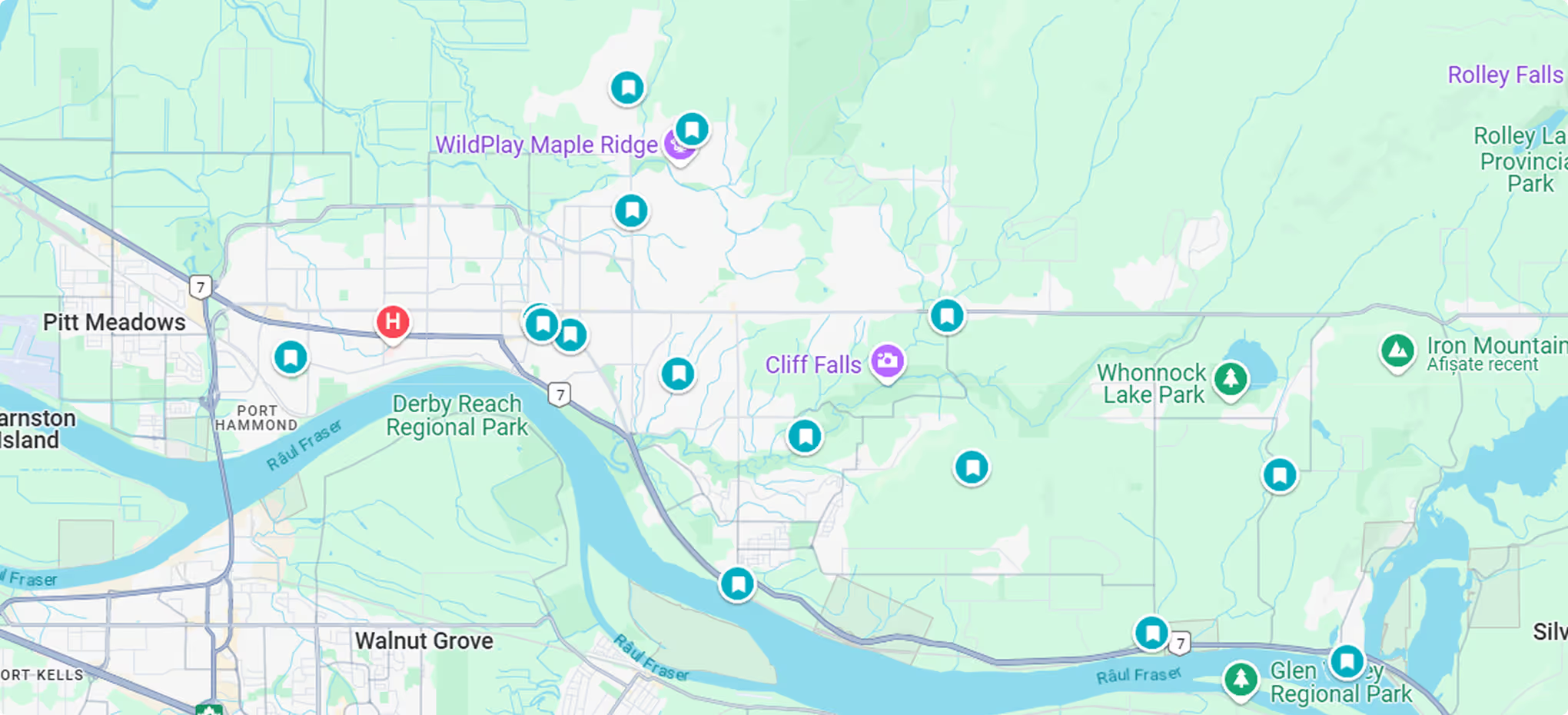
Neighbourhoods in the Fraser Valley