Home Maintenance Tips and Troubleshooting: Why Is Your Heating System Running Constantly?

Is Constant Running a Sign of Heating Failure?
When a sudden winter cold snap hits and your furnace or heat pump won't shut off, starting with basic home maintenance tips and troubleshooting can save you from immediate panic. You walk past a vent and feel warm air blowing, yet the system has been running for hours without a break. The immediate concern for most homeowners is that the equipment is failing right when it is needed most. A heating system that runs continuously during extreme temperature drops forces a critical decision point: determining whether the equipment is simply working hard to compensate for the severe weather, or if a mechanical failure requires dispatching a licensed professional.
During a severe winter cold snap, the rules of normal operation change. Systems that usually cycle on and off a few times an hour may suddenly run without stopping. This continuous operation often leads homeowners to assume a breakdown is imminent, prompting unnecessary emergency service calls. However, understanding the baseline functionality of your specific equipment is the first step in diagnosing the situation. Modernizing a home's heating infrastructure often ties into broader updates, which is why evaluating your system's performance is a core part of professional home services.
The underlying challenge: Upgrading to high-efficiency, continuous-run heating equipment sometimes reveals limitations in a home's power capacity. Older homes, in particular, may struggle to support the sustained electrical draw required by modern heating technology alongside other large appliances. In many cases, ensuring your heating system operates safely and efficiently during extreme weather eventually points to the need for electrical service upgrades to handle the increased load without tripping breakers or straining the panel.
Understanding Heat Pump Operation in Freezing Weather
To accurately troubleshoot a system that seems to be running constantly, it helps to understand the mechanical design of modern heating equipment. Older, traditional gas furnaces operate on a simple "on or off" principle. When the indoor temperature drops below the thermostat setting, a traditional furnace blasts maximum heat until the target is reached, then shuts off entirely. This results in noticeable temperature swings and frequent cycling.
Modern cold-climate heat pumps are engineered with a completely different philosophy. Instead of blasting heat at full capacity and shutting down, variable-speed heat pumps are designed to run for longer periods at steady, lower speeds. This continuous operation maintains efficiency, reduces wear and tear on components, and provides a much more consistent indoor temperature. Think of it like driving a car on the highway: maintaining a steady speed of 60 miles per hour is far more fuel-efficient than constantly accelerating to 80 and then braking to a complete stop.
In regions like Mission BC, where damp winters drive the adoption of high-draw cold-climate heat pumps, continuous operation is actually by design. A heat pump running constantly during freezing weather is often functioning exactly as intended to maintain indoor comfort. If you are considering a heat pump installation, understanding this operational difference is crucial for setting expectations about how your home will sound and feel during the winter months.
The Indoor-Outdoor Temperature Delta
The primary reason any heating system runs longer during a winter cold snap is a concept known as the temperature delta. The temperature delta is simply the difference between the outdoor temperature and your desired indoor temperature. If it is 45°F outside and you want it to be 70°F inside, the delta is 25 degrees. Most heating systems can bridge a 25-degree delta with relatively short, efficient cycles.
However, when temperatures plummet to 15°F, that delta expands to 55 degrees. Extreme cold requires the system to operate at maximum capacity just to replace the heat that is naturally escaping through your home's walls, windows, and roof. The colder it gets outside, the faster heat transfers out of your home. During these severe drops, the heating system is no longer just trying to warm the air; it is fighting a continuous battle against rapid heat loss. As long as the indoor temperature is holding steady at your thermostat setting, the constant running indicates the system is perfectly matching the heat loss of your home.
How Damp Cold Affects Defrost Cycles
The specific regional climate plays a massive role in how heating equipment behaves, and the damp cold conditions typical of the Fraser Valley introduce a unique operational quirk. Unlike dry, arid cold, a damp winter cold snap in Mission BC means the outdoor air is heavily laden with moisture. When a heat pump operates in heating mode, the outdoor coil gets extremely cold—often dropping below the freezing point of water.
As the damp outdoor air passes over this freezing coil, the moisture instantly condenses and freezes, creating a layer of frost or solid ice on the unit. If this ice were allowed to build up indefinitely, it would completely block airflow, rendering the heat pump useless. To prevent this, modern systems are equipped with an automatic defrost cycle.
What a defrost cycle looks and sounds like:
• The "whoosh" sound: You may hear a loud whooshing or hissing noise from the outdoor unit as the reversing valve shifts the flow of refrigerant.
• Temporary cool air: The system temporarily switches into air conditioning mode to send hot refrigerant outdoors to melt the ice. During this brief period, you might feel cooler air coming from your indoor vents.
• Steam rising: As the ice melts off the outdoor coil, it is completely normal to see steam rising from the unit.
A defrost cycle typically lasts anywhere from 5 to 15 minutes. In the damp, freezing conditions of a Mission BC winter, a heat pump might need to enter a defrost cycle every 60 to 90 minutes. Many homeowners mistake this frequent shifting, the strange noises, and the temporary dips in indoor air temperature for a mechanical breakdown. Reassuringly, frequent defrosting during damp cold snaps is normal system compensation, not a failure.


Safe Home Maintenance Tips and Troubleshooting Checks
Before assuming your system is broken and calling for emergency dispatch, there are several safe, non-technical steps you can take. These fundamental checks can often resolve airflow issues or configuration mistakes that force a heating system to overwork.
1. Check your thermostat settings: It sounds basic, but verifying the thermostat is the first step in any troubleshooting process. Ensure the system is explicitly set to "Heat" and not "Cool" or "Off." Furthermore, check the fan setting. If the fan is set to "On," the blower motor will run 24/7, circulating air even when the heating elements are not active. This often causes homeowners to feel lukewarm or cool air coming from the vents. Switch the fan setting to "Auto" so it only blows when the system is actively heating.
2. Inspect and replace air filters: A dirty, clogged air filter is the most common culprit behind poor HVAC performance. When a filter is packed with dust and debris, the blower motor has to work twice as hard to pull air through the system. This severe restriction in airflow means less warm air reaches your living spaces, forcing the system to run constantly to hit the target temperature. According to the Department of Energy, replacing a dirty, clogged filter with a clean one can lower energy consumption by 5% to 15% and immediately restore proper airflow.
3. Verify that return and supply vents are unblocked: Walk through every room in your home and inspect the floor, wall, and ceiling registers. It is incredibly common for heavy winter rugs, new furniture arrangements, or long curtains to inadvertently block vents. Blocking a return vent starves the system of the air it needs to heat, while blocking supply vents traps the heat inside the ductwork, leading to short-cycling or continuous, ineffective running.
4. Check for drafts around the thermal envelope: If your system is running constantly but the house remains chilly, the heat might be escaping just as fast as it is being produced. Check for drafts around older windows, exterior doors, and attic hatches. Worn weatherstripping or degraded caulking allows freezing outdoor air to infiltrate the home, forcing the heating system to overwork to compensate for the massive heat loss.
The Role of Your Electrical System in Heating Performance
High-capacity heating demands are directly tied to the health and capacity of your home's electrical infrastructure. Modern, high-draw electrification—especially cold-climate heat pumps equipped with auxiliary electric heat strips—requires substantial electrical capacity to function safely. When the temperature drops severely, heat pumps often engage these backup electric resistance heaters to supplement the warmth. These heat strips draw a massive amount of amperage.
Older homes built with 100-amp electrical panels may struggle to support continuous, high-amp heating loads alongside other modern appliances like electric ovens, dryers, and induction cooktops. If you notice your lights dimming when the heating system kicks on, or if the furnace breaker trips frequently during a winter cold snap, your electrical panel is likely undersized for the demand.
The infrastructure parallel: You can draw a direct parallel to other high-draw home additions. Just as you cannot safely plug a high-speed vehicle charger into an outdated, overloaded panel, robust heating requires a solid electrical foundation. If you are already looking into upgrading your electrical service for an EV charger, that same capacity upgrade will provide the necessary overhead to support heavy-duty winter heating equipment without risking electrical hazards or system shutdowns.
When to Call a Licensed HVAC Professional
While basic homeowner checks are highly recommended, it is vital to establish clear boundaries for DIY troubleshooting. Heating systems involve high-voltage electricity, pressurized refrigerants, and sometimes combustible gases. Knowing when to step back and call a licensed professional protects both your safety and your equipment warranties.
Identify the red flags: You should immediately stop troubleshooting and request a professional diagnostic if you observe any of the following:
• Dropping Indoor Temperatures — What It Means: If the system runs constantly but the indoor temperature continues to fall below the set point, the system is failing to produce heat.
• Harsh Grinding or Squealing Noises — What It Means: Metal-on-metal sounds indicate a failing blower motor bearing or a damaged compressor that requires immediate mechanical repair.
• Solid Ice Encasement — What It Means: While a light layer of frost is normal, an outdoor unit entirely encased in a thick, solid block of ice indicates a failed defrost control board or low refrigerant.
• Tripping Circuit Breakers — What It Means: A breaker that trips repeatedly is doing its job to prevent an electrical fire. Never force a breaker to stay on.
The limits of DIY: Opening sealed cabinet panels, testing internal electrical components with a multimeter, or attempting to check refrigerant levels requires specialized training and a licensed professional. Federal regulations strictly prohibit unlicensed individuals from handling HVAC refrigerants.
When an emergency repair is necessary during a messy winter cold snap, the process shouldn't add stress to your day. A professional intervention includes a strict drop-cloth and bootie promise, ensuring that emergency winter repairs don't mean tracking freezing mud, snow, or slush through your home. The focus remains on restoring your comfort cleanly, respectfully, and safely.
Restoring Comfort Safely and Professionally
Navigating a sudden temperature drop doesn't have to be a source of anxiety. While a heating system running constantly is often a normal, designed response to extreme cold, persistent temperature drops or strange mechanical noises require attention. By applying these home maintenance tips and troubleshooting steps, you can confidently rule out simple issues like dirty filters or incorrect thermostat settings.
Encourage safe homeowner checks, but always leave mechanical diagnostics, refrigerant handling, and internal wiring to the experts. If your home consistently struggles to maintain temperature, or if your electrical panel cannot handle the heavy winter load, professional guidance is the safest path forward. Evaluating your heating efficiency and assessing the need for electrical service upgrades ensures your home remains a warm, reliable sanctuary no matter how harsh the Mission BC winter gets.
Frequently Asked Questions
Why is my furnace running constantly in cold weather?
A furnace runs constantly in extreme cold because the heat loss of your home is matching the heat output of the system. If the indoor temperature is holding steady at your thermostat setting, the furnace is simply working hard to bridge the large gap between the freezing outdoor air and your warm indoor air.
How do I know if my heat pump is struggling or broken?
You will know your heat pump is struggling if it runs continuously but the indoor temperature steadily drops below your set point. Other signs of mechanical failure include harsh grinding noises, an outdoor unit completely encased in solid ice that never melts, or a system that repeatedly trips your electrical breaker.
Is it normal for a heat pump to run continuously in freezing weather?
Yes, it is entirely normal for modern variable-speed heat pumps to run continuously during freezing weather. They are specifically designed to operate for long periods at lower capacities to maximize energy efficiency, rather than turning on and off frequently like older heating systems.
Why is my heater running constantly but the house is cold?
If your heater runs constantly but the house remains cold, you likely have a severe airflow restriction or a mechanical failure. A completely clogged air filter, blocked return vents, or a malfunctioning blower motor can trap heat inside the system, preventing it from circulating through your living spaces.
When should I call an HVAC professional for a furnace running constantly?
You should call an HVAC professional if your furnace runs constantly while the indoor temperature continues to fall, if you hear loud metal-on-metal noises, or if the system is blowing completely cold air. Never attempt to open sealed panels or test internal electrical components yourself.
Can a dirty air filter cause my heating system to run without stopping?
Yes, a severely dirty air filter restricts the amount of air the blower motor can pull through the system. This restriction drastically reduces the volume of warm air delivered to your rooms, forcing the heating system to run continuously in a futile attempt to satisfy the thermostat.
hear what our satisfied clients have to say
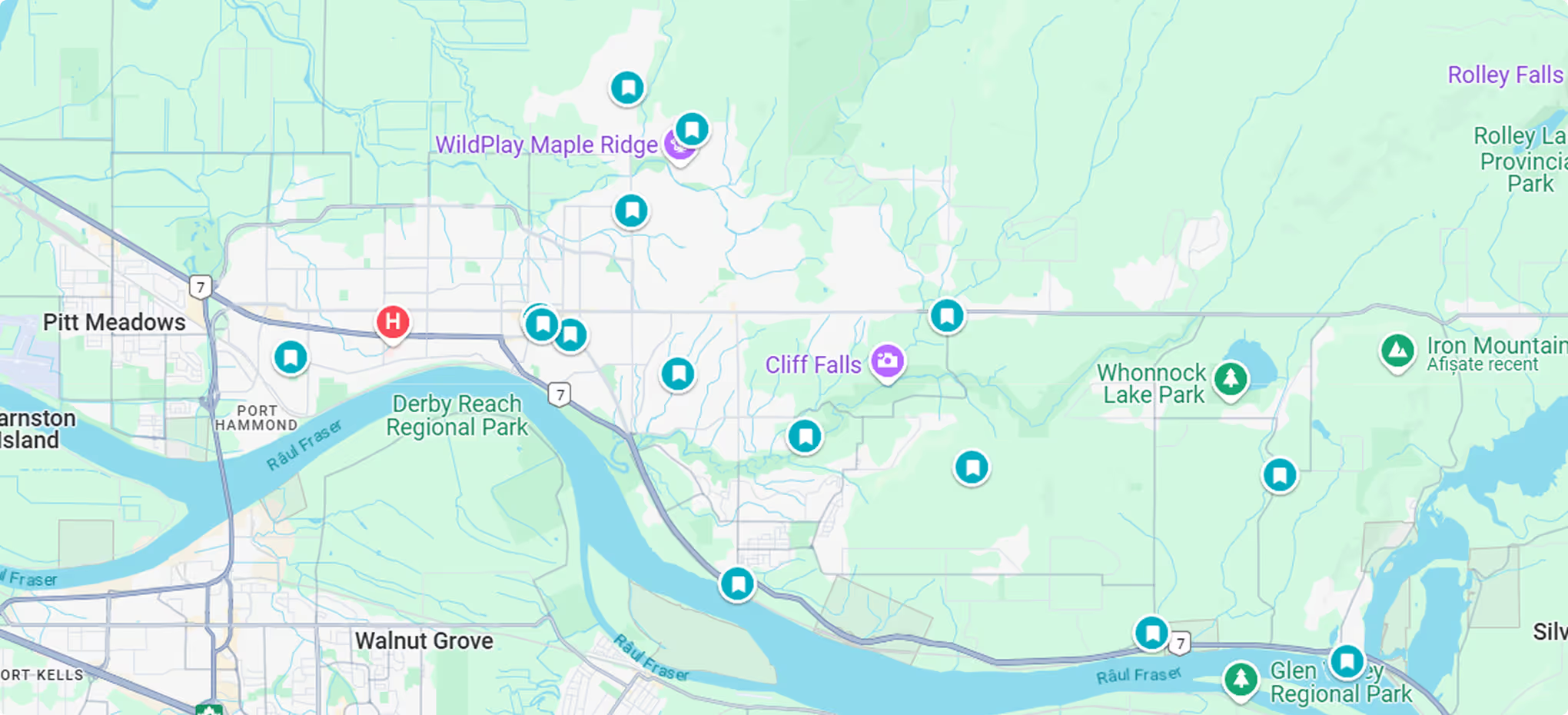
Neighbourhoods in the Fraser Valley