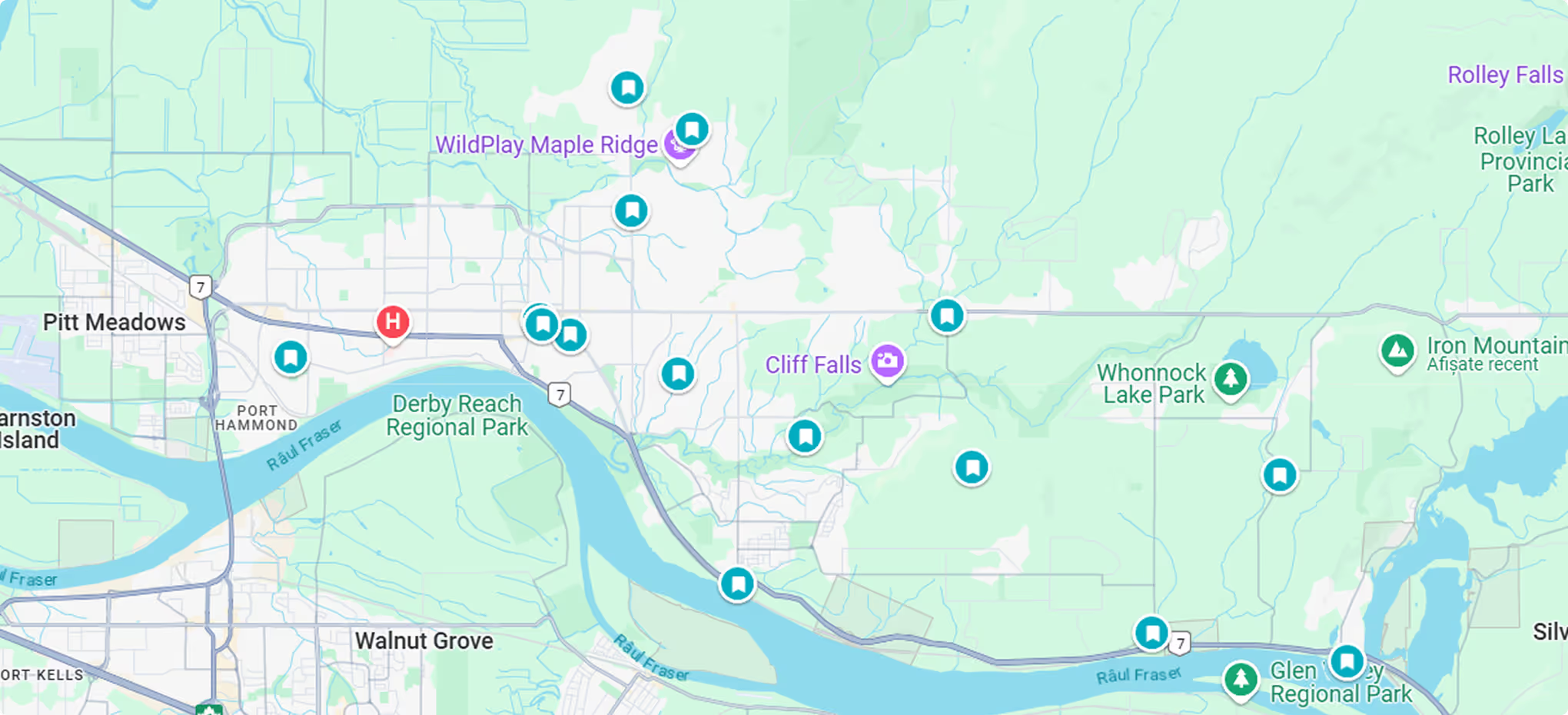
Indoor Air Quality in Town Centre, BC
Is Your Home’s Air Contributing to Health Issues?
Do you frequently experience headaches, allergies, persistent fatigue, or respiratory issues while inside your home? These symptoms often indicate poor indoor air quality, a silent problem that requires immediate professional attention to ensure the safety of your living environment. Contact us or apply for financing to schedule a comprehensive air quality assessment today.
Homeowners in Town Centre, BC often overlook the invisible pollutants circulating through their HVAC systems until physical symptoms appear. Addressing these issues goes beyond simple cleaning; it requires a systemic approach to filtration, ventilation, and humidity control. Rep-Air Heating and Cooling provides diagnostic and remediation services designed to transform your indoor environment into a safe haven.
- Discover real-time air quality updates tailored to the specific layout and needs of your home or office.
- Implement cutting-edge solutions to drastically improve air filtration and reduce harmful pollutants like VOCs and allergens.
- Gain peace of mind with sustainable, health-focused air quality improvements that protect your family long-term.
Adhere to all local health guidelines with certified and efficient indoor air quality services backed by industry-leading warranties.
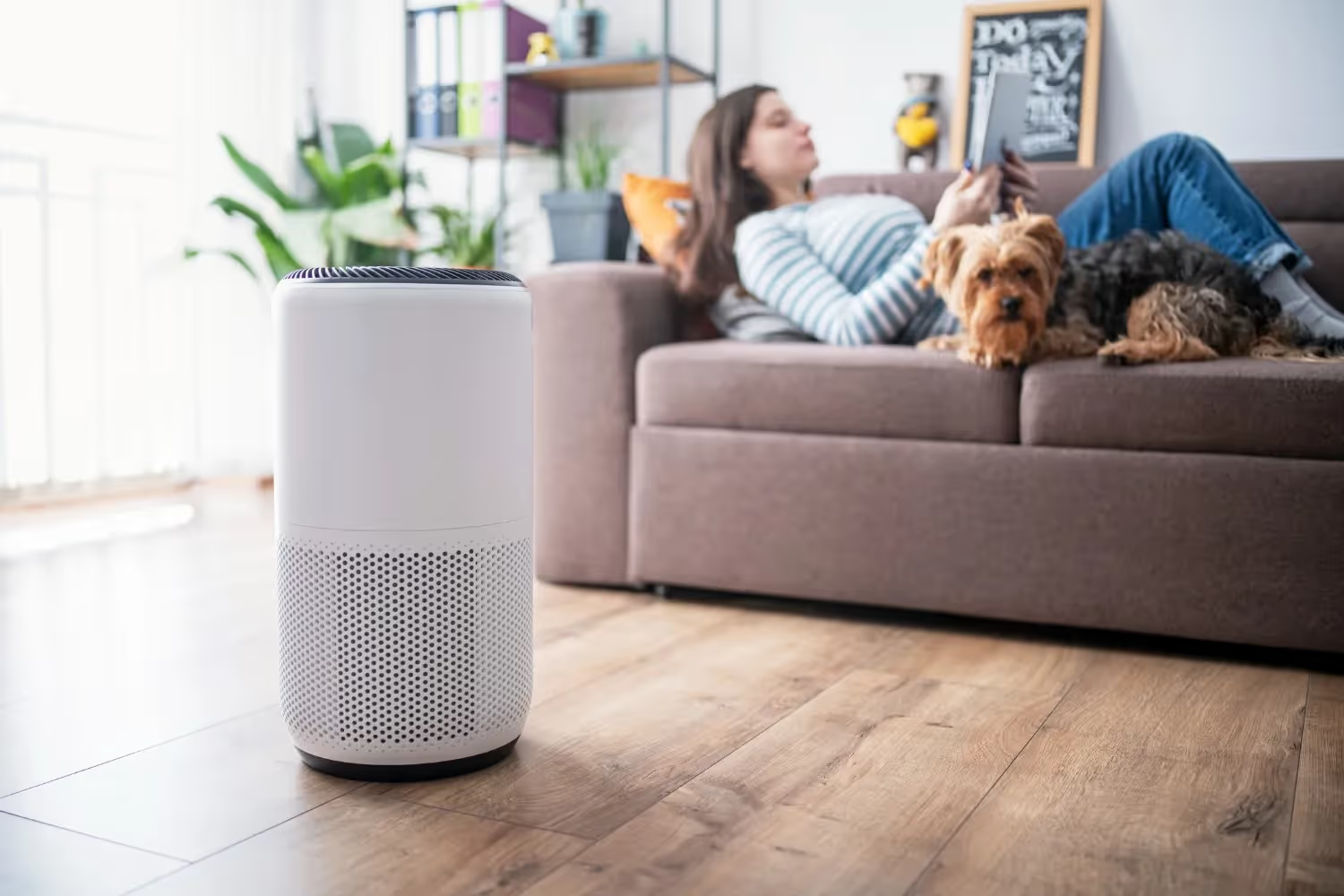
Comprehensive Indoor Air Quality Solutions available Today
When you invest in indoor air quality (IAQ) services, you are not simply buying a filter; you are integrating a life-support system for your home. Modern construction standards in regions like Town Centre have created tighter building envelopes to improve energy efficiency. While this keeps heat in, it also traps pollutants, moisture, and stale air inside. The solution involves a multi-faceted approach involving advanced hardware and precise calibration.
Professional IAQ services encompass the installation and maintenance of whole-home systems that work in tandem with your existing heating and cooling infrastructure. Unlike portable units that only treat a single room, these integrated solutions manage the atmosphere of the entire property.
Whole-Home Ventilation Systems (HRV and ERV)
One of the most effective ways to combat stale air is through mechanical ventilation. Heat Recovery Ventilators (HRV) and Energy Recovery Ventilators (ERV) are essential for maintaining fresh air without sacrificing thermal efficiency.
- Heat Recovery Ventilators (HRV): These systems exchange stale indoor air with fresh outdoor air. During the cooler months common in the Pacific Northwest, the HRV captures heat from the outgoing stale air and uses it to warm the incoming fresh air. This ensures your furnace does not have to work overtime to heat the new air, providing a constant supply of oxygen-rich air while controlling humidity.
- Energy Recovery Ventilators (ERV): Similar to HRVs, these systems transfer both heat and moisture. In climates with specific humidity concerns, an ERV helps keep indoor humidity levels balanced, preventing the air from becoming too dry in winter or too damp in shoulder seasons.
Advanced Filtration Technology
Standard furnace filters are designed primarily to protect the equipment, not your lungs. specialized IAQ services upgrade this filtration to capture microscopic particles.
- High-MERV Media Filters: These thick, pleated filters capture a significantly higher percentage of dust, pollen, pet dander, and mold spores compared to standard fiberglass filters.
- HEPA Filtration Systems: For households with severe allergies or asthma, bypass HEPA systems can be installed. These hospital-grade filters remove 99.97% of particles down to 0.3 microns, including bacteria and fine smoke particles.
Air Purification and Sterilization
Filtration captures solids, but it does not always stop biological contaminants or chemical vapors.
- UV Germicidal Lights: Installed directly inside the ductwork or near the evaporator coil, these ultraviolet lights neutralize airborne bacteria, viruses, and mold spores before they can circulate through the home. This is particularly effective in preventing "dirty sock syndrome" and keeping coils free of organic growth.
- Oxidation Systems: These active air purifiers send charged ions out into the living space. These ions attach to pollutants, causing them to clump together for easier filtration, or break down chemical odors and Volatile Organic Compounds (VOCs) at the molecular level.
Humidity Control
Managing moisture is a critical component of air quality.
- Whole-Home Dehumidifiers: In damp climates, excess moisture encourages dust mites and mold growth. A dedicated dehumidifier removes moisture more efficiently than an air conditioner alone, reducing the load on your cooling system.
- Steam or Bypass Humidifiers: Conversely, during cold snaps where heating dries out the air, low humidity can irritate nasal passages and damage wood furnishings. Controlled humidification maintains the ideal 35-45% relative humidity range.
How the Installation and Improvement Process Works
Improving indoor air quality is a scientific process that moves from diagnosis to implementation. A professional approach ensures that the solutions provided are matched to the specific pollutants present in the home and the capacity of the existing HVAC equipment.
- Initial Consultation and Assessment: The process begins with a detailed evaluation of the home. Technicians listen to homeowner concerns regarding symptoms or odors. Advanced monitoring equipment is used to measure particulate matter levels, humidity, carbon dioxide concentrations, and the presence of VOCs.
- Ductwork and System Inspection: The existing ductwork is inspected for leaks, accumulated debris, or design flaws that may be contributing to poor airflow. Technicians verify that the current furnace or air handler can support the static pressure of high-efficiency filters.
- Customized Solution Design: Based on the data collected, a tailored plan is proposed. This might include adding an HRV for ventilation, upgrading the filter cabinet, or installing UV purification. The proposal outlines exactly how these components will integrate with the current system.
- Professional Installation: Certified installers mount the new equipment. This involves cutting into the return or supply plenums, running electrical connections, and installing drain lines for dehumidifiers or condensate. All work is performed according to local building codes and safety standards.
- System Calibration and Balancing: Once installed, the equipment is not just turned on; it is calibrated. For ventilation systems, technicians balance the airflow to ensure the amount of air entering the home equals the amount leaving, preventing pressure imbalances that could draw in soil gases or back-draft appliances.
- Final Testing and Education: The system is tested to verify operation. The homeowner is then trained on how to operate the new controls, when to change specialized filters, and how to monitor their indoor air quality levels moving forward.
When Replacement or Upgrade Beats Repair
Many homeowners attempt to mitigate air quality issues with temporary fixes or by repairing aging ancillary components. However, there are distinct scenarios where replacing old equipment or installing new, dedicated systems is the only viable path to a healthy home environment.
Persistent Health Symptoms
If members of the household continue to suffer from respiratory issues, eye irritation, or headaches despite regular cleaning and standard filter changes, the current system is failing. Repairing an old fan or cleaning ducts may not be enough. Installing a dedicated purification system or upgrading to a high-efficiency media filter is often required to physically remove the irritants causing the symptoms.
Inability to Control Humidity
If windows are constantly collecting condensation in the winter or the home feels sticky and clammy in the summer despite the AC running, the HVAC system lacks the capacity to manage latent heat (moisture). Adding a dedicated whole-home dehumidifier or upgrading to a communicating HVAC system with variable-speed operation is superior to relying on portable units that require constant emptying.
Mitigating "Sick Building" Syndrome
Older homes in Town Centre may suffer from a lack of fresh air exchange, leading to a buildup of CO2 and off-gassing chemicals from furniture and carpets. If the air feels heavy or stale, no amount of repair to a standard furnace will fix the issue. The installation of an HRV or ERV is necessary to mechanically introduce fresh air, effectively replacing the "lungs" of the house.
Recurring Mold or Mildew
Finding mold in ductwork or on vents is a critical warning sign. While cleaning removes the visible growth, it does not solve the root cause. If biological growth returns after cleaning, the system requires a permanent upgrade, such as the installation of UV germicidal irradiation (UVGI) lights to continuously sterilize the internal components and prevent future colonization.
At this stage, consulting with Rep-Air Heating and Cooling helps clarify whether a retrofit or a full system enhancement is the most cost-effective and health-conscious choice — view current promotions for system upgrades.
Local Factors Affecting Air Quality
The specific environmental conditions in the Pacific Northwest heavily influence the requirements for indoor air quality systems. Understanding these local factors is crucial for selecting the right equipment.
Oceanic Climate and Humidity
The region is characterized by a temperate oceanic climate with wet winters. This consistent moisture creates a breeding ground for biological contaminants. Homes without adequate dehumidification or ventilation often struggle with dust mites and mold, which thrive in humidity levels above 50%. Winter conditions typically keep windows closed, trapping this moisture inside from cooking, showering, and breathing.
Wildfire Smoke and Particulates
While summers are generally warm and dry, the region is increasingly susceptible to smoke from regional wildfires. During these events, the concentration of fine particulate matter (PM2.5) spikes dangerously. Standard filters are ineffective against smoke. Homes in this area benefit significantly from HEPA filtration or high-MERV electrostatic filters that can capture these microscopic smoke particles, keeping the indoor air breathable even when outdoor air quality alerts are active.
Pollen and Seasonal Allergens
The lush vegetation that defines the area also contributes to high pollen counts in spring and early summer. Residents with allergies often find no relief indoors if their homes are not positively pressured or properly filtered. An airtight home equipped with mechanical ventilation filters the incoming air, blocking pollen before it enters the living space.
Building Codes and Permits
Modifying HVAC systems to include gas-fired humidifiers, extensive electrical work for purifiers, or significant ductwork alteration for ventilation requires adherence to provincial safety codes. Compliance ensures that ventilation rates meet the required changes per hour (ACH) for healthy living and that all electrical connections are safe. Professional services ensure all permits are handled and work meets the rigorous standards expected in British Columbia.
Why Professional Air Quality Solutions Matter
Relying on store-bought, portable air purifiers often results in a false sense of security. These units are typically rated for small, single rooms and cannot keep up with the volume of air circulating through an entire house. Professional, whole-home solutions address the root causes of poor air quality rather than treating the symptoms in one corner of a room.
- Total Air Volume Treatment: Integrated systems treat 100% of the air flowing through the heating and cooling system. This ensures that every room receives filtered, purified, and conditioned air, not just the room with a portable unit.
- Source Control and Dilution: Professional ventilation strategies focus on dilution—removing contaminated air and replacing it with fresh, filtered air. This is the gold standard for reducing indoor pollutants as recognized by environmental agencies.
- Energy Efficiency: Modern IAQ hardware is designed to operate with minimal energy consumption. HRVs recover heat that would otherwise be lost, and clean filters allow the main HVAC equipment to run more efficiently, lowering utility bills over time.
- Property Value and Protection: A home equipped with advanced air quality, humidity control, and ventilation systems is more attractive to buyers. Furthermore, controlling humidity protects the structural integrity of the home, preserving hardwood floors, drywall, and framing from moisture damage.
Why Choose Rep-Air Heating and Cooling
Expertise Rooted in Local Climate Knowledge
Rep-Air understands the unique oceanic climate challenges of the Pacific Northwest and designs IAQ solutions specifically adapted to moisture, pollen, and wildfire smoke conditions.
Comprehensive, Whole-Home Air Quality Strategies
Unlike services that focus on individual components, Rep-Air evaluates your entire home to ensure your ventilation, filtration, and humidity systems work together flawlessly.
Certified Technicians and Proven Methods
- Training: Technicians are certified in advanced IAQ diagnostics and installation.
- Accuracy: Each system is calibrated for optimal airflow, temperature, and humidity control.
Transparent Assessments and Honest Recommendations
- No upselling: Solutions are based on actual air quality data collected during assessments.
- Clear documentation: Homeowners receive straightforward explanations of recommended upgrades.
Long-Term Support and Warrantied Work
- Maintenance guidance: You’ll know exactly how to maintain your IAQ system.
- Warranty protection: Installations come with industry-backed warranties for peace of mind.
Take the Next Step Toward Cleaner, Healthier Air
If you are ready to improve your indoor air quality, protect your family from invisible pollutants, and create a safer living environment, now is the perfect time to act.
Rep-Air Heating and Cooling is prepared to evaluate your home, identify issues, and install the ideal IAQ solutions tailored to your needs.
Contact us today to schedule your air quality assessment and start breathing cleaner, healthier air.
hear what our satisfied clients have to say
Neighbourhoods in the Fraser Valley