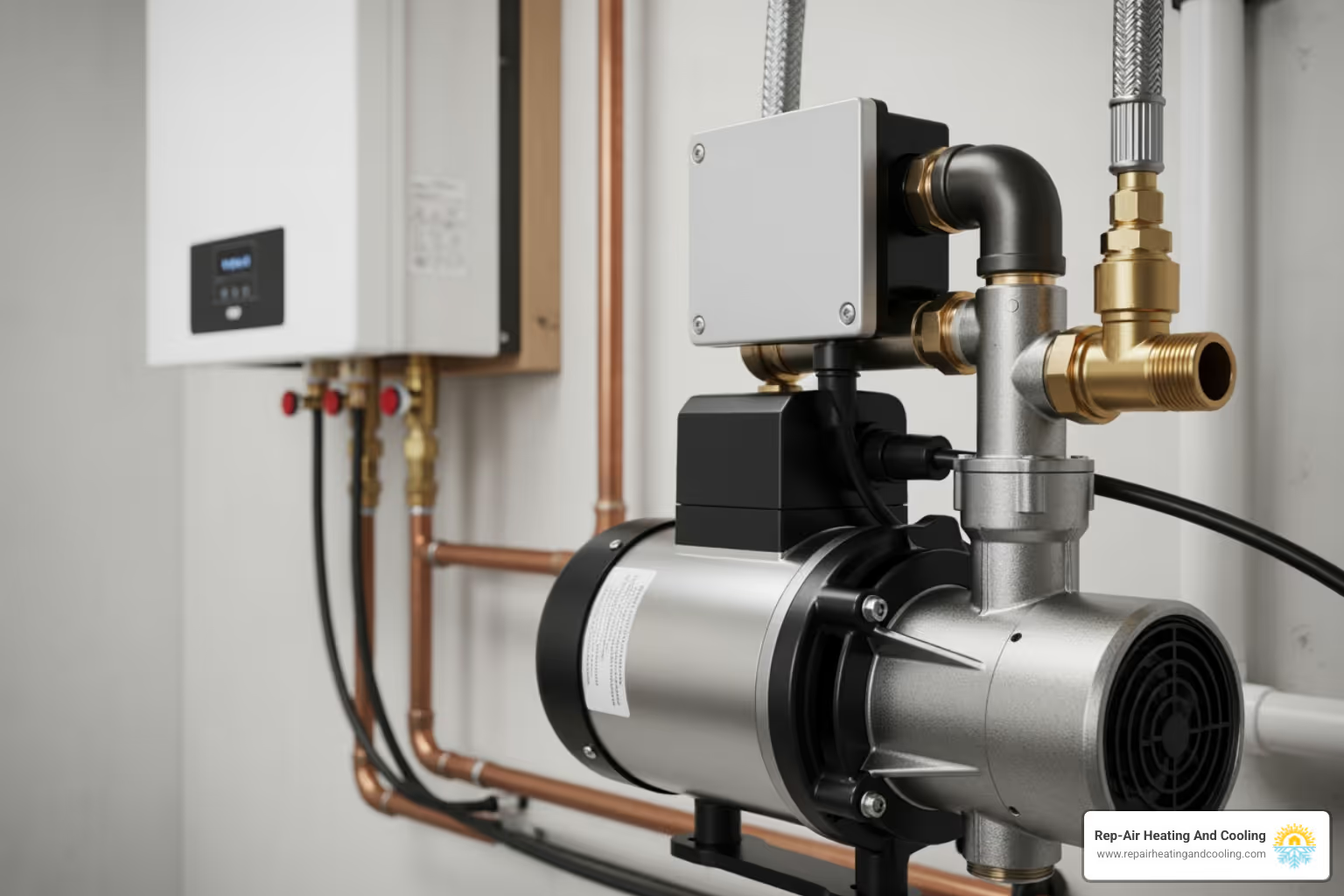
Recirculating Pumps for Tankless Water Heaters: What Works and What Doesn't
The Problem: The Long Wait for Hot Water
When you turn on a tap in your Lower Mainland home, you expect hot water, but often you have to wait. Even with an efficient tankless water heater, it can take 30 seconds or more for hot water to travel from the heater to your faucet. During this wait, gallons of water run down the drain. This is especially true in larger homes in areas like Abbotsford, Langley, or Surrey, where long pipe runs are common. The water sitting in the pipes cools down between uses, and it must be purged before hot water arrives. This frustrating delay can waste up to 12,000 gallons of water per year for an average family.
The best recirculating pump for tankless water heater systems solves this problem by keeping hot water readily available at every faucet, providing instant comfort and significant water savings.
Quick Answer: What Makes the Best Recirculating Pump
• Built-in vs. Add-on: Some tankless heaters have integrated pumps, others need external units.
• Control types: Timer-based, on-demand button, motion sensor, or smart learning systems.
• Critical flow rate: Must match your tankless heater's minimum activation flow (usually 0.5-0.6 GPM).
• System type: Dedicated return line (best performance) or crossover valve (easier retrofit).
• Smart features: Programmable schedules and temperature sensors can reduce energy use.
For expert installation of tankless water heater systems in the Lower Mainland, learn more about our comprehensive tankless water heater services or schedule a consultation with our team.
How Recirculation Pumps Create Instant Hot Water
A hot water recirculating pump eliminates the wait for hot water by creating a continuous loop. Instead of letting the water in your pipes cool down, the pump sends it back to your tankless water heater to be reheated, ensuring hot water is always ready at the tap. This not only adds convenience but also helps prevent the "cold-water sandwich" effect—that brief burst of cold water when you quickly turn a tap on and off. This improvement is one of the key 5 Benefits of Tankless Hot Water Heaters that homeowners in areas like Pitt Meadows and Mission appreciate.
System Types: What Works for Your Home's Plumbing
Choosing the best recirculating pump for a tankless water heater depends on your home's plumbing.
• Dedicated Loop Systems: This is the most efficient setup, using a separate return line that runs from the farthest faucet back to the water heater. It creates a closed loop for recirculation without affecting your cold water supply. This is ideal for new construction or major renovations.
• Crossover Valve Systems: For existing homes without a dedicated return line, this is a popular retrofit solution. A special valve is installed under the sink farthest from the heater. It allows cooled water from the hot line to "cross over" into the cold water line, which then acts as the return path.
For expert guidance on planning your hot water system, our team can assist with Tankless Water Heater Installation Brookswood, BC and surrounding areas.
Integrated vs. Add-On Pumps
You have two main options when it comes to the pump itself:
• Tankless Models with Built-in Pumps: Many modern tankless water heaters come with an integrated recirculation pump. These systems are designed for seamless operation, as the pump and heater work together to optimize efficiency and performance.
• External Pump Kits: If your current tankless heater doesn't have a built-in pump, you can add an external one. These kits can be installed either at the water heater or under a sink.
Compatibility is Key: It is crucial that any external pump is compatible with your tankless water heater. The pump's flow rate must be sufficient to activate the heater without causing "short-cycling" which can damage the unit. Always check manufacturer guidelines or consult a professional. For more information, consider our services for Tankless Water Heater Clearbrook, BC.
Key Features of the Best Recirculating Pump for a Tankless Water Heater
When selecting the best recirculating pump for a tankless water heater, look beyond basic functionality. Modern pumps offer features that improve convenience, save energy, and ensure a long service life.
Core Features to Look For:
• Smart Controls: The best systems offer advanced controls, from simple programmable timers to smart-learning technology that adapts to your household's water usage patterns.
• Energy Efficiency: A good pump should save water without significantly increasing your energy use. Look for models with efficient motors and smart controls.
• Durable Materials: Pumps for drinking water should be made of high-quality, corrosion-resistant materials like stainless steel or bronze.
Control Options: Timers, On-Demand, and Smart Learning
The control method directly impacts your system's efficiency and convenience.
• Programmable Timers: Set the pump to run only during peak usage times, like mornings and evenings.
• Push-Button Activation: For maximum energy savings, these systems activate the pump with the push of a button only when you need hot water.
• Motion Sensors: These sensors activate the pump when you enter a room, so hot water is ready by the time you reach the faucet.
• Smart-Learning Technology: Advanced systems can learn your family's hot water habits and automatically create a recirculation schedule.
• Wi-Fi Controls: Many modern pumps can be controlled via smartphone apps.
For more tips on optimizing your home's energy usage, see our guide on Detecting Energy-Wasting Signs in Water Heaters.
Why Flow Rate is Critical for Tankless Water Heaters
This is the most crucial technical detail. Tankless water heaters require a minimum flow of water to activate—typically around 0.5 to 0.6 gallons per minute (GPM).
• If the pump's flow rate is too low: The heater won't turn on, and you'll just be circulating water that is not reheated.
• If the pump's flow rate is too high or runs continuously: It can cause "short-cycling," where the heater rapidly turns on and off. This puts stress on the unit and can affect warranty coverage.
The best recirculating pump for a tankless water heater is designed to avoid these issues. It uses smart controls to operate only when needed, helping it activate the heater correctly without causing damage.
The Problem: The Long Wait for Hot Water
Imagine this: You wake up on a chilly morning in Abbotsford, BC, and head to the shower, expecting that comforting rush of hot water. Or perhaps you're in your kitchen in Langley, BC, ready to wash dishes, and you turn on the faucet, only to be met with a cold spray. This is a common scenario, even for homes equipped with energy-efficient tankless water heaters. While tankless units are fantastic for providing endless hot water on demand, they don't always deliver it instantly to every faucet, especially those far from the unit.
The delay occurs because the water sitting in your hot water pipes cools down between uses. When you open a hot water tap, this cooled water must first be purged from the lines before the tankless water heater can detect the flow and begin heating fresh water. This process, while seemingly minor, leads to a significant amount of wasted water. For an average four-person home, waiting for hot water can add up to around 12,000 gallons of water wasted annually. That is a lot of water literally going down the drain, impacting both your utility bills and the environment.
This issue is particularly noticeable in larger homes or those with long pipe runs, common in many parts of the Lower Mainland, from Maple Ridge to Surrey. The longer the distance hot water has to travel, the longer you wait, and the more water you waste. It is a frustrating cycle that the best recirculating pump for tankless water heater systems are specifically designed to break.
How Recirculation Pumps Create Instant Hot Water
At its core, a hot water recirculating pump is a simple device designed to keep hot water readily available in your pipes. Instead of letting cooled water sit idle and then run down the drain, the pump moves this water back to the tankless water heater to be reheated. This creates a loop of hot water that ensures it is ready for use when you turn on the tap.
One primary way these pumps work is by utilizing a dedicated return line—a separate plumbing line that runs from the furthest point of your hot water loop back to the water heater. With this setup, the pump pushes cooled water through this return path, keeping hot water in your main supply pipes.
However, not all homes in the Lower Mainland are built with a dedicated return line. This is where a crossover valve system comes into play. Instead of a separate return line, a crossover valve is installed at the fixture furthest from the water heater. This valve allows cooled water from the hot water line to flow into the cold water line, which then carries it back to the water heater for reheating.
Beyond just delivering hot water faster, recirculation pumps can also help with the annoying "cold-water sandwich" effect. This improvement in daily life is one of the 5 Benefits of Tankless Hot Water Heaters that homeowners truly appreciate.
System Types: What Works for Your Home's Plumbing
Understanding the different types of recirculating systems is crucial for choosing the best recirculating pump for tankless water heater for your specific home.
Dedicated Loop Systems: These are often considered the gold standard for hot water recirculation. They require a separate return line from the farthest fixture back to the tankless water heater. This creates a closed loop where cooled water is continuously sent back to the heater. The advantage is strong performance and efficiency.
Comfort Systems (Crossover Valve Systems): For existing homes without a dedicated return line, comfort systems offer a practical solution. These systems use a thermal bypass valve installed at the fixture furthest from the water heater. This valve allows cooled hot water to cross over into the cold water line, which then acts as the return path.
Under-Sink Valves: These are a common component of comfort systems. Some pumps are designed to mount directly under the farthest sink from the water heater. They often include the necessary accessories for a single-point installation.
For expert guidance on planning your hot water system, our team can assist with Tankless Water Heater Installation Brookswood, BC and surrounding areas.
Integrated vs. Add-On Pumps
When considering the best recirculating pump for tankless water heater systems, you'll encounter two main categories: those integrated directly into the tankless unit and those that are added on externally.
Tankless Models with Built-in Pumps: Many modern tankless water heaters come with an integrated recirculation pump. These units are designed for coordinated operation, with the pump and heater working together to support hot water delivery and energy efficiency.
External Pump Kits: If your existing tankless water heater doesn't have a built-in recirculation pump, external pump kits are available. These kits typically include the pump, a sensor valve, and components for installation.
Compatibility is Key: It is crucial to ensure that any external recirculating pump you choose is compatible with your specific tankless water heater. Not all pumps work with all systems, and some may not have the necessary flow rate to activate your tankless unit. Always check the manufacturer's guidelines. For more information on ensuring your tankless water heater operates efficiently, consider our services for Tankless Water Heater Clearbrook, BC.
Key Features of the Best Recirculating Pump for a Tankless Water Heater
When selecting the best recirculating pump for tankless water heater systems, we look beyond just the basic function. Modern pumps come with features designed to improve convenience, support energy efficiency, and ensure longevity.
Smart Controls: Many pumps now offer advanced control options, allowing homeowners to customize their hot water delivery. This can range from simple programmable timers to smart-learning systems that adapt to your family's habits.
Energy Efficiency: A well-chosen recirculating pump should help save water and use energy wisely. Look for pumps with efficient motors and smart controls that limit operation to only necessary times.
Pump Materials: Durability is a key factor. Pumps designed for potable water systems should feature high-quality, corrosion-resistant materials like stainless steel or bronze.
Control Options: Timers, On-Demand, and Smart Learning
The way a recirculating pump is controlled directly impacts its energy efficiency and overall effectiveness.
• Programmable Timers: These allow you to schedule the pump to run only during peak hot water usage times, such as mornings for showers or evenings for dinner and cleanup.
• Push-Button Activation: For strong control and minimal energy consumption, some systems feature push-button activation. You simply press a button when you anticipate needing hot water.
• Motion Sensors: Integrating motion sensors can automate the on-demand process. When motion is detected, the pump activates.
• Smart-Learning Technology: Some systems learn your hot water usage patterns over time and then automatically adjust the recirculation schedule.
• Smart Plugs and Wi-Fi Controls: Many external pumps can be paired with smart plugs, allowing you to control them via a smartphone app or voice commands.
For more insights on how to optimize your home's energy usage, explore our guide on how to Detect Energy-Wasting Signs in Water Heaters.
Why Flow Rate is Critical for the Best Recirculating Pump for a Tankless Water Heater
This is perhaps the most crucial technical detail when selecting the best recirculating pump for tankless water heater systems. Tankless water heaters are on-demand units, meaning they only activate when they detect a sufficient flow of water through them. This minimum activation flow rate is typically between 0.5 and 0.6 gallons per minute (GPM).
If your recirculating pump's flow rate is too low, it will not reliably trigger the tankless water heater to turn on. Conversely, if the pump's flow rate is too high, or if it runs continuously without proper controls, it can lead to short-cycling.
Short-Cycling Risk: Short-cycling occurs when the tankless water heater turns on and off rapidly. This constant ignition and shutdown puts stress on the heater's components.
Heater Damage & Warranty Considerations: Prolonged short-cycling can reduce the lifespan of your tankless water heater. Many manufacturers specify in their documentation how recirculation should be configured.
• Too Low (below activation threshold) — Effect on Tankless Water Heater: Heater does not turn on; water circulates but is not reheated.
• Within Manufacturer's Recommended Range — Effect on Tankless Water Heater: Heater activates correctly; hot water is delivered while minimizing wear.
• Too High or Continuous Without Smart Control — Effect on Tankless Water Heater: Increased risk of short-cycling; added wear on components.
The best recirculating pump for tankless water heater is an important upgrade for any homeowner in the Lower Mainland looking to reduce the wait for hot water while supporting water savings and thoughtful energy use.
Installation and Maintenance Essentials
Once you've chosen the best recirculating pump for a tankless water heater, proper installation and maintenance are key to its performance and longevity.
Proper Installation: Avoiding Common Pitfalls
Correct installation is crucial for efficiency and to help prevent problems. While some kits seem DIY-friendly, professional installation is highly recommended to support warranty compliance and avoid common mistakes.
• Pump Location: The pump's placement depends on your system. For crossover valve systems, it's typically installed under the farthest sink. For dedicated return line systems, it's usually placed near the water heater.
• Warranty Compliance: Improper installation, especially regarding flow rates, can affect your tankless water heater's warranty. A professional ensures the pump is installed to manufacturer specifications, helping safeguard your investment. For more on common issues, see our guide on Common Water Heater Issues We Fix.
Simple Maintenance for a Long-Lasting System
Recirculating pumps are generally low-maintenance, but a few steps will help them last for years.
• Regular Checks: Periodically inspect the pump for leaks around connections and listen for unusual noises like grinding or humming, which could signal a problem.
• Descaling: Hard water can cause mineral buildup (scale) in your water heater and pump, reducing efficiency. Regular descaling is important, especially in areas with hard water. For more on this, see our article on how to Improve Your Home's Water Quality in Langley, BC.
• Follow Manufacturer Guidelines: Always refer to the manufacturer's instructions for specific maintenance recommendations for both your pump and water heater.
Following these steps will help your recirculating pump provide faster hot water efficiently for years to come.
Frequently Asked Questions about Recirculating Pumps
Homeowners across the Lower Mainland often ask about recirculating pumps for their tankless water heaters. Here are answers to some common questions.
Do all tankless water heaters need a recirculating pump?
No, it's not a requirement. A tankless water heater provides endless hot water on its own. However, if you're tired of waiting for hot water to reach your faucet and want to stop wasting water, a recirculating pump is an excellent upgrade. It transforms the experience from "endless hot water, eventually" to "instant, endless hot water."
Will a recirculating pump increase my energy bill?
A recirculating pump uses a small amount of electricity, and the heater will use some energy to keep the water in the loop hot. However, modern pumps with smart controls are highly efficient. They only run when needed, thanks to timers, on-demand buttons, or smart-learning technology. This minimizes energy use, and some models can reduce electricity consumption by over 90% compared to older, continuous-run pumps. The energy cost is often negligible when weighed against the convenience and water savings.
Can a recirculating pump be added to any existing tankless water heater?
Yes, most tankless water heaters can be retrofitted with a recirculating pump, but there are important factors to consider:
• Compatibility: The pump must be compatible with your water heater model. An incorrect flow rate can fail to activate the heater or cause "short-cycling," which can damage the unit and void its warranty.
• System Type: You can choose a dedicated return line (requires new plumbing) or a crossover valve system (uses existing pipes), which is easier for retrofits.
• Professional Installation: To ensure proper function, safety, and warranty protection, professional installation is highly recommended. Our experts can assess your plumbing and recommend the best recirculating pump for your tankless water heater.
If you're considering adding a recirculating pump, consult with our team to find the perfect solution for your home.
Conclusion: Enjoy Instant Hot Water and Maximum Efficiency
Waiting for hot water can be a thing of the past. Installing the best recirculating pump for your tankless water heater is a smart investment that delivers added convenience, significant water savings, and improved energy awareness.
Reducing the time you spend waiting for hot water also helps cut back on thousands of gallons of water wasted each year. With a recirculation system, you can enjoy more immediate hot water at faucets and showers throughout your home, from Surrey to Abbotsford. Modern pumps with intelligent controls support this without a major impact on your energy use, making them a practical and eco-conscious upgrade.
At Rep-Air Heating And Cooling, we specialize in home comfort solutions for the Lower Mainland. Our experts can help you select and install the right recirculating pump to complement your tankless water heater, supporting reliable performance and comfort.
For professional advice and installation of a Tankless Water Heater Douglas, BC, contact our team today. We treat our customers like family, providing attentive service for all your plumbing and HVAC needs.
hear what our satisfied clients have to say
Neighbourhoods in the Fraser Valley