The Septic Scoop: What You'll Really Pay to Get Your Tank Pumped
Your Guide to Septic Pumping
If you're wondering about septic tank pumping services, you're not alone. Most homeowners in the Lower Mainland face this maintenance task every few years, and understanding the service helps you plan and avoid surprises. A typical visit depends on several factors, including your tank's size, how accessible it is, how much sludge has accumulated, and whether you need any additional services like inspections or repairs.
Quick Service Overview (What Affects Your Service):
- Tank size (small, medium, large)
- Accessibility (how easy it is to reach the tank)
- Sludge buildup and condition of the tank
- Emergency service vs. scheduled maintenance
- Recommended frequency: Generally every 3–5 years for most households
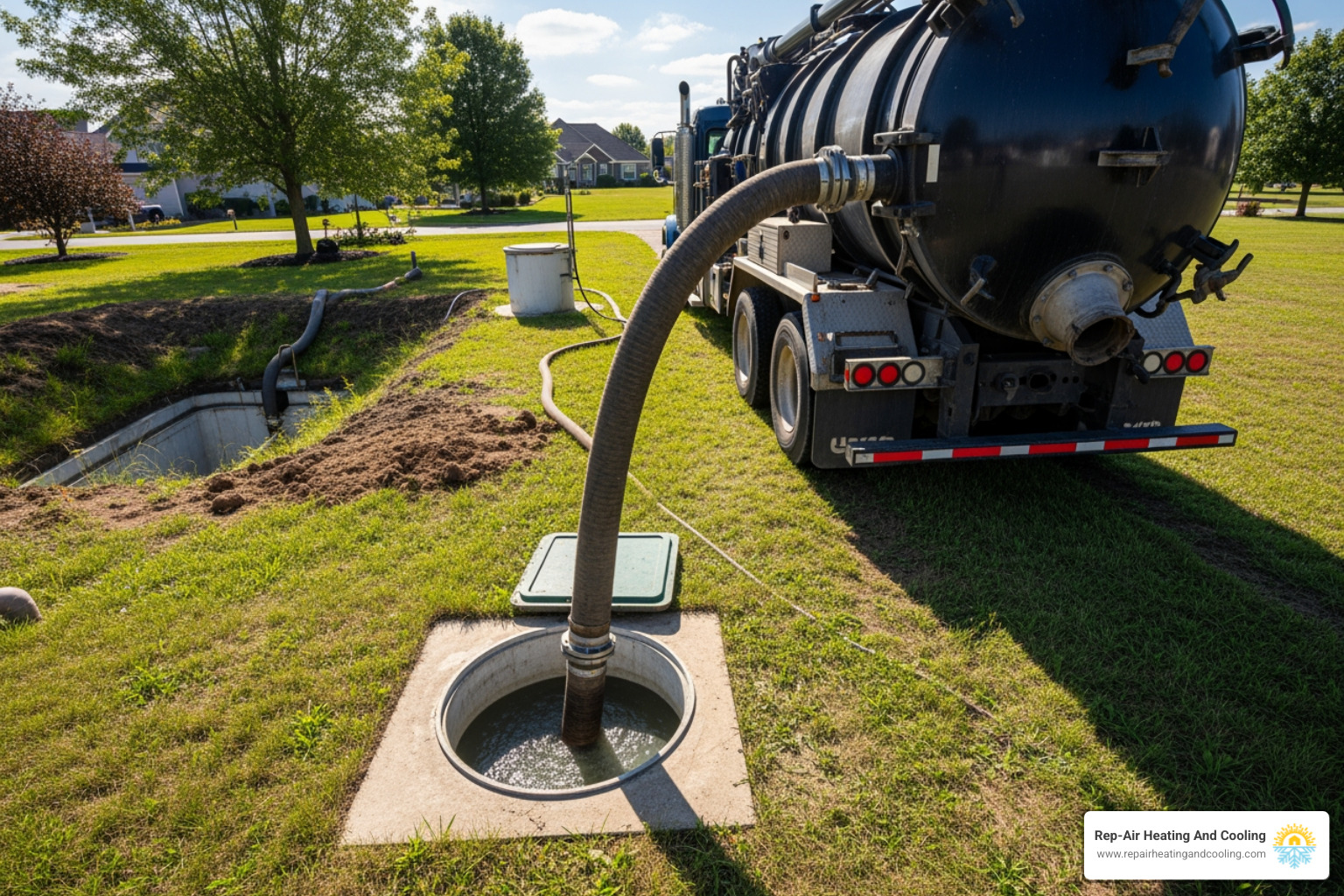
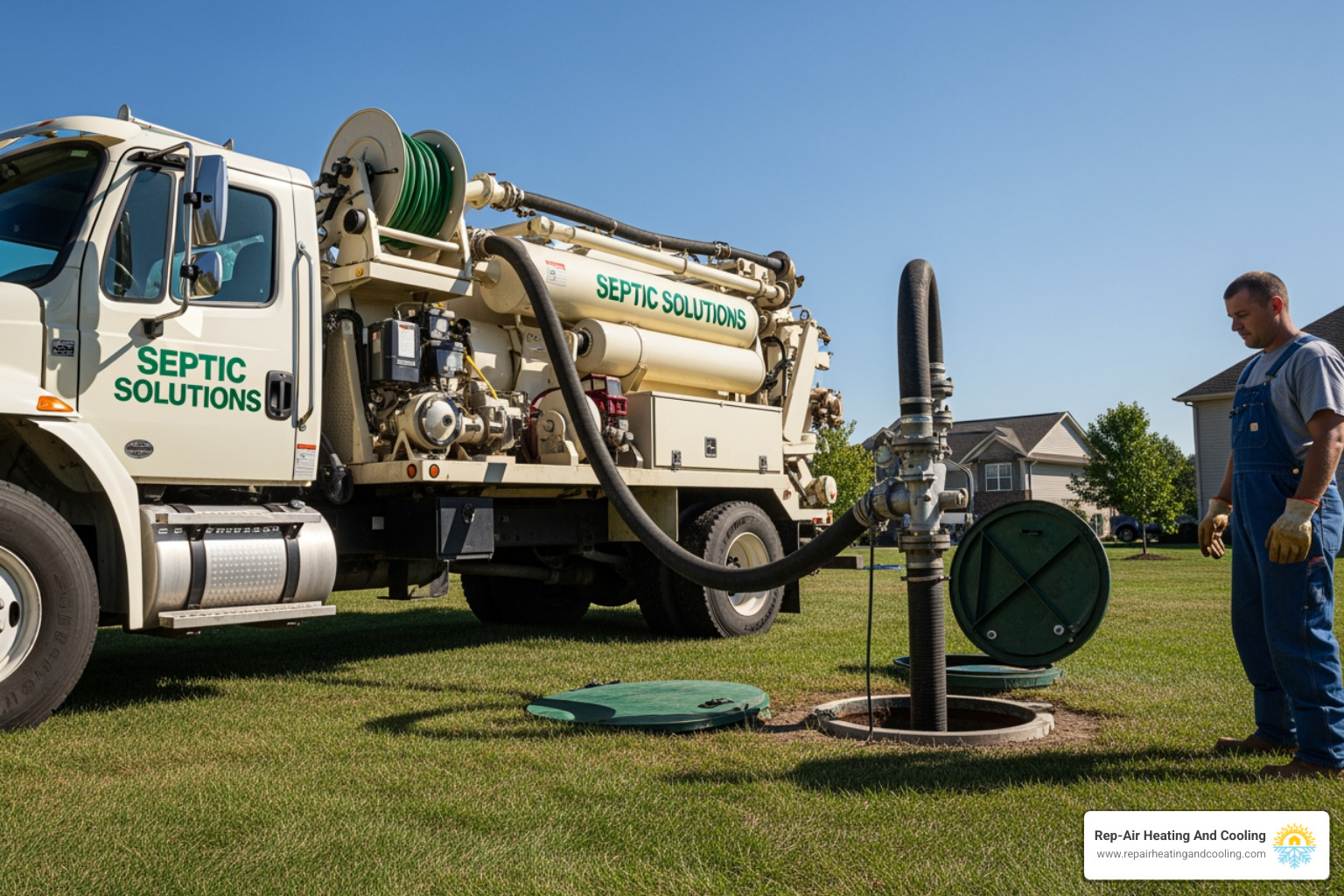
Your septic system works quietly underground, separating solid waste from liquids and filtering wastewater through your drain field. Over time, sludge and scum layers build up in the tank, and when they get too thick, your system can't function properly. That's when you need professional pumping to remove the accumulated waste and keep everything flowing smoothly. Regular maintenance helps you avoid major repairs, protects your property from sewage backups, and supports the life of your entire system.
Whether you're scheduling routine service or noticing warning signs like slow drains or foul odors, knowing what affects pumping service details helps you make informed decisions. This guide explains the main factors that influence your service, what's typically included in a standard pump-out, and how to recognize when your tank needs attention—before small issues become expensive emergencies.
Key Factors That Determine Septic Tank Pumping Services
Understanding the variables that contribute to septic tank pumping services is crucial for any homeowner. The final service isn't just about the act of pumping; it's a blend of several elements, from the physical characteristics of your system to the urgency of the service. We consider factors like the size of your tank, the amount of sludge that has accumulated over time, and how easily our technicians can access your tank. Geographic location within the Lower Mainland also plays a role, as does whether you require emergency services outside of standard hours. Each of these components adds to the overall scope of the work, making every septic pumping job unique.
For effective maintenance, we recommend adhering to a pumping schedule that aligns with your household's needs. While a general guideline exists, your specific situation might necessitate more or less frequent service. Here's a general guide to help you estimate:
| Tank Size (Gallons) | Household Size (People) | Recommended Pumping Frequency |
|---|---|---|
| 1,000 | 1 | 9-12 years |
| 1,000 | 2 | 3-5 years |
| 1,000 | 3-4 | 3-4 years |
| 1,000 | 5 | 2-4 years |
| 1,250 | 3-4 | 3-5 years |
| 1,250 | 5-6 | 2-3 years |
| 1,500 | 5 | 2-3 years |
| 1,750 | 6+ | 2 years |
These are estimates. Your actual frequency may vary based on water usage and whether you use a garbage disposal.
How tank size and type affects pumping services
The size of your septic tank is arguably the most significant factor influencing pumping service. Larger tanks naturally hold more waste, requiring more time and capacity from our pumping trucks, which translates to a more extensive service visit. While a 1,000-gallon tank typically falls into the average service range for many homes, pumping a 1,500-gallon tank will typically involve more time on site. In general, the volume of wastewater your tank can hold provides a baseline for how the work scales.
Beyond just size, the type of septic tank can also subtly influence the pumping process. Septic tanks are commonly constructed from concrete, fiberglass, or plastic. While concrete tanks are known for their durability, plastic tanks offer excellent resistance to rust and corrosion. Fiberglass tanks are lightweight, making installation easier, but they can be more susceptible to cracking under pressure. The material itself doesn't usually change the pumping service directly, but older or damaged tanks made of certain materials might require more careful handling or an initial inspection for integrity, which could add to the overall service time.
The impact of accessibility and location
Imagine trying to pump a septic tank buried under a newly landscaped patio or hidden beneath a dense thicket of bushes. This is where accessibility comes into play, and it can significantly impact your septic tank pumping service. If our technicians have to spend extra time locating the tank, digging through soil, or navigating around obstructions like sheds, decks, or heavy landscaping, that additional labour will be reflected in your service. Installing risers, which bring the tank's access lid to ground level, can be a smart investment. While they might add to the initial appointment, risers can save you time and effort on future pump-outs by eliminating excavation, making each visit simpler.
Geographical location within the Lower Mainland also influences the service. Generally, homeowners in more rural areas might see slightly different travel considerations due to the increased distance our trucks must cover, as opposed to those in more densely populated urban centres. Regardless of where you are in our service areas, from Abbotsford to Willoughby, we strive to provide transparent septic care focused on safety, reliability, and long-term performance.
Why frequency and sludge levels matter
"An ounce of prevention is worth a pound of cure," and this adage certainly applies to septic tank maintenance. Sticking to a regular pumping schedule, typically every three to five years, is one of the best ways to manage your septic tank pumping needs and protect your system. When pumping is delayed, solids accumulate excessively, hardening into a dense sludge layer that's much more difficult and time-consuming to remove. This increased difficulty can require a more extensive pumping process, as it takes longer to properly clean a neglected tank. The EPA's maintenance guidelines emphasize the importance of regular care to prevent such issues.
The level of solid waste in your tank is directly affected by your household's water usage habits and what goes down your drains. Using a garbage disposal, for example, can significantly increase the amount of solid waste entering your septic tank, potentially by up to 50%. This means tanks in homes with garbage disposals may need to be pumped one to two years sooner than those without. Neglecting to pump your tank when it's due can cause the sludge and scum layers to overflow into your drain field, leading to severe and costly damage to the entire system.
Beyond the Pump-Out: Additional Services and Potential Expenses
When we talk about septic tank pumping services, we're often focusing on the basic pump-out. However, your septic system is a complex network, and sometimes additional services are required to ensure its optimal health and longevity. These can range from routine inspections and minor repairs to addressing more significant issues like drain field problems. Understanding these potential add-ons can help you anticipate the full scope of your septic system maintenance.
Inspections, Cleaning, and Minor Repairs
A standard pump-out service typically includes a visual inspection of the tank's interior and components. However, a more detailed inspection might be recommended, especially if you're experiencing issues or if it's been a while since your last service. Many septic tanks also have an effluent filter that prevents solids from entering the drain field, and this filter needs regular cleaning.
Sometimes, components within the tank, like the baffles that direct wastewater flow, can become damaged. These may need replacement to keep the system working properly. If we suspect issues in your sewer lines leading to or from the septic tank, a sewer line camera inspection might be necessary. This advanced diagnostic tool allows us to visually identify blockages, cracks, or other damage. For stubborn clogs or significant buildup in the lines, hydro-jetting, which uses high-pressure water to clear obstructions, might be recommended. These proactive measures, though adding to the immediate visit, can prevent more expensive problems down the line.
Major System Issues and Repairs
Unfortunately, sometimes issues can escalate beyond minor repairs, leading to more substantial interventions. One of the most significant problems is drain field failure, which occurs when the soil in your drain field becomes oversaturated or clogged with solids, preventing it from properly absorbing and treating wastewater. Repairing or replacing a drain field can be a major project.
In some cases, if the drain field is failing but not completely compromised, field aeration might be an option. This process aims to refresh the drain field by introducing air, which can encourage beneficial microbial activity and improve soil absorption. This is a specialized service that requires professional evaluation.
If your septic system backs up, leading to sewage overflowing into your yard or even your home, the cleanup work can be considerable. Some septic systems include a septic pump that moves effluent to the drain field, especially in uneven terrains. If this pump fails, its replacement and proper installation are essential to restore your system. These major repairs highlight the critical importance of regular septic tank pumping and maintenance to avoid catastrophic system failures.
Know When to Call: Signs Your Septic Tank Needs Pumping
Your septic system, while out of sight, often gives us clues when it's struggling. Recognizing these warning signs early can save you from costly emergency repairs and unpleasant surprises. Think of your septic system as your home's unsung hero; when it starts to falter, it's usually trying to tell you something important.
Telltale Signs Inside Your Home
The earliest indicators of a full or struggling septic tank often manifest within your home's plumbing. Pay attention to how quickly water drains from your fixtures. If you notice your toilets are flushing slowly, or sinks and bathtubs are draining sluggishly, it could be a sign that your septic tank is nearing its capacity. It's not just a single slow drain; if multiple fixtures are affected, it points more strongly to a septic system issue rather than a localized clog.
Another auditory clue is gurgling pipes. If you hear strange gurgling sounds coming from your drains, especially after flushing a toilet or running water, it can indicate air bubbles struggling to move through a nearly full tank or a partially blocked pipe. The most alarming sign, and one that demands immediate attention, is sewage backup. If sewage starts backing up into your showers, tubs, or sinks, your septic tank is definitely full and overflowing, requiring urgent professional intervention.
Warning Signs in Your Yard
While internal plumbing issues are often the first signs, your yard can also provide clear indications that your septic tank needs pumping. One of the most unmistakable warnings is the presence of foul odours. If you detect strong, unpleasant sewage smells around your property, particularly near the septic tank or drain field area, it's a clear signal that the tank is full and waste is not being properly contained or treated.
Another common sign is unusually lush, green patches of grass appearing over your drain field. While green grass is usually a good thing, excessively vibrant growth in this specific area can indicate that effluent is surfacing or that the soil is oversaturated with nutrients from the septic waste. This isn't a sign of a healthy lawn; it's a symptom of a struggling septic system. Similarly, standing water or damp, spongy spots in your yard, especially after periods of dry weather, can mean that the drain field is failing and unable to absorb the liquid waste from your tank. If you observe any of these signs, it's time to contact us for a professional assessment.
Frequently Asked Questions about Septic Pumping
We understand you have questions about septic tank maintenance, and we're here to provide clear, straightforward answers.
What factors affect septic tank pumping services?
Septic tank pumping services vary based on your unique property and system. Factors such as the amount of sludge buildup, the accessibility of your tank, and any specific geographic considerations within the Lower Mainland all play a role. For accurate information tailored to your home, it's best to contact us directly for a detailed assessment that explains what's included in the service.
How often should a septic tank be pumped for effective maintenance?
For effective maintenance and to prolong the life of your septic system, we generally recommend pumping your septic tank every three to five years. This is a crucial step in preventing costly system failures. However, this frequency is a guideline and can be influenced by several factors:
- Household size: More people in the home typically means more wastewater generation, leading to faster tank accumulation. A single person with a 1,000-gallon tank might only need pumping every 9-12 years, while a family of five with the same tank could need it every 2-4 years.
- Water usage: High water consumption, even with fewer people, can contribute to faster tank fill rates.
- System size: Larger tanks can naturally go longer between pumpings for the same household size.
Regular check-ups can help us determine the optimal schedule for your specific system and usage patterns.
Is it safe to use septic tank additives to reduce pumping frequency?
When it comes to septic tank additives, caution is key. While many products on the market claim to reduce or eliminate the need for septic pumping, research from institutions like Kansas State University has found that most commercial additives provide limited benefits and cannot replace regular pumping. In fact, the EPA states that "Septic tank additives are not necessary for the proper functioning of a septic system, and some additives may actually harm your system."
Many of these additives contain chemicals that can disrupt the natural bacterial balance essential for your septic system's function, or they might simply pass through without breaking down solids effectively. This can lead to sludge accumulating in your drain field, causing more harm than good in the long run. Our professional advice is to rely on regular, scheduled pumping and good water conservation habits rather than spending money on potentially ineffective or harmful additives.
Protect Your Investment with Professional Maintenance
Skipping regular septic tank pump-outs might seem like a way to save in the short term, but we've seen countless cases where it leads to significantly higher expenses down the road. The dangers of neglecting your septic system are very real, both financially and environmentally. What might have been a routine septic tank pumping service can quickly escalate into a major repair or even a full system replacement if ignored.
Consider the potential impact: emergency pumping typically involves more urgent scheduling and can require additional resources compared with routine maintenance. If a full tank leads to a sewage backup into your home, cleanup and restoration can become extensive. Drain field repairs, often necessitated by overflowing tanks, can be major projects, and complete drain field or full septic system replacement can be a significant investment. These realities clearly illustrate that routine maintenance is truly an investment in preventing catastrophic expenses.
Beyond your wallet, there are serious environmental considerations. Neglected septic systems can lead to contaminated groundwater and surface water pollution, posing health risks and damaging local ecosystems in the Lower Mainland. Untreated wastewater can spread disease and cause significant property damage.
Choosing a reputable professional for your septic maintenance is paramount. Look for companies that are properly licensed and insured, offer transparent service information, and have positive online reviews and significant experience in your local area. At Rep-Air Heating And Cooling, we focus on your comfort, safety, and peace of mind, offering attentive customer service and comprehensive maintenance plans for all your home's essential systems.
For all your plumbing needs, including expert septic tank pumping and maintenance, schedule a service with our experts today. For all your plumbing needs, schedule a service with our experts
hear what our satisfied clients have to say
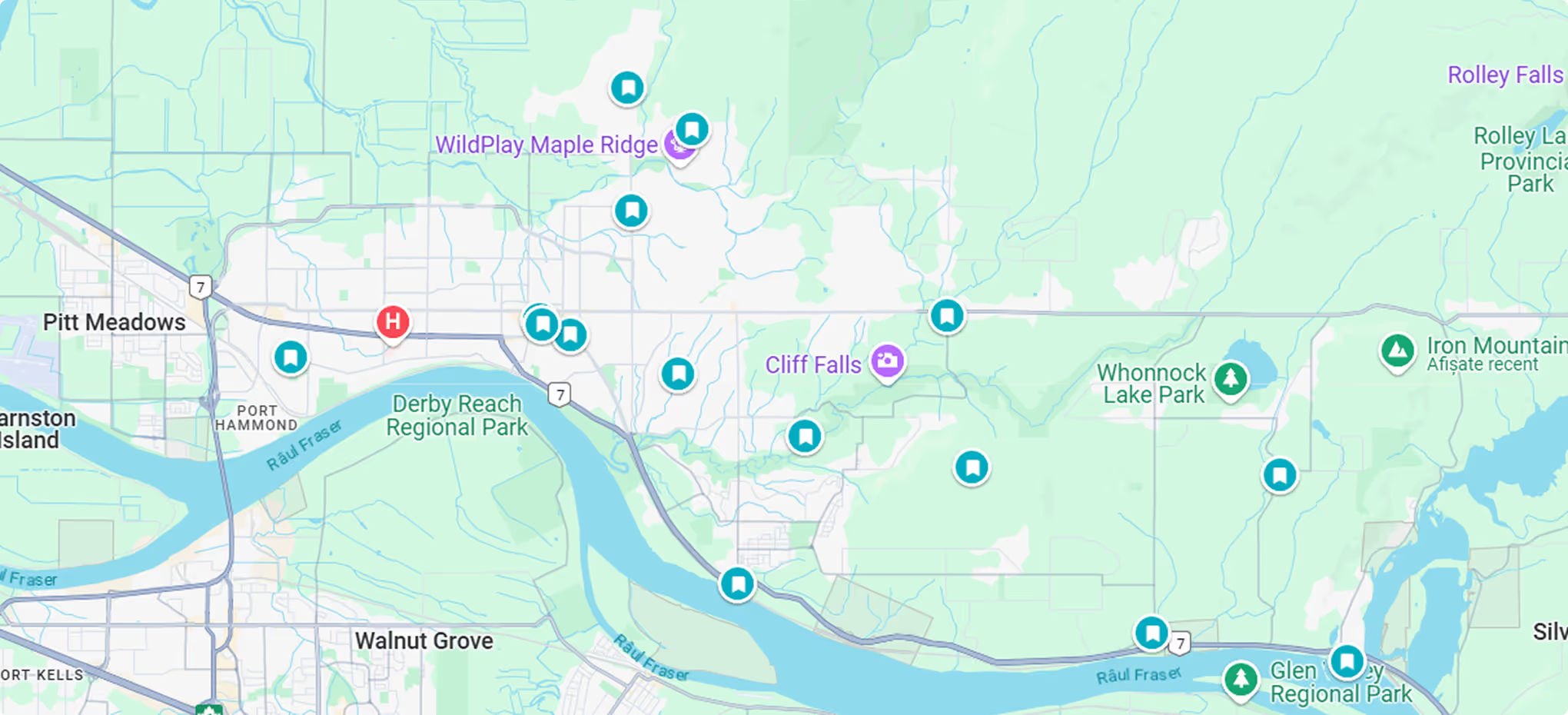
Neighbourhoods in the Fraser Valley