Chilly Air from Your Heat Pump? A Fort Langley Homeowner's Guide to Fixing It
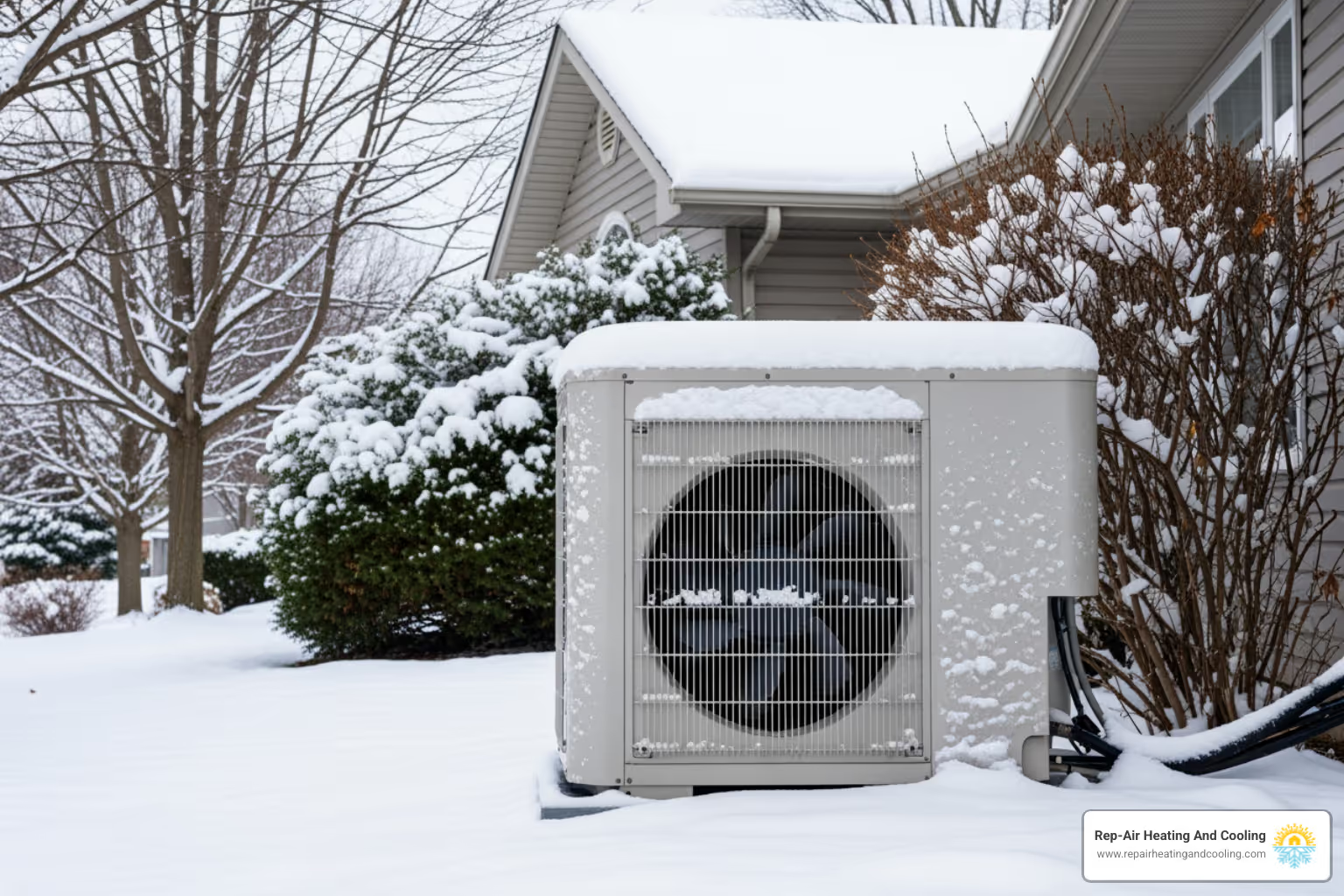
Why Your Heat Pump Might Be Blowing Cold Air
When your heat pump blowing cold air in fort langley, bc happens on a chilly January morning, it's frustrating. You expect warmth, but instead, you feel cool air from your vents. This is a common problem for homeowners in Fort Langley, where average winter temperatures hover around 3°C and damp conditions put extra strain on heating systems. The good news? Many cold air issues have simple fixes you can try yourself before calling for help.
Quick Answer: Why Is My Heat Pump Blowing Cold Air?
Your heat pump might be blowing cold air for these common reasons:
1. Defrost Cycle - The system temporarily switches to cooling mode to melt ice on the outdoor unit (normal for 10-15 minutes)
2. Wrong Thermostat Setting - It's set to "cool" mode or the fan is on "ON" instead of "AUTO"
3. Clogged Air Filter - Dirty filters block airflow and can freeze the indoor coil
4. Refrigerant Leak - Low refrigerant prevents proper heat transfer
5. Stuck Reversing Valve - The system can't switch from cooling to heating mode
If you've checked your thermostat and filter but still have cold air, you might need heat pump service in Fort Langley, BC. For immediate help, contact Rep-Air Heating And Cooling to restore your comfort quickly.
This guide walks you through simple troubleshooting steps you can do yourself, explains the deeper problems that need a professional, and shows you how to prevent cold air issues in the future.
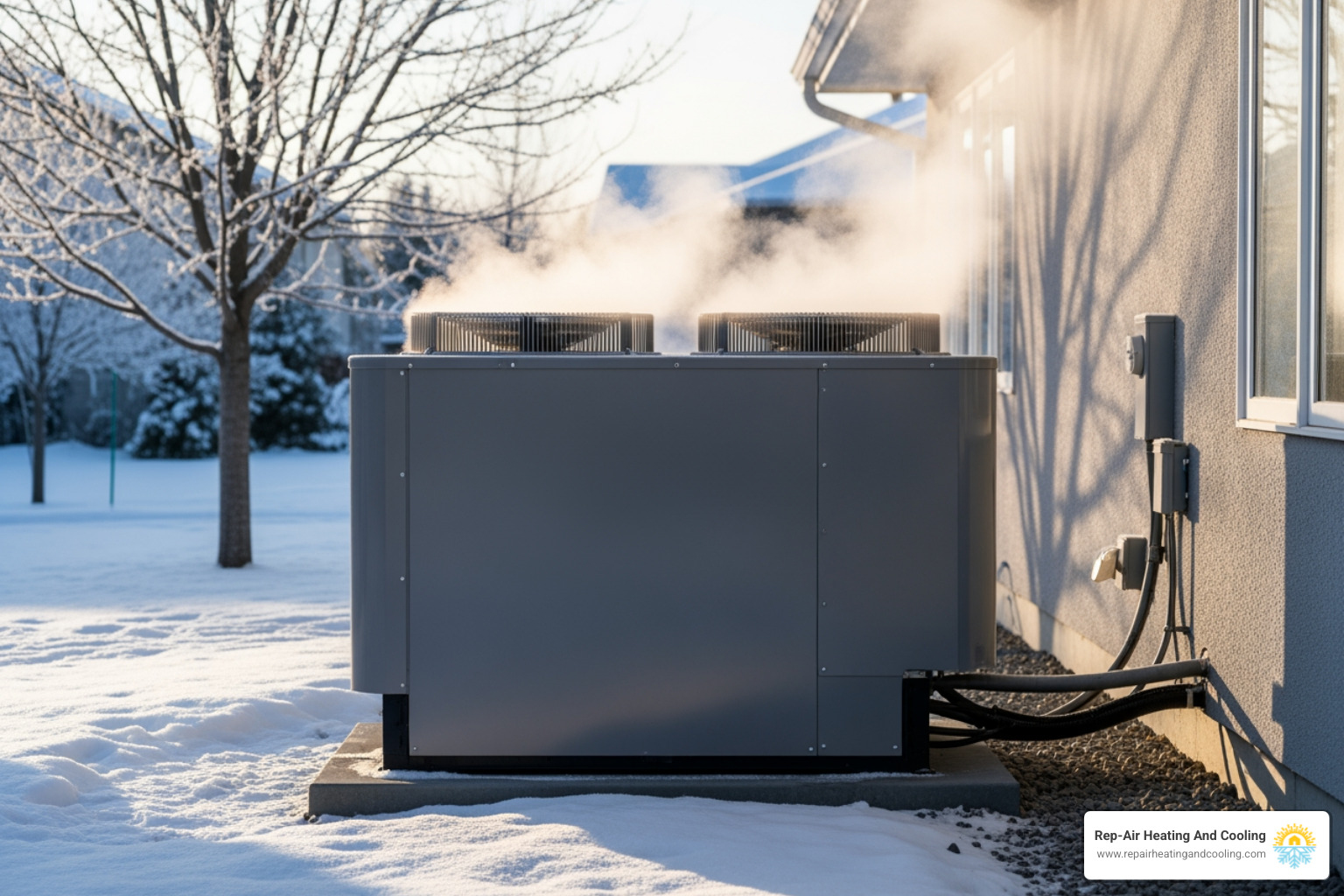
DIY Troubleshooting Steps for Your Fort Langley Heat Pump
Before you reach for your phone to call for help, there are several simple checks you can do yourself. We've found that many cold air problems have surprisingly easy fixes – and honestly, we love it when our customers can solve things on their own! These basic troubleshooting steps take just a few minutes and might save you a service call. Even if they don't solve the problem completely, they'll give you valuable information to share with us if you do need heat pump service in Fort Langley, BC.

Check Your Thermostat Settings First
You'd be surprised how often we arrive at a home only to find the thermostat is set to the wrong mode. It happens to everyone – there's no need to feel embarrassed! Your thermostat controls everything your heat pump does, so starting here makes perfect sense.
First, check the mode. Make sure your thermostat shows "HEAT" and not "COOL" or "AUTO." If it's accidentally switched to cooling mode, well, that explains the cold air! It sounds obvious, but it's easy to bump these settings accidentally, especially if you have curious kids or pets.
Next, look at the fan setting. This one catches a lot of people. If your fan is set to "ON" instead of "AUTO," it runs constantly – even when your heat pump isn't actively heating. That means you'll feel room-temperature or cooler air blowing from your vents between heating cycles. Switch it to "AUTO" so the fan only runs when your system is actually heating or cooling.
If you have a programmable thermostat, take a moment to review any schedules you've set up. Large temperature swings can actually work against heat pumps. BC Hydro recommends a "set it and forget it" approach for heat pumps in our climate. Instead of big daily adjustments, try keeping your temperature steady with only small seasonal changes of 1-2°C. This helps your heat pump run more efficiently.
Finally, check the batteries if your thermostat uses them. Dead or dying batteries can cause all sorts of communication problems between your thermostat and heat pump. A quick battery swap might be all you need to restore your warmth!
Inspect for a Clogged Air Filter
Think of your air filter as your heat pump's lungs. When they're clogged with dust and debris, your system simply can't breathe properly. A dirty filter is one of the most common reasons we see for a heat pump blowing cold air in fort langley, bc – and it's also one of the easiest to fix.
When your filter gets packed with dust, pet hair, and other particles, it chokes off the airflow to your system. Your heat pump has to work much harder to pull air through that blockage. In fact, a clogged filter can reduce airflow by up to 50%! With restricted airflow, your heat pump can't transfer heat effectively. Even worse, severely reduced airflow can cause the evaporator coils inside your unit to freeze up, which definitely results in cold air instead of the cozy warmth you're expecting.
We've lost count of how many service calls turned out to be nothing more than a dirty filter. It's such a simple fix, but it makes a huge difference! Natural Resources Canada recommends you replace or wash your filters regularly – most manufacturers suggest checking monthly and replacing at least every 90 days. If you have pets or allergies, you might need to change them even more often.
Regular filter maintenance is something we always check during a heat pump tune-up in Fort Langley, BC. It's that important for both your comfort and your indoor air quality.
Examine the Outdoor Unit
Your outdoor unit works hard to extract heat from the outside air – yes, even when it feels cold to us! But when this unit gets blocked by debris or weather, it can't do its job properly. That's when you end up with a heat pump blowing cold air in fort langley, bc.
Take a quick walk outside and give your outdoor unit a good look. Has it become a collection point for fallen leaves, grass clippings, twigs, or other yard debris? Clear away anything within at least two feet around the unit on all sides. Your heat pump needs good airflow to operate efficiently.
Fort Langley's winter climate brings its own challenges. According to Vancouver's climate normals, we typically see December temperatures around 3.6°C and January around 4.1°C, with lots of rain and occasional cold snaps. While we don't get buried in snow like other parts of Canada, we do see accumulation sometimes.
If you spot snow around your unit, gently brush it away from the sides and top. Notice ice buildup on the coils? Don't try to chip it off – you could damage the delicate fins and coils. Instead, turn your heat pump off at the thermostat and let the ice melt naturally. You can gently rinse the exterior fins with a garden hose (from top to bottom, low pressure only) to remove surface dirt, but avoid spraying directly at electrical components.
Keeping your outdoor unit clear is one of the simplest ways to prevent cold air problems and keep your system running smoothly.
Understanding Deeper Heat Pump Problems
If you've gone through the DIY checks and your heat pump blowing cold air in fort langley, bc persists, it's time to look beneath the surface. Some issues are more complex and require a trained eye to diagnose properly. These aren't problems you can fix with a quick thermostat adjustment or filter change—they involve the inner workings of your heat pump system. Let's explore what might be happening inside your unit.
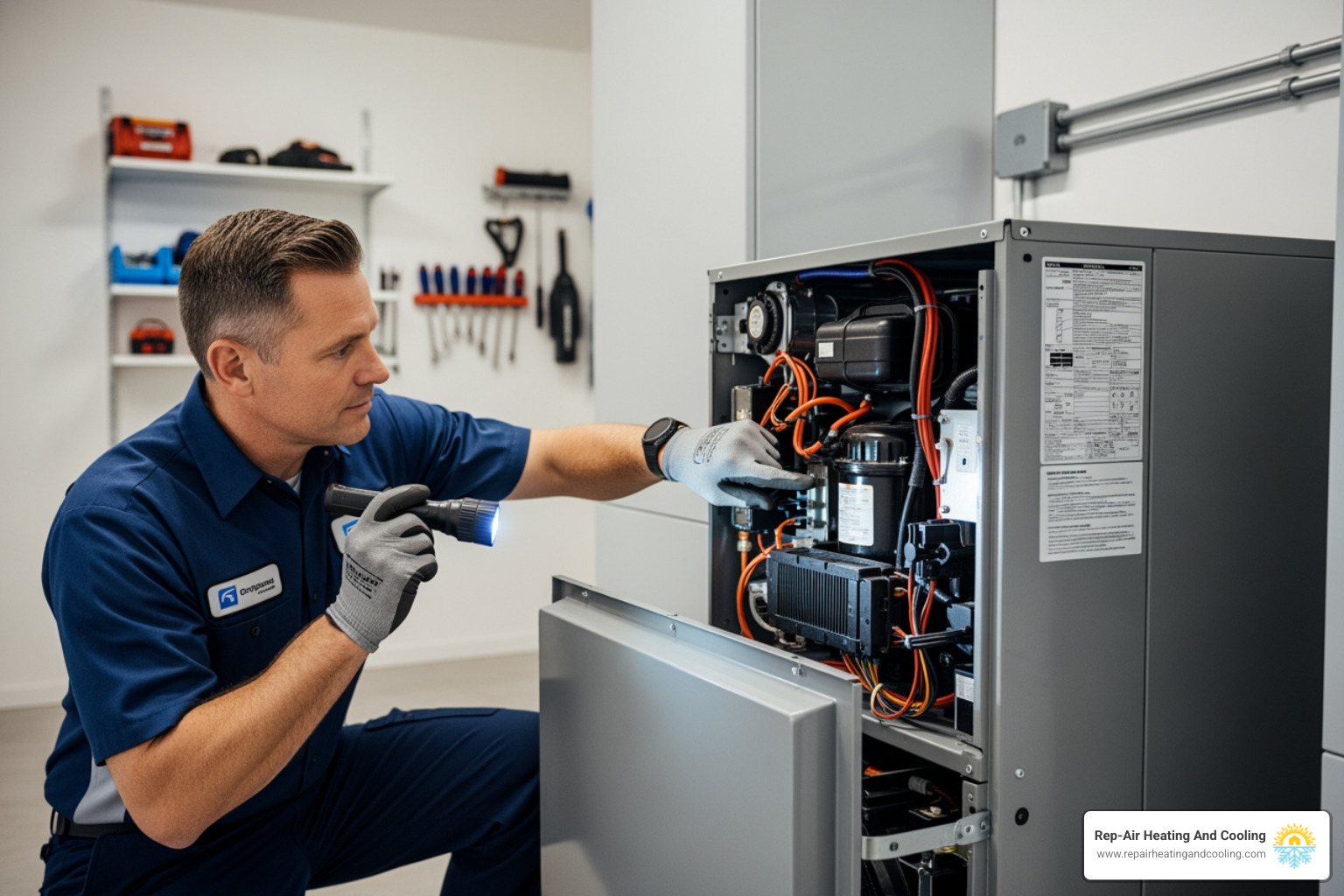
How the Defrost Cycle Affects Airflow in Fort Langley's Climate
Here's something that surprises many homeowners: your heat pump is supposed to blow cool air sometimes! In Fort Langley's damp winter climate, where temperatures hover just above freezing and moisture hangs in the air, your outdoor unit faces a unique challenge. As it extracts heat from the outside air, that moisture can freeze on the outdoor coil, forming a layer of frost or ice that blocks airflow and reduces efficiency.
Your heat pump has a clever solution built right in—the defrost cycle. Every so often, usually when sensors detect ice buildup, your system temporarily reverses itself. It switches into cooling mode and sends warm refrigerant to the outdoor coil to melt away the ice. You might notice steam rising from your outdoor unit during this process, which looks dramatic but is completely normal!
Here's the catch: while your heat pump is busy melting ice outside, the indoor fan keeps running. The air circulating through your vents during these 10-15 minutes won't be warm—it'll feel cool or even slightly cold. This is temporary and nothing to worry about. Once the ice clears, your system switches back to heating mode and warm air returns.
However, if your heat pump seems stuck in an endless defrost cycle, or if heavy ice builds up and never fully clears, that's a sign something's wrong with the defrost control system. That's when you'll want to call in a professional to investigate further.
Signs of a Refrigerant Leak in a heat pump blowing cold air in fort langley, bc
Think of refrigerant as the blood flowing through your heat pump's veins. It's what actually carries heat from one place to another, whether you're heating or cooling your home. Your heat pump was charged with a specific amount of refrigerant when it was installed, and because it operates in a sealed system, that refrigerant should last the lifetime of your unit. If levels drop, there's almost certainly a leak somewhere.
A refrigerant leak is one of the most common reasons for persistent cold air problems. When refrigerant levels fall too low, your heat pump simply can't transfer enough heat to warm your home effectively. You might notice hissing or bubbling sounds coming from your indoor or outdoor unit as refrigerant escapes through a crack or loose connection. Frozen coils are another telltale sign—low refrigerant causes pressure drops that make the coils get far too cold, even when the system isn't in a defrost cycle.
Your heating performance will noticeably decline. The air from your vents feels lukewarm at best, and your home never quite reaches the temperature you've set. You might also spot oily residue around refrigerant lines or components, since refrigerant contains a small amount of oil that can leave visible spots where it leaks.
This is definitely not a DIY situation. Handling refrigerant requires specialized training and equipment—in fact, an EPA-certified HVAC professional is required for handling refrigerant by law. A trained technician can safely locate the leak, repair it properly, and recharge your system to the correct level. Ignoring a refrigerant leak will only make things worse, potentially damaging your compressor—the heart of your heat pump—which could mean needing a full heat pump replacement in Fort Langley, BC instead of a simple repair.
What is a Reversing Valve and How Can It Fail?
The reversing valve is one of those brilliant little components that makes heat pumps so versatile. It's essentially a four-way valve that acts like a traffic cop for your refrigerant, directing it to flow in different directions depending on whether you want heating or cooling. When you switch your thermostat from cool to heat, the reversing valve changes the refrigerant's path so your heat pump can reverse its operation. Pretty neat engineering!
But like any mechanical part, reversing valves can fail. When they do, the results are frustrating. If the valve gets stuck in cooling mode, your heat pump will keep trying to cool your home even when you desperately need heat. You'll feel nothing but cold air coming from your vents, no matter what your thermostat says.
Sometimes you'll hear the problem before you feel it. Loud clicking or buzzing noises from the outdoor unit when your system tries to switch modes often indicate the valve is struggling or stuck. The system might work fine in one mode but refuse to switch to the other—cooling works but heating doesn't, or vice versa.
Diagnosing and replacing a reversing valve requires professional expertise. It involves working with refrigerant lines and specialized components that aren't safe or practical for homeowners to tackle. If you suspect your reversing valve is the culprit behind your heat pump blowing cold air in fort langley, bc, it's time to call in the experts who have the tools and training to fix it properly. A qualified technician can quickly determine if the reversing valve is the problem or if something else is causing your cold air issues.
When to Call a Professional for a Heat Pump Blowing Cold Air in Fort Langley, BC
We love empowering homeowners to handle simple fixes themselves. But sometimes, trying to be a DIY hero can actually make things worse and cost you more in the long run. When your heat pump blowing cold air in fort langley, bc continues despite your troubleshooting efforts, or when certain red flags appear, it's time to bring in the experts.
Think of it this way: you wouldn't perform surgery on yourself, right? Some heat pump issues are complex enough that they need the trained eye and specialized tools of a professional. Here's when you should absolutely reach out to us for heat pump repair in Fort Langley, BC.
Persistent cold air is the most obvious sign. You've done everything right – checked your thermostat settings, swapped out that dirty filter, cleared debris from around the outdoor unit – but your home is still chilly and that cold air keeps coming. At this point, the problem is beyond basic troubleshooting and needs professional diagnosis.
Loud grinding, screeching, or banging noises are your heat pump's way of crying for help. These sounds aren't normal! They often signal serious mechanical problems like a failing motor, worn bearings, or even a struggling compressor. The longer these issues go unaddressed, the more damage occurs.
Electrical issues should always be taken seriously. If your heat pump repeatedly trips its circuit breaker, don't just keep resetting it and hoping for the best. This is your electrical system telling you something is seriously wrong – either an electrical fault or a system that's drawing too much power. Both scenarios are safety hazards that require immediate professional attention.
System short cycling happens when your heat pump turns on and off in rapid succession, never completing a full heating cycle. This puts tremendous strain on your system and can be caused by everything from improper sizing to refrigerant problems to electrical faults. Short cycling dramatically reduces your system's lifespan and efficiency.
Visible ice formation beyond what you'd see during a normal defrost cycle is another red flag. Heavy ice buildup that doesn't melt, or ice on your indoor coils, points to deeper problems like low refrigerant levels or a malfunctioning defrost system.
If you suspect a refrigerant leak based on the signs we discussed earlier – hissing sounds, frozen coils, oily residue, or reduced heating capacity – professional service isn't just recommended, it's legally required. Only EPA-certified technicians can legally handle refrigerant, and for good reason. It's both a safety and environmental concern.
Consequences of Ignoring a heat pump blowing cold air in fort langley, bc
Life is busy and budgets are tight, so it's tempting to put off calling for service when your heat pump is still technically running, even if it's not working properly. But ignoring a heat pump blowing cold air in fort langley, bc is like ignoring a car's "check engine" light—the problem doesn't go away, it just gets worse and more expensive to fix.
Higher energy bills are usually the first consequence you'll notice. A struggling heat pump works overtime trying to heat your home, guzzling electricity in the process. What could have been a simple, affordable repair now costs you extra money every single month on your utility bills. We've seen homeowners shocked to find their heating costs doubled or even tripled because they delayed getting their system serviced.
Compressor damage is where things get really expensive. The compressor is essentially your heat pump's heart, and it's also its most expensive component. Many of the issues that cause cold air – low refrigerant, short cycling, frozen coils – put immense stress on the compressor. When it finally gives up, you're often looking at a repair bill that approaches the cost of a new system. Sometimes heat pump replacement in Fort Langley, BC becomes the only viable option.
Complete system failure is the inevitable endpoint if problems are ignored long enough. That cold air turns into no air at all, and suddenly you're dealing with an emergency repair situation during the coldest week of winter. Emergency service calls are stressful for everyone, and complete breakdowns are almost always more expensive to fix than the original problem would have been.
Safety risks shouldn't be overlooked either. Electrical faults can create fire hazards. While residential refrigerant leaks aren't typically acutely dangerous to your family, they do require proper handling by certified professionals for both safety and environmental reasons.
Beyond dollars and cents, there's the simple matter of comfort and well-being. Your home should be your warm, cozy refuge, especially during Fort Langley's damp winter months. Living in a cold house isn't just uncomfortable – it can affect your family's health, sleep quality, and overall happiness.
The good news? All of these consequences are completely avoidable. Addressing heat pump issues promptly protects your investment, extends your system's lifespan, keeps your family comfortable and safe, and ultimately saves you money. Our team at Rep-Air Heating And Cooling is here to help with any HVAC concerns. Whether you need immediate repairs or comprehensive Fort Langley BC HVAC service, we're just a phone call away – and we'll treat you like family when you reach out.
Preventing Cold Air Issues: Maintenance for Fort Langley Heat Pumps
The best offense is a good defense, and that certainly applies to preventing your heat pump blowing cold air in fort langley, bc. Think of it this way: you wouldn't skip oil changes for your car and expect it to run perfectly, right? Your heat pump deserves the same care and attention, especially given Fort Langley's damp winter conditions that can really put these systems through their paces.
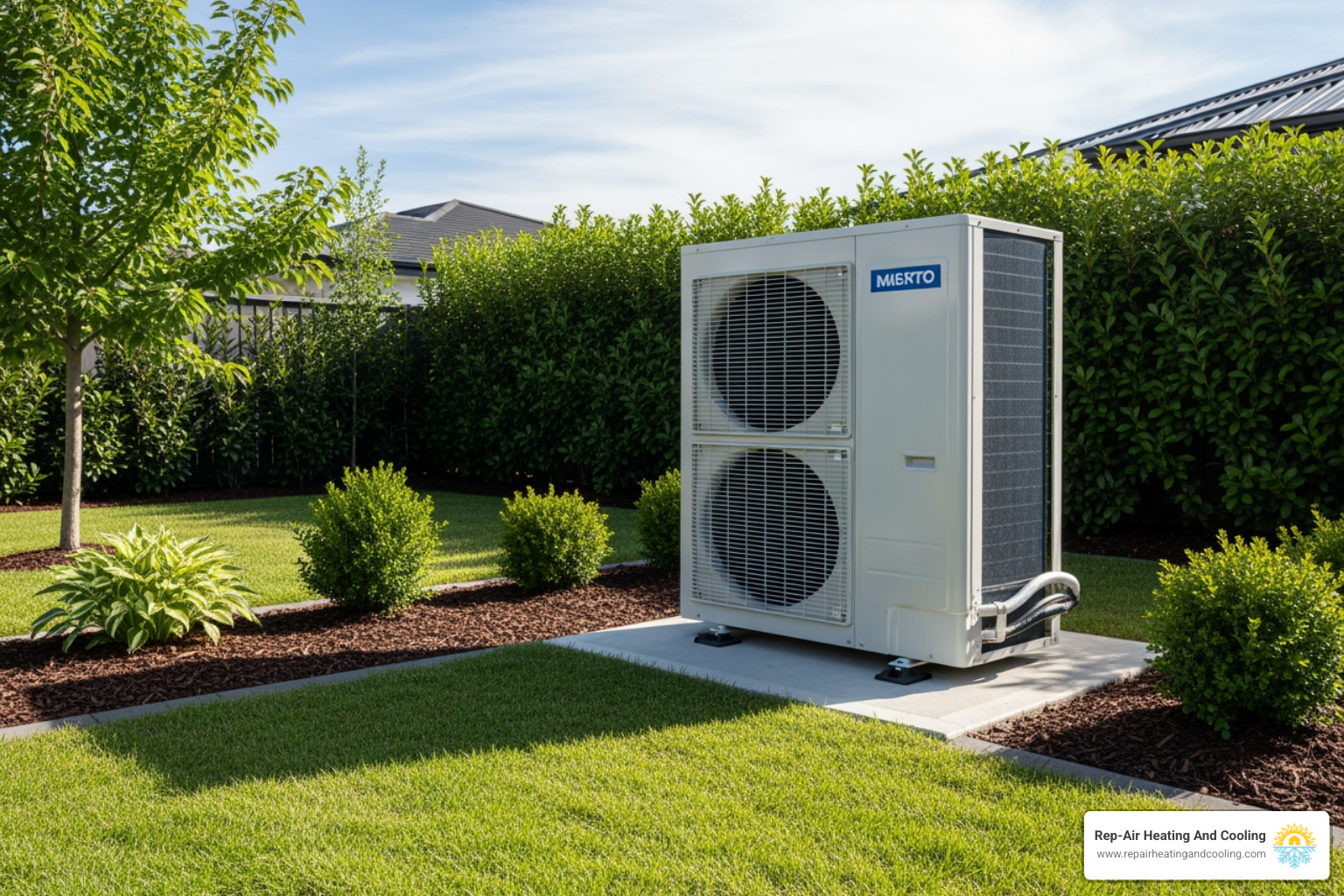
Annual professional tune-ups are hands-down the most important thing you can do for your heat pump. We recommend scheduling a comprehensive inspection before the heating season begins – usually in late fall. During these visits, our technicians check refrigerant levels and look for leaks, inspect all electrical connections, clean both indoor and outdoor coils, test the reversing valve and defrost operation, verify thermostat accuracy, examine ductwork for leaks, and ensure all safety controls work properly. Routine heat pump maintenance can prevent leaks by catching small issues before they turn into expensive emergencies. It's amazing how many problems we can spot and fix during these visits that homeowners never even knew existed.
Between professional visits, there's plenty you can do yourself. Keep up with your filter maintenance by checking it monthly and replacing or washing it every one to three months, depending on how much you use your system and whether you have pets or allergies. This simple task makes a huge difference in how efficiently your heat pump operates and how well it heats your home.
Your outdoor unit needs regular attention too. Walk around it every few weeks and clear away any leaves, grass clippings, twigs, or other debris that might have accumulated. Keep at least two feet of space clear all around the unit so air can flow freely. During those occasional Fort Langley cold snaps when we get snow, gently brush it away from the unit to keep it running smoothly. Don't forget to check the condensate drain line periodically – standing water or algae growth means there's a blockage that needs attention.
Inside your home, make sure all your supply registers and return air grilles stay open and unblocked. We've seen too many cases where furniture, rugs, or heavy drapes were blocking vents, causing all sorts of heating problems that could have been easily avoided.
By staying on top of these maintenance tasks, you're not just preventing your heat pump blowing cold air in fort langley, bc – you're extending your system's lifespan, keeping your energy bills lower, and ensuring your family stays comfortable year-round. If your system is getting older and maintenance visits are becoming more frequent, it might be time to consider a heat pump installation in Fort Langley, BC for better efficiency and reliability. Our team at Rep-Air Heating And Cooling is always here to help with professional heat pump maintenance in Fort Langley, BC to keep your system running at its best.
Your Partner for Year-Round Comfort in Fort Langley
When you're dealing with your heat pump blowing cold air in fort langley, bc on a frosty morning, it's more than just an inconvenience – it's a disruption to your family's comfort and daily routine. We get it. Your home should be your warm sanctuary, especially during those damp Fort Langley winters when the temperature hovers just above freezing and the moisture in the air seems to seep into everything.
Throughout this guide, we've walked through the common culprits behind cold air issues, from simple thermostat mix-ups and clogged filters to more complex problems like refrigerant leaks and reversing valve failures. The good news is that many of these issues start with straightforward DIY troubleshooting steps you can try yourself. Checking your thermostat settings, inspecting your air filter, and clearing debris from your outdoor unit are all within reach for most homeowners and can often solve the problem quickly.
But here's the thing – when those DIY checks don't resolve the issue, or when you notice warning signs like persistent cold air, unusual noises, or electrical problems, that's when professional expertise becomes essential. Some heat pump problems simply require the specialized knowledge, tools, and certifications that only licensed HVAC technicians possess. Trying to tackle refrigerant leaks or electrical faults on your own isn't just ineffective – it can be dangerous.
That's where we come in. At Rep-Air Heating And Cooling, we've built our reputation on treating every customer like family. Our team of skilled, licensed technicians brings years of experience to every service call, whether it's a quick diagnostic visit or a comprehensive system overhaul. We understand Fort Langley's unique climate challenges – the dampness, the temperature swings, the occasional cold snaps – and we know exactly how these conditions affect your heat pump's performance.
We're not just here for emergency repairs, though we're absolutely ready when you need us most. We believe the best way to avoid those cold air surprises is through regular, proactive maintenance. Our comprehensive heat pump maintenance in Fort Langley, BC plans are designed to catch small issues before they become big, expensive problems. Think of it as preventive care for your home comfort system – a small investment that pays dividends in reliability, efficiency, and peace of mind.
Whether you need routine maintenance to keep your system humming along, a repair to restore warmth to your home, or expert advice on your heating concerns, we're here for you. Don't let a malfunctioning heat pump leave your family shivering. For reliable, expert service that keeps your Fort Langley home comfortable all year round, reach out to the professionals for your heat pump service in Fort Langley, BC. We're your neighbors, your partners in home comfort, and we're just a phone call away.
hear what our satisfied clients have to say
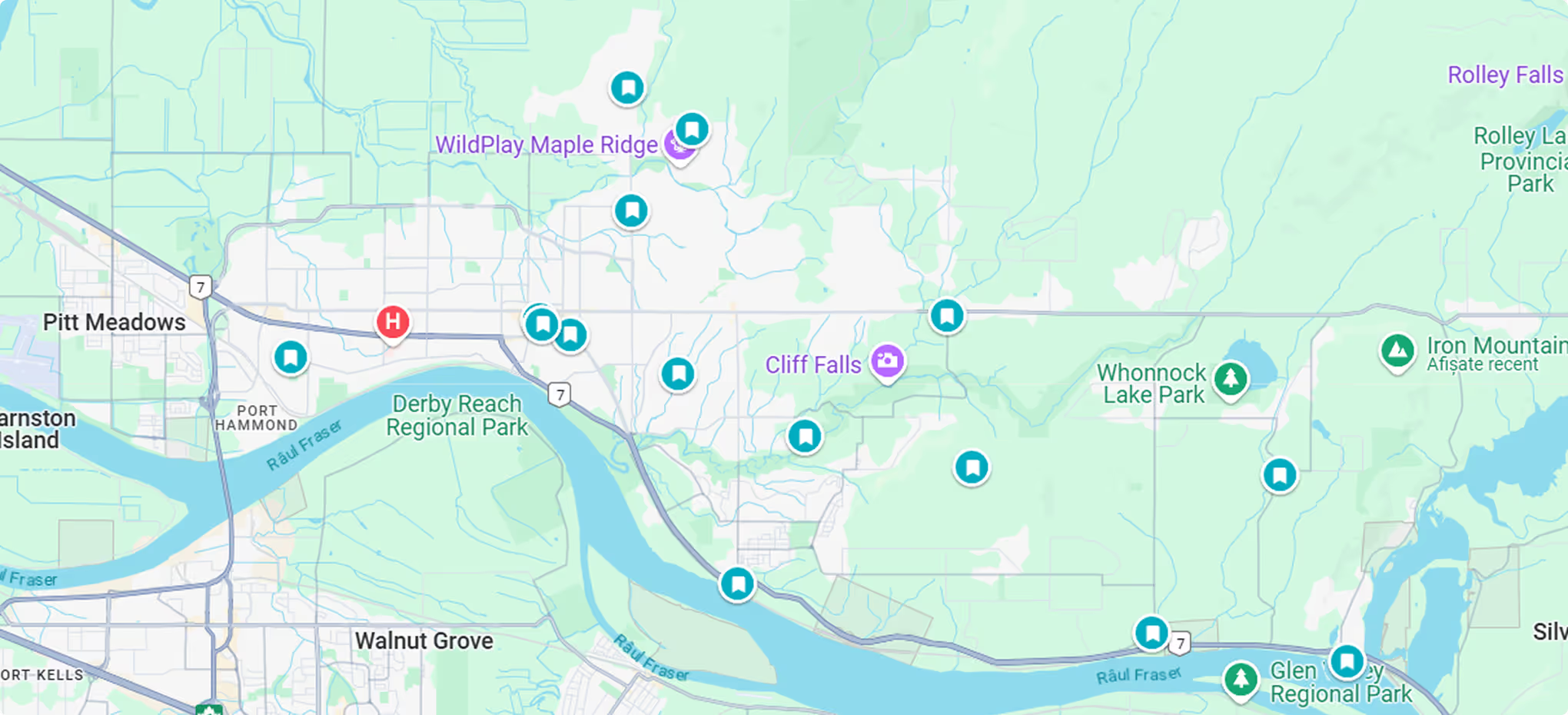
Neighbourhoods in the Fraser Valley