The Ultimate Guide to How Ductwork Evaluation Affects Your AC Installation
Why Ductwork Evaluation Matters Before Your AC Installation in Abbotsford, BC
Understanding how ductwork evaluation affects your AC installation is one of the most important things a homeowner can do before investing in a new cooling system. Many homeowners in Abbotsford, BC focus entirely on choosing the right AC unit — but if the ductwork carrying that conditioned air through your home is leaky, undersized, or poorly insulated, even a brand-new system will underperform from day one.
Think of it this way: your AC unit generates the cool air, but your ducts deliver it. A weak delivery system means wasted energy, uneven temperatures, and a system that works harder than it should. Research shows leaky ducts can waste 20–40% of conditioned air before it ever reaches your living spaces.
Here is a quick summary of how ductwork evaluation directly impacts your AC installation:
• Energy efficiency — Leaky or poorly insulated ducts force your new AC to run longer, driving up energy bills
• Equipment sizing — Duct condition affects which AC unit size is actually right for your home
• Comfort and airflow — Undersized or blocked ducts cause hot and cold spots throughout your home
• System lifespan — Poor airflow puts extra strain on your blower motor and other components, leading to earlier breakdowns
• Indoor air quality — Gaps and cracks in ducts can pull in dust, allergens, and moisture from attics or crawl spaces
For homeowners in Abbotsford, BC and across the Lower Mainland, getting a professional ductwork evaluation before finalizing your AC installation is not an optional step — it is the foundation of a system that actually performs the way you expect it to.
Why Ductwork Evaluation is Critical for Your New AC Performance
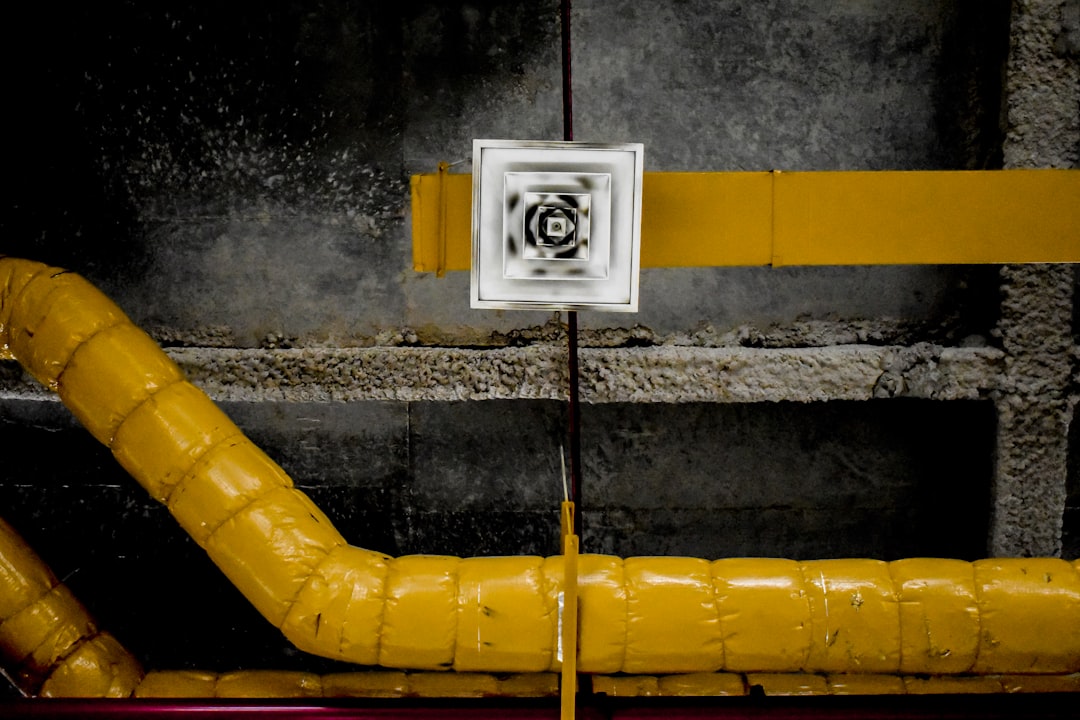
When we talk about how ductwork evaluation affects your AC installation, we are really talking about the "circulatory system" of your home. You wouldn't put a high-performance racing engine into a car with a clogged fuel line and expects it to win a trophy. Similarly, even the most advanced, high-SEER2 air conditioner will struggle if it's connected to a failing duct system.
In our experience serving families from Langley, BC to Mission, BC, we've seen that the AC Installation Process Explained Step-by-Step must always begin with a thorough look at what's happening behind your walls and in your attic.
Airflow Delivery and Static Pressure
The primary job of your ducts is to move a specific volume of air. This is measured in Cubic Feet per Minute (CFM). Modern high-efficiency systems often require more precise airflow than the older units they replace. If your ducts are too small, they create high "static pressure." Think of this like trying to breathe through a tiny cocktail straw while running a marathon. It's exhausting!
For your AC, high static pressure leads to:
• Blower Motor Strain: The motor has to work twice as hard to push air through restricted passages, leading to premature failure.
• Reduced Longevity: A system that is constantly under stress won't last the 15+ years it's designed for.
• Noisy Operation: That whistling or "whooshing" sound you hear is often the result of too much air trying to squeeze through too little space.
Balanced Distribution
A professional evaluation ensures that the air isn't just moving, but moving to the right places. We look at the balance between "supply" ducts (which blow cold air in) and "return" ducts (which pull warm air out). If these aren't balanced, you'll end up with some rooms feeling like the Arctic while others feel like a sauna. By evaluating the ducts first, we can ensure your new installation delivers uniform comfort to every corner of your home.
Common Issues Found During a Professional Ductwork Assessment
During a standard Air Conditioning Installation Guide consultation in places like Maple Ridge, BC or Pitt Meadows, BC, we often uncover "hidden" problems that would have sabotaged a new unit. Here are the most frequent offenders:
Leaky Connections and Disconnects
It is a startling statistic, but the average home can lose up to 30% of its conditioned air due to improper duct installation or aging seals. Over time, the vibrations of the system and the expansion/contraction of materials cause joints to pull apart. We often find ducts in attics or crawl spaces that have completely disconnected, meaning you are paying to cool your spiders and insulation rather than your bedroom.
Undersized Duct Runs
Many older homes in the Lower Mainland were built with ductwork designed only for heating. Since cold air is heavier and harder to move than warm air, those same ducts might be too small for a modern AC system. If we don't catch this during the evaluation, your new AC might "freeze up" because the air isn't moving fast enough across the cooling coils.
Crushed or Kinked Flex Duct
Flexible ductwork is common because it's easy to install, but it's also easy to damage. We frequently find sections that have been stepped on by previous contractors or kinked during original construction. A 12.5% reduction in airflow can actually lead to a 24% loss in cooling capacity!
Insulation Gaps
In May 2026, as we head into the warmer months, duct insulation is vital. If your ducts run through an unconditioned attic, the air inside them can warm up by 8 to 15 degrees before it even hits your vents if the insulation is thin or missing.
• Durability — Rigid Metal Ducting: Extremely High — Flexible Ducting: Moderate/Low
• Airflow Efficiency — Rigid Metal Ducting: Superior (Smooth interior) — Flexible Ducting: Lower (Ribbed interior)
• Leakage Risk — Rigid Metal Ducting: Low (if sealed with mastic) — Flexible Ducting: Moderate (prone to punctures)
• Resistance to Pests — Rigid Metal Ducting: High — Flexible Ducting: Low
• Best Use — Rigid Metal Ducting: Main trunks & long runs — Flexible Ducting: Tight spaces & final connections
How Ductwork Evaluation Affects Your AC Installation and Equipment Sizing
One of the most technical ways how ductwork evaluation affects your AC installation is in the "Manual D" and "Manual J" calculations. These aren't just fancy letters; they are the industry standards for ensuring your equipment matches your home.
If we perform an AC Installation Pitt Meadows, BC without checking the ducts, we might install a 3-ton unit because the square footage suggests it. However, if the ductwork can only handle the airflow of a 2-ton unit, that 3-ton machine will "short cycle"—turning on and off rapidly. This doesn't just waste energy; it fails to remove humidity, leaving your home feeling "sticky" even if it's cool.
Equipment Capacity and Return Air
We also evaluate "return air adequacy." Your AC can only blow out as much air as it can pull in. Many homes have plenty of supply vents but only one small return grate. This creates a vacuum effect that starves the system. Evaluating this before installation allows us to add a return or enlarge an existing one, ensuring the new AC can "breathe" properly.
Identifying How Ductwork Evaluation Affects Your AC Installation Efficiency
Modern SEER2 (Seasonal Energy Efficiency Ratio) standards are higher than ever. To reach those high efficiency ratings, the system needs perfect airflow. If we connect a high-efficiency unit to leaky ducts, you might be paying for a 18-SEER system but only getting the performance of a 13-SEER unit.
In the Lower Mainland, where we are conscious of our environmental footprint and energy bills, preventing thermal loss in unconditioned spaces is key. Proper sealing (using mastic sealant and metal tape, never just "duct tape") and R-8 insulation are often recommended following a professional evaluation to ensure you get every bit of efficiency you paid for.
Understanding How Ductwork Evaluation Affects Your AC Installation Air Quality
We spend a lot of time indoors, especially when it's smoky or humid outside. Your ducts act as a filter for your whole house.
• Dust and Allergens: Leaky return ducts in an attic can suck up fiberglass particles, dust, and insulation, blowing them directly into your living room.
• Humidity Management: Properly sized ducts allow the AC to run long enough to pull moisture out of the air. If the ducts are wrong, the air stays damp, which can lead to mold growth.
• Strategic Vent Positioning: During an evaluation, we might find that a vent is located behind a door or in a corner where it can't circulate air. We use What You Need to Know about airflow patterns to suggest better placements during the install.
Signs Your Existing Ducts Need Attention Before a New Install
How do you know if you need a deep dive into your ducts? Before we come out for an AC Installation Campbell Valley, BC, keep an eye (and ear) out for these red flags:
1. The "Dust Bunny" Parade: If you clean your house and a layer of dust returns to your surfaces within a day, your ducts are likely leaky or filthy.
2. Uneven Temperatures: If the kitchen is a fridge but the upstairs bedroom is a furnace, your ductwork layout or balance is failing.
3. Whistling or Rattling: Noisy air is a cry for help. It usually means the ducts are undersized or have loose sections.
4. Sky-High Bills: If your energy costs are rising but your habits haven't changed, you're likely losing 20-40% of your air to the attic.
5. Visual Clues: Look at your vents. Do you see dark streaks on the ceiling around them? That's "ghosting," caused by unconditioned air leaking through gaps and leaving dirt behind.
We always recommend looking at our Preventative Furnace Maintenance Guide as well, because the same ductwork serves your heating system. What helps the AC in the summer will help your furnace in the winter!
Airflow Restriction Indicators
• Vents that barely blow air even when the system is on "High."
• Air filters that get "sucked in" or bowed toward the furnace.
• Rooms that feel "stuffy" or have stagnant air.
Frequently Asked Questions about Ductwork and AC Installation
Can I use my existing ductwork with a high-efficiency AC unit?
In many cases, yes! However, it must be tested first. Modern high-efficiency coils are often denser, which creates more resistance. We perform a "static pressure test" to see if your current ducts can handle the "push" required by a new unit. If they are in good shape, a simple cleaning and sealing might be all you need. If they are over 20 years old or significantly undersized, replacement might be the smarter long-term investment.
How long does a professional ductwork evaluation take?
A thorough evaluation usually takes between 1 to 2 hours. We don't just glance at the vents; we get into the attic or crawl space, check the plenum, measure the static pressure, and inspect the joints. This small investment of time can save you thousands of dollars in energy waste over the life of your new AC.
Will fixing my ducts help reduce noise from my new AC system?
Absolutely. Most "noisy" AC systems aren't actually the fault of the outdoor unit; it's the sound of air struggling to move through the ducts. By resizing restricted runs or securing loose metal joints, we can make your home significantly quieter. A well-installed system should be a "whisper," not a "roar."
Conclusion
At Rep-Air Heating And Cooling, we believe that your home comfort is a "whole-system" equation. Simply swapping out a box in your yard isn't enough to guarantee the cool, crisp air you deserve during an Abbotsford, BC summer. By focusing on how ductwork evaluation affects your AC installation, we ensure that your investment is protected, your energy bills stay low, and your family breathes cleaner air.
Whether you are in Chilliwack, BC, Mission, BC, or Langley, BC, our expert technicians treat every home like it's our own. We don't just move inventory; we design comfort solutions that last. If you're ready to upgrade your cooling and want to make sure it's done right from the inside out, we are here to help.
Book your AC installation in Silver Valley, BC or anywhere in the Lower Mainland today, and let's make sure your home's "circulatory system" is ready for the heat!
hear what our satisfied clients have to say
Neighbourhoods in the Fraser Valley