Electrical in Abbotsford, BC
Restore Safety and Reliability to Your Home’s Electrical System
Dealing with a sudden power outage, a tripping breaker, or needing an urgent electrical panel upgrade to handle modern appliances can disrupt your routine and create significant safety risks. Rep-Air Heating and Cooling provides fast, licensed electrical service in Abbotsford to restore safety and reliability without delay. Contact us immediately to schedule a diagnostic or discuss flexible financing options. Our team identifies the true source of your electrical fault and provides long-lasting solutions—not temporary patches. Whether you’re in a heritage home requiring a wiring retrofit or a modern property needing EV charger installation, we ensure your electrical system meets Canadian Electrical Code requirements and local safety standards.
We offer rapid response for emergencies 24/7, comprehensive services from outlet repairs to 200-amp upgrades, transparent operations with up-front pricing, and guaranteed safety backed by licensed, insured electricians.
Immediate Electrical Solutions for Your Property
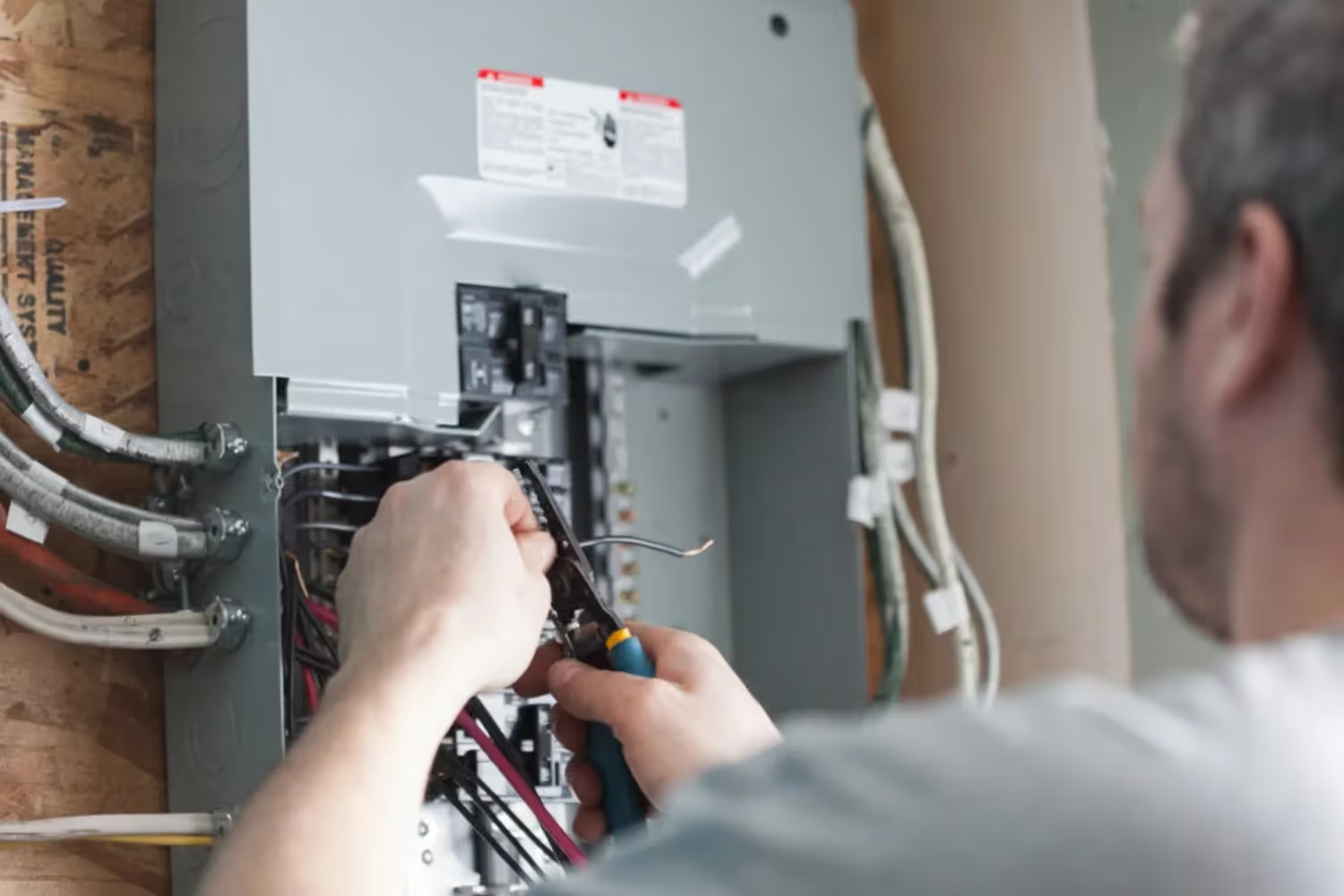
When you need electrical service, the priority is restoring functionality and safety right away. Electrical problems differ from other home issues because delays can cause fire hazards, electrocution risks, and appliance failures. Rep-Air Heating and Cooling streamlines the entire process to deliver safe, efficient, and high-stakes electrical repairs. Our team arrives in fully stocked service vehicles prepared to resolve most issues on the first visit. After arrival, a licensed electrician performs a thorough safety inspection, evaluates load calculations, verifies grounding, and begins repairs using certified techniques. This reduces downtime, eliminates delays, and ensures your system is restored correctly the first time.
Electrical Panel Upgrades and Service
Your electrical panel is the core of your home’s power distribution, and many Fraser Valley homes still rely on outdated 60-amp or 100-amp panels incapable of supporting today’s high-demand appliances and HVAC systems. Rep-Air Heating and Cooling provides complete panel upgrade and repair services:
Essential Panel Services
- Service Amperage Increases: Upgrading to 200 amps ensures safe operation of heat pumps, hot tubs, EV chargers, and major appliances.
- Breaker Replacement: We replace buzzing, hot, or worn breakers to restore safe and reliable operation.
- Panel Relocation: We move panels to compliant, accessible locations to meet modern code regulations.
Wiring and Rewiring Solutions
Faulty or outdated wiring remains one of the leading causes of residential electrical fires. Rep-Air Heating and Cooling specializes in identifying hazards and replacing unsafe wiring methods.
Wiring Services
- Aluminum Wiring Remediation: Homes built from the 1960s–1970s often contain aluminum wiring, which can loosen and overheat. We offer pig-tailing or full rewiring.
- Knob and Tube Replacement: Older homes using knob-and-tube wiring lack grounding and present shock and fire risks; we remove and replace these systems safely.
- Whole-Home Rewiring: We replace aging electrical circuits throughout the home to ensure grounded, code-compliant, and reliable power everywhere.
Lighting and Outlet Enhancements
Electrical upgrades often blend safety, efficiency, and visual improvement. Rep-Air Heating and Cooling provides installations that enhance functionality and appearance.
Lighting and Outlet Services
- GFCI and AFCI Installation: We install shock-preventing and fire-preventing outlets throughout your home.
- Recessed and LED Lighting: Modern LED upgrades reduce heat output and energy use.
- Dedicated Circuits: Heavy-draw appliances receive dedicated lines to prevent overloads and breaker trips.
The Rep-Air Heating and Cooling Installation & Repair Process
Electrical work is tightly regulated in BC, and our team follows a structured process to meet Technical Safety BC standards.
How Our Process Works
- Initial Assessment & Load Calculation: We evaluate your panel capacity and any needed upgrades before repairs begin.
- Permitting & Compliance: We handle all required electrical permits to ensure smooth inspections and insurance compliance.
- Execution & Installation: Power is safely disconnected, wiring is routed, and all materials are installed using industry-grade components.
- Testing & Verification: After re-energizing your system, we verify voltage stability, grounding, and polarity.
- Final Inspection & Walkthrough: We coordinate inspector sign-offs and provide a full explanation of your upgrades with documentation.
When to Choose Electrical Repair vs. Replacement
Homeowners often struggle to choose between repairing an issue or committing to a full system upgrade. Rep-Air Heating and Cooling helps you make the safest and most cost-effective decision.
When Repair Makes Sense
Repair is ideal for localized issues in relatively modern systems under 20 years old—such as isolated outlet failures, occasional breaker trips from known overloads, or individual fixture malfunctions caused by loose connections.
When Replacement Is the Better Option
Replacement becomes necessary when electrical components are outdated, recalled, or unsafe—such as obsolete FPE or Zinsco panels, widespread flickering lights, burning odors, scorched outlets, or ungrounded two-prong outlets that require full rewiring.
Local Considerations for Electrical Work in Abbotsford & the Fraser Valley
Electrical needs in the region must account for climate, BC Hydro requirements, and the area's mix of older and modern homes. Rep-Air Heating and Cooling understands these local nuances.
Regional Factors
- Weatherproofing & Outdoor Power: We install weather-resistant components rated for BC’s high precipitation.
- BC Hydro Coordination: For 200-amp upgrades, we manage disconnection and reconnection scheduling with BC Hydro.
- Heritage Home Regulations: Renovations may require full code updates; we guide homeowners through these requirements.
- Heating Load Demands: With electric heating common in winter, we ensure your service can handle seasonal power demands.
Why Professional Electrical Service Matters
Electrical failures often happen behind the walls, meaning improper work can go unnoticed until a major hazard occurs. Rep-Air Heating and Cooling prioritizes the critical, unseen details of electrical safety.
Safety, Training & Future-Proofing
Our technicians undergo continuous training, use insulated tools and arc-flash gear, and torque all connections to manufacturer specifications. We also help you plan for future electrical needs—such as solar, workshops, or EV expansions—by designing systems that grow with your home.
Accountability & Warranty Protection
We provide complete documentation, essential for insurance and property records. Unauthorized electrical work can void insurance coverage. Rep-Air Heating and Cooling protects homeowners with licensed service and warranties on both labor and parts.
Secure Your Home’s Electrical System Today
Electrical issues worsen over time and should never be ignored. Whether you need emergency repairs, rewiring, or a complete panel upgrade, Rep-Air Heating and Cooling delivers dependable, code-compliant, and safe electrical solutions. Restore your safety and power—schedule your service or request a quote today.
hear what our satisfied clients have to say
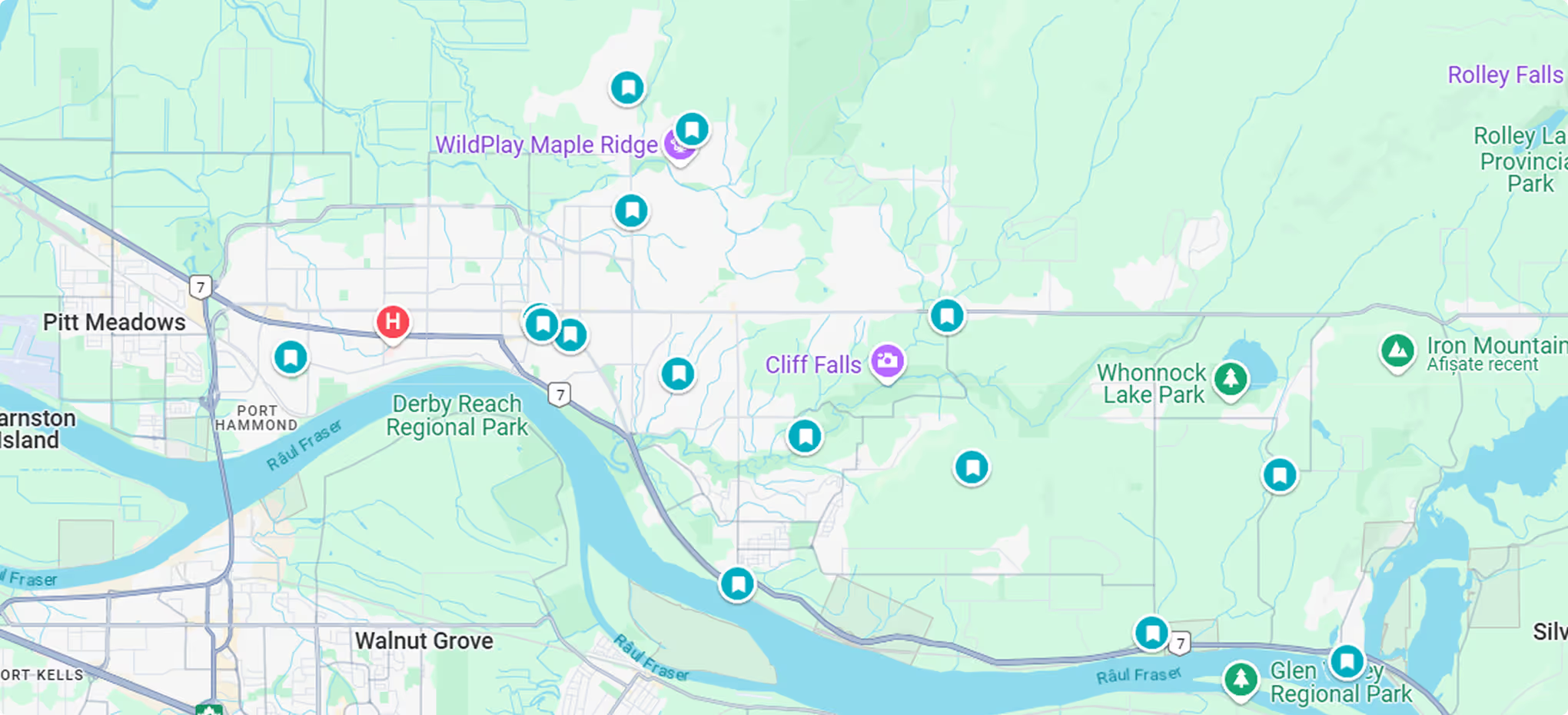
Neighbourhoods in the Fraser Valley