Heat Pump Repair & Service in Mission, BC
Is Your Heat Pump Struggling With Mission’s Damp Climate?
When your heat pump starts freezing up, switching modes poorly, making odd noises, or falling behind on comfort in Mission, BC, you need a repair plan that gets specific. Rep-Air Heating and Cooling uses certified experience and honest service to perform a targeted inspection, eliminate the problem, and help keep the issue from coming back. Heat pump problems affect comfort in every season, and we respond quickly to get performance back on track.
.avif)
Noticing Inconsistent Temperatures in Your Home
One of the first things you might notice is that certain rooms feel significantly colder or warmer than others. In many Mission homes, especially those with additions or unique layouts on sloped lots, the heat pump has to work precisely to maintain an even flow of air.
If you find yourself constantly adjusting the dial only to have one bedroom feel like an icebox while the living room stays muggy, the system is likely failing to move heat effectively. This is often a sign of a failing blower motor or a calibration issue that needs professional attention before the whole unit shuts down.
Why Your Outdoor Unit is Covered in Ice
The damp, cool winters in Mission create the perfect environment for outdoor coils to gather frost, but there is a major difference between a light dusting and a solid block of ice. Your system is designed to run a defrost cycle to clear away normal frost, but when that cycle fails, ice builds up and chokes the unit.
If you see a thick layer of ice on your outdoor unit, it means the heat pump can no longer pull heat from the outside air. This usually points to a bad defrost control board or low refrigerant levels, both of which require a technician to diagnose and fix properly to prevent permanent compressor damage.
Strange Grinding or Squealing Noises
Your heat pump should generally run with a predictable, low-level hum that fades into the background of your daily life. When you start hearing metallic grinding, loud clanking, or high-pitched squealing, it is a clear warning that a mechanical part is on the verge of total failure.
These sounds often come from failing bearings in the fan motor or a compressor that is struggling to circulate refrigerant. Ignoring these noises usually leads to a much more expensive Heat Pump Installation & Replacement once the internal components finally seize up or burn out.
Unexpected Spikes in Your BC Hydro Bill
A heat pump is one of the most efficient ways to climate-control a home in the Fraser Valley, so a sudden jump in your electricity bill is a huge red flag. When a component like a capacitor or a sensor begins to fail, the system has to run much longer cycles to reach the desired temperature.
You might not notice the extra run time at first, but you will definitely notice the cost when your monthly statement arrives. We often find that a system in need of Heat Pump Repair & Service is pulling twice the electricity it should just to keep up with basic demand.
Musty Odors Circulating Through the Vents
Because our local climate is so humid, your heat pump’s indoor coil has to work hard to remove moisture from the air during the cooling months. If the condensate drain line becomes clogged or the coil itself is filthy, that trapped moisture becomes a breeding ground for mold and mildew.
If you smell a dirty sock or musty odor whenever the air kicks on, it is a sign that the drainage system has failed. This doesn't just smell bad; it actively lowers your indoor air quality and can trigger allergies for everyone living in the house.
The System is Short Cycling Frequently
Short cycling is when your heat pump turns on and off every few minutes without ever completing a full heating or cooling cycle. This puts an incredible amount of wear and tear on the electrical components and the compressor, which are not designed for that kind of rapid-fire operation.
In Mission’s shoulder seasons, where temperatures can swing wildly throughout the day, a system needs to be perfectly calibrated to handle the load. Short cycling is often caused by an overheating motor or a faulty thermostat, and it will eventually lead to a total system lockout if it isn't addressed.
What is Actually Happening Inside Your Heat Pump?
Failed Defrost Control Boards and Sensors
In our specific part of British Columbia, the defrost system is arguably the most critical part of your heat pump during the winter months. The control board uses sensors to monitor the temperature of the outdoor coils and decides when to reverse the flow of refrigerant to melt away ice.
If a sensor fails or the board itself shorts out, the unit will stay in heating mode until it is completely encased in ice. We see this frequently in Mission, and the fix involves testing the electrical resistance of the sensors and replacing the control board to ensure the unit can breathe again.
Refrigerant Leaks in the Coils
Your heat pump relies on a specific charge of refrigerant to move heat from one place to another, and this should be a closed, permanent loop. Over time, the vibration of the system or the salt and moisture in the air can cause tiny pinhole leaks in the copper coils.
Once the refrigerant level drops, the system loses its ability to transfer heat, causing it to run constantly and eventually freeze up. Our technicians use specialized tools to find these leaks, repair the lines, and then carefully recharge the system to the manufacturer’s exact specifications.
Worn Out Start Capacitors and Contactors
Most of the Heat Pump Repair & Service calls we go on involve small electrical parts called capacitors and contactors. Think of the capacitor like a battery that gives the motors the "kick" they need to start, while the contactor is the switch that sends power to the unit.
Mission's temperature swings mean these parts click on and off thousands of times a year, and they eventually just wear out or "pop." Replacing these is a relatively straightforward job, but if you leave a failing capacitor in place, it can cause the expensive fan motor or compressor to overheat and fail.
Blocked Condensate Drainage Systems
The high humidity in the Fraser Valley means your heat pump produces a lot of water as it dehumidifies your home. This water is supposed to flow through a plastic drain line to the outside or a floor drain, but dust and microbial growth can easily plug these lines.
When the line plugs, the water backs up into the drain pan, which can overflow and cause water damage to your floors or ceiling. Many modern systems have a safety switch that will shut the whole unit down if it detects a backup, which often leaves homeowners wondering why their heat is suddenly off.
What to Expect During Your Heat Pump Repair Visit
When one of our technicians arrives at your Mission home, the first thing we do is listen to your description of the problem. We treat your home with respect, using floor protectors and ensuring we leave the work area as clean as we found it. We don't just look at the part that broke; we look at the entire system to understand why it failed in the first place.
We perform a full diagnostic check, measuring electrical draws, checking refrigerant pressures, and inspecting the airflow through your ductwork. Because many homes in the area use a combination of systems, we might also look at your indoor air quality setups or check if a Furnace Repair & Service is needed if you have a hybrid or dual-fuel system. Our goal is to give you a complete picture of your unit's health.
Once the problem is identified, we will sit down with you and explain the situation in plain language. We provide a clear, upfront price for the repair before we ever start the work, so there are no surprises when the job is done. Rep-Air Heating and Cooling technicians carry a wide range of common parts on their trucks, meaning we can often get your heat pump back up and running during the very first visit.
When to Consider Other Options for Your Comfort
While we always try to fix what you have, there are times when a repair doesn't make financial sense. If your heat pump is more than 15 years old and needs a major part like a compressor or a new outdoor coil, we might discuss the benefits of a Heat Pump Installation & Replacement. Newer units are significantly more efficient and often qualify for local rebates through BC Hydro or FortisBC, which can help offset the cost.
If your system is still in good working order but keeps having small, nagging issues, it might just be overdue for some professional attention. Many of the emergency calls we receive in Mission could have been avoided with a regular Heat Pump Maintenance & Tune-Up. Keeping the coils clean and the electrical connections tight is the best way to ensure your system survives the damp winters and humid summers without an unexpected breakdown.
In some cases, homeowners find that their existing ductwork isn't up to the task of heating a newer addition or a renovated basement. If that's the case, we might suggest looking into Mini Split Repair & Service or a new ductless installation to supplement your main system. Whatever the situation, we focus on providing the most practical and cost-effective solution for your specific home layout.
The Risks of Ignoring Heat Pump Issues
It is tempting to ignore a strange noise or a slightly higher bill, but heat pump problems never get better on their own. In Mission’s climate, a small drainage issue can lead to significant mold growth inside your ductwork in just a few weeks. What started as a simple cleaning job can quickly turn into a major indoor air quality crisis for your family.
Furthermore, a heat pump that is struggling due to a minor electrical fault or low refrigerant is putting massive strain on the compressor. The compressor is the heart of your system, and if it fails due to being overworked, the cost of the repair often doubles or triples. Taking care of a small Heat Pump Repair & Service now protects the much larger investment you've made in your home’s HVAC system.
Delaying repairs also leaves you vulnerable to a total system failure during a cold snap or a summer heatwave. When everyone in the Fraser Valley is calling for service at the same time, you don't want to be stuck waiting in a cold house for a part that could have been replaced months ago. Being proactive keeps your energy costs down and ensures your home remains a comfortable place to be, regardless of the weather outside.
Your Reliable Team for Mission Heat Pump Service
We know that every home in Mission is different, from the older ranchers near the downtown core to the modern builds overlooking the river. Our technicians live and work in this community, and we understand exactly how the local humidity and temperature patterns affect your heating and cooling equipment. We are committed to providing honest, expert service that gets your home back to the right temperature quickly and efficiently.
Whether you are dealing with a frozen outdoor unit, a system that won't stop cycling, or a sudden spike in your utility costs, we have the tools and experience to find the root cause. We take pride in our workmanship and our ability to explain the technical side of things so you can make the best decision for your home. Rep-Air Heating and Cooling is ready to provide the professional diagnosis and repair your home deserves.
hear what our satisfied clients have to say
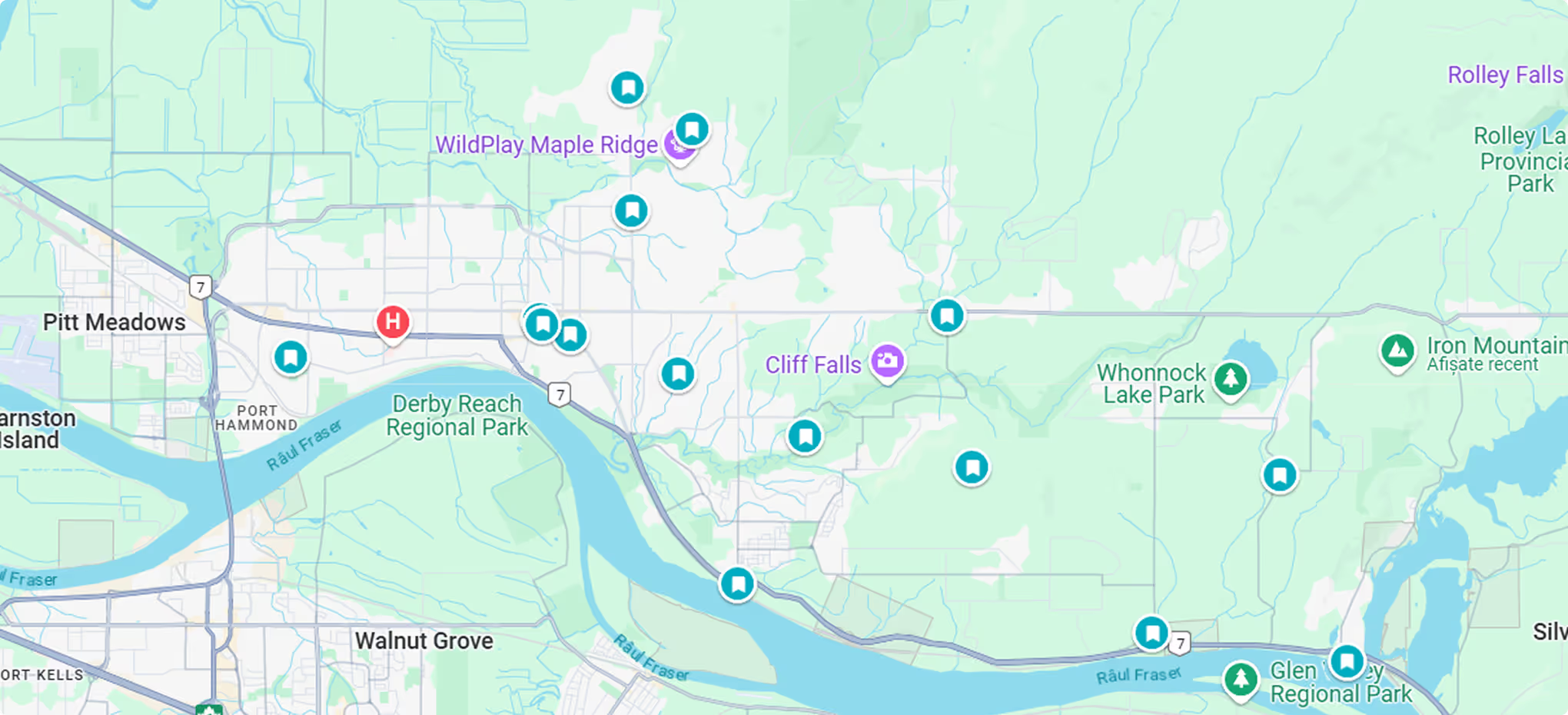
Neighbourhoods in the Fraser Valley