Heat Pump in Hammond, BC
Eliminate Inconsistent Temperatures and Rising Energy Bills
Battle the damp chill of winter and the increasing humidity of summer with a single, versatile climate control system. Homeowners in Hammond and the surrounding areas often struggle with aging furnaces or expensive baseboard heating that fails to provide uniform comfort. For immediate consultation and to discuss your options, contact us or call our office to schedule a site visit.
Modern heat pump technology offers a dual-purpose solution that handles both heating and cooling requirements efficiently. Rather than generating heat through combustion, these systems transfer thermal energy, making them significantly more efficient than traditional gas furnaces or electric resistance heating. Rep-Air Heating and Cooling specializes in designing systems that match the specific thermal load of your property, ensuring you stop overpaying for energy you do not use.
- Rapid Installation Response: We offer quick scheduling to restore comfort immediately, with emergency service options available when your current system fails unexpectedly.
- Financial Flexibility: Access extensive warranties and flexible financing plans that make upgrading your HVAC infrastructure a manageable investment.
- Efficiency and Rebates: Our high-efficiency systems lower monthly utility bills and meet the strict criteria for local and provincial government rebates.
All installations are fully permitted, warranty-backed, and optimized to qualify for significant energy rebates available in British Columbia.

Comprehensive Service Details – From Consultation to Completion
A heat pump installation is more than just swapping out a box unit; it is a full upgrade to your home’s energy profile. When you engage a professional team for this service in Hammond, you receive a complete assessment of your home's envelope, ductwork, and electrical capacity. The goal is to install a system that runs quietly, maintains a constant temperature, and filters indoor air effectively.
Assessment and Sizing
An undersized unit will run constantly without reaching the desired temperature, while an oversized unit will "short cycle," leading to wear and tear and humidity issues. We perform a detailed load calculation to determine the exact BTU requirements for your specific floor plan. This ensures the equipment operates at peak efficiency even during the coldest snaps or heat waves.
Types of Systems Installed
- Ducted Air-Source Heat Pumps: These connect to existing ductwork, replacing your central furnace and air conditioner. They are ideal for homes with adequate crawl spaces or basements where ducting is already present.
- Ductless Mini-Splits: Perfect for older homes in Hammond that rely on baseboard heating. These systems utilize wall-mounted heads controlled independently, offering zoned comfort without the need for major renovation to add ducts — view our gallery.
- Cold Climate Models: Standard heat pumps can lose efficiency below freezing. We prioritize cold-climate models designed to maintain 100% heating capacity even when outdoor temperatures drop significantly, eliminating the need for expensive backup heat strips in most scenarios.
Our Seamless Installation Process: What to Expect
Professional installation prevents the common issues that plague DIY or amateur setups, such as refrigerant leaks, drainage failures, and electrical hazards. We follow a strict protocol to ensure every component adheres to safety codes and manufacturer specifications.
Site Protection and Preparation:
- Technicians arrive on time and lay down drop cloths to protect flooring and furniture.
- The workspace is cleared, and safety disconnects are verified before any work begins.
Removal of Existing Equipment:
- If replacing an old unit, we safely recover any existing refrigerant according to environmental regulations.
- Old equipment is disconnected from gas lines (if applicable) and electrical panels, then removed from the property for proper recycling.
System Positioning and Mounting:
- The outdoor condenser is placed on a composite pad or wall bracket to keep it elevated above anticipated snow levels.
- Proper clearance is established to ensure adequate airflow, which is critical for the heat exchange process.
Line Set and Electrical Connection:
- Refrigerant lines are run through protected conduits and sealed to prevent energy loss.
- Electrical wiring is upgraded or connected to meet the amperage requirements of the new heat pump.
- Communication wires between the indoor and outdoor units are secured.
Vacuum and Charge:
- A deep vacuum is pulled on the lines to remove all moisture and air, which are contaminants that can destroy a compressor.
- The system is charged with the precise amount of refrigerant required for the line set length.
Final Testing and Walkthrough:
- Technicians verify static pressure and temperature differentials across the coil.
- The thermostat is programmed, and the homeowner is trained on how to operate the system, change filters, and switch between heating and cooling modes.
Deciding Between Heat Pump Replacement vs. Repair
Homeowners often face the dilemma of sinking money into a failing system or investing in a new one. While repair might seem cheaper upfront, it is often a temporary fix for a dying system. Understanding when to pivot to replacement can save thousands of dollars in the long run.
The 50% Rule
If the cost of the repair approaches 50% of the value of the system (or the cost of a new one), replacement is the financially sound choice. Major component failures, such as a blown compressor or a cracked heat exchanger, usually fall into this category.
Age of the Equipment
Heat pumps generally have a lifespan of 12 to 15 years. If your unit is over 10 years old and requires a significant repair, the technology has likely advanced enough that a new unit will offer immediate ROI through energy savings alone. Older units may also use R-22 refrigerant, which is phased out and incredibly expensive to replenish.
Frequency of Breakdowns
If you have required service calls more than twice in the last two years, the system is becoming unreliable. Unreliability usually peaks during extreme weather—exactly when you need the system most. Replacing the unit eliminates the stress of potential failure during a winter freeze or a summer heat dome.
Efficiency Ratings (SEER and HSPF)
Older systems often have a SEER (Seasonal Energy Efficiency Ratio) of 10 or 12. Modern systems start at 14 and go up to 20+. Jumping from a 10 SEER to a 20 SEER unit effectively cuts electricity usage for cooling in half. Similarly, higher HSPF (Heating Seasonal Performance Factor) ratings mean more efficient heating during the winter months.
Local Insights: Permits, Rebates, and Optimal Usage Tips
Operating a heat pump in the Lower Mainland requires specific considerations regarding climate and local regulations. The moderate, damp climate makes this region one of the best places in North America for heat pump efficiency, as there is ample heat energy in the air even during winter.
Permitting and Electrical Requirements
Installing a heat pump involves electrical work that requires a permit. This ensures that your home’s electrical panel can handle the load. Many older homes in Hammond may have 100-amp service panels that need upgrading or load management devices to accommodate a heat pump. We handle the permit application process to ensuring all work is code-compliant and recognized by insurance providers.
Navigating Government Rebates
Both provincial and federal levels often offer substantial rebates to encourage the switch from fossil fuels (oil or natural gas) to electric heat pumps. To qualify, equipment must meet specific efficiency tiers, and the installation must be performed by a certified contractor.
- Documentation of the pre-retrofit energy audit (if required).
- Invoices detailing the model numbers of the indoor and outdoor units.
- Proof of proper disposal of the old fossil fuel system.
Managing Defrost Cycles
In our region, high humidity near freezing temperatures causes frost to build up on the outdoor coil. It is normal for the unit to enter a "defrost cycle" where it temporarily reverses operation to melt the ice. You may see steam rising from the unit and hear a "whoosh" sound. This is a standard operation, not a malfunction, and ensures the unit continues to extract heat effectively.
Noise Bylaws and Placement
Municipalities often have strict bylaws regarding decibel levels at the property line. Modern inverter-driven heat pumps are much quieter than traditional air conditioners, but placement is still key. We strategically locate the unit to comply with local noise ordinances while minimizing sound transfer to bedrooms or neighbors.
Why Choose Professional Installation Over Standard Solutions
The performance of a heat pump is almost entirely dependent on the quality of the installation. A top-tier brand installed poorly will perform worse than a budget brand installed correctly. Technical expertise ensures that the refrigerant cycle is balanced, the airflow is unrestricted, and the electrical connections are secure.
Certification and Training
Our technicians hold relevant certifications and undergo continuous training to stay updated on the latest heat pump technologies and control systems. This includes specialized training for handling refrigerants and low-voltage control wiring, which are the most common points of failure in amateur installations. Rep-Air Heating and Cooling prioritizes technical excellence to protect your equipment warranty.
Warranty Protection
Manufacturers such as Carrier, Rheem, and others require proof of professional installation to honor their parts warranties. If a compressor fails due to improper evacuation of the lines during installation, the manufacturer may void the warranty. We provide the documentation and service history needed to keep your coverage intact, offering you peace of mind for the decade to come.
Dedicated Support
We do not simply install the unit and disappear. We provide ongoing support, including annual maintenance plans that meet manufacturer requirements. Regular maintenance involves cleaning coils, checking refrigerant levels, and testing electrical draw—steps that prolong the life of the system and maintain its efficiency rating.
Value-Driven Engineering
We look for the solution that provides the best comfort for your budget. This includes assessing whether a hybrid system (dual fuel) is right for you, or if a fully electric system is capable of meeting your needs. We provide honest assessments without pushing unnecessary upsells, focusing entirely on the long-term comfort and efficiency of your home.
Contact Us Now
Upgrading your home’s heating and cooling system is a significant decision that impacts your daily life and financial bottom line. Ensure your investment is handled by professionals who understand the local climate and the technical intricacies of modern HVAC systems.
Ready to upgrade your home comfort and lower your energy bills? Contact Us Today to schedule your comprehensive heat pump consultation.
hear what our satisfied clients have to say
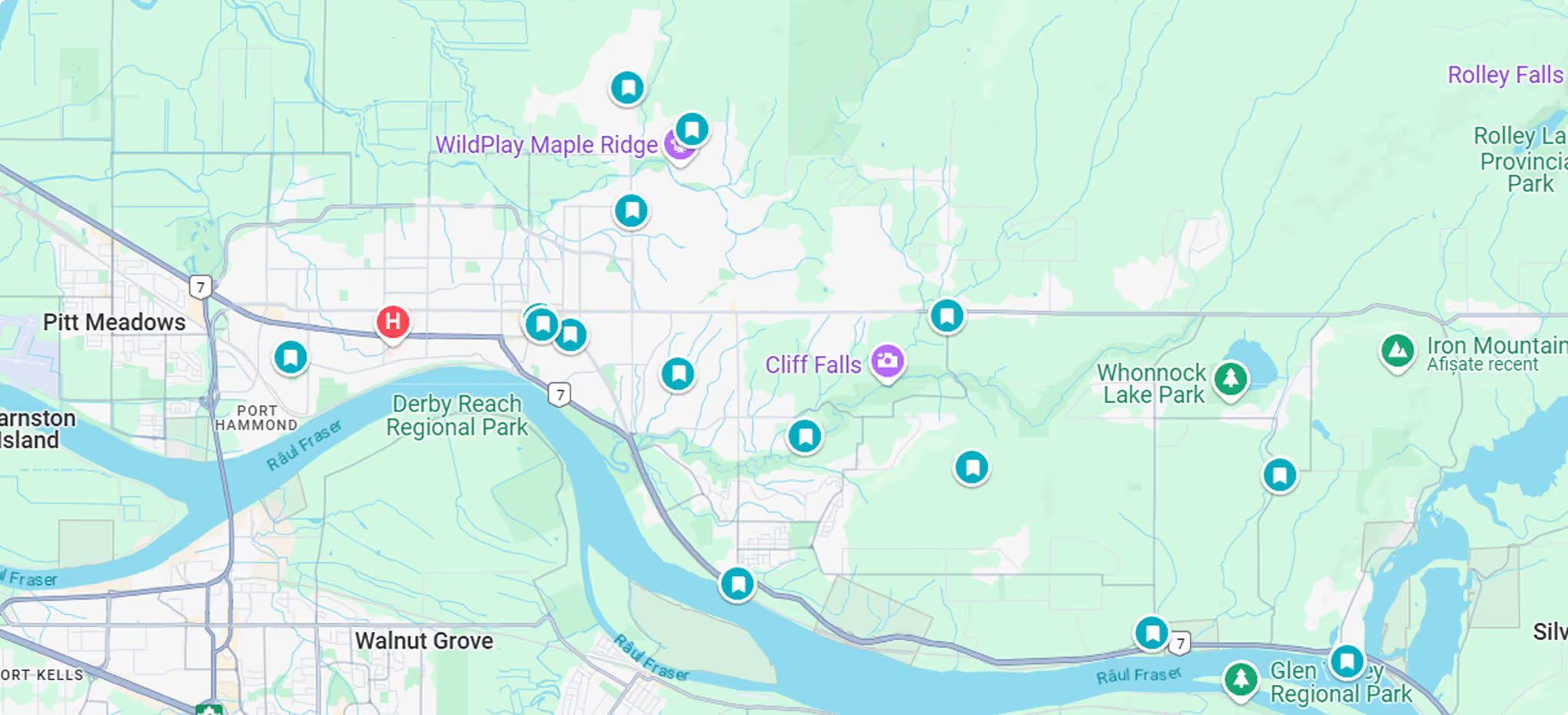
Neighbourhoods in the Fraser Valley