Heat Pump in Hatzic, BC
Tired of Unreliable Heating? Experience Year-Round Comfort
Struggling with inefficient heating during Hatzic’s cold snaps or dealing with humidity issues in your home? Modern heat pump installations offer both warmth and energy savings, solving temperature inconsistencies effectively. Contact us today to schedule an on-site assessment or call to discuss available financing options for your upgrade.
Old heating systems often fail to keep up with the specific weather patterns in British Columbia, leaving homeowners with high bills and cold rooms. Switching to a heat pump addresses these issues by transferring heat rather than generating it, providing a dual-solution for winter heating and summer cooling.
- Reduce heating costs significantly with energy-efficient heat pump technology.
- Enjoy the convenience of quick, professional installation without major disruption.
- Gain peace of mind with full manufacturer warranties and local support.
All installations are performed by licensed professionals with available financing options and strict adherence to safety codes.

Comprehensive Heat Pump Installation Services
Investing in a new climate control system is a significant decision that impacts your home's comfort and energy consumption for the next two decades. When you choose a professional installation, you are not just buying a piece of equipment; you are purchasing a complete solution designed to handle the specific environmental conditions of the Fraser Valley. A modern heat pump system replaces the need for separate furnace and air conditioning units, streamlining your HVAC setup into one efficient package.
The installation service encompasses a full evaluation of your property’s thermal characteristics. This includes calculating the necessary heating load based on square footage, insulation quality, window orientation, and airflow requirements. Homeowners in Hatzic receive a system sized precisely for their layout, ensuring that every corner of the house maintains a consistent temperature. Improperly sized units cycle on and off too frequently, leading to premature wear and higher energy bills, which is why accurate load calculation is the foundation of the service.
The scope of work involves the safe removal and disposal of existing equipment, preparation of the installation site, and the integration of the new unit with your home’s electrical and ductwork systems. For homes without existing ductwork, ductless mini-split configurations provide targeted comfort to specific zones. The service also includes the installation of a smart thermostat or control interface, allowing you to manage indoor climate remotely and optimize schedules for maximum efficiency.
The Installation Process: From Assessment to Operation
A professional installation follows a rigorous, step-by-step protocol to ensure the system operates at peak performance from day one. This process minimizes downtime and ensures that your home returns to a comfortable temperature as quickly as possible.
Site Evaluation and Load Calculation
First, technicians perform a detailed walkthrough of the residence. They assess the condition of existing ductwork, check electrical panel capacity, and determine the optimal location for both the indoor air handler and the outdoor condenser unit. This step is critical for compliance with local bylaws and maximizing airflow efficiency.
Site Preparation and Safety Setup
Next, the workspace is prepared to protect your flooring and property. If an old system is present, it is disconnected and removed in accordance with environmental regulations regarding refrigerant disposal. The installation team prepares the outdoor pad or mounting brackets, ensuring the unit is elevated sufficiently to avoid snow accumulation and allow for proper drainage during Hatzic’s rainy season.
System Mounting and Connections
Technicians then position the indoor and outdoor units. Refrigerant lines are run between the two components, carefully insulated to prevent energy loss. Electrical connections are established, often requiring a dedicated circuit to handle the heat pump’s power requirements safely. If the system is ducted, the indoor unit is sealed to the existing plenum to prevent air leaks.
Vacuum and Refrigerant Charging
Once the lines are connected, the system is pressure-tested to ensure there are no leaks. A vacuum pump removes moisture and air from the lines before the refrigerant is released or added. This step is vital for the longevity of the compressor, as moisture in the lines can cause acid formation and system failure.
Testing and User Walkthrough
Finally, the system is powered on and tested across all operational modes. Techs verify airflow, measure temperature differentials, and calibrate the thermostat. You receive a demonstration on how to operate the interface, change filters, and interpret system alerts.
Deciding Between Repair and Replacement
Determining whether to fix an aging unit or invest in a new system is a common dilemma for homeowners. While repairs might seem cheaper in the short term, the cumulative cost of fixing an obsolete system often outweighs the price of a new installation. Understanding the tipping point helps you make a financially sound decision.
The "50% Rule" is a reliable metric for this decision. If the cost of a necessary repair approaches 50% of the value of a new system, replacement is generally the smarter option. This is particularly true if the current equipment is over 10 years old. Heat pumps and furnaces lose efficiency over time. A unit that was 80% efficient a decade ago may now be operating at significantly lower levels due to wear and tear, meaning you are paying more for the same amount of heat.
Frequency of breakdowns is another major indicator. If you find yourself calling for service multiple times a year, or if the unit struggles to maintain the set temperature during extreme weather, the system has likely reached the end of its useful life. Furthermore, older systems often use refrigerants that are now phased out or extremely expensive to replenish. Upgrading eliminates the reliance on obsolete components and provides access to modern warranties that cover major parts for up to 10 years.
Consider the noise levels and air quality. Aging compressors and fans often become noisy and vibrate, causing disruption. They may also struggle to control humidity effectively, leading to a clammy indoor environment. New heat pumps operate quietly and offer superior dehumidification, which is essential for preventing mold growth during damp months in the region.
Regional Considerations for Hatzic Homeowners
Installing a heat pump in this part of British Columbia requires specific attention to local climate data and regulatory requirements. The region experiences a temperate maritime climate characterized by mild winters and moderate summers, but high annual precipitation and humidity levels present unique challenges for HVAC systems.
Humidity and Defrost Cycles
The high rainfall and humidity in Hatzic mean that heat pumps must have efficient defrost cycles. As the outdoor unit extracts heat from the air, moisture can freeze on the coils even when temperatures are slightly above freezing. A correctly installed system includes sensors and controls that manage this frost buildup without compromising indoor comfort.
Elevation and Drainage
While heavy snowfall is not a daily occurrence on the valley floor, variable snowfall does happen. Rep-Air Heating and Cooling ensures that outdoor units are mounted on stands or wall brackets. This elevation prevents the unit from being buried in snow and, more importantly, keeps it clear of standing water and debris during heavy rainstorms, protecting the electrical components and coil.
Electrical and Municipal Permits
Modifying your heating system often triggers the need for electrical and building permits. The installation team manages the administrative side of these requirements, ensuring that all work complies with the BC Safety Authority and local municipal codes. Compliance is necessary not only for safety but also to validate your home insurance and future resale value.
BC Hydro Rebates and Incentives
The province offers substantial rebates for homeowners who switch from fossil fuel-based heating (oil, natural gas, or propane) to electric heat pumps. These incentives are designed to lower the carbon footprint of the housing sector. To qualify, equipment must meet specific SEER (Seasonal Energy Efficiency Ratio) and HSPF (Heating Seasonal Performance Factor) ratings, and the installation must be performed by a qualified contractor.
Operational Efficiency and Long-Term Savings
The primary driver for switching to a heat pump is the dramatic increase in energy efficiency. Unlike furnaces that burn fuel to create heat, heat pumps move heat from the outside air into your home. Even in temperatures around 0°C, there is ambient heat energy in the atmosphere that the system can extract and compress.
This process allows heat pumps to achieve efficiency ratings of 300% or more, meaning they produce three units of heat energy for every one unit of electricity consumed. For residents currently using electric baseboard heaters, this translates to a massive reduction in monthly hydro bills. Baseboards operate at a 1:1 ratio; a heat pump divides that cost by three.
Beyond heating, the system reverses operation in the summer. Hatzic summers see highs reaching 30°C, making cooling a necessity rather than a luxury. A heat pump acts as a high-efficiency air conditioner, removing heat and humidity from your home. This dual functionality eliminates the expense of maintaining two separate systems. Variable-speed compressors adjust their output to match the precise heating or cooling demand, avoiding the energy-intensive "all-or-nothing" spikes associated with traditional single-stage units.
Technical Reliability and Professional Standards
Selecting the right equipment is only half the battle; the quality of the installation dictates the system's longevity. Poor installation practices, such as improper refrigerant charging or leaky ductwork, can reduce system efficiency by up to 30%. Professional installers adhere to strict protocols to ensure the equipment performs according to manufacturer specifications.
Licensed technicians possess the specialized tools required to braze refrigerant lines, measure static pressure, and commission the electronic controls. They ensure that the electrical load is balanced and that the system is grounded correctly to prevent surges. Furthermore, professional installation guarantees that the manufacturer's warranty remains valid. Most major brands require proof of installation by a certified HVAC contractor to honor parts and compressor warranties.
Book Your Service Now
Choosing a reputable provider ensures that you have a partner for the lifecycle of the system. From annual maintenance checks to priority service in the event of an issue, a local team understands the history of your installation and the specific configuration of your home.
Secure your home’s comfort and efficiency today. A new heat pump provides reliable heating, powerful cooling, and lower energy bills, backed by professional support.
Ready to upgrade your home comfort? Contact Rep-Air Heating and Cooling now to book your consultation.
hear what our satisfied clients have to say
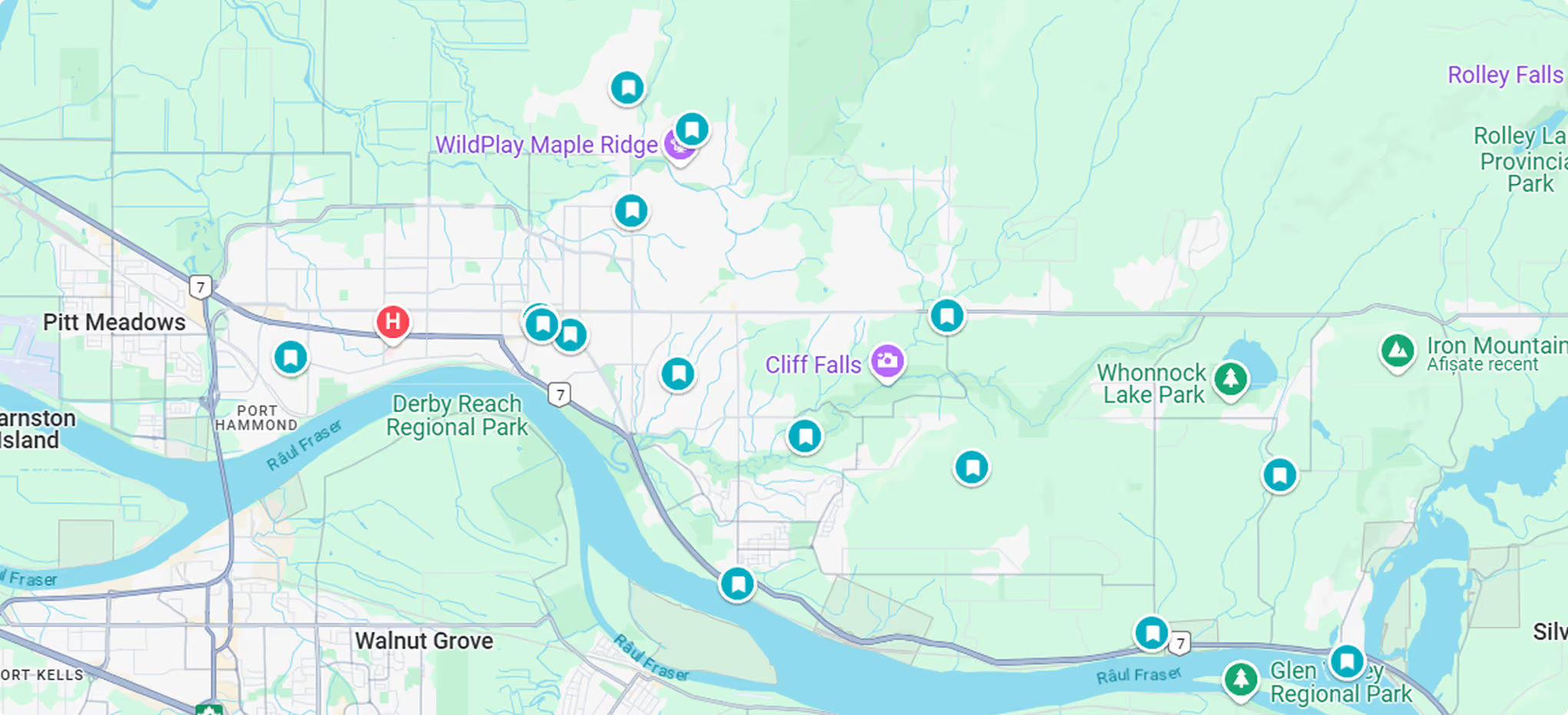
Neighbourhoods in the Fraser Valley