Heat Pump in Lower Ten Oaks, BC
Is Your Heat Pump System Failing to Maintain Consistent Temperatures?
Facing unexpected heat pump failures or inefficiency issues can be stressful, especially during Lower Ten Oaks’ chilly, damp winters or the increasingly humid summers. Rep-Air Heating and Cooling provides fast, reliable solutions to get your system back on track immediately. Contact us now to schedule a diagnostic visit or to learn more about our financing options.
When your climate control system falters, you need immediate resolution, not delays. We prioritize getting your home back to a comfortable baseline through:
- Rapid response times for urgent heat pump repairs.
- Professional maintenance designed to enhance efficiency and extend equipment longevity.
- 24/7 emergency support, ensuring you are never left dealing with extreme temperatures alone.
All services are backed by comprehensive warranties and available financing options for peace of mind.

Immediate Diagnostic and Repair Services Available
When a heat pump stops working effectively, the cause is often buried deep within the electrical or refrigerant systems. Unlike a standard furnace, a heat pump moves heat rather than generating it, relying on a complex exchange process that must function perfectly to handle the weather in Lower Ten Oaks. Our service begins with a comprehensive assessment of the entire system to pinpoint exactly why the unit is short-cycling, freezing up, or blowing lukewarm air.
Technicians arrive equipped to address the most common and complex failure points immediately. The diagnostic process involves checking refrigerant levels to ensure the system can effectively transfer thermal energy. If the refrigerant charge is low, it indicates a leak that must be sealed before recharging; simply adding more fluid is a temporary fix that does not solve the underlying problem. We also inspect the reversing valve, a critical component that switches the unit between heating and cooling modes. If this valve is stuck, the system remains locked in one mode, rendering it useless when the season changes.
Electrical components undergo a rigorous safety check. Worn capacitors, faulty relays, and compromised wiring can cause the compressor to overheat or fail to start altogether. By testing the voltage and amperage draw of the compressor and fan motors, we determine if parts are operating within manufacturer specifications or if they are on the verge of failure. This data-driven approach allows for accurate repairs that restore the system to peak performance rather than just applying a bandage to the symptom.
Comprehensive Heat Pump Installation and Replacement Process
Installing a new heat pump is a significant investment in long-term home comfort and energy efficiency. The process requires precise calculation and execution to ensure the new unit interacts correctly with your home’s existing ductwork and electrical infrastructure. An improperly sized unit will struggle to maintain humidity control in the summer or fail to provide adequate warmth during a snap freeze, leading to higher energy bills and premature equipment failure.
The installation workflow follows a strict protocol to ensure quality and code compliance:
Load Calculation:
The process begins with a Manual J load calculation. This determines the exact heating and cooling requirements of the structure based on square footage, insulation levels, window orientation, and local climate data. This step ensures the unit is neither oversized (which causes short-cycling) nor undersized (which runs continuously without reaching the target temperature).
Site Preparation and Removal:
Technicians safely disconnect and remove the existing unit, adhering to environmental regulations regarding refrigerant disposal. The installation site is prepped, which may involve leveling the ground for the outdoor condenser or modifying the indoor plenum to accommodate the new air handler.
System Installation:
The new outdoor and indoor units are positioned and secured — view our gallery. Refrigerant lines are brazed using nitrogen purging to prevent oxidation inside the copper tubing, a critical step for the longevity of modern high-efficiency systems. Electrical connections are established, and a new thermostat or control interface is often installed to maximize the features of the new technology.
Vacuum and Charge:
Before the system is started, a deep vacuum is pulled on the refrigerant lines to remove moisture and non-condensable gases. Once the vacuum holds, the system is charged with the precise amount of refrigerant required by the manufacturer.
Testing and Calibration:
The system is powered on and tested across all modes of operation. Airflow is measured to ensure static pressure is within the design range. The technician verifies that the defrost cycle is functioning correctly—an essential feature for handling local winters—and walks the homeowner through the operation of the new system.
Knowing When to Repair vs. Replace Your Unit
Deciding between repairing an aging unit or investing in a replacement is a calculation based on age, cost, and efficiency. Heat pumps in this region work year-round, serving as both the air conditioner and the heater. This double duty means they accumulate wear and tear faster than a standalone furnace or A/C unit. While repair is often the most cost-effective immediate solution, there comes a tipping point where continued patches become more expensive than a new installation — view current promotions.
Evaluate the following criteria when making your decision:
The 50% Rule:
If the cost of the repair approaches 50% of the value of a new system, replacement is generally the wiser financial move. Major component failures, such as a blown compressor or a cracked coil out of warranty, often fall into this category.
Equipment Age:
The average lifespan of a well-maintained heat pump is 10 to 15 years. If your unit is over 12 years old and requires a significant repair, investing that money into a new system resets the warranty clock and provides immediate reliability.
Frequency of Breakdowns:
"Nickel and diming" can add up quickly. If you have required multiple repairs in the last two years, the system is likely entering its end-of-life phase. A new unit eliminates the uncertainty of waiting for the next breakdown.
Efficiency Ratings:
Heat pump technology has advanced rapidly. Older units typically have lower SEER (Seasonal Energy Efficiency Ratio) and HSPF (Heating Seasonal Performance Factor) ratings. Upgrading to a modern, high-efficiency system can significantly reduce monthly utility bills, offsetting the installation cost over time.
Comfort Issues:
If the current unit can no longer keep the home comfortable—leaving hot or cold spots, or failing to dehumidify effectively—it is no longer performing its primary function. A replacement restores consistent, even comfort throughout the living space.
Local Climate Factors and Utility Requirements
Operating a heat pump in Lower Ten Oaks requires specific attention to regional variables. The climate here is characterized by wet winters with temperatures hovering near freezing, and warm, occasionally humid summers. This specific weather profile impacts how heat pumps operate, particularly regarding the defrost cycle.
In winter, high humidity combined with near-freezing temperatures can cause frost to build up rapidly on the outdoor coil. A properly functioning heat pump must enter a defrost cycle to melt this ice. If the sensors governing this cycle fail, the unit can become encased in ice, halting heat production and potentially damaging the fan blades. Service in this area prioritizes checking defrost boards and sensors to prevent mid-winter lockouts.
Furthermore, local utility providers like BC Hydro often offer rebate programs to encourage the adoption of high-efficiency electric heat pumps. Navigating these rebates requires specific documentation and the installation of qualifying equipment.
Permitting and Compliance:
Modifications to electrical circuits or the installation of new exterior units often require municipal permits. Professional service ensures that all work complies with local building codes, preventing issues during future home sales or insurance claims.
Electrical Infrastructure:
Many older homes may require an electrical panel upgrade to support the amperage requirements of a modern heat pump, especially if switching from a fossil fuel system. An assessment of the home’s amperage capacity is a standard part of the intake process.
Condensate Management:
During the humid summer months, heat pumps extract significant moisture from the air. Proper drainage piping is essential to prevent water damage. In this region, ensuring condensate lines are clear and properly sloped is a vital maintenance step.
Maintenance Plans for Long-Term Efficiency
Routine maintenance is the most effective way to protect your investment. Because heat pumps run all year, they require semi-annual inspections—once before the cooling season and once before the heating season. These checks go beyond simple filter changes.
Coil Cleaning:
Dirty coils reduce the system’s ability to absorb and release heat. Professional cleaning ensures maximum airflow and heat transfer.
Refrigerant Level Checks:
Ensuring the charge is exact optimizes the system's ability to heat and cool efficiently.
Electrical Tightening:
Vibration can loosen electrical connections over time, leading to resistance and heat buildup. Tightening these connections prevents component failure.
Thermostat Calibration:
Ensuring the thermostat reads the temperature accurately prevents the system from over-running or under-performing.
Don't let a failing heat pump compromise your comfort or safety. Ensure your home remains efficiently heated and cooled regardless of the season.
Secure your home comfort today—schedule your professional heat pump service now.
Why Professional Execution is Critical: Call Us
Rep-Air Heating and Cooling understands that the difference between a high-performing system and a problematic one usually comes down to the quality of the service. Heat pumps are technically sophisticated pieces of equipment that rely on a delicate balance of pressure, airflow, and voltage. A slight error in refrigerant charge can reduce efficiency by up to 20%, while improper duct sizing can lead to noisy operation and premature motor failure.
Professional service guarantees that the equipment is handled according to the manufacturer's strict guidelines. This adherence is not just about performance; it is also about protecting the consumer. Most manufacturer warranties are contingent on proof of professional installation and regular maintenance. Attempting DIY repairs or hiring unlicensed labor can void these protections, leaving the homeowner liable for the full cost of future replacements.
Furthermore, certified technicians have access to specialized tools and diagnostic software that are not available to the general public. This allows for faster troubleshooting and more accurate assessments. Whether it is calculating the precise load for a new build or diagnosing an intermittent electrical fault in an existing system, professional execution ensures the job is done right the first time.
hear what our satisfied clients have to say
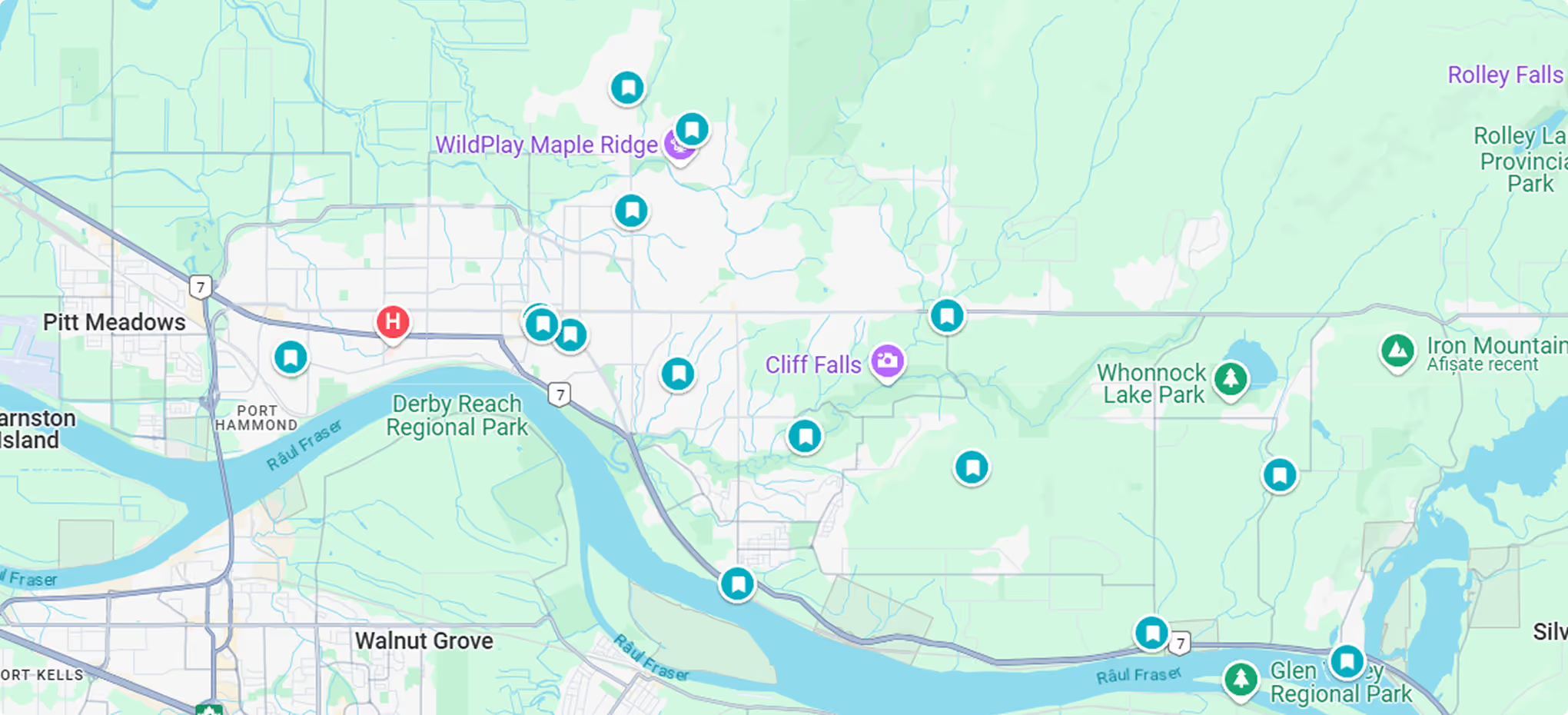
Neighbourhoods in the Fraser Valley