Heat Pump in Mid Meadows, BC
Is Inconsistent Temperature Control Driving Up Your Energy Bills?
Facing the biting dampness of winter and the stifling dry heat of summer in Mid Meadows can wreak havoc on your utility costs without the right equipment. A modern, high-efficiency heat pump provides the precise climate control required to stabilize your indoor environment and lower monthly expenses. Contact us today to schedule a consultation or inquire about our flexible financing options.
- Enjoy rapid response times from local, certified technicians available around the clock to ensure your home remains comfortable.
- Significantly reduce your energy consumption with advanced inverter technology that adapts to the specific heating and cooling demands of your home.
- Secure your investment with comprehensive labor and parts warranties that provide long-term peace of mind.
Full licensing, adherence to safety codes, and transparent warranty terms ensure a seamless and secure upgrade experience.

Discover Efficient Heating and Cooling With Our Heat Pump Solutions
Homeowners often find themselves caught in a cycle of paying for repairs on aging furnaces or struggling with air conditioners that cannot keep up with peak summer temperatures. The unique climate in British Columbia, characterized by high humidity in the cooler months and sharp spikes in temperature during the summer, demands a system capable of handling both extremes. Rep-Air Heating and Cooling specializes in installing heat pump systems designed to perform efficiently in these specific environmental conditions.
A heat pump operates differently than traditional HVAC systems. Instead of generating heat by burning fuel, it moves heat. In the winter, it extracts latent heat from the outdoor air—even when it is cold—and transfers it inside. In the summer, the cycle reverses, pulling heat from your home and releasing it outdoors. This dual functionality eliminates the need for two separate systems. By upgrading to this technology, you address the root cause of high energy bills: the inefficiency of resistance heating or older combustion methods.
Your Heat Pump Installation—What to Expect and When
Transitioning to a heat pump is a significant decision that impacts your home’s infrastructure. Understanding the scope and timeline helps you plan accordingly and eliminates surprises on installation day. The process moves beyond a simple swap-out; it involves a comprehensive assessment of your home’s thermal envelope and existing ductwork.
Initial Assessment and Sizing:
Before any equipment is ordered, a load calculation is performed. This determines the exact heating and cooling capacity required for your square footage. Oversized units cycle on and off too frequently, leading to wear, while undersized units run constantly without reaching the set temperature.
The Installation Timeline:
A standard residential change-out typically requires one to two days. If the project involves switching from a fossil fuel source to electric, or if significant ductwork modification is needed, the timeline may extend to three days.
Scope of Work:
The project includes the safe removal and disposal of your existing unit, the placement of the new outdoor condenser, and the installation of the indoor air handler. It also covers the installation of a new thermostat capable of managing the sophisticated stages of a heat pump.
Infrastructure Upgrades:
Some older homes in the Mid Meadows area may require electrical panel upgrades to accommodate the voltage requirements of a modern heat pump. This is identified during the initial site visit.
Installation Made Easy—Step-by-Step Guide
Professional installation follows a rigid protocol to ensure the longevity and efficiency of the system. Shortcuts taken during this phase often result in compressor failure or refrigerant leaks years down the line. We utilize a strict checklist to verify every connection and setting.
Site Preparation and Removal:
The technicians begin by disconnecting the power and gas lines (if applicable) to the old unit. The existing equipment is removed, and the area is prepped. For the outdoor unit, a level pad is established—often raised on a stand to keep the unit above anticipated snow levels, allowing for proper drainage during defrost cycles.
Setting the Units:
The indoor coil or air handler is secured in place, ensuring a tight seal with the plenum to prevent air leakage. Simultaneously, the outdoor condenser is positioned to ensure adequate airflow clearance on all sides.
Refrigerant Line Set Installation:
Copper lines connecting the indoor and outdoor units are routed, brazed, and insulated. This is a critical step; the lines must be free of kinks and properly sealed to maintain pressure.
Electrical and Control Wiring:
High-voltage wiring is connected to the disconnect box and the unit. Low-voltage control wires are run to the thermostat and between the indoor and outdoor units to facilitate communication regarding temperature demands.
Pressure Testing and Vacuum:
Before releasing refrigerant, the system undergoes a nitrogen pressure test to check for leaks. Subsequently, a deep vacuum is pulled to remove all moisture and non-condensables from the lines. This step is non-negotiable for the health of the compressor.
Final Charge and Commissioning:
The refrigerant is released, and the charge is fine-tuned based on the "subcooling" and "superheat" metrics. The system is then test-run in both heating and cooling modes to verify performance.
Deciding Between Heat Pump Replacement and Repair
Homeowners frequently debate whether to inject more money into a failing system or invest in a replacement. While a repair might seem cheaper initially, it often acts as a temporary bandage on a system that is bleeding efficiency. Making the right choice depends on a few quantifiable factors regarding your current setup.
The 50 Percent Rule:
If the cost of the repair approaches 50 percent of the value of a new system, replacement is generally the wiser financial move. Investing heavy capital into an old unit offers no guarantee that another component won't fail shortly after.
Age of the Equipment:
Heat pumps generally have a lifespan of 10 to 15 years. If your unit is over 12 years old and requires a major component like a compressor or reversing valve, the technology has likely advanced enough that a new unit will pay for itself in energy savings.
Refrigerant Type:
Older systems often utilize R-22 refrigerant, which has been phased out and is prohibitively expensive to source. If your older unit has a leak, upgrading to a system that uses modern, environmentally friendly refrigerant is often the only viable option.
Frequency of breakdowns:
If you have required service calls more than twice in the last two years, the system is becoming unreliable. Rep-Air Heating and Cooling technicians can provide a cost-benefit analysis based on your recent repair history.
Comfort Consistency:
If your current unit struggles to maintain a consistent temperature, leaves cold spots in the house, or fails to dehumidify effectively in the summer, it is no longer performing its core function.
Local Insights—Navigating Mid Meadows’ Climates and Codes
Installing a heat pump in Mid Meadows requires specific knowledge of local conditions and regulations. A generic installation approach often fails because it does not account for the region's specific humidity levels and winter lows.
Managing Defrost Cycles:
The high humidity in our region during winter means that outdoor coils can freeze up more frequently than in drier climates. Local installations must prioritize units with demand-defrost controls rather than timed defrosts to prevent unnecessary energy usage.
Municipal Permitting:
Modifications to your home’s heating system often require electrical and gas permits. Compliance with local building codes ensures that your insurance coverage remains valid and that the home remains safe.
Backup Heating Requirements:
While modern cold-climate heat pumps are efficient down to very low temperatures, local codes or best practices may suggest a backup heat source (electric strips or a dual-fuel furnace integration) for the few days a year when temperatures drop significantly below freezing.
Electrical Utility Considerations:
Integration with the local grid requires adherence to specific amperage loads. Technicians verify that your panel can handle the startup amps of the heat pump, although modern inverter systems are much gentler on the electrical system than older models.
Why Choose Us? Client Stories and Service Highlights
Selecting the right contractor is as important as selecting the brand of the equipment. The efficiency rating of a heat pump (SEER2 and HSPF2) is only accurate if the installation is flawless. Poor ductwork, incorrect refrigerant charge, or improper airflow can reduce a system's efficiency by up to 30 percent.
Technical Precision:
Technicians are trained to adhere to manufacturer specifications strictly. This includes using digital gauges for precise pressure readings and micron gauges for vacuum verification.
Post-Installation Support:
The relationship does not end when the truck drives away. Support includes registering equipment for warranties and providing clear instructions on how to operate the new thermostat and maintain the filters.
Handling the Paperwork:
With various government rebates and incentives available for energy-efficient upgrades, assisting with the necessary documentation ensures you maximize your return on investment without the administrative headache.
Contact Us Today
Upgrading your home’s climate control system is an investment in your property and your daily comfort. A heat pump offers a versatile, energy-efficient solution tailored to the distinct weather patterns of British Columbia. By trusting Rep-Air Heating and Cooling with your installation, you ensure a professional process from the initial load calculation to the final system test.
Take control of your home comfort and energy costs today—reach out to our team to start your project.
hear what our satisfied clients have to say
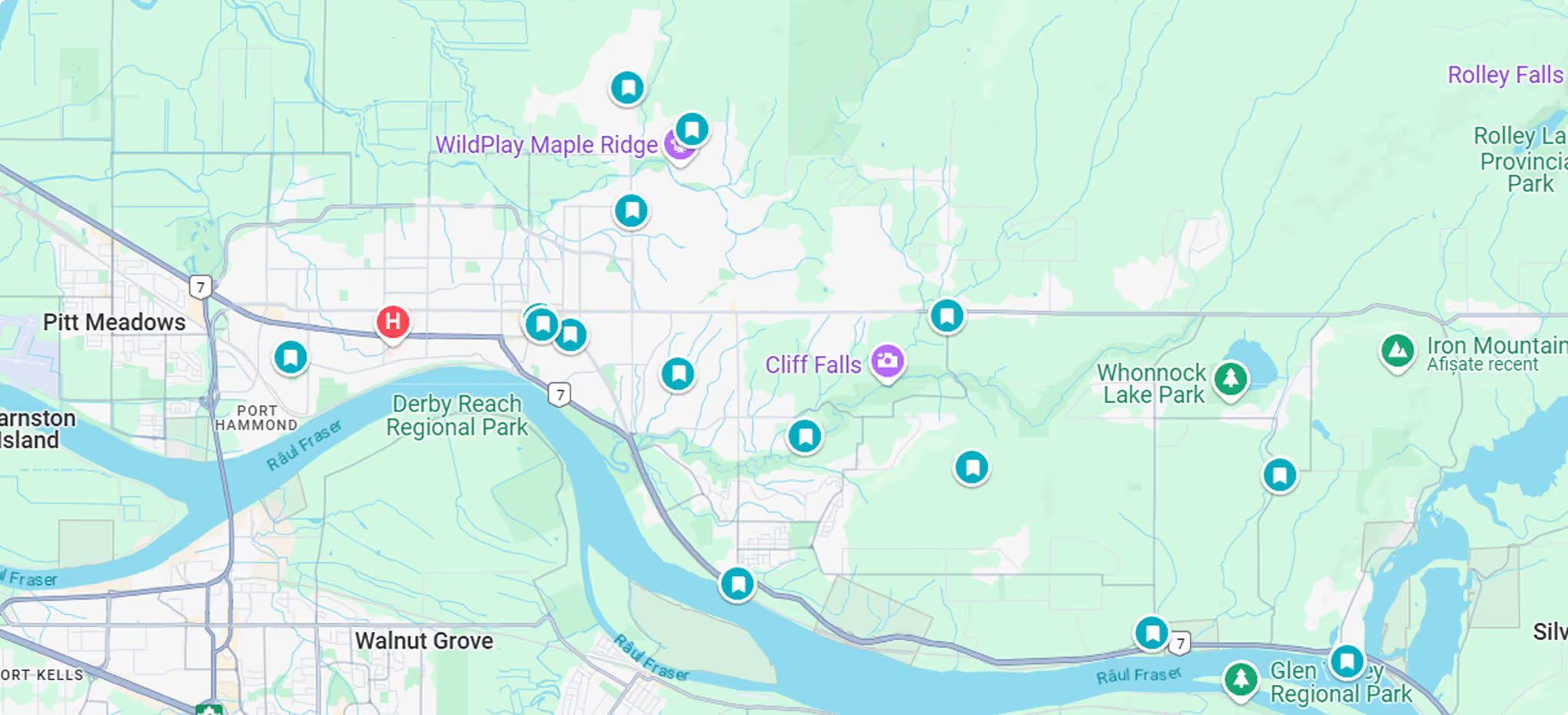
Neighbourhoods in the Fraser Valley