Heat Pump Maintenance in Abbotsford, BC

Heat Pump Maintenance in Abbotsford, BC
Keeping your heat pump well maintained is one of the most cost-effective ways to ensure reliable heating and cooling year-round in Abbotsford, BC. With wet coastal winters, warm humid summers, and seasonal pollen and agricultural dust in the Fraser Valley, routine heat pump maintenance prevents efficiency losses, protects indoor air quality, and reduces the chance of unexpected breakdowns when you need comfort most.
Why routine heat pump maintenance matters in Abbotsford
- Abbotsford’s humid, marine-influenced climate increases the risk of coil corrosion, mold, and condensate problems if systems are neglected.
- Seasonal pollen and farm dust can clog filters and coils faster than drier regions, reducing airflow and forcing compressors to work harder.
- Regular tune-ups keep the system operating at peak efficiency, which lowers energy consumption and helps avoid large repair bills caused by neglected wear and tear.
- Timely maintenance also helps preserve manufacturer warranties and extends equipment lifespan.
Common heat pump maintenance issues in Abbotsford homes
- Clogged or dirty filters leading to reduced airflow and higher energy use
- Dirty evaporator or condenser coils that reduce heat transfer efficiency
- Refrigerant leaks or incorrect refrigerant charge causing poor heating or cooling
- Corroded or loose electrical connections and failing capacitors or relays
- Blocked condensate drains and pans causing water damage or mold growth
- Reduced airflow from blocked ducts, damaged blower motors, or worn belts
- Outdoor unit obstruction from leaves, debris, or seasonal vegetation growth
- Inadequate defrost cycles or reversing valve issues in cold, wet winters
Recommended service intervals
- Basic inspection and filter check: every 3 months during heavy use seasons
- Professional tune-up: at least once per year for moderate-use homes; twice per year (spring and fall) is recommended in Abbotsford to prepare for both the heating and cooling seasons
- Homes with high indoor pollutants, pets, or agricultural dust exposure: consider quarterly checks or a tailored maintenance schedule
- Older systems or units showing performance issues: schedule immediate diagnostic service and follow-up maintenance at shorter intervals
Inspection checklist used in a professional heat pump maintenance visit
Technicians typically follow a thorough checklist to diagnose and optimize system performance:
Outdoor unit (condenser)
- Visual inspection for debris, vegetation, and physical damage
- Clean coils and fins; straighten bent fins
- Check fan blades and motor operation
- Verify proper clearance and airflow around the unit
Indoor unit (air handler / evaporator)
- Inspect and replace or clean air filters
- Clean evaporator coil and drain pan
- Clear condensate drain and test for proper flow
- Check blower wheel, motor bearings, and airflow
Electrical and controls
- Inspect electrical connections, contactors, capacitors, and fuses
- Measure amp draw and voltage to motors and compressors
- Test thermostat calibration and control settings
Refrigerant system
- Check refrigerant pressures and superheat/subcooling as applicable
- Inspect for signs of leaks, oil stains, or abnormal cycling
- Confirm proper operation of the reversing valve and defrost controls
Performance checks
- Measure temperature split across evaporator coil
- Evaluate system run times, cycling behavior, and overall capacity
- Identify unusual noises or vibration and trace root cause
Indoor air quality and safety
- Inspect for mold or microbial growth and recommend cleaning
- Test for secure duct connections and recommended filtration upgrades
- Check secondary heat elements where applicable for safe operation
What a typical maintenance visit includes
A standard tune-up usually combines inspection, cleaning, safety checks, and performance testing:
- Replace or clean filters and visually inspect ductwork
- Clean coils and remove debris from outdoor unit
- Test electrical components, motors, capacitors, and controls
- Measure refrigerant operation and check for leaks
- Verify thermostat and control settings and perform system performance measurements
- Provide a simple report of findings and recommended follow-up items
Maintenance plan options
Basic plan
Annual inspection and basic cleaning
Filter check and simple airflow assessment
Safety and control verification
Standard tune-up
Twice-yearly visits (spring and fall)
Full coil cleaning, condensate drain service, electrical checks, refrigerant pressure verification, and performance testing
Written service summary with recommended repairs or replacements
Premium care plan
All standard tune-up items plus priority scheduling
Seasonal filter replacement, anti-microbial coil treatment, and duct air-seal inspection
Detailed performance optimization and extended system diagnostics
Recommended for high-use homes, older systems, or properties with elevated dust and humidity in Abbotsford
Note: Plans can be customized to match usage patterns, indoor air quality needs, and older equipment requirements. A tailored schedule is often the most effective way to balance cost and reliability.
How regular maintenance prevents costly repairs
- Early leak detection: Finding and repairing refrigerant leaks early avoids compressor damage and expensive system replacements.
- Electrical component inspection: Identifying worn capacitors, relays, or loose connections prevents motor failure and sudden outages.
- Improved airflow and coil condition: Clean coils and unobstructed airflow reduce strain on compressor and fan motors, extending their life.
- Preventing water damage: Clearing condensate drains and treating drain pans reduces the risk of mold, rot, and secondary home repairs.
- Optimized efficiency: A well-tuned system runs less and experiences fewer long run cycles, lowering the likelihood of failure and saving energy costs over time.
Long-term benefits of scheduled heat pump maintenance
- Lower energy bills from improved seasonal performance
- Fewer emergency repairs and reduced downtime during cold snaps or heat waves
- Extended equipment lifespan and better return on investment
- Better indoor air quality and occupant comfort
- Peace of mind knowing systems are inspected to industry standards
Final notes on maintenance for Abbotsford residents
Given Abbotsford’s seasonal humidity, pollen loads, and occasional agricultural dust, twice-yearly professional tune-ups combined with regular in-home filter changes provide the best balance of reliability and efficiency. Prioritize coil cleaning, condensate management, and electrical checks to prevent the most common regional problems. Regular maintenance not only protects comfort and indoor air quality but also minimizes the chance of expensive repairs when you need your heat pump most.
hear what our satisfied clients have to say
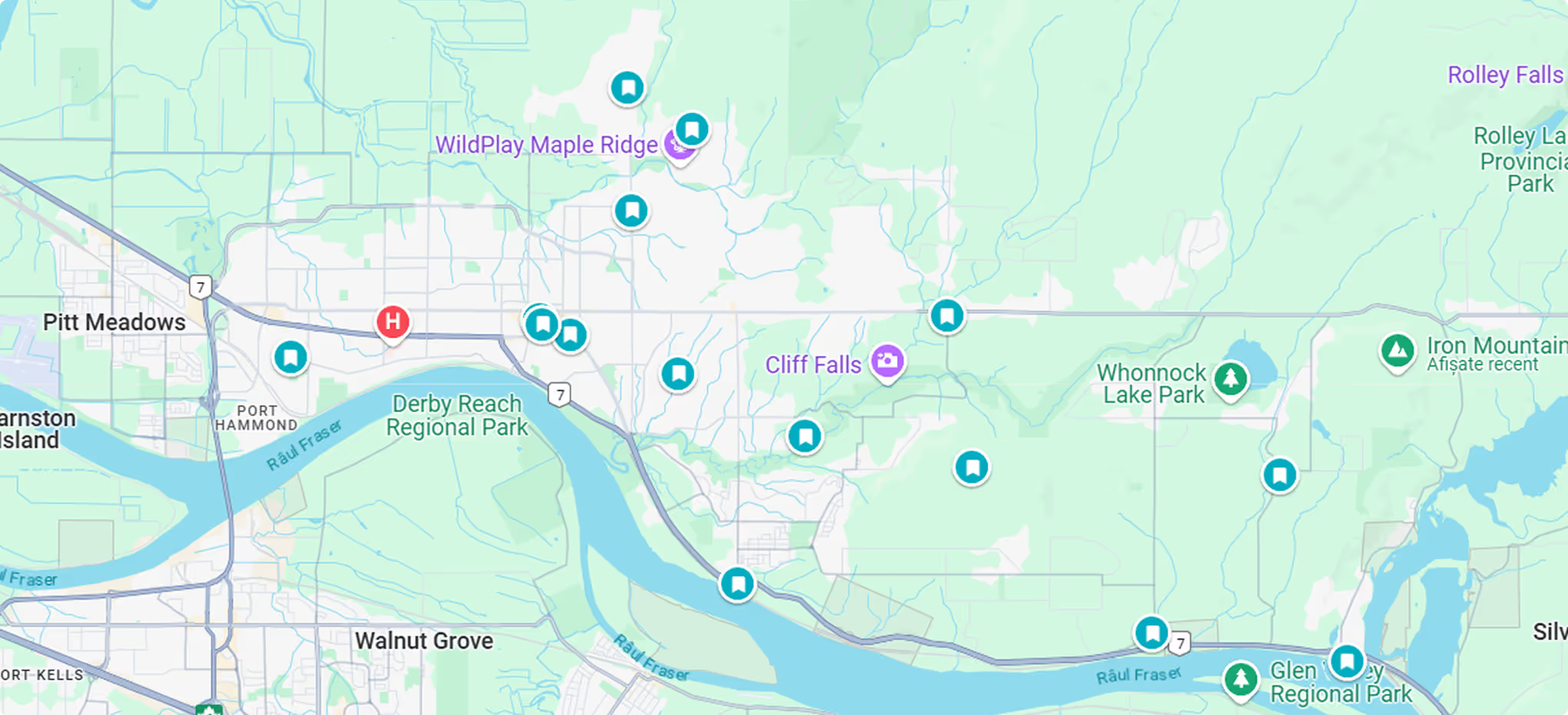
Neighbourhoods in the Fraser Valley