Heat Pump in Pitt Meadows, BC
Eliminate Uneven Temperatures and High Energy Bills
Dealing with chilly drafts in winter or the unbearable heat in summer creates frustration for homeowners who expect reliable climate control. In Pitt Meadows, where humidity fluctuates and temperatures swing from damp cold to dry heat, your HVAC system requires precision to maintain comfort. Contact us immediately for a consultation or to discuss financing options that fit your budget.
Rep-Air Heating and Cooling specializes in eliminating these inconsistencies through advanced heat pump technology. We understand that you are not just looking for hardware; you are looking for a permanent solution to fluctuating indoor climates.
- Experience rapid, same-day installation options to enjoy consistent home temperatures immediately.
- Benefit from high-efficiency heat pumps that drastically reduce your monthly energy bills.
- Trust in top-rated local expertise with a proven track record of successful installations.
All installations are backed by full compliance with local codes, comprehensive warranties, and flexible financing options.

Comprehensive Heat Pump Installation Services
When you commit to a new heat pump installation, you are investing in a dual-purpose system designed to handle the specific microclimate of the Lower Mainland. Unlike traditional furnaces that generate heat, a heat pump moves heat, providing an efficient alternative that works year-round. Our service focuses on delivering a turnkey solution that replaces your current, inefficient equipment with a modern system capable of precise temperature management.
The scope of our installation service covers every technical aspect required to bring your home up to modern efficiency standards. This includes the removal and environmentally responsible disposal of your old unit. We handle the logistical challenges of positioning the outdoor compressor unit to minimize noise while maximizing airflow. For the indoor air handler, we ensure seamless integration with your existing ductwork or install discreet heads for ductless configurations.
Homeowners receive a complete system audit as part of the installation package. We do not simply swap boxes; we verify that your electrical panel can support the new load, ensure that refrigerant lines are insulated and protected, and install smart thermostats that allow for remote climate management. You receive a fully commissioned system that is calibrated to the specific heating and cooling loads of your property, ensuring that the unit runs at peak efficiency from the moment it is powered on.
The Installation and Replacement Process
A professional installation is a rigorous procedure designed to protect your property and ensure the longevity of your new equipment. We adhere to a strict workflow that eliminates guesswork and adheres to manufacturer specifications.
Site Assessment and Load Calculation
We begin by performing a Manual J load calculation. This engineering standard determines the exact heating and cooling requirements of your home based on square footage, insulation levels, window orientation, and local weather patterns. This step prevents the common issue of "short cycling," which occurs when a unit is oversized, or the inability to reach target temperatures, which happens when a unit is undersized.
Workspace Preparation
Technicians arrive fully equipped to respect your property. We lay down drop cloths and wear protective shoe covers to ensure your floors remain clean. The workspace is cleared of debris, and safety protocols are established to handle high-voltage electrical connections and pressurized refrigerant.
System Extraction
If replacing an existing unit, we carefully disconnect the electrical wiring and refrigerant lines. The old refrigerant is recovered into certified cylinders to prevent atmospheric venting, adhering to environmental regulations. The old unit is then removed from the premises.
Equipment Positioning and Connection
The new outdoor condenser is placed on a composite pad to dampen vibration and prevent settling. We level the unit precisely to ensure proper oil return to the compressor. Indoors, the evaporator coil or air handler is secured. Copper refrigerant lines are brazed using nitrogen purging to prevent oxidation inside the pipes, a critical step for system longevity.
Electrical and Drainage Integration
High-voltage wiring is connected with a disconnect box for safety. Low-voltage control wiring is run to the thermostat location. We install a condensate drain system, often including a safety switch that shuts the unit off if the drain becomes clogged, preventing water damage to your home.
Vacuum and Charge
Before releasing refrigerant, we pull a deep vacuum on the lines to remove all moisture and non-condensables. This is verified with a micron gauge. Once the vacuum holds, the factory-specified amount of refrigerant is released or weighed in to match the line set length.
Final Commissioning
The system is powered on and tested in both heating and cooling modes. We measure static pressure, temperature rise and drop, and voltage draw to verify the system is operating within factory parameters. You are then walked through the operation of your new thermostat and maintenance requirements.
Deciding Between Repair and Replacement
Determining whether to repair an aging system or invest in a new heat pump is a financial and operational decision. While repairs may seem like a lower upfront cost, they often lead to diminishing returns, especially with equipment that has surpassed its intended lifespan.
The 50% Rule
A general guideline used in the industry is the 50% rule. If the cost of the necessary repair approaches 50% of the value of the system, replacement is the more economically sound choice. Putting significant money into a depreciating asset often results in sunk costs when another component fails shortly after.
Equipment Age and Efficiency
Heat pumps generally have a lifespan of 10 to 15 years. If your unit is over 12 years old, it likely operates at a significantly lower SEER (Seasonal Energy Efficiency Ratio) and HSPF (Heating Seasonal Performance Factor) than modern units. Replacing an older unit can result in immediate energy savings that help offset the monthly cost of a new system installation — view current promotions.
Frequency of Breakdowns
If you have required multiple service calls in the last two years, the system is signaling the end of its reliable service life. Frequent breakdowns indicate that internal components are wearing out collectively. Continuing to patch these issues results in cumulative costs that exceed the price of a new, warrantied installation.
Refrigerant Type
Older systems may utilize R-22 refrigerant, which has been phased out due to environmental regulations. As supply dwindles, the cost of R-22 has skyrocketed. If your older unit develops a refrigerant leak, the cost to refill it is often prohibitive, making replacement the only logical option.
Comfort and Noise Levels
As compressors and fan motors age, they often become louder and struggle to maintain consistent temperatures. If you notice cold spots in the winter or humidity issues in the summer, the system’s performance has degraded. Modern variable-speed heat pumps operate nearly silently and provide superior dehumidification and temperature stability.
Local Considerations for System Performance
Operating a heat pump in the Pacific Northwest requires specific configurations to handle the unique climate conditions. The region experiences mild, wet winters with temperatures typically hovering between 0°C and 7°C, and warm, dry summers. This climate is theoretically ideal for heat pumps, but only if the system is installed with local factors in mind.
Defrost Cycle Management
Due to the high humidity and near-freezing temperatures in winter, outdoor coils are prone to frost accumulation. Rep-Air Heating and Cooling ensures your system’s defrost controls are calibrated correctly to shed ice efficiently without compromising indoor comfort. We elevate outdoor units on stands (snow legs) to keep them above the average snow level and allow for proper drainage of defrost water, preventing ice buildup on the unit’s base.
Electrical Permitting and Upgrades
Moving from a fossil fuel furnace to an electric heat pump changes the electrical load of a home. We handle the assessment of your current electrical panel. In older homes in Pitt Meadows, a panel upgrade or the installation of a sub-panel may be required to accommodate the amperage draw of the heat pump and auxiliary heat strips. All electrical work is performed under appropriate permits, ensuring safety and insurance compliance.
Municipal Codes and Placement
Local bylaws dictate where mechanical equipment can be placed in relation to property lines to mitigate noise for neighbors. We are familiar with the setbacks and decibel rating requirements enforced by the municipality. We ensure the chosen location for your outdoor unit is compliant, avoiding potential fines or forced relocation of equipment later.
Backup Heating Requirements
While modern cold-climate heat pumps are effective down to very low temperatures, having a backup heat source is often recommended or required for insurance purposes. We configure systems with electric resistance heat strips or integrate the heat pump with an existing gas furnace (dual fuel) to ensure your home remains warm during the rare extreme cold snaps that can hit the region.
High-Performance Differentiators
Choosing the right contractor is as critical as choosing the right brand of equipment. The longevity and efficiency of a heat pump are largely determined by the quality of the installation. Poor installation practices can reduce system efficiency by up to 30%, negating the benefits of purchasing high-end equipment.
Advanced Diagnostic Tools
We utilize digital manifolds and wireless probes that provide real-time data on system performance during installation. This allows for a level of precision that analog gauges cannot match. We ensure that superheat and subcooling levels are exact, which protects the compressor and ensures maximum energy transfer.
Ductwork Modifications
A new heat pump often pushes more air than an old furnace. We do not ignore the ductwork. If necessary, we modify the plenum and transition pieces to reduce static pressure. High static pressure restricts airflow, makes the system noisy, and causes premature blower motor failure. We ensure the lungs of your system—the ducts—are capable of supporting the heart of the system—the heat pump.
Cleanliness and Respect
We treat your home as a sanctuary, not a construction site. All packaging materials, metal scraps, and old equipment are removed entirely. We sweep the installation area and ensure that your home is left in the exact condition we found it, with the only difference being a silent, efficient climate control system running in the background.
Comprehensive Handover
You will not be left with a manual you do not understand. We take the time to program the thermostat to your schedule, explain how to change filters, and demonstrate how to switch between heating and cooling modes. We ensure you are confident in operating your system before we leave the driveway.
Secure Your Comfort Today
Inefficient heating and cooling steal money from your wallet every month and reduce the enjoyment of your home. Waiting for a catastrophic failure usually leads to rushed decisions and higher costs. By choosing to upgrade your system now, you gain control over your indoor environment, improve your air quality, and secure energy savings for years to come.
Our team is ready to deploy immediately to assess your needs and provide a solution that fits your specific home layout. We handle the technical complexities so you can simply enjoy the perfect temperature, regardless of the season.
Contact us today to schedule your site assessment and take the first step toward a more comfortable, energy-efficient home.
hear what our satisfied clients have to say
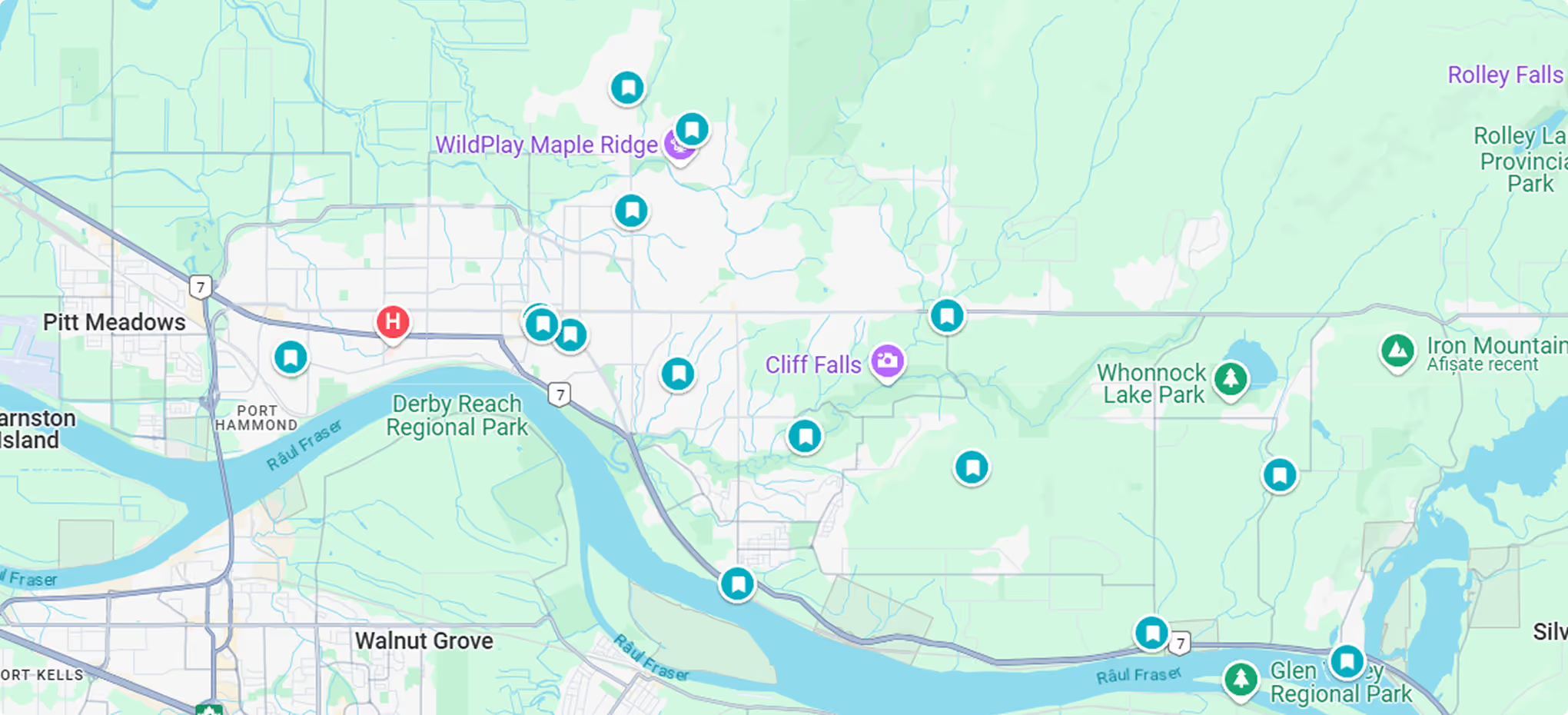
Neighbourhoods in the Fraser Valley