Heat Pump in Silverdale, BC
Is Your Current Heating System Failing to Keep Up With The Cold?
Is your home feeling unusually cold despite running your heating system at full capacity, or are you noticing a sudden spike in your monthly utility bills? It might be time for a modern, energy-efficient upgrade to ensure consistent comfort throughout the wet, chilly months in Silverdale, BC. Contact us today or call to schedule a comprehensive assessment and estimate.
- Experience quicker, warmer winters with our prompt, professional installation service.
- Reduce your monthly energy expenditures with modern, high-efficiency heat pump technology.
- Enjoy total peace of mind with comprehensive warranties on all new installations.
Financing options are available to fit your budget, along with hassle-free handling of all necessary permits and paperwork.
Rep-Air Heating and Cooling understands that a failing heater is more than an inconvenience; it is a disruption to your daily life. When the temperature drops and the rain sets in, you need a solution that works immediately. We specialize in removing inefficient units and replacing them with high-performance heat pumps designed to handle the specific maritime climate of British Columbia.

What to Expect From Your Heat Pump Installation
Choosing to install a new heat pump is a significant investment in your property and your long-term comfort. This is not merely about swapping out a box outside your home; it is a full system integration designed to optimize airflow and thermal transfer. When you move forward with a replacement, you are purchasing a guaranteed outcome: specific indoor temperatures regardless of the weather outside.
A standard installation project generally covers the removal and environmentally safe disposal of your existing equipment. Technicians handle the extraction of old refrigerant and heavy machinery so you are not left with debris. The scope of work includes leveling the ground for the outdoor condenser, modifying the plenum or ductwork to fit the new air handler, and upgrading electrical connections to meet current safety codes.
Most residential installations in the Silverdale area are completed within a single day, though complex systems requiring extensive ductwork modification may extend into a second day. You will receive a clear timeline before work begins. The quote provided includes the unit, labor, materials, and the final commissioning process. There are no hidden fees for "unexpected" bolts or wires; the price reflects a turnkey solution that leaves your system fully operational.
The Installation Process Step-by-Step
A professional installation follows a rigorous protocol to ensure the longevity of the equipment. Skipping steps or rushing the process often leads to "short-cycling," where the unit turns on and off too frequently, or poor humidity control. Our approach ensures that every component functions in harmony with your home's infrastructure.
- Load Calculation and Sizing: Before any equipment is ordered, technicians calculate the heating and cooling load of your specific floor plan. This accounts for square footage, window direction, insulation levels, and local climate data.
- Site Preparation: The installation team prepares the area for the outdoor unit. This involves placing a composite pad to keep the unit off the ground, ensuring proper drainage for defrost cycles, and clearing vegetation to allow for airflow.
- System Removal: The old system is disconnected. If it is a furnace or an older heat pump, gas lines are capped or electrical disconnects are secured. The old unit is hauled away for recycling.
- Indoor Unit Placement: The air handler or evaporator coil is installed inside the home. This requires precise alignment with the existing supply and return plenums to prevent air leaks, which can drastically reduce efficiency.
- Refrigerant and Electrical Connection: Copper refrigerant lines are run between the indoor and outdoor units. These lines are brazed (welded) and then vacuum-tested to ensure there are no leaks. High-voltage wiring is connected to the disconnect box, and low-voltage control wiring is run to the thermostat.
- Commissioning and Testing: Once connected, the system is charged with the correct amount of refrigerant. The technicians run the system in both heating and cooling modes, checking static pressure and temperature differentials to verify performance.
Repair vs. Replace: Making the Financial Decision
Homeowners often struggle with the decision to repair an aging unit or invest in a new one. While a repair might seem cheaper upfront, it is often a temporary fix for a system that is nearing the end of its useful life. Continuing to pour money into a degrading asset can cost more in the long run than a modern replacement.
You should strongly consider replacement if your current heat pump is over 12 to 15 years old. Heat pump technology has advanced rapidly in the last decade; a unit manufactured today is significantly more efficient than one from the early 2000s. Even if the old unit runs, it is likely consuming 20% to 40% more electricity than a modern equivalent to produce the same amount of heat.
Apply the "50% Rule" to your decision. If the cost of the repair approaches 50% of the value of a new system, replacement is the smarter financial move. Major component failures, such as a blown compressor or a cracked heat exchanger, are red flags. Additionally, if your system uses R-22 refrigerant (Freon), which has been phased out, repair costs for leaks will be exorbitant. A new system uses eco-friendly refrigerant and comes with a fresh warranty, eliminating repair bills for the foreseeable future.
Heat Pump Considerations for The Local Climate
Operating a heat pump in the Fraser Valley requires specific configurations due to the temperate maritime climate. Unlike regions with dry cold, Silverdale experiences high humidity and rainfall during the heating season. This moisture can freeze on the outdoor coil, requiring the heat pump to enter a "defrost cycle."
Modern units installed in this region must be equipped with demand-defrost controls. This feature ensures the unit only defrosts when necessary, rather than on a fixed timer, which saves energy. Furthermore, the outdoor unit must be elevated on snow legs or a stand. While heavy snowfall is rare, elevation prevents the unit from being submerged in pooling rainwater or buried in debris, ensuring unrestricted airflow.
Utility rates and rebate programs are also major factors. British Columbia offers various incentives for switching from fossil fuels to electric heat pumps, such as the CleanBC Better Homes rebates. These programs can significantly offset the initial installation cost. Professional installers assist in identifying which equipment qualifies for these rebates, ensuring you meet the minimum efficiency ratings (HSPF2 and SEER2) required by the province and local utilities.
Permitting is another local necessity. Installations typically require an electrical permit and, depending on the scope, a mechanical permit from the local district. Licensed contractors handle the application and inspection process, ensuring your installation complies with all municipal bylaws and safety standards.
Technical Efficiency: Understanding SEER2 and HSPF2
When comparing quotes, you will see ratings listed as SEER2 (Seasonal Energy Efficiency Ratio) and HSPF2 (Heating Seasonal Performance Factor). These metrics are critical for determining your long-term operating costs.
- SEER2: This measures cooling efficiency. A higher number means the unit requires less energy to cool your home. While heating is the priority in our region, a good SEER2 rating ensures your home stays comfortable during summer heat waves without spiking your bill.
- HSPF2: This is the most critical metric for our climate. It measures heating efficiency over the entire season. A higher HSPF2 rating indicates the heat pump is effective at extracting heat from the outdoor air even when temperatures drop.
- Variable Speed Compressors: Unlike older single-stage units that run at 100% capacity or zero, modern inverter-driven compressors can ramp up or down. They might run at 40% capacity to maintain the temperature, which uses a fraction of the energy and keeps the indoor temperature consistent.
Investing in higher efficiency ratings often pays for itself within a few years through lower monthly utility bills, especially when replacing an electric furnace or baseboard heaters.
Why Homeowners Choose Professional Installation
The quality of the installation is just as important as the quality of the equipment. A top-tier heat pump installed poorly will perform worse than a budget model installed correctly. This is where Rep-Air Heating and Cooling distinguishes itself in the market.
Professional installation ensures the "Manual J" load calculation is accurate. Many older homes have oversized units, which leads to humidity issues and uneven heating, or undersized units that run continuously and fail to reach the set temperature. Certified technicians measure windows, insulation, and air leakage to prescribe the exact tonnage required.
Ductwork integrity is also assessed. Putting a new heat pump on leaky, uninsulated ductwork is like putting a new engine in a car with a flat tire. Professionals seal accessible leaks and ensure the static pressure in the ducts allows the new blower motor to operate efficiently. This prevents strain on the motor and ensures air reaches the furthest rooms in the house.
Furthermore, handling refrigerants requires specific environmental certification. Venting refrigerant into the atmosphere is illegal and harmful. Licensed professionals use recovery machines to capture old refrigerant and precise digital scales to charge the new system, ensuring optimal pressure and temperature performance.
Dual Fuel Systems: The Hybrid Option
For homeowners concerned about the rare days when temperatures drop below freezing, a dual-fuel system is an excellent option. This setup combines an electric heat pump with a gas furnace.
- Primary Heating: The heat pump handles the heating load for the vast majority of the year (typically when it is above 2°C or 5°C). It is the most efficient way to heat during the mild fall, winter, and spring days common in our area.
- Backup Heating: When the temperature drops significantly, the system automatically switches to the gas furnace. Gas heat provides high-temperature air that can quickly warm a home during a cold snap.
- Automatic Switching: The thermostat controls the switchover point, optimizing for the most economical fuel source based on current utility rates.
This hybrid approach offers the efficiency of electricity with the reliability of gas, providing a safety net for the coldest nights of the year.
Ensuring Longevity Through Maintenance
Once your new heat pump is installed, protecting that investment is the next step. While heat pumps are durable, they are mechanical systems with moving parts that require attention. Neglect is the leading cause of premature failure.
- Filter Changes: The most important task for a homeowner is changing the air filter. A clogged filter restricts airflow, causing the system to work harder and potentially overheat.
- Coil Cleaning: The outdoor coil needs to be cleaned annually to remove dirt, pollen, and leaves. Dirty coils reduce the system's ability to transfer heat.
- Electrical Checks: Over time, electrical connections can vibrate loose. Technicians tighten these connections and measure voltage and amperage to ensure motors are not drawing too much power.
- Drain Line Clearing: The condensate drain removes moisture from your home during cooling and defrost modes. If this line clogs, it can cause water damage. Regular clearing prevents backups.
Secure Your Comfort Today
Waiting until your current system fails completely puts you in a vulnerable position, often forcing a rushed decision during a cold snap. Proactive replacement allows you to choose the system that best fits your needs, secure financing, and take advantage of available rebates.
You deserve a warm, comfortable home without the stress of unreliable equipment or unpredictable energy bills. By upgrading now, you ensure consistent heating through the winter and efficient cooling when summer arrives.
Trust the experts at Rep-Air Heating and Cooling to handle your project with precision and care. We deliver turnkey solutions that improve your home’s energy profile and your family’s comfort.
Don't let another chilly day disrupt your home. Contact us now to schedule your heat pump installation quote.
hear what our satisfied clients have to say
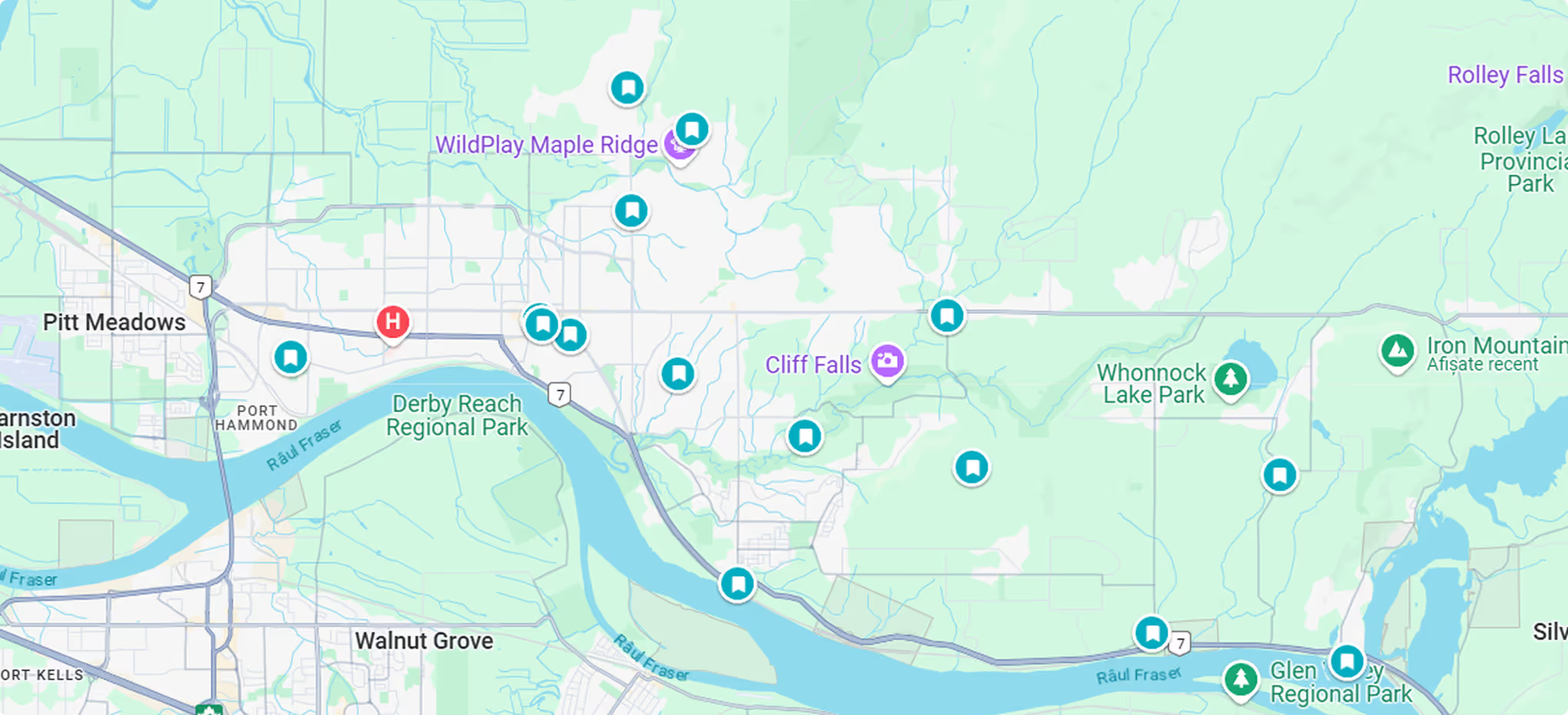
Neighbourhoods in the Fraser Valley