Heat Pump in South Clearbrook, BC
Inefficient Heating Systems Driving Up Your Monthly Energy Costs?
Enduring the chill of a damp South Clearbrook winter with an outdated heating system drains both your comfort and your wallet. If you are noticing uneven temperatures or skyrocketing utility bills, contact us today to schedule a comprehensive assessment or apply for our flexible financing options. Discover how upgrading to a modern heat pump solves these issues immediately.
- Achieve significantly higher energy efficiency and lower monthly bills with modern heat pump technology.
- Enjoy rapid installation with our certified technicians—get your new system running in no time!
- Benefit from extended warranties and flexible financing options for complete peace of mind.
All installations are fully licensed, ensuring compliance with local building codes and regulations.

Frustrated by Rising Utility Bills? Here is the Energy-Efficient Solution
Homeowners in South Clearbrook often face a specific challenge: heating homes effectively during wet, mild winters while managing the sudden spikes in temperature during dry summers. Relying on an aging furnace or electric baseboards often results in wasted energy and insufficient comfort. The primary solution to this inefficiency is the installation of a modern heat pump. Unlike traditional HVAC systems that generate heat by burning fuel, a heat pump moves heat. Even in cold temperatures, it extracts thermal energy from the outside air and transfers it indoors.
Rep-Air Heating and Cooling specializes in transitioning homes from obsolete heating methods to high-performance heat pump systems. This technology is particularly well-suited for the climate in British Columbia. Because the region rarely sees deep-freeze temperatures for extended periods, heat pumps operate at peak efficiency year-round. They provide a dual-purpose solution, handling your heating needs in January and your cooling needs in July. By switching to this system, you stop paying for energy loss and start paying only for the precise climate control your home requires.
What You Get Today: The Technical Benefits of Heat Pump Installation
When you invest in a new heat pump system, you are purchasing more than just a heater; you are upgrading the entire climate control infrastructure of your home. Modern units utilize variable-speed compressors and inverter technology, which allows the system to adjust its output in minute increments rather than simply blasting full power and then shutting off.
Dual-Function Climate Control
A heat pump serves as a high-efficiency heater in the winter and a powerful air conditioner in the summer. This eliminates the need to maintain, repair, and replace two separate units. You gain a streamlined system that keeps your indoor environment consistent, regardless of the fluctuating weather patterns outside.
Superior Energy Efficiency Ratings
Current models boast high Heating Seasonal Performance Factor (HSPF) and Seasonal Energy Efficiency Ratio (SEER) ratings. These metrics directly correlate to how much electricity the unit consumes to produce a specific amount of heating or cooling. Higher ratings mean the system delivers more comfort for every dollar spent on electricity, resulting in noticeable reductions in monthly operational costs.
Enhanced Indoor Air Quality
New installations include advanced filtration capabilities. As the system circulates air, it passes through filters that capture dust, allergens, and humidity. This is critical for managing the indoor dampness often associated with the local climate, preventing mold growth and ensuring the air you breathe is clean and dry.
Quiet and Unobtrusive Operation
Old furnaces and outdoor AC condensers are often noisy, causing vibrations and hums that disrupt the household. Modern heat pumps are engineered for whisper-quiet operation. The outdoor units are designed with sound-dampening technology, while the indoor air handlers circulate air smoothly without the loud "kick-on" noise associated with traditional forced-air systems.
How Installation Works: Step-by-Step Breakdown
A professional installation is not a matter of simply swapping boxes. It requires precise calculations, electrical integration, and refrigerant handling. Our process ensures that your new system is optimized for your specific home layout and insulation levels.
Load Calculation and Sizing
The process begins with a Manual J load calculation. Techs measure square footage, insulation quality, window types, and airflow requirements. This data dictates the exact size of the heat pump needed. An undersized unit will run constantly and fail to heat the home, while an oversized unit will short-cycle, leading to wear and humidity issues.
Site Preparation and Removal
Technicians prepare the installation site. If replacing an existing unit, the old equipment is safely disconnected. Refrigerant is reclaimed according to environmental regulations, and old electrical connections are inspected to ensure they meet current safety standards for the new voltage requirements.
Setting the Outdoor Unit
The outdoor condenser is positioned on a stable, level pad, raised off the ground to allow for proper drainage and to prevent snow or debris accumulation from blocking airflow — browse our gallery for examples. This unit is the heart of the system, responsible for the heat exchange process.
Indoor Unit Installation and Connection
The indoor air handler or evaporator coil is installed and connected to your existing ductwork (for ducted systems) or mounted on the wall (for ductless mini-splits). The refrigerant lines, which connect the indoor and outdoor units, are run through a sealed conduit to protect them from the elements.
Electrical and Control Wiring
High-voltage wiring is connected to power the units, and low-voltage control wiring is installed to communicate with your thermostat. This step requires strict adherence to local electrical codes to ensure the safety and longevity of the system.
Vacuum and Charge
Once connected, the refrigerant lines are vacuumed to remove any moisture or air. This creates a vacuum seal. The system is then charged with the precise amount of refrigerant specified by the manufacturer. Incorrect charging is a leading cause of system inefficiency, so this step is verified with digital gauges.
Final Commissioning and Testing
The system is powered on and tested across all modes. Technicians measure airflow, temperature differentials (delta T), and static pressure to ensure the unit is performing exactly as rated.
When Replacement Beats Repair: A Comprehensive Decision Guide
Homeowners often struggle with the decision to repair an aging unit or invest in a replacement. While a quick fix might seem cheaper upfront, it is often a sunk cost that delays the inevitable. Understanding the right time to transition to a heat pump involves analyzing the age, condition, and performance of your current setup.
The 50% Rule
If the cost of a necessary repair approaches 50% of the value of a new system, replacement is the financially sound choice. Investing heavy capital into a degrading asset yields diminishing returns, whereas a new system immediately lowers monthly running costs and resets the warranty clock.
System Age exceeds 12-15 Years
Most heating systems have a lifespan of 12 to 15 years. If your equipment is in this age range, it is operating on borrowed time. Even if it is currently running, efficiency has likely degraded significantly. Proactive replacement prevents emergency failures during the coldest weeks of the year.
Frequency of Breakdowns
If you have required multiple service calls in the last two years, the system is unreliable. Frequent breakdowns indicate that internal components are failing in succession. A new heat pump eliminates the stress of potential outages and the recurring cost of service visits.
Comfort Inconsistencies
If certain rooms in your South Clearbrook home are always cold while others are hot, or if you notice humidity issues that were not present before, the current system can no longer effectively distribute air. A modern heat pump with variable speed technology corrects these imbalances, ensuring uniform comfort throughout the property.
Local Notes on Permits, Utilities, and Seasonality
Installing a heat pump in this region requires specific knowledge of local regulations and environmental factors. Rep-Air Heating and Cooling ensures every project aligns with the unique requirements of the area to avoid fines, delays, or performance issues.
Permitting and Code Compliance
Installation involves obtaining the necessary mechanical and electrical permits required by the municipality. This includes ensuring the outdoor unit placement complies with noise bylaws and property setbacks. Inspections are scheduled to verify that the installation meets safety codes, protecting your home insurance validity and resale value.
Electrical Panel Capacity
Heat pumps run on electricity. Older homes may have 100-amp service panels that are already near capacity. Part of the assessment involves checking if your main panel can handle the additional load or if a service upgrade or sub-panel is required to operate the heat pump safely.
CleanBC and Federal Rebates
British Columbia offers substantial rebates for switching from fossil fuels (oil, propane, or natural gas) to electric heat pumps. The available grants can cover a significant portion of the installation cost. Documentation must be precise to qualify for these programs; using a registered contractor is a mandatory requirement for eligibility.
Managing High Humidity and Defrost Cycles
The local climate is defined by high humidity and temperatures hovering near freezing. This creates conditions where frost can form on the outdoor unit. Modern heat pumps have "demand defrost" cycles that automatically detect frost accumulation and melt it off to maintain airflow. Proper drainage planning is essential during installation to ensure this meltwater moves away from the foundation and does not re-freeze on walkways.
Seasonal Maintenance Requirements
Because of the surrounding vegetation and pollen in the region, outdoor coils need regular cleaning to maintain efficiency. The wet season also necessitates checking the unit for debris buildup or sediment that could block drainage holes, ensuring the system breathes freely year-round — join our maintenance plan for protection.
Proof & Differentiators: What Makes Us the Best Choice
Choosing the right contractor is as important as choosing the right equipment. The performance of a heat pump is heavily dependent on the quality of the installation. A top-tier unit installed poorly will never achieve its rated efficiency and will likely suffer premature failure — read our reviews to see why.
Certified and Trained Technicians
Technicians undergo rigorous training on the specific brands and models installed. This includes manufacturer-specific certifications that authorize them to commission systems and validate extended warranties. You are not getting a general handyman; you are getting a specialized HVAC professional.
Transparent and Detailed Quotes
Proposals are comprehensive. You will see exactly what is included: the unit model numbers, the scope of electrical work, the disposal of old equipment, and the permit fees. There are no hidden costs or surprise add-ons once the job begins.
Respect for Your Property
Installation teams use drop cloths, shoe covers, and protective gear to ensure your home remains clean. All debris, including the old furnace or AC unit and packaging materials, is hauled away. The workspace is left as tidy as it was found.
Post-Installation Support and Education
The job is not finished when the unit turns on. You receive a full walkthrough of the new system. This includes training on how to use the thermostat, how to change filters, and how to optimize schedules for energy savings. Support continues after the team leaves, with responsive customer service available for any follow-up questions.
Contact Us Today
Upgrading your home’s heating infrastructure is a significant decision that impacts your comfort for the next decade. By choosing a high-efficiency heat pump, you secure lower energy bills, consistent indoor temperatures, and reliable cooling for the summer months. Rep-Air Heating and Cooling is dedicated to providing South Clearbrook homeowners with expert installation services that maximize these benefits.
Don't let another season pass with an inefficient system draining your budget. Contact us today to schedule your consultation and take the first step toward superior home comfort.
hear what our satisfied clients have to say
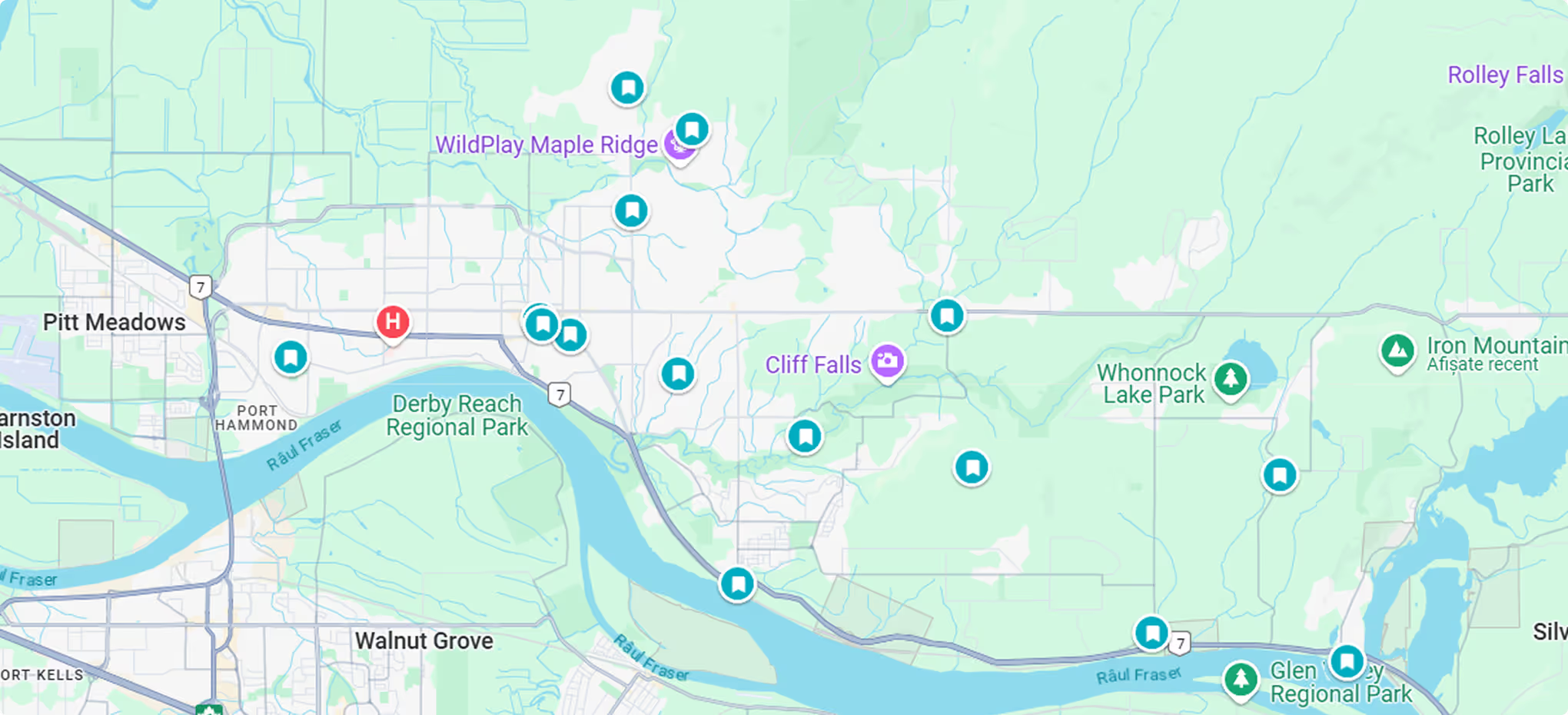
Neighbourhoods in the Fraser Valley