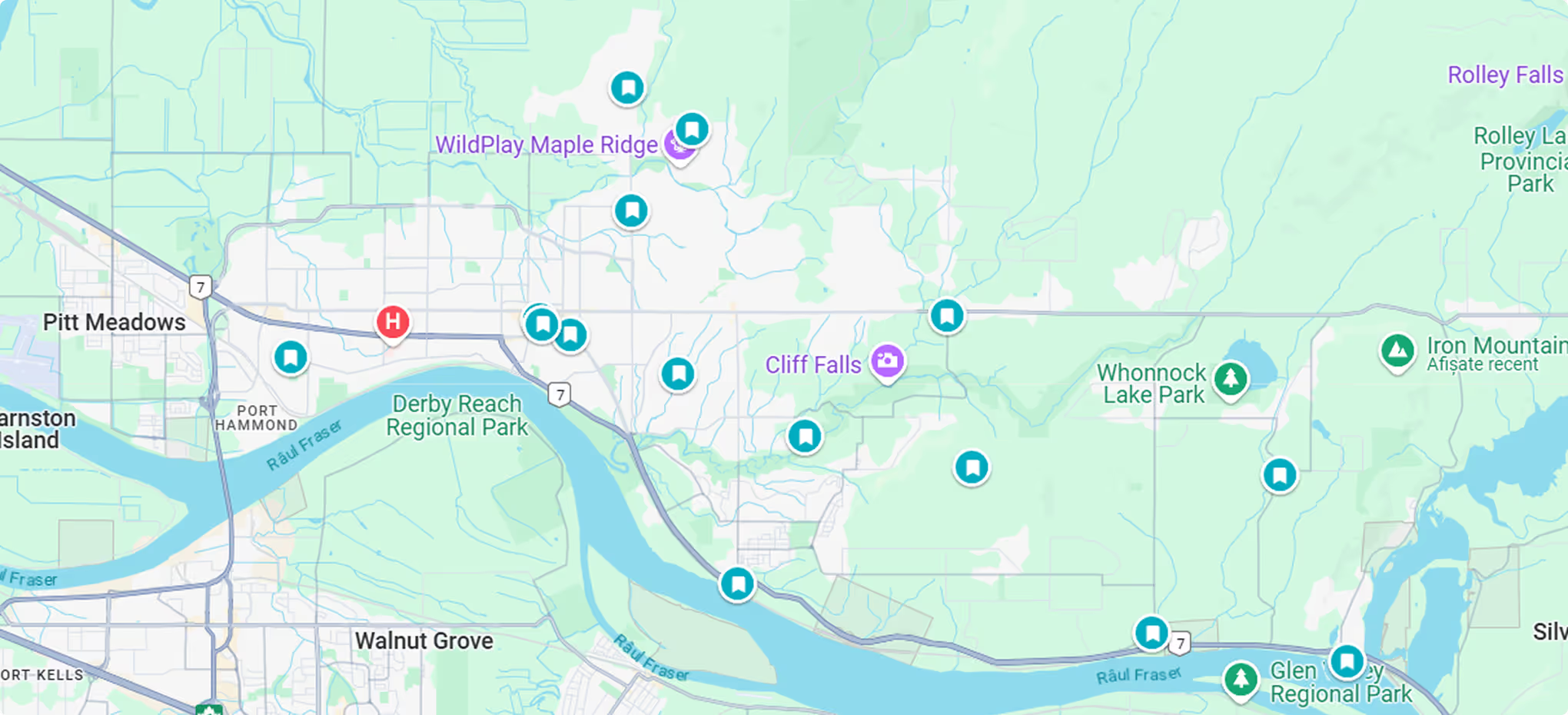
Heat Pump in South Meadows, BC
Efficient Heat Pump Installations for Your Home Comfort
Struggling with inconsistent temperatures and high energy bills in your home? Our heat pump installations ensure year-round comfort and optimized energy efficiency in South Meadows. Contact us today to schedule your site assessment or to discuss available financing options.
- Rapid installation process to minimize disruption to your daily routine.
- Tailored sizes and models for maximum efficiency specific to the South Meadows climate.
- Long-term savings on energy bills with high COP (Coefficient of Performance) systems.
Fully licensed installations with comprehensive warranties and flexible financing options.

Achieve Reliable Home Temperatures All Year Round
Homeowners in South Meadows face a unique set of climate challenges. With a temperate oceanic climate that brings damp, near-freezing winters and increasingly warm summers, reliance on outdated heating methods often leads to discomfort. Traditional furnaces may struggle to distribute heat evenly without drying out the air, while baseboard heaters can cause electricity bills to spike significantly during the colder months. A heat pump serves as a dual-purpose solution, managing both heating and cooling through a single, efficient system.
The core advantage of installing a modern heat pump lies in the technology of heat transfer. Unlike a furnace that burns fuel to create heat, or electric baseboards that use resistance to generate warmth, a heat pump moves existing heat from one place to another. In the winter, it extracts latent heat energy from the outdoor air—even when it is cold outside—and compresses it to warm your home. In the summer, the cycle reverses, acting exactly like an air conditioner to pull heat and humidity out of your interior space.
Rep-Air Heating and Cooling specializes in configuring these systems to handle the specific humidity levels found in British Columbia. High humidity affects how systems perform, particularly regarding defrost cycles in winter. Professional installation ensures that the unit is calibrated to manage the damp cold efficiently, preventing ice buildup on the outdoor coil and ensuring that your indoor temperature remains stable regardless of the weather outside.
What You Get With Your Installation
When you commission a heat pump installation, you are investing in a complete overhaul of your home’s thermal management system. The process involves much more than simply swapping out a box outside. A comprehensive installation service includes a full evaluation of the building envelope to ensure the new hardware matches the heating and cooling load requirements of the structure.
Load Calculation and Sizing:
Technicians perform a detailed Manual J load calculation. This determines the exact British Thermal Unit (BTU) capacity required to heat and cool the square footage efficiently. Undersized units run constantly without reaching the set point, while oversized units short-cycle, leading to premature wear and poor humidity control.
Equipment Integration:
The service includes the delivery and placement of the outdoor condenser unit and the indoor air handler or evaporator coil. For homes utilizing existing ductwork, the new coil is integrated into the plenum. For ductless setups, head units are mounted securely in designated zones.
Electrical and Refrigerant Lines:
New high-voltage electrical disconnects and whips are installed to meet current safety codes. Insulated copper refrigerant linesets are run between the indoor and outdoor units, secured to prevent vibration and damage.
Condensate Management:
Proper drainage systems are installed to handle the water removed from the air during the cooling cycle and the defrost cycle in winter. This often involves gravity drains or condensate pumps to route water away from the foundation.
Thermostat and Control Setup:
Modern heat pumps require compatible thermostats that can handle multi-stage heating and cooling. The installation includes setting up these controls and configuring them to prioritize the heat pump over any auxiliary heat strips, maximizing energy savings.
How the Installation Process Works
Understanding the workflow of a heat pump installation helps homeowners prepare for the project. The timeline varies based on complexity, but the sequence of events remains consistent to ensure technical accuracy and system longevity.
Site Preparation and Removal:
First, the installation team prepares the workspace. This involves protecting flooring and moving furniture if necessary. If replacing an existing central air or heat pump system, the refrigerant is pumped down and recovered according to environmental regulations before the old equipment is disconnected and hauled away.
Outdoor Unit Placement:
Next, the outdoor unit is positioned. It is placed on a composite pad or mounted on wall brackets to keep it above the snow line and ensure proper airflow. Leveling is critical here; a tilted unit can cause the compressor oil to distribute unevenly, leading to mechanical failure.
Indoor Unit and Connections:
Technicians then move inside to install the air handler or coil. Once the major components are in place, the refrigerant lines are brazed. This creates a sealed system. A nitrogen purge is performed during brazing to prevent oxidation inside the copper pipes, which safeguards the compressor valves.
Pressure Testing and Vacuuming:
Before refrigerant is released, the system undergoes a high-pressure nitrogen test to check for leaks. Following this, a deep vacuum is pulled on the lines to remove all moisture and non-condensibles. Moisture inside the lines can freeze or react with oil to form acid, so this step is non-negotiable for system health.
Startup and Commissioning:
Finally, the refrigerant charge is weighed in according to the manufacturer's specifications. The system is powered up, and technicians measure airflow, static pressure, and temperature splits to verify performance. The homeowner receives a walkthrough of the new system operations and maintenance requirements.
When to Replace vs. Repair Your Current System
Deciding between repairing an aging HVAC system or investing in a new heat pump installation is a common dilemma. While repairs may seem cheaper upfront, they often act as a temporary fix for a system that is bleeding money through inefficiency. There are specific technical indicators that suggest replacement is the more prudent financial decision — view current promotions.
System Age:
Heat pumps and air conditioners typically last 10 to 15 years. If the current equipment is nearing or past this age range, component failures will likely become frequent. Parts availability also becomes an issue for older models, driving up repair costs.
Refrigerant Type:
Older systems often utilize R-22 refrigerant, which has been phased out due to environmental regulations. If an older unit has a refrigerant leak, the cost to recharge it with R-22 is often prohibitively expensive. Modern systems use R-410A or newer alternatives, which are more efficient and readily available.
Cost of Repair Ratio:
Industry professionals often use the "50% rule." If the cost of the repair approaches 50% of the value of a new system, replacement is the smarter choice. Additionally, if you multiply the age of the unit by the repair cost and the number exceeds $5,000, replacement is recommended.
Energy Bill Trends:
If energy usage has increased despite usage habits remaining the same, the internal components of the current system are likely wearing down. A new heat pump can reduce energy consumption significantly, offsetting the monthly cost of a new installation.
Comfort Issues:
Uneven heating, excessive noise, or an inability to maintain the set temperature usually indicate that the compressor or blower motor is failing. Investing in a new installation solves these comfort issues immediately.
Local Installation Considerations in South Meadows
Installing a heat pump in South Meadows, BC, requires adherence to specific local regulations and an understanding of the regional utility landscape. Ignoring these factors can lead to compliance issues or missed financial opportunities.
Permitting and Codes:
Local building codes often require permits for mechanical alterations. This ensures that the installation meets safety standards regarding electrical connections and structural integrity. Professional installers handle the permit application process, ensuring that the work passes all municipal inspections.
Electrical Panel Capacity:
Older homes in the area may have 100-amp electrical panels that are already at capacity. Switching from a gas furnace to an electric heat pump may require a panel upgrade or the installation of a load management device. An assessment of the home’s electrical infrastructure is a standard part of the pre-installation process.
Utility Rebates and Incentives:
BC Hydro and provincial governments frequently offer rebates for switching from fossil fuel heating to electric heat pumps. These programs have specific eligibility requirements, often mandating that the equipment must be installed by a licensed contractor and meet certain efficiency ratings (HSPF and SEER). Documentation provided by the installer is required to claim these funds.
Climate-Specific Accessories:
Given the rainfall and occasional snow in South Meadows, the outdoor unit needs protection. Snow stands or risers are necessary to prevent the unit from being buried in drifts, which would block airflow. Additionally, a rain shield or snow hood may be recommended to prevent ice from forming on the fan blades during freezing rain events.
Noise Bylaws:
Municipalities often have bylaws restricting the decibel level of outdoor mechanical equipment at the property line. Modern inverter-driven heat pumps are significantly quieter than older single-stage units, ensuring compliance with local noise ordinances and maintaining peace with neighbors.
Why Professional Sizing and Installation Matters
The efficiency and lifespan of a heat pump are dictated almost entirely by the quality of the installation. Even the highest-rated equipment will fail to perform if it is installed incorrectly. The nuances of airflow, refrigerant charge, and control wiring require specialized training.
Preventing Short Cycling:
Oversized units cool or heat the space too quickly and shut off before completing a full cycle. This "short cycling" puts immense stress on the compressor and fails to dehumidify the air properly. Professional sizing ensures the unit runs for long, efficient cycles that maintain consistent comfort.
Ductwork Modifications:
Existing ductwork designed for a high-temperature gas furnace may not be sized correctly for the lower-temperature, high-volume airflow of a heat pump. A professional assesses the static pressure of the ducts and makes necessary modifications to prevent noise and ensure adequate airflow to all rooms.
Warranty Protection:
Manufacturers’ warranties almost always require proof of installation by a licensed HVAC professional. DIY or handyman installations often void these warranties, leaving the homeowner liable for expensive parts if a manufacturing defect occurs.
Safety Assurance:
Heat pump installation involves handling high-voltage electricity and high-pressure refrigerants. Licensed technicians are trained to handle these hazards safely, protecting your home and family from electrical fires or chemical leaks.
Schedule Your Service Now
Investing in a professional heat pump installation upgrades your home’s infrastructure, reduces your carbon footprint, and provides reliable comfort regardless of the season. Whether you are replacing an oil furnace or upgrading an old air conditioner, the transition to modern heat pump technology offers immediate benefits in comfort and control.
For residents in South Meadows ready to optimize their home heating and cooling, Rep-Air Heating and Cooling provides the expertise required for a seamless transition. Secure your installation today and experience the difference of a perfectly calibrated climate control system.
hear what our satisfied clients have to say
Neighbourhoods in the Fraser Valley