Heat Pump in Townline Hill, BC
Unpredictable Home Temperatures and Rising Energy Costs Demand Reliable Solutions
Facing unexpected cold snaps or sweltering summer heat waves in British Columbia requires a system that can adapt instantly. Old furnaces and inefficient baseboard heaters often fail to provide consistent comfort, leading to skyrocketing utility bills and uneven temperatures throughout your home. If your current system is faltering, contact us today to schedule a comprehensive assessment and secure your comfort.
Rep-Air Heating and Cooling provides advanced heat pump technology designed to handle the specific climate challenges of the region, ensuring your home remains a sanctuary regardless of the weather outside. Whether you reside in Townline Hill or the surrounding Fraser Valley areas, upgrading to a modern heat pump serves as both a heating and cooling solution, eliminating the need for separate systems.
- Install today with certified technicians available to handle your project efficiently.
- Enjoy significantly lower energy bills and precise temperature control through inverter technology.
- Benefit from substantial governmental rebates available for eco-friendly heat pump upgrades.
- Rest easy with fully licensed service, extensive manufacturer warranties, and flexible financing options.

Comprehensive Heat Pump Installation and Replacement Services
When you invest in a new heat pump system, you are purchasing more than just a piece of hardware; you are securing a complete climate control solution tailored to your property’s thermal envelope. Modern heat pumps are far more sophisticated than systems from a decade ago. They utilize variable-speed compressors and advanced refrigerant cycles to transfer heat rather than generate it, which results in efficiency ratings that can reach upwards of 300 to 400 percent compared to electric resistance heating.
The scope of a standard installation involves a detailed technical evaluation of your current ductwork, electrical capacity, and insulation levels. Many older homes in the Townline Hill area may require modifications to accommodate high-efficiency units. This service includes the safe removal and disposal of your existing furnace or air conditioner, adherence to all environmental regulations regarding refrigerant recovery, and the precise placement of both the indoor air handler and the outdoor condenser unit.
You receive a system designed for year-round performance. In the winter, the system extracts latent heat from the outdoor air—even in freezing temperatures—and transfers it inside. In the summer, the cycle reverses, acting as a high-efficiency air conditioner that removes humidity and heat from your living space. This dual functionality simplifies your home maintenance by reducing the number of mechanical systems you need to manage.
Key inclusions in our installation service:
- Load Calculation: We perform a Manual J load calculation to ensure the unit is neither undersized (which causes constant running) nor oversized (which causes short-cycling and humidity issues).
- Equipment Selection: Options range from centrally ducted systems that utilize existing vents to ductless mini-split systems for homes without ductwork.
- Site Preparation: This includes leveling the ground for the outdoor unit, installing vibration pads to reduce noise, and mounting snow stands to protect the unit during BC winters.
- Electrical Integration: Verification of voltage and amperage requirements, often involving the installation of a new disconnect box and whip.
- Thermostat Upgrade: Installation of smart thermostats compatible with the new heat pump to maximize efficiency and allow for remote control.
The Heat Pump Installation Process
A professional installation follows a rigorous workflow to ensure longevity and peak performance. Cutting corners during this phase can lead to compressor failure, refrigerant leaks, or inefficient operation. We adhere to a strict protocol that aligns with manufacturer specifications and local building codes.
Site Assessment and Sizing
- Technicians arrive to inspect the layout of your home, measuring window sizes, insulation quality, and square footage.
- The team evaluates the electrical panel to confirm it can support the startup amperage of the heat pump.
- A specific location for the outdoor unit is chosen to ensure proper airflow and minimize noise transfer to bedrooms or neighbors.
Removal of Existing Equipment
- If replacing an old unit, the power is disconnected, and remaining refrigerant is recovered into certified cylinders to prevent environmental contamination.
- The old unit is disconnected from the plenum and carefully removed from the premises.
- The area is cleaned and prepped for the new equipment.
Indoor and Outdoor Unit Installation
- The indoor coil or air handler is set in place and sealed to the existing ductwork to prevent air leakage.
- The outdoor condenser is positioned on a composite pad or snow stand to ensure stability and drainage.
- Refrigerant lines (the lineset) are run between the two units, often concealed within line hide covers for a clean aesthetic.
System Connection and Commissioning
- Technicians braze or flare the copper lines to create a sealed system.
- A vacuum pump is used to remove all moisture and air from the lines, achieving a deep vacuum measured in microns.
- The system is charged with the precise amount of refrigerant required for the length of the lineset.
- Electrical connections are finalized, and the system is powered up for testing.
Final Testing and User Walkthrough
- Static pressure tests confirm that airflow is sufficient across the coil.
- Temperature splits are measured to verify the system is heating or cooling within range.
- The technician walks you through the operation of the new thermostat, explaining maintenance requirements like filter changes.
When to Replace vs. Repair Your Heating System
Deciding between repairing an aging system or investing in a new heat pump is a financial and logical calculation. While repairs may seem cheaper upfront, the cumulative cost of fixing an obsolete system often outweighs the price of a modern replacement, especially when factoring in energy savings and rebates.
Residents in BC often face this decision when older furnaces start failing during critical months. If your current equipment is over 10 to 15 years old, it is likely nearing the end of its service life. Heat pumps generally have a lifespan of 15 years, but efficiency drops significantly as components wear out.
Consider replacement if you observe the following:
- Rising Utility Bills: If your energy consumption is increasing despite usage remaining the same, the system is losing efficiency.
- Frequency of Breakdowns: If you require repairs more than once a year, or if a single repair costs more than 50% of the value of a new system.
- Inconsistent Comfort: Rooms that are too hot or too cold indicate that the system can no longer distribute air effectively or that the compressor is failing.
- Noise and Air Quality: Excessive rattling, buzzing, or an increase in dust and humidity levels suggest internal mechanical failure or ductwork issues.
- Refrigerant Type: If your older AC or heat pump uses R-22 refrigerant (Freon), it is phased out and incredibly expensive to replace. Upgrading to a system with R-410A or newer eco-friendly refrigerants is the only viable long-term option.
Local Considerations: Permits, Utilities, and Climate
Installing a heat pump in Townline Hill and the broader British Columbia region involves specific considerations regarding local bylaws, electrical grids, and environmental incentives. Unlike generic installations, local projects must account for the distinct shift between wet, coastal winters and the potential for dry, hot summers.
Permits and Bylaws
Compliance is mandatory. Most heat pump installations require an electrical permit. If the project involves altering gas lines (such as removing a gas furnace for an electric heat pump), a gas permit is also necessary. Local noise bylaws in residential neighborhoods like Townline Hill also dictate where an outdoor unit can be placed relative to property lines. We manage the permitting process to ensure the installation passes all municipal inspections.
Climate-Specific Requirements
BC’s climate varies, but the Fraser Valley typically experiences high humidity. This requires heat pumps with superior defrost capabilities. When the outdoor temperature drops near freezing, moisture in the air can freeze on the outdoor coil. A properly sized heat pump for this region will have an intelligent defrost cycle that melts this ice without significantly disrupting indoor comfort. For colder snaps, "Cold Climate" heat pumps are recommended, as they can maintain 100% efficiency down to -15°C or lower without relying on backup electric heat strips.
Rebates and Incentives
The transition to electrification is heavily supported by provincial and federal programs. Homeowners in BC may be eligible for the CleanBC Better Homes and Home Renovation Rebate Programs. These rebates can offset a significant portion of the installation cost, provided the equipment is on the qualifying product list and installed by a licensed contractor. Rep-Air Heating and Cooling ensures that the models we recommend meet the strict efficiency criteria (HSPF and SEER ratings) required to qualify for these financial incentives.
Electrical Utility Context
Since BC Hydro generates the vast majority of the province's electricity through hydroelectric dams, switching from fossil fuels (like natural gas or oil) to an electric heat pump significantly reduces your carbon footprint. This aligns with provincial "CleanBC" goals. However, older homes with 100-amp panels may need a service upgrade to 200 amps to handle the additional electrical load of a heat pump, particularly if you are also adding EV chargers or other high-draw appliances.
Professional Installation Ensures Efficiency and Longevity
The performance of a heat pump is directly tied to the quality of its installation. Studies indicate that a significant percentage of HVAC systems are incorrectly charged or sized, leading to efficiency losses of up to 30%. A system that is slightly off-level, has poor duct sealing, or is charged with the wrong amount of refrigerant will not deliver the promised savings.
We differentiate our service through rigorous adherence to industry best practices.
- Technical Certification: Our team holds relevant trade certifications (such as Red Seal) and stays updated on the latest inverter technology and refrigerant handling procedures.
- Custom Metalwork: Where necessary, we fabricate custom transitions to ensure your new unit fits perfectly with existing ductwork, minimizing static pressure and maximizing airflow.
- Post-Installation Support: We provide clear documentation, warranty registration assistance, and maintenance plans to keep your warranty valid.
Call Us Today
Choosing a certified provider guarantees that your system operates as intended, qualifying you for manufacturer warranties that can last up to 10 or 12 years. Unauthorized installation often voids these warranties instantly. We ensure that every wire, weld, and setting is calibrated for the specific thermal dynamics of your home.
Secure your home’s comfort and efficiency today. Contact us to discuss your heat pump options and begin the journey toward a more comfortable, energy-efficient home.
hear what our satisfied clients have to say
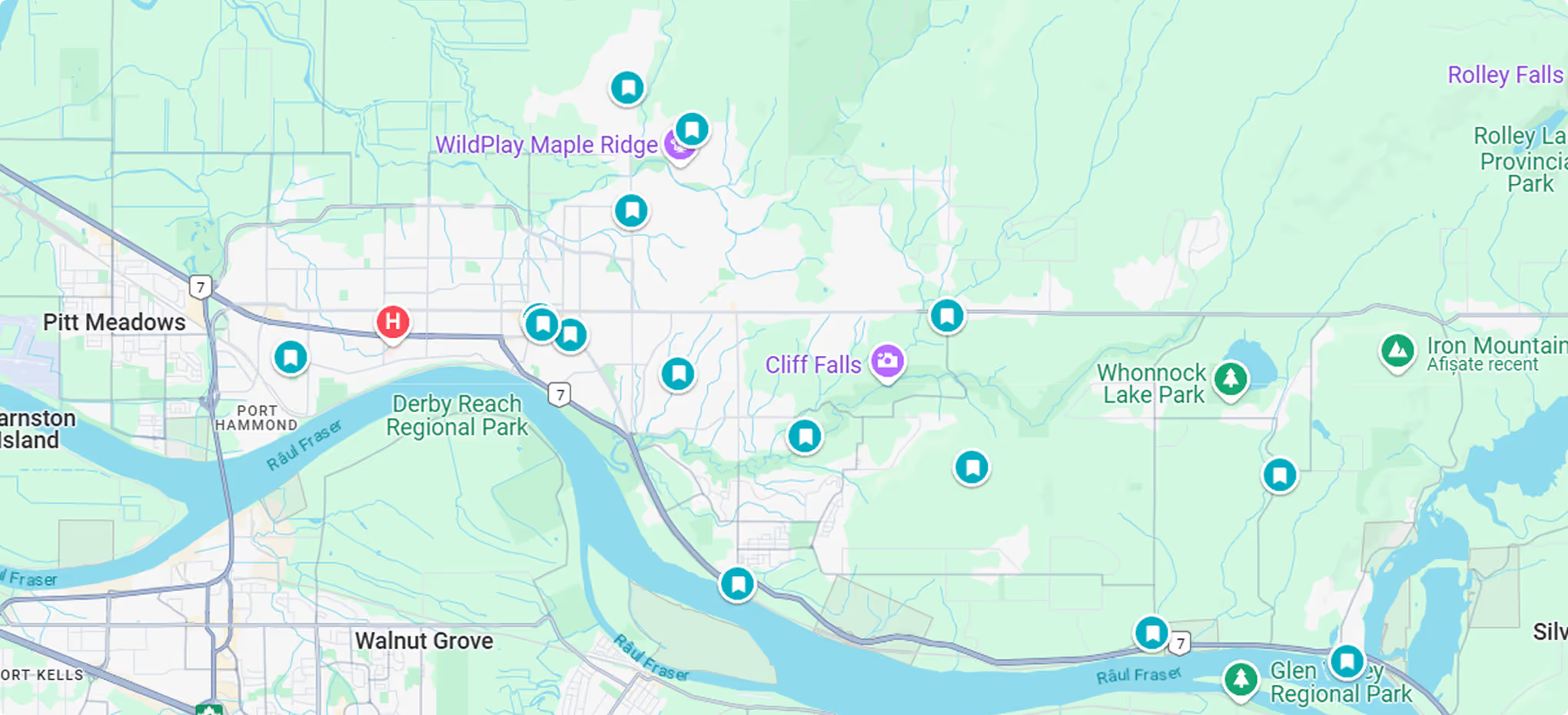
Neighbourhoods in the Fraser Valley