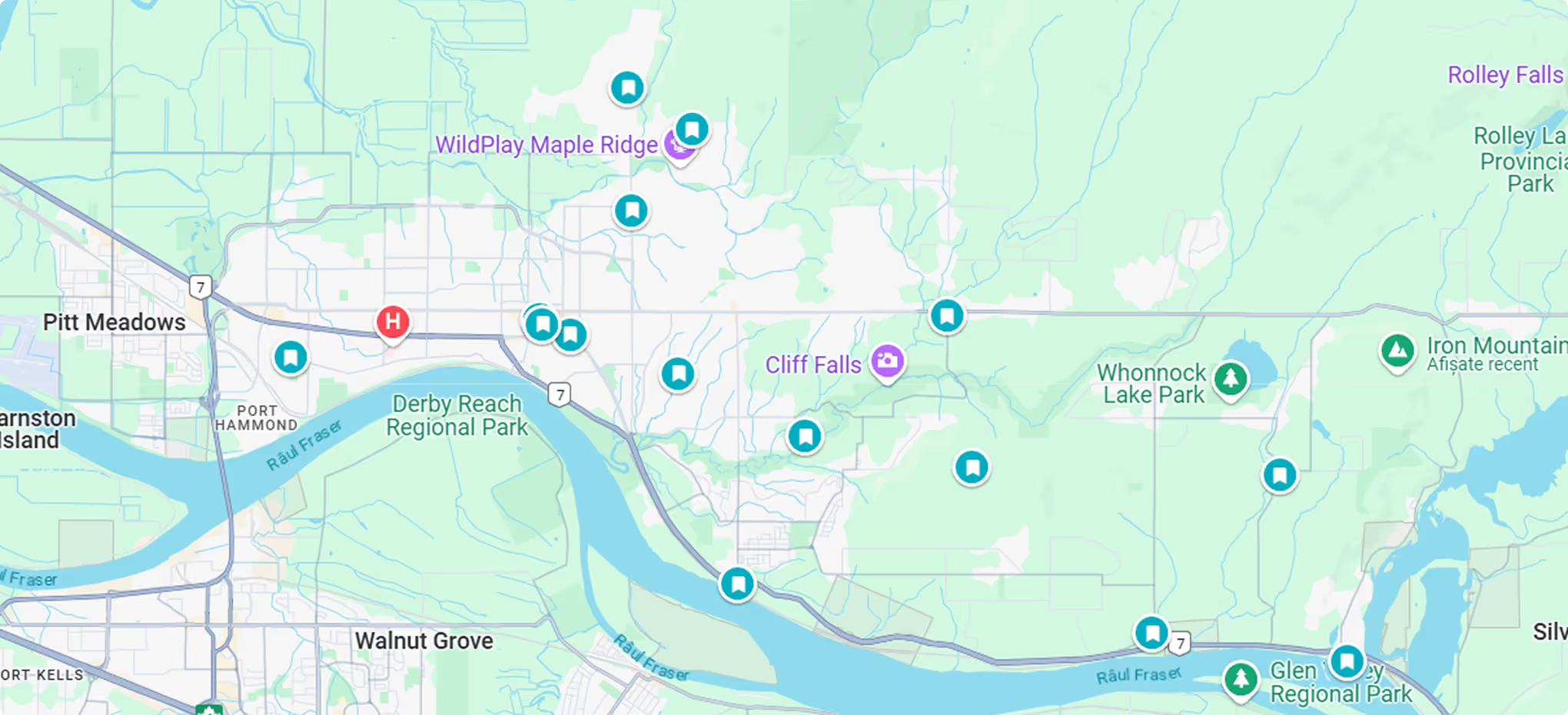
Heat Pump in West Meadows, BC
Is Your Heat Pump Failing When You Need It Most?
A malfunctioning climate control system during a cold snap or a heatwave creates immediate stress and impacts the safety of your home environment. At Rep-Air Heating and Cooling, we understand that a consistent indoor temperature is critical to your comfort and well-being, which is why we offer rapid response times for residents in West Meadows. We provide emergency diagnostics and accessible payment plans to ensure your comfort is restored without delay.
When your system stops working, you need a solution that goes beyond a temporary patch. You need a comprehensive repair that ensures longevity and efficiency.
- Immediate diagnostics and on-site repairs to restore functionality quickly.
- Optimization services to enhance system efficiency and reduce long-term utility costs.
- Flexible financing options to help you manage unexpected repair expenses without delay.
Backed by comprehensive warranties and adherence to all local safety permits, our services ensure peace of mind with every visit.

Comprehensive Diagnostics and Repair Scope
When a heat pump fails, the symptoms are often obvious, but the root cause requires technical expertise to identify. Homeowners in British Columbia frequently encounter issues ranging from reduced airflow to complete system refusal. A professional service visit is designed to isolate these variables and provide a definitive path forward.
In West Meadows, where the oceanic climate brings significant moisture, specific components are more prone to wear than in drier regions. The repair scope focuses on the entire thermodynamic cycle of the unit, ensuring that both the indoor air handler and the outdoor compressor unit are communicating correctly.
Upon arrival, a technician evaluates several critical performance metrics:
- Refrigerant Levels and Pressure: Low refrigerant indicates a leak, which not only prevents heating or cooling but can also damage the compressor. Technicians locate the leak, repair the seal, and recharge the system to manufacturer specifications.
- Electrical integrity: Loose connections, frayed wiring, or failing capacitors are common culprits for systems that trip breakers or refuse to start.
- Airflow and Filtration: Blocked filters or ductwork issues can cause the system to overheat or freeze up. Assessing static pressure helps determine if airflow restrictions are straining the motor.
- Thermostat Calibration: Sometimes the issue lies in the control interface. Ensuring the thermostat reads the ambient temperature correctly is a vital first step.
- Defrost Cycle Functionality: Given the high precipitation in the region, the defrost cycle is essential. If the reversing valve or sensors fail, the outdoor unit can turn into a block of ice, halting heat transfer.
The Repair Execution Process
Understanding what happens during a service call eliminates uncertainty. The goal is to minimize disruption to your daily routine while ensuring the repair is conducted according to strict industry standards. The process is linear, transparent, and focused on restoring your home's comfort as fast as possible.
- Initial Assessment and Safety Check: The technician first shuts off power to the unit to perform a safe inspection. They will listen for unusual noises, look for visible signs of damage, and use diagnostic tools to read error codes from the control board.
- Detailed Explanation and Quote: Once the problem is identified, you receive a clear explanation of the failure. You are presented with a straightforward quote that outlines the cost of parts and labor. No work begins until you approve this scope.
- Part Replacement and Repair: Using high-quality, OEM-equivalent parts, the technician performs the necessary repairs. This may involve brazing copper lines, replacing fan motors, or installing new control boards.
- System Testing and Calibration: After the repair is complete, the system is restarted and monitored. The technician measures the temperature differential (delta T) between the supply and return air to ensure the unit is heating or cooling effectively.
- Site Cleanup and Final Report: The workspace is left clean, and you receive a detailed service report documenting the work performed, which is essential for maintaining your warranty validity — read our reviews.
Recognizing Critical Failure Signals
Waiting until the system completely shuts down can lead to more expensive repairs or the need for a full replacement. Recognizing early warning signs allows you to schedule service before a catastrophic failure occurs.
If you notice any of the following, professional intervention is required immediately:
- Short Cycling: The unit turns on and off frequently without reaching the set temperature. This puts immense strain on the compressor and drastically increases energy bills.
- Ice Buildup in Winter: While a light frost is normal during the defrost cycle, thick layers of ice on the outdoor unit indicate a failure in the defrost controls or low refrigerant levels.
- Strange Noises: Grinding, squealing, or clicking sounds suggest loose parts, motor bearing failure, or electrical issues.
- Auxiliary Heat Dependency: If your thermostat constantly shows "Aux Heat" or "Emergency Heat" even when temperatures are mild, the heat pump is not functioning, and you are running on expensive electric resistance heating.
- Unexplained Energy Spikes: A sudden increase in your hydro bill without a change in usage habits often points to a loss of efficiency within the heat pump system.
Repair vs. Replace: Making a Financial Decision
One of the most difficult decisions a homeowner faces is whether to invest in a repair or opt for a full system replacement. This decision should be based on data, system age, and financial logic rather than emotion.
Rep-Air Heating and Cooling helps you navigate this choice by providing a clear cost-benefit analysis.
Consider the following factors when deciding the future of your HVAC system:
- The 50% Rule: If the cost of the repair approaches 50% of the value of a new system, replacement is generally the wiser financial move. Investing heavy capital into an aging asset often leads to diminishing returns.
- System Age: The average lifespan of a heat pump is between 10 and 15 years. If your unit is over 12 years old and requires a major component like a compressor, replacement offers better long-term value through improved efficiency and new warranties.
- Frequency of Breakdowns: If you have required multiple repairs in the last two years, the system is likely entering the end of its reliable service life. Continuing to patch it is often more expensive than the monthly cost of financing a new unit.
- R-22 Refrigerant: Older systems utilizing R-22 refrigerant are becoming obsolete. As this refrigerant is phased out, repairs involving leaks become prohibitively expensive. upgrading to a system with R-410A or newer eco-friendly refrigerants is recommended.
Local Climate Factors and Regulatory Compliance
Operating a heat pump in West Meadows presents unique challenges due to the specific regional climate. The mild, temperate oceanic weather is generally ideal for heat pumps, but the high annual precipitation, particularly from October to March, creates specific maintenance requirements.
Moisture and Defrost Management
The combination of temperatures hovering near freezing and high humidity creates the perfect conditions for frost accumulation on outdoor coils. Local systems must have perfectly functioning defrost boards. If the outdoor unit is situated under a roof drip line without protection, freezing rain and gutter runoff can damage the fan blades and encase the unit in ice. Professional installation and repair take these placement factors into account.
BC Hydro and Rebate Programs
British Columbia offers various incentives for energy-efficient upgrades. When a repair is not feasible, and a replacement is necessary, homeowners may be eligible for rebates through BC Hydro or federal initiatives — view our promotions. These programs are designed to encourage the adoption of high-efficiency heat pumps that work effectively in the local climate. Using a certified contractor is a mandatory requirement to qualify for these rebates.
Permit and Code Adherence
Any major repair involving electrical modifications or refrigerant handling requires adherence to provincial safety codes. Technicians must hold valid tickets for refrigeration and gas (if it is a dual-fuel system). Ensuring that your service provider pulls the necessary permits protects your home insurance policy and ensures the work meets the strict safety standards enforced in the region.
Why Professional Service Protects Your Investment
Attempting DIY repairs on a heat pump is dangerous and often voids manufacturer warranties. These systems operate under high pressure and high voltage. A professional brings the necessary expertise to handle these hazards safely.
- Warranty Preservation: Most manufacturers require proof of professional maintenance and repair to honor parts warranties.
- Specialized Tools: diagnosing a refrigerant leak or testing a capacitor requires calibrated industrial tools that are not available to the average consumer.
- Long-Term Reliability: A professional fix addresses the root cause, not just the symptom. This prevents the same issue from recurring weeks later.
Restoring the comfort of your home requires swift, decisive action from a team that understands the technical demands of modern heat pumps. Don't let a minor issue escalate into a major system failure.
Secure your appointment today for fast, reliable heat pump repair.
hear what our satisfied clients have to say
Neighbourhoods in the Fraser Valley