Heat Pump Repair in Abbotsford, BC

Heat Pump Repair in Abbotsford, BC
Heat pump failures interrupt comfort and can increase energy bills quickly, especially during Abbotsford’s damp springs and cool winters. Whether your system won’t heat, runs loudly, or shows refrigerant leaks, a focused diagnostic and repair approach restores reliable performance. This page explains common problems in Abbotsford homes, how technicians diagnose faults, typical repairs and parts replacement, warranty considerations, emergency response options, and what to expect during a repair visit.
Common heat pump issues in Abbotsford homes
Abbotsford’s coastal-influenced climate puts unique demands on heat pumps. Humidity, pollen and heavy seasonal use can accelerate wear. Frequent problems include:
- No heat or no cooling: System runs but delivers little conditioned air. Causes range from refrigerant loss and compressor failure to thermostat or control-board faults.
- Short-cycling or frequent on/off: Often caused by incorrect refrigerant charge, faulty thermostats, blocked airflow, or safety switches. Short-cycling reduces efficiency and increases wear.
- Noisy operation: Grinding, rattling or loud humming may indicate failing fan motors, loose mounts, worn bearings, or failing compressors.
- Refrigerant leaks: Corroded coils or damaged lines can leak refrigerant, reducing capacity and risking compressor damage.
- Compressor or fan failures: Burned-out compressors or motors are common end-of-life issues, especially in older units or systems exposed to moisture and debris.
- Defrost and cycling problems: In colder months, improper defrost control can cause ice buildup and restricted airflow.
- Insufficient airflow and drainage issues: Dirty coils, clogged filters, or blocked condensate drains reduce performance and can cause water damage.
How the diagnostic process works
A methodical diagnostic identifies the root cause rather than applying quick fixes. Typical diagnostic steps:
- Customer history and symptom check: When symptoms started, recent performance, and any pattern related to weather.
- Visual and safety inspection: Check electrical panels, visible refrigerant lines, drain pans and general unit condition.
- Electrical testing: Measure currents, voltages, and safety interlocks to identify failed capacitors, contactors or burned wiring.
- Airflow and duct inspection: Assess filter condition, blower operation and duct restrictions that affect performance.
- Refrigerant pressure testing: Measure pressures and temperatures to detect undercharge, overcharge or restrictions.
- Leak detection: Use electronic leak detectors or dye methods to locate refrigerant loss.
- Component testing: Test compressors, reversing valves, thermostats and control boards for proper function.
- Performance test: Run the system under load to verify repair needs and expected outcome.
Technicians working in BC follow regulated refrigerant handling practices and use certified equipment to ensure safe, compliant work.
Typical repair procedures and parts replacement
Repairs are prioritized by safety and restoring efficient operation. Common procedures include:
- Refrigerant leak repair and recharge: Locate and repair leak sites, replace damaged line sets or coils if necessary, evacuate and recharge with the correct refrigerant following regulations.
- Compressor replacement: When compressors fail, replacement includes proper recovery of refrigerant, new compressor installation, and system evacuation and recharge.
- Fan motor and blower repairs: Replace worn fan motors, bearings or blower assemblies to eliminate noise and restore airflow.
- Electrical component replacement: Replace capacitors, contactors, relays and control boards that fail electrical testing.
- Reversing valve and defrost control repairs: Repair or replace reversing valves and defrost controls to restore heating mode and prevent icing.
- Coil cleaning and coil replacement: Clean coils to improve heat transfer; replace severely corroded or damaged coils.
- Thermostat and sensor repairs: Calibrate or replace thermostats and temperature sensors for accurate control.
- Drain and condensate repairs: Clear or repair condensate drains and pans to prevent water damage and microbial growth.
Parts used may be OEM or high-quality aftermarket equivalents depending on system compatibility and warranty considerations.
Warranty, parts and documentation
Understanding warranties helps protect your investment:
- Manufacturer warranties: Often cover major components like compressors for a defined period. Repairs that alter original equipment can affect factory warranties.
- Repair parts warranty: Independent repair parts commonly include a limited parts and labour warranty; specifics vary by supplier and technician.
- Documentation: A complete service report should list findings, parts replaced, refrigerant handling records, and recommendations. Keep these documents for warranty support and future resale value.
- OEM vs aftermarket: OEM parts preserve original performance and warranty alignment; quality aftermarket parts can be reliable and cost-effective but may come with different warranty terms.
Emergency and quick-response options
Heat pump issues can be urgent during cold spells or when high humidity causes mold risk. Emergency response options typically include:
- Priority diagnostics during cold snaps to minimize downtime.
- After-hours or weekend crews available for severe failures or safety-related faults.
- Temporary safety measures such as isolating faulty circuits, running alternate heating modes, or advising on temporary supplemental heat to protect occupants and property.
- Rapid parts sourcing for common components; larger or discontinued parts may require ordering times.
Response times will vary by part availability and local demand but service protocols focus on safe stabilization first and full repair as soon as possible.
What to expect during a repair visit
A professional repair visit in Abbotsford typically follows this flow:
- Technician arrival with safety gear and diagnostic tools.
- Brief review of symptoms and any prior service history.
- Live diagnostics and explanation of findings in plain language.
- Written repair estimate and expected timeframe for parts if required.
- Onsite repairs when parts are available, or scheduling for follow-up if parts must be ordered.
- Post-repair performance verification and documentation of work completed.
Diagnostics commonly take 45 to 90 minutes. Simple repairs may be completed the same day; major component replacements can take 1 to 3 days depending on parts availability.
Preventive maintenance and long-term benefits
Regular maintenance reduces emergency repairs and prolongs system life:
- Seasonal tune-ups to check refrigerant levels, clean coils, inspect electrical components, and test defrost cycles.
- Quarterly filter changes or higher frequency in dusty or pollen seasons.
- Annual blower and duct inspections to maintain airflow and indoor air quality.
- Timely repairs of small leaks or electrical faults to avoid costly compressor failures.
Well-maintained heat pumps operate more efficiently, lower energy use, and keep homes in Abbotsford comfortable year round.
Timely, professional heat pump repair safeguards comfort and efficiency. A careful diagnostic approach, quality parts, documented warranties and adherence to refrigerant handling standards are critical to restoring reliable performance in Abbotsford, BC homes.
hear what our satisfied clients have to say
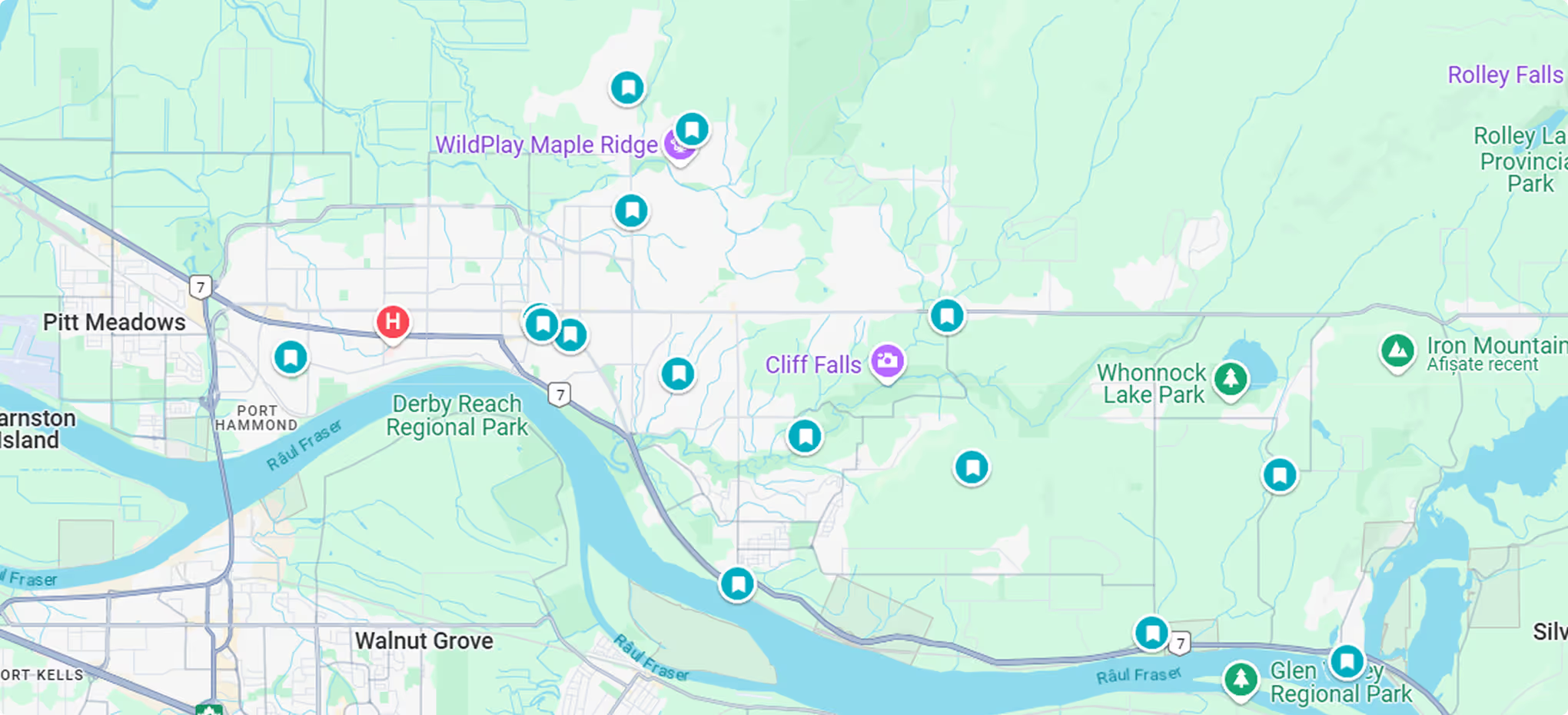
Neighbourhoods in the Fraser Valley