Heat Pump in Willoughby, BC
Restoring Comfort When Your Climate Control System Underperforms
Experiencing inefficiency, strange noises, or frequent breakdowns with your heat pump can disrupt your daily routine and lead to skyrocketing energy bills. You need a solution that addresses the root cause immediately, restoring the balance of temperature in your home without unnecessary delays. Contact us to schedule a comprehensive diagnostic inspection or ask about our financing options today.
Homeowners in Willoughby often rely on these versatile systems for year-round comfort, but when they fail, the impact is felt immediately. Whether the unit is refusing to switch from cooling to heating or is blowing lukewarm air during a cold snap, prompt professional intervention is required to protect your investment. Rep-Air Heating and Cooling specializes in diagnosing and rectifying complex heat pump issues to ensure your system operates at peak efficiency.
- Obtain rapid, professional servicing and installation to minimize downtime.
- Benefit from seasonal maintenance packages designed to sustain peak performance.
- Access current rebate programs and flexible financing solutions.
All services are backed by comprehensive warranties and certified expertise to give you total peace of mind.

Comprehensive Diagnostics and Service Inclusions
When you request service for a heat pump, you are looking for more than a quick fix; you need a thorough analysis of the system’s thermodynamics and electrical components. A heat pump is a complex piece of machinery that moves heat rather than generating it, requiring precise calibration of refrigerant levels and airflow. The service provided covers a complete evaluation of both the indoor air handler and the outdoor condenser unit.
Technicians arrive equipped to handle a wide array of mechanical and electrical challenges. The primary goal is to identify whether the issue stems from a lack of maintenance, component failure, or external environmental factors. This diagnostic phase includes testing the reversing valve—the critical component that switches the unit between heating and cooling modes—as well as checking the compressor for proper amperage and voltage.
Service and repair appointments typically include:
- Refrigerant Charge Verification: Technicians measure superheat and subcooling levels to ensure the refrigerant charge meets manufacturer specifications. Incorrect levels can lead to frozen coils or compressor burnout.
- Electrical System Inspection: All electrical connections are tightened, and capacitors are tested. Loose connections can cause dangerous overheating, while weak capacitors can prevent the compressor from starting.
- Airflow Analysis: Static pressure tests are performed to ensure the ductwork is not restricting airflow. Blocked filters or collapsed ducts can suffocate the system, drastically reducing efficiency.
- Defrost Cycle Testing: In colder weather, the outdoor unit must occasionally defrost to remove ice buildup. The sensors and control boards governing this cycle are tested to prevent complete system freeze-ups.
- Thermostat Calibration: The interface between the user and the machine is checked to ensure it is reading indoor temperatures accurately and communicating correctly with the equipment.
The Installation and Replacement Process
Installing a new heat pump or replacing an aging unit is a significant project that requires meticulous planning and execution. The efficiency of a heat pump is determined as much by the quality of the installation as it is by the SEER2 (Seasonal Energy Efficiency Ratio) or HSPF2 (Heating Seasonal Performance Factor) rating of the equipment. An improperly sized or installed unit will short-cycle, fail to dehumidify, and wear out prematurely.
The process begins with a load calculation. Unlike older rules of thumb based solely on square footage, modern installation standards require a Manual J calculation. This assessment considers insulation levels, window orientation, air leakage, and local climate data to determine the exact heating and cooling load required for the specific property. This ensures the selected unit is neither undersized (running constantly without reaching the setpoint) nor oversized (turning on and off too frequently, leading to humidity issues).
The installation workflow follows a structured sequence:
- First, the site is prepared, and the existing equipment is safely decommissioned. This involves capturing old refrigerant in accordance with environmental regulations to prevent venting into the atmosphere.
- Next, the new indoor air handler or evaporator coil is positioned and leveled. If existing ductwork is being used, it is inspected and sealed to prevent air loss.
- Then, the outdoor condenser unit is installed on a composite pad or raised stand. Elevation is critical in this region to keep the unit above potential snow accumulation and allow for proper drainage during defrost cycles.
- Following the physical placement, the refrigeration lines are connected. Technicians braze the copper lines while flowing nitrogen through the system to prevent oxidation, ensuring the interior of the pipes remains clean.
- Subsequently, the system is pressure-tested with nitrogen to identify leaks, followed by a deep vacuum evacuation to remove moisture and non-condensables from the lines.
- Finally, the refrigerant is released or added to the factory charge, the electrical wiring is finalized, and the system is commissioned. The technician verifies that all operating parameters fall within the manufacturer’s design specifications before marking the job complete.
Deciding Between Repair and Replacement
Determining whether to repair a malfunctioning unit or invest in a modern replacement is a common dilemma. While repairs often seem like the lower-cost option upfront, they can become a financial drain if the system is nearing the end of its operational lifespan. Heat pumps generally have a service life of 10 to 15 years, depending on usage intensity and maintenance history.
The "50% Rule" is a helpful metric for this decision. If the cost of the repair approaches 50% of the value of the system, or 50% of the cost of a new unit, replacement is usually the wiser financial choice. Additionally, newer models offer variable-speed compressors and advanced inverter technology, which maintain temperature more precisely and use significantly less electricity than single-stage models from a decade ago.
Key factors indicating replacement is the better path include:
- Frequency of Breakdowns: If the system has required multiple repairs within the last two years, it has likely become unreliable. Continual investment in an unreliable asset yields diminishing returns.
- Refrigerant Type: Older systems may utilize R-22 refrigerant, which has been phased out due to environmental concerns. Sourcing R-22 is expensive and difficult, making repairs on these units cost-prohibitive.
- Energy Bills: A sudden or gradual increase in energy consumption without a change in usage habits indicates the internal components are wearing out and losing efficiency. New systems can lower monthly utility costs immediately.
- Comfort Issues: If the heat pump can no longer maintain a consistent temperature, or if some rooms are significantly hotter or colder than others, the system may be undersized or the compressor may be failing.
- Compressor Failure: The compressor is the heart of the system. If this component fails after the warranty period has expired, the cost to replace it is often comparable to installing a brand-new outdoor unit.
Regional Considerations and Site Requirements
Operating a heat pump in Willoughby requires specific attention to local environmental conditions and regulatory standards. While the climate is generally moderate, high humidity levels in winter and occasional cold snaps present unique challenges for heat pump operation. Systems must be optimized to handle the "balance point"—the outdoor temperature at which the heat pump can no longer meet the home's heating demand on its own.
In this region, ensuring the defrost mechanism is functioning correctly is vital. High humidity around the freezing mark causes frost to build up rapidly on the outdoor coil. If the unit does not defrost effectively, airflow is blocked, and heating capacity drops to zero. Many local installations utilize "dual-fuel" or hybrid systems, where a gas furnace takes over heating duties when temperatures drop below a certain threshold, offering the most efficient fuel source for every weather condition.
Local factors to consider include:
- Permitting and Codes: Installation involves high-voltage electrical work and refrigerant handling, requiring permits from local municipal authorities. Compliance with the BC Building Code and local bylaws ensures safety and protects the homeowner’s insurance validity.
- Electrical Capacity: Older homes may need an electrical panel upgrade to accommodate the amperage requirements of a modern heat pump, especially if switching from a fossil-fuel-based system.
- Rebate Eligibility: Various provincial and federal programs, such as CleanBC, often offer substantial rebates for switching to high-efficiency heat pumps. These programs have specific documentation and equipment requirements that must be met during installation.
- Sound Bylaws: Municipalities often have noise bylaws regarding the placement of outdoor mechanical equipment. Modern inverter-driven units are much quieter, but placement relative to property lines and neighbors' windows must still be calculated.
Why Professional Execution Matters
The difference between a heat pump that provides fifteen years of flawless service and one that becomes a monthly headache often lies in the expertise of the service provider. Heat pumps are less forgiving than standard gas furnaces; they require precise airflow and refrigerant charge to function. A variance of just 10% in airflow or refrigerant can reduce efficiency by nearly 20%.
Rep-Air Heating and Cooling utilizes a technical, data-driven approach to service. Technicians focus on total system performance, looking beyond the immediate symptom to ensure the entire heating and cooling envelope is secure. By adhering to strict industry protocols and utilizing advanced diagnostic tools, the team ensures that every repair or installation maximizes the equipment's potential.
The focus remains on transparency and long-term reliability. Homeowners receive clear explanations of the findings, detailed options for resolution, and no-pressure guidance on the best path forward. Whether it is a routine filter change or a complex compressor replacement, the standard of work remains consistent.
Differentiators in service delivery:
- Certified Expertise: Technicians hold necessary trade certifications and undergo continuous training to stay current with evolving heat pump technology and control systems.
- Transparent Communication: Estimates and diagnostic reports are presented clearly, detailing the scope of work and associated costs before any labor begins.
- Comprehensive Warranties: Installations and major repairs are backed by strong labor and parts warranties, ensuring that the investment is protected against manufacturing defects or workmanship issues.
- Safety First: Strict adherence to safety protocols protects the home and the occupants during all electrical and mechanical work.
Contact Us Today
Ensuring your home remains comfortable through every season requires a partner who understands the intricacies of modern climate control technology. Don't let a failing system compromise your comfort or drain your wallet.
Take control of your home’s climate today by scheduling a professional consultation.
hear what our satisfied clients have to say
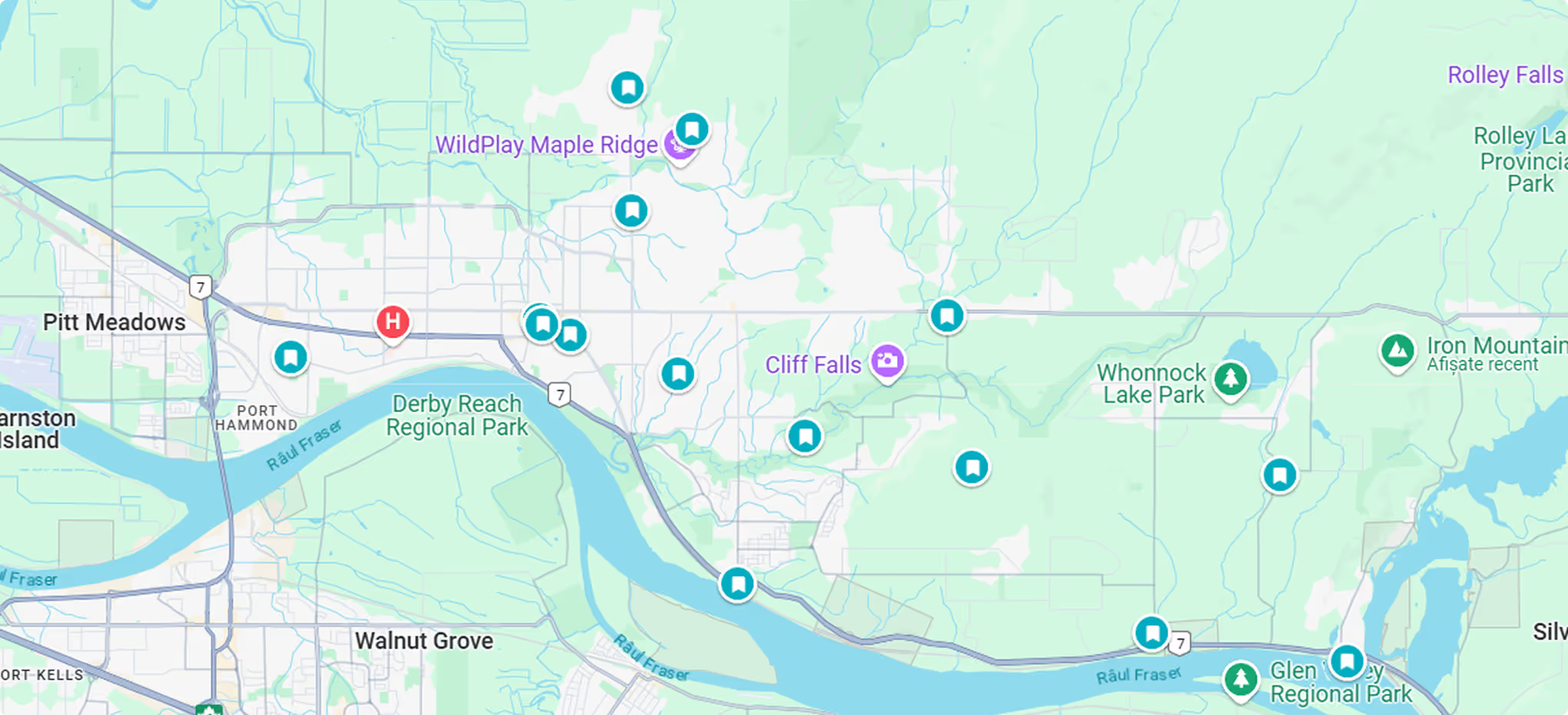
Neighbourhoods in the Fraser Valley