Heat Pump in Yennadon, BC
Struggling with Heat Pump Efficiency this Winter?
Experiencing unexpected heat pump failures or inadequate heating is a major source of stress, especially when temperatures drop. You are not alone—many residents in the Yennadon area face these frustrations during BC’s coldest months when older systems struggle to keep up with the demand. If your system is blowing cold air or making unusual noises, contact us immediately to schedule a diagnostic visit or discuss our financing options.
We prioritize restoring your home's comfort through:
- Quick, expert assessments and installations to restore warmth and comfort to your home, often within 24 hours of the initial consultation.
- Transparent pricing structures that incorporate available BC Hydro rebates to make high-efficiency solutions cost-effective.
- Long-lasting installations backed by comprehensive labor and manufacturer warranties to ensure your peace of mind.
All services come with full compliance to local codes, backed by industry-leading warranties and handled by certified professionals. Rep-Air Heating and Cooling ensures that your transition to a more efficient heating system is seamless and compliant with all regional standards.

What to Expect from a Modern Heat Pump Installation
When you decide to install a new heat pump, the goal is immediate improvement in comfort and energy management. A modern installation is not simply swapping one box for another; it is a recalibration of your home’s entire climate control system. Today’s high-efficiency units are designed to handle the specific Coastal BC climate, managing both the damp cold of winter and the increasing heat of summer.
Upon scheduling a service, the focus shifts to sizing and specification. An undersized unit will run constantly, driving up electricity bills, while an oversized unit will "short-cycle," turning on and off too frequently, which increases wear and tear. A professional installation includes a full load calculation (Manual J or equivalent) to ensure the unit matches the square footage and insulation levels of your specific property.
You can expect the following during the service engagement:
- Assessment of Current Ductwork: Existing ducts must be inspected for leaks or insulation gaps. A high-performance heat pump cannot function efficiently if the distribution system is compromised.
- Electrical Evaluation: Heat pumps require specific amperage. Older homes in Yennadon often require a panel upgrade or a dedicated circuit to safely power modern, variable-speed compressors.
- Refrigerant Line Set Inspection: If transitioning from an older system to a new refrigerant type (such as R-410A or newer alternatives), existing lines must be flushed or replaced to prevent cross-contamination and compressor failure.
- Removal and Disposal: The service includes the safe removal of the old unit, including the environmentally responsible recovery of old refrigerant, adhering to provincial environmental regulations.
The Installation Process: From Assessment to Airflow
A systematic approach to installation ensures that the equipment performs according to its SEER (Seasonal Energy Efficiency Ratio) and HSPF (Heating Seasonal Performance Factor) ratings. The process is technical and requires coordination between electrical work, plumbing, and airflow management.
- Site Preparation: Technicians first prepare the outdoor site. The outdoor unit (condenser) must be placed on a composite pad or stand. In Yennadon, where rain and occasional snow accumulation occur, elevating the unit is critical to allow for proper drainage during the defrost cycle and to prevent snow blockage.
- Indoor Unit Placement: For ductless mini-splits, the indoor heads are mounted on exterior walls to facilitate drainage and piping. For central ducted systems, the air handler is positioned to maximize airflow through the existing plenum.
- Line Set and Wiring Connection: The copper refrigerant lines are run between the indoor and outdoor units. These lines are insulated to prevent energy loss. Simultaneously, control wiring is connected to the thermostat and the main power supply.
- Pressure Testing and Vacuuming: This is a critical step often skipped by amateurs. The system is pressurized with nitrogen to test for leaks. Once confirmed leak-free, a vacuum pump removes all moisture and air from the lines. Moisture inside the lines can freeze and destroy the compressor.
- Refrigerant Charging and Startup: The system is charged with the precise amount of refrigerant required by the manufacturer. Technicians then start the system, checking static pressure and temperature differentials (Delta T) to verify the system is heating or cooling effectively.
At Rep-Air Heating and Cooling, we meticulously document every stage of this process to ensure the system qualifies for all applicable manufacturer warranties and government rebates.
When Replacement Beats Repair
Homeowners often struggle with the decision to repair an aging unit or invest in a new system. While repairs can extend the life of a unit, there is a financial tipping point where replacement becomes the more prudent economic choice. This decision usually hinges on the age of the system, the cost of the repair, and the efficiency of the current technology.
Consider replacement if the following conditions apply:
- The 50% Rule: If the cost of the repair approaches 50% of the value of a new system, replacement is generally recommended. Investing heavily in an old compressor is rarely recoverable money.
- System Age: Heat pumps generally last 10 to 15 years. If your unit is over 12 years old and requires a major component like a compressor or reversing valve, it is nearing the end of its service life.
- Frequent Refrigerant Leaks: A system that requires regular "top-ups" has a leak. Refrigerant is a closed-loop substance and does not dissipate. Finding and fixing leaks in aging coils can be cost-prohibitive compared to installing a modern, sealed system.
- Rising Energy Bills: As components wear, motors and compressors draw more amperage to do the same amount of work. If your utility bills are creeping up despite normal usage, the system’s efficiency has degraded.
- Comfort Issues: If some rooms are freezing while others are hot, or if the unit struggles to maintain the set temperature on the coldest days of the year, the system is likely undersized or failing.
Modern cold-climate heat pumps can operate at 100% efficiency down to -15°C or lower, a significant improvement over models from just a decade ago. Upgrading eliminates the need for expensive backup heating sources in many cases.
Navigating Local Requirements, Rebates, and Climate
Installing a heat pump in British Columbia requires navigating specific regulatory and environmental factors. Residents in the Yennadon area must consider the damp coastal climate, which presents different challenges than the dry cold of the interior.
Addressing the "Defrost Cycle"
In regions with high humidity and temperatures hovering near freezing (common in local winters), outdoor units are prone to frosting. When the coil drops below freezing, moisture in the air condenses and freezes on the fins. A properly functioning heat pump has a defrost mode that temporarily reverses the cycle to melt this ice.
- Improper installation can lead to "ice dams" at the bottom of the unit if it is not elevated correctly.
- Drainage paths must be clear to prevent the meltwater from refreezing on walkways or damaging the foundation.
Permitting and Electrical Codes
Installation involves high-voltage electrical connections and pressurized gases.
- Electrical Permits: Almost all heat pump installations require an electrical permit. This ensures the home’s panel can handle the load and that all grounding and breaker sizing meets the Canadian Electrical Code.
- Municipal Compliance: Local bylaws regarding noise levels (decibels) at the property line may influence where the outdoor unit can be placed. Modern units are quiet, but placement relative to neighbors' windows is a compliance factor.
Leveraging Rebates
BC offers some of the most aggressive heat pump rebates in North America to encourage decarbonization.
- CleanBC and Federal Grants: Programs like the CleanBC Better Homes and Home Renovation Rebate Program often provide substantial financial incentives for switching from fossil fuels (natural gas, oil, propane) to electric heat pumps.
- Eligibility Criteria: To qualify, equipment must be on a pre-approved list of high-efficiency models. Furthermore, the installation must be performed by a licensed contractor with specific certifications. DIY installations or unpermitted work generally disqualify homeowners from these funds.
Why Professional Execution Matters for Efficiency
The efficiency rating on the box (SEER or HSPF) is only a theoretical maximum. The actual efficiency achieved in your home depends entirely on the quality of the installation. Studies indicate that a significant percentage of HVAC equipment is installed incorrectly, leading to energy waste and premature failure — join our maintenance plan to ensure longevity.
Airflow and Ductwork
A heat pump moves a higher volume of air at a lower temperature compared to a gas furnace. If the existing ductwork is undersized or restricted, the static pressure increases. This forces the blower motor to work harder, reducing efficiency and potentially overheating the motor. Professionals measure static pressure to ensure the duct system is compatible with the new heat pump.
Refrigerant Level Precision
The volume of refrigerant must be precise. An undercharged system will not heat effectively and can freeze up. An overcharged system risks damaging the compressor due to liquid slugging. Using digital gauges and weighing the refrigerant charge is the only way to ensure the system operates within manufacturer specifications.
The Role of Thermostats
Modern heat pumps often communicate with "smart" thermostats. These thermostats monitor indoor and outdoor conditions to modulate the compressor speed. Using an incompatible, older thermostat can force a variable-speed unit to operate as a single-stage unit, negating the efficiency gains you paid for.
Making the Switch to Reliable Heating
Choosing to install a heat pump is an investment in year-round comfort and long-term property value. It eliminates the safety risks associated with combustion heating and provides the added benefit of air conditioning during increasingly hot summers. By addressing the specific climate challenges of the region and adhering to strict installation protocols, you ensure that your system performs reliably for years to come.
Whether you are replacing a failing furnace or upgrading an old AC unit, the priority is a system that delivers consistent temperatures without excessive noise or energy waste. Rep-Air Heating and Cooling provides the technical expertise and regulatory knowledge required to maximize your investment and secure available rebates.
Don't wait for a complete system failure in the middle of a cold snap. Secure your home’s comfort and efficiency now.
Contact us today to schedule your comprehensive heat pump assessment and installation.
hear what our satisfied clients have to say
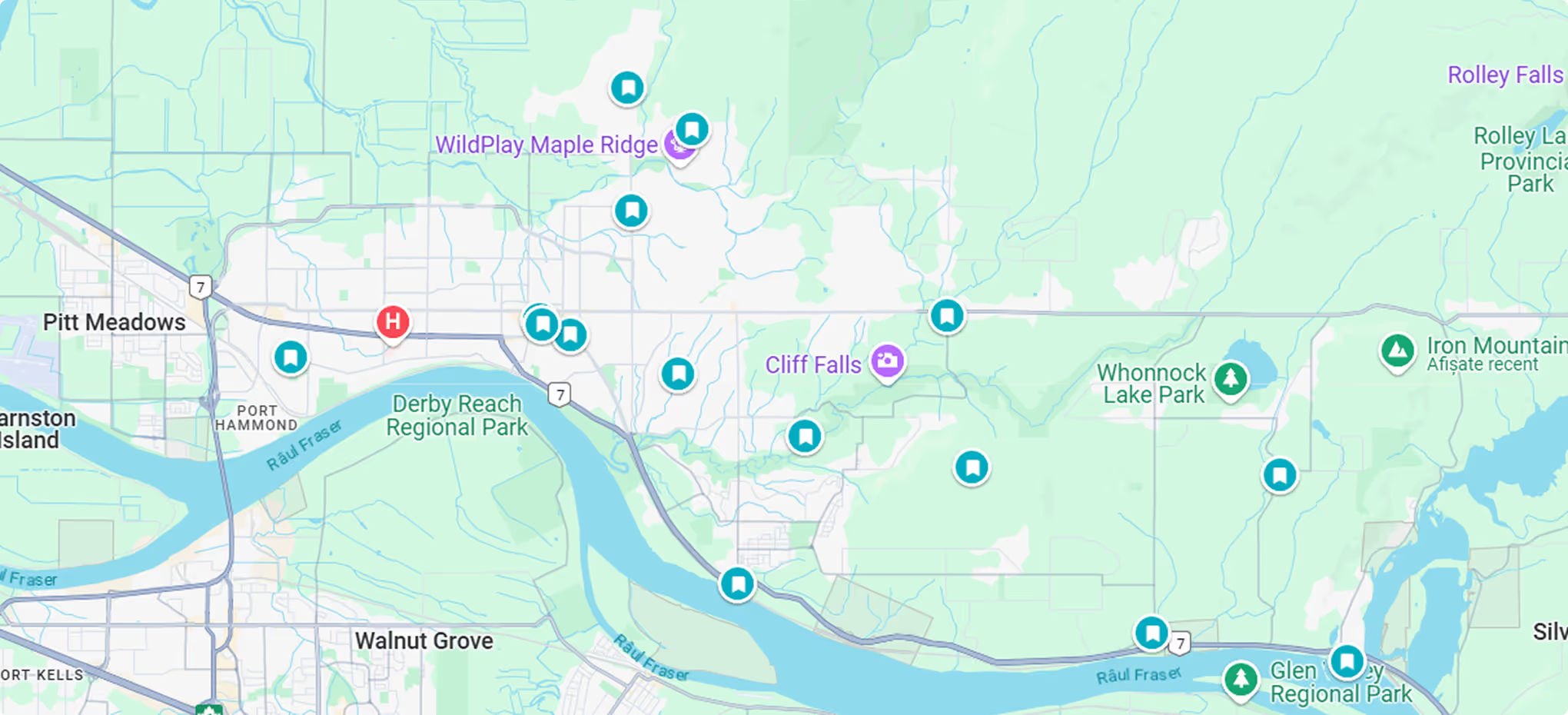
Neighbourhoods in the Fraser Valley