Heating in Albion, BC
Unreliable Heating Systems Require Immediate Professional Attention
Cold weather has likely made your living space chilly and uncomfortable, disrupting your daily routine. You are not alone—many homeowners in Albion face heating challenges during our distinct cold snaps, and resolving these issues quickly is essential for safety and comfort. Contact our team immediately to schedule a diagnostic visit or to discuss flexible financing options for a new system.
Rep-Air Heating and Cooling understands that a broken furnace or malfunctioning heat pump is not just an inconvenience; it is an urgent situation that requires a swift, technical resolution. When the temperature drops, you need a service provider that prioritizes restoration of heat over sales pitches.
- Rapid response teams are ready for same-day service to restore warmth immediately.
- Cost-effective solutions are tailored to suit your specific budget and long-term goals.
- Energy-efficient heating systems are available to reduce monthly utility costs significantly.
All services are fully licensed, warrantied, and available with flexible financing options to ensure you never have to compromise on safety.
Comprehensive Heating Services Available Today
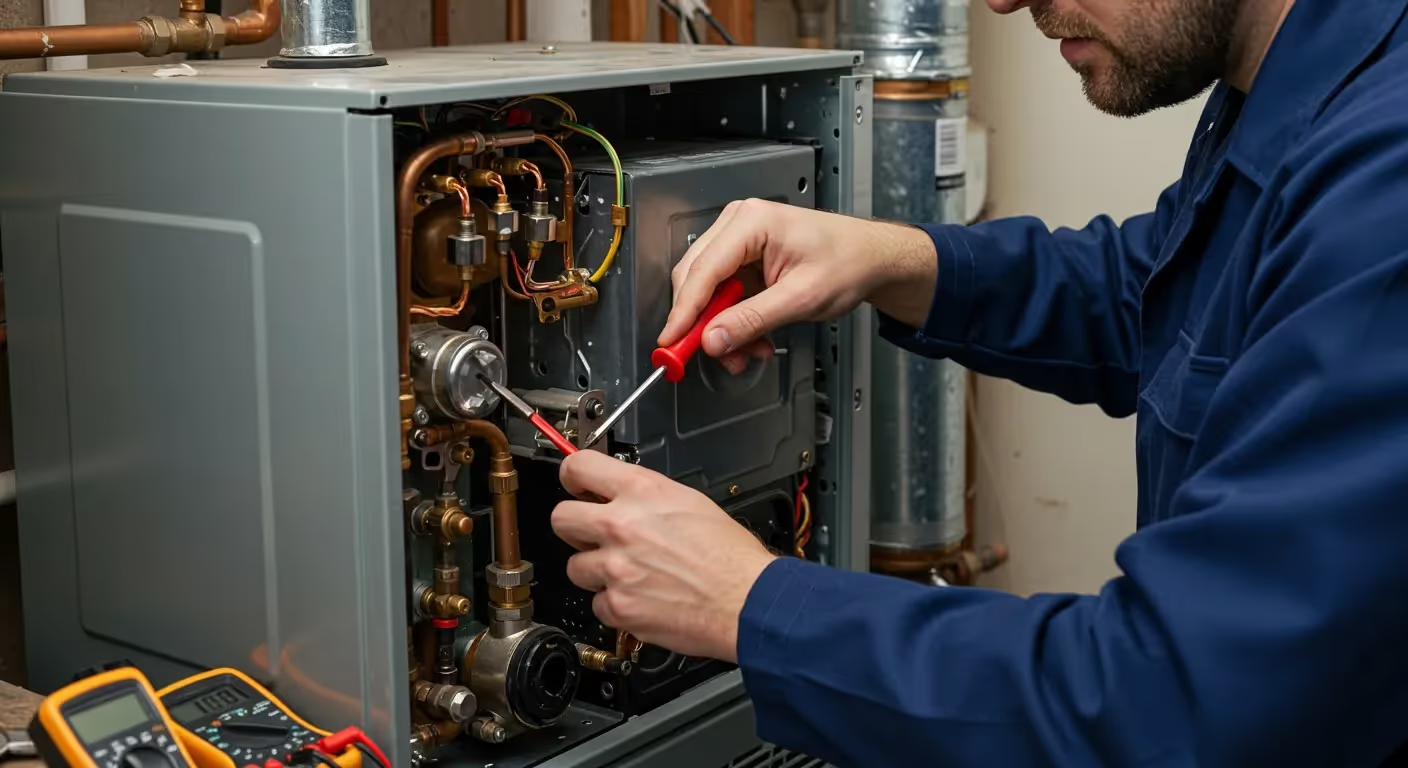
When your heating system fails, you need a clear understanding of what happens next. Our service begins with a thorough diagnostic assessment. Technicians arrive fully equipped to handle the majority of standard repairs on the spot. The goal is to minimize downtime and prevent the pipes from freezing or the indoor temperature from dropping to unsafe levels.
Immediate Diagnostics and Repair
Upon arrival, the focus is on identifying the root cause of the failure. This is not a superficial check; it involves testing the ignition system, examining the heat exchanger for cracks, verifying the integrity of the blower motor, and ensuring the thermostat is communicating correctly with the unit.
- Technicians perform a complete safety check, including carbon monoxide detection and gas line inspection.
- Electrical connections are tightened and tested to prevent intermittent failures.
- Airflow is measured to ensure the system is not suffocating, which causes overheating and component failure.

System Types Serviced
Modern homes in British Columbia utilize a variety of heating methods. Services cover the full spectrum of heating infrastructure:
- Forced Air Furnaces: Whether gas or electric, these units are complex. Service includes sensor cleaning, burner adjustment, and limit switch testing.
- Heat Pumps: Given the local climate, heat pumps are common. Technicians address refrigerant leaks, reversing valve issues, and defrost board failures.
- Boilers and Hydronic Systems: For homes with radiant heating, the focus shifts to pumps, expansion tanks, and pressure relief valves to ensure consistent water circulation.
Transparency in Scope
You will receive a detailed report of the findings. If a repair is feasible, the work proceeds immediately upon your approval. If parts must be ordered, a clear timeline is provided. There are no hidden fees or ambiguous labor charges; the scope of work is defined before tools touch the equipment.
The Installation and Replacement Process
A heating system installation is a major construction project within your home. It requires precise calculations, adherence to building codes, and skilled labor to ensure the unit operates at its rated efficiency. Incorrect installation is the leading cause of premature system failure.
Assessment and Sizing
The process does not begin with the installation; it begins with load calculation. A unit that is too large will short-cycle, turning on and off rapidly, which destroys the compressor or heat exchanger. A unit that is too small will run continuously, failing to heat the home while driving up energy bills.
- Technicians perform a Manual J load calculation to determine the exact heating requirements of your specific floor plan.
- Ductwork is inspected to ensure it can handle the airflow of the new, likely more powerful, system.
- Intake and exhaust requirements are evaluated to ensure safety compliance.
Safe Removal and Disposal
Replacing a system involves handling hazardous materials, including refrigerants and old electrical components.
- The existing unit is disconnected from gas and electrical lines according to safety protocols.
- Old equipment is removed from the property and disposed of in an environmentally responsible manner.
- The installation area is cleaned and prepped to receive the new unit.
Precision Installation
The new system is placed and connected. This phase involves brazing copper lines, connecting gas piping, and wiring high-voltage electrical circuits.
- Technicians level the unit to ensure proper drainage of condensate.
- Plenums are sealed to the unit to prevent air leakage.
- Thermostats are upgraded or recalibrated to match the sophisticated staging logic of modern furnaces or heat pumps.
Commissioning and Testing
The job is not complete when the unit turns on. Commissioning is the process of verifying performance against manufacturer specifications.
- Static pressure is measured to verify airflow is within design limits.
- Temperature rise (the difference between air entering and leaving the unit) is adjusted to manufacturer specs.
- Gas pressure is calibrated to ensure the burner fires cleanly and efficiently.
Deciding Between Heating Repair and Replacement
Homeowners often struggle with the decision to repair an aging unit or invest in a new one. This decision should be based on data, not emotion. There is a point of diminishing returns where pouring money into an old system is no longer financially sound.
The 50% Rule
A general industry standard is the 50% rule. If the cost of the repair approaches 50% of the value of a new system, replacement is the more logical financial choice. This is particularly true if the warranty on the existing unit has expired.
Age of the Equipment
Heating systems have a finite lifespan. Furnaces typically last 15 to 20 years, while heat pumps usually last 10 to 15 years.
- If your furnace is over 15 years old, parts may be obsolete or difficult to source.
- Older units operate at lower efficiency levels (often 60-70% AFUE), meaning 30-40 cents of every dollar spent on gas is wasted.
- New units often achieve 95-98% efficiency, leading to immediate monthly savings.
Frequency of Breakdowns
Reliability is a key factor. If you have required repairs more than once in the last two years, the system is signaling the end of its service life. Rep-Air Heating and Cooling advises clients to consider the cumulative cost of these minor repairs against the monthly payment of a financed new system.
Safety Concerns
Safety violations necessitate immediate replacement.
- Cracked Heat Exchangers: This is a non-negotiable failure. A cracked heat exchanger can leak carbon monoxide into the home. It cannot be welded or patched; the heat exchanger or the entire furnace must be replaced.
- Compromised Wiring: Extensive electrical degradation due to overheating creates a fire hazard.
Managing Heating Needs in Albion’s Climate
The local climate presents specific challenges for heating infrastructure. Albion experiences distinct seasonal shifts that influence how heating systems should be maintained and operated.
Seasonality and Usage
The heating season typically extends from late October to early April. While extreme sub-zero temperatures are rare, the region faces significant rainfall in fall and winter, accompanied by light, sporadic snowfall.
- High Humidity: The damp cold penetrates homes differently than dry cold. Heating systems must run longer to achieve a comfortable "feels like" temperature.
- Defrost Cycles: Heat pumps in this region frequently enter defrost modes due to the cool, moist air. This is normal operation, but it requires a system that is charged correctly with refrigerant.
- Continuous Operation: Unlike climates with massive temperature swings, systems here often run at low stages for long periods. Modulating furnaces and variable-speed heat pumps are particularly effective in this environment.
Permits and Compliance
Work performed in the area requires adherence to local building codes and safety regulations.
- Gas Permits: Any alteration to gas piping or the replacement of a gas appliance requires a permit. This ensures the work is inspected and deemed safe.
- Electrical Permits: High-voltage connections for heat pumps or electric furnaces must be performed by qualified personnel under the correct electrical permits.
- Venting Codes: Modern high-efficiency furnaces produce acidic condensate and require PVC venting rather than metal chimneys. Upgrading to these systems often requires retrofitting the venting to meet current code requirements.
Utility Rebates and Efficiency
The push for energy efficiency has led to substantial rebate programs.
- Dual Fuel Systems: Many homeowners are switching to hybrid systems that use an electric heat pump for mild days and a gas furnace for the coldest nights.
- Provincial Rebates: British Columbia often offers incentives for switching from fossil fuels to electric heat pumps. These rebates can significantly offset the upfront cost of installation.
- Tiered Energy Costs: Understanding how your utility provider bills for electricity versus natural gas can help determine the most economical fuel source for your home.
Proof of Professional Execution
Selecting a service provider is a decision that impacts the safety and value of your property. Professional HVAC service goes beyond turning a wrench; it involves a commitment to technical excellence and consumer protection.
Licensure and Certification
Legitimate heating work is performed by Red Seal certified technicians. This certification proves that the individual has completed thousands of hours of apprenticeship and passed rigorous technical exams. It is the baseline requirement for anyone touching gas lines or high-voltage electrical components.
Warranty Protection
Professional installation comes with warranty coverage that protects your investment.
- Manufacturer Warranty: Covers the parts (compressor, heat exchanger, control boards) for a set period, usually 10 years.
- Labor Warranty: Covers the cost of the technician’s time if a repair is needed shortly after installation.
- Guarantees: Reputable providers stand behind the quality of the installation itself, ensuring that issues related to workmanship are resolved without cost to the homeowner.
Advanced Tooling
Modern heating diagnostics require more than a screwdriver. Professionals utilize combustion analyzers to measure exhaust gases, ensuring the furnace is burning cleanly. Digital manifolds measure refrigerant pressures with decimal-point accuracy. Thermal imaging cameras detect heat loss in ductwork. These tools allow for precise diagnoses that guesswork cannot replicate.
Environmental Responsibility
Handling refrigerants requires EPA certification to ensure ozone-depleting substances are captured, not released. Proper disposal of old mercury thermostats and metal waste helps maintain local environmental standards.
Ready for Reliable Heat? Contact Us Today
If your heating system is failing to keep up with the weather, or if you are concerned about rising energy bills and strange noises from your furnace, do not wait for a complete breakdown. Immediate action prevents costly emergency calls and ensures your home remains safe and warm.
Take the next step toward reliable comfort. Contact us to schedule your service.
hear what our satisfied clients have to say
Neighbourhoods in the Fraser Valley