Heating in Cedar Valley, BC
Eliminate Heating Inconsistencies Before Winter Arrives
As Cedar Valley nights get colder, a non-functioning heater can turn from a minor inconvenience into a serious hazard for your home and family. When temperatures drop below freezing, you need a system that responds immediately to thermostat adjustments without cycling off or blowing cold air. Contact us today to schedule an emergency repair or to discuss financing options for a new system. Let Rep-Air Heating and Cooling restore your comfort quickly and efficiently.
- Same-day repair service to handle emergencies the moment they arise.
- Comprehensive maintenance checks to ensure your heater runs smoothly all winter.
- Energy-efficient upgrades that save on bills and increase home comfort.
All services are fully licensed, insured, and compliant with local building codes.
Immediate Solutions for Heating Failures
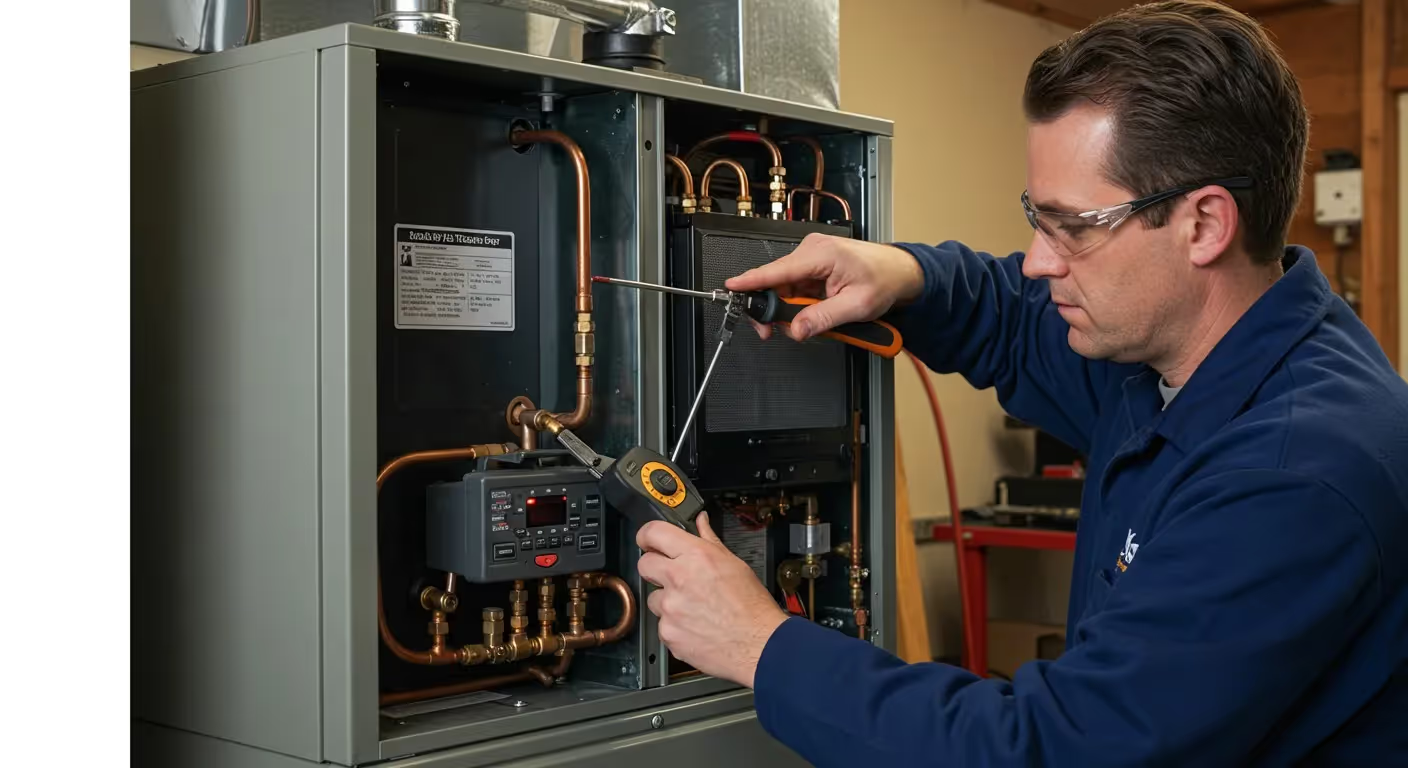
A heating system failure rarely happens at a convenient time. Often, the first sign of trouble is a subtle drop in temperature or strange noises echoing through the ductwork. In the specific climate of Cedar Valley, BC, where moisture and freezing temperatures combine, these symptoms indicate mechanical stress that requires professional intervention. Ignoring these early warning signs can lead to a complete system shutdown, leaving the property vulnerable to frozen pipes and structural damage.
The goal of professional intervention is to diagnose the root cause accurately rather than applying a temporary patch. Issues often stem from failing ignition systems, clogged filters restricting airflow, or worn-out blower motors struggling to circulate warmth. A professional technician evaluates the entire heating ecosystem, including the thermostat, the furnace unit, and the ventilation network, to identify where the breakdown occurred.
Residents facing heating interruptions require a systematic approach to repair. This involves testing safety switches, verifying gas pressure, and ensuring electrical connections are tight and uncorroded. By addressing these components directly, the heating system is returned to optimal performance, ensuring safe and consistent heat delivery throughout the home.
Explore Our Heating Services - From Quick Fixes to Full Installations
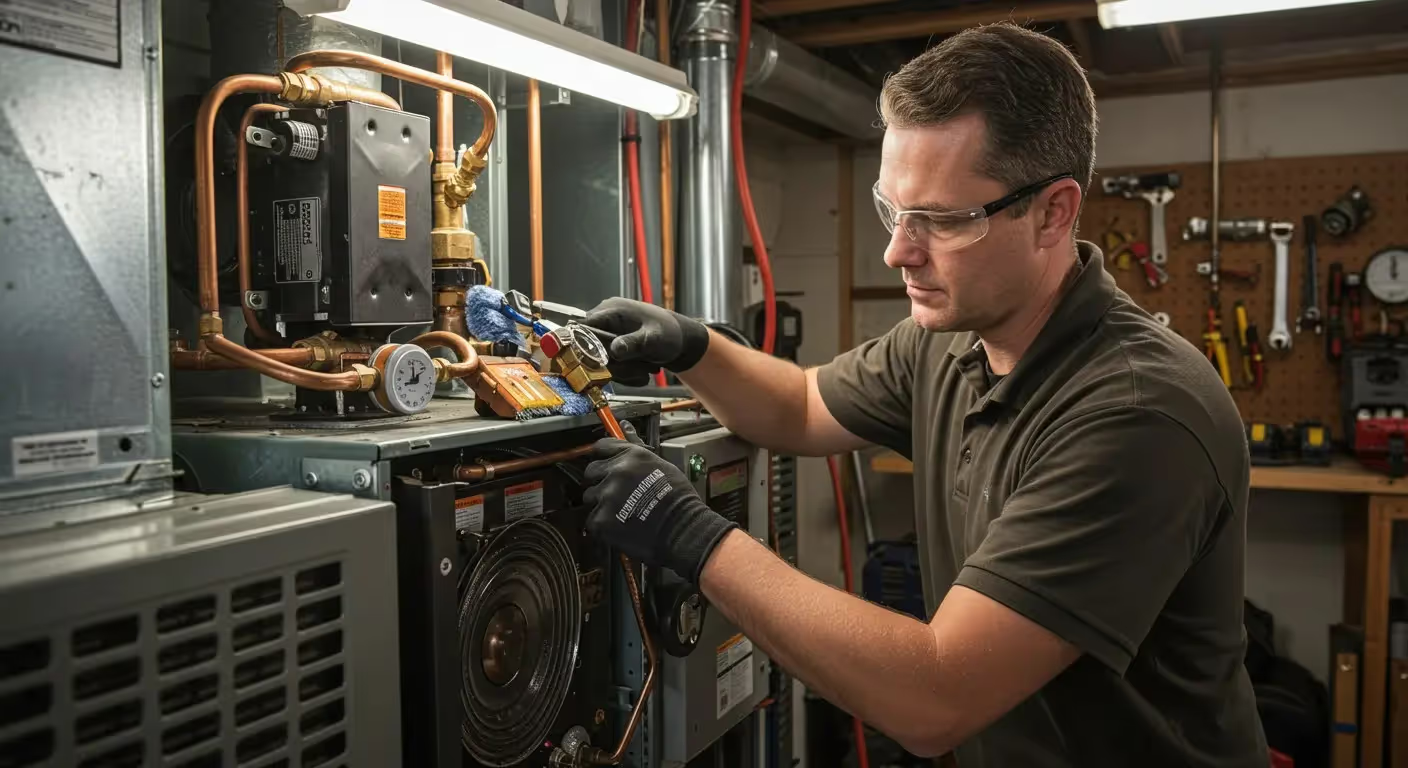
Heating systems are complex appliances that demand a specialized skillset for every stage of their lifecycle. Whether the requirement is a minor adjustment to a pilot light or the complete engineering of a new heating infrastructure, the service provided must be precise.
Comprehensive Heating Repair
Repair services focus on restoring functionality to an existing unit. This process begins with advanced diagnostics using industry-grade tools to read error codes and test component efficiency.
- Ignition Control: Technicians troubleshoot and repair electronic ignition systems or pilot lights that fail to engage the burners.
- Airflow Correction: Solutions are implemented to fix limit switch malfunctions or blower motor failures that prevent warm air from reaching the vents.
- Thermostat Calibration: Ensuring the interface between the user and the furnace is communicating correctly to maintain desired temperatures.
Preventative Maintenance
Routine maintenance is the defense against unexpected breakdowns. In the damp climate of Cedar Valley, moisture can lead to rust and corrosion within the system. Maintenance involves a deep cleaning of the burner assembly, inspection of the heat exchanger for cracks, and lubrication of all moving parts. This service extends the lifespan of the equipment and ensures it operates at peak energy efficiency, reducing monthly utility costs.
System Installation and Replacement
When a system is beyond repair or simply too old to be efficient, a new installation is necessary. This service includes a full load calculation to ensure the new unit is perfectly sized for the square footage and insulation levels of the home. Rep-Air Heating and Cooling handles the removal of the old unit and the seamless integration of modern, high-efficiency equipment from trusted brands like Lennox and Carrier.
What to Expect During Your Heating System Installation
The installation of a new heating system is a significant construction project within the home. It requires careful planning and execution to ensure the new unit functions correctly and safely. Understanding the workflow helps homeowners prepare for the service and ensures there are no surprises during the process.
Site Assessment and Sizing:
The process begins with a manual load calculation. A technician measures the home, evaluates insulation quality, checks window seals, and assesses ductwork condition. This data determines the exact BTU output required. An undersized unit will run constantly without warming the house, while an oversized unit will short-cycle, leading to wear and tear.
Preparation and Safety Setup:
Before any work begins, the workspace is prepped to protect flooring and surrounding areas. Gas lines and electrical circuits are shut off and tagged for safety. The team creates a clear path for the removal of the old heavy equipment to prevent damage to walls or door frames.
Removal of Existing Equipment:
The old furnace is disconnected from the plenum, gas supply, and venting. It is carefully removed from the property and disposed of according to environmental regulations. This step often reveals hidden issues with the sub-flooring or existing stand, which are addressed before the new unit is placed.
System Positioning and Connection:
The new unit is leveled and secured. Technicians connect the plenum to the supply and return ducts, often fabricating custom sheet metal transitions to ensure an airtight seal. The gas line is reconnected using new pipe dope or tape to prevent leaks, and the flue pipe is installed to ensure carbon monoxide is vented safely outside.
Commissioning and Testing:
Once physically installed, the system is not just turned on; it is commissioned. This involves adjusting gas pressure to the manufacturer’s specifications, measuring temperature rise (the difference between air entering and leaving the furnace), and testing all safety limits. The final step is a full cycle run to verify the thermostat controls the unit correctly.
Deciding to Repair or Replace: A Cost-Benefit Approach
Homeowners often struggle with the decision of whether to invest in another repair or to bite the bullet and purchase a new system. This decision should be based on mathematical probability and financial logic rather than guesswork. There are clear indicators that shift the balance from repair to replacement.
The 50% Rule
A standard industry metric is the 50% rule. If the cost of the repair approaches 50% of the value of a new system, replacement is generally the smarter financial move. Investing heavy capital into an old asset that is likely to fail again soon results in diminishing returns.
Age of the Equipment
Furnaces typically last between 15 and 20 years. If a unit is over 15 years old and requires a significant repair (such as a blower motor or heat exchanger), the likelihood of another component failing in the near future is high. Newer models offer significantly higher Annual Fuel Utilization Efficiency (AFUE) ratings. Replacing a 60% efficient furnace with a 95% efficient model can result in energy savings that help offset the installation cost over time — view our current promotions for deals.
Frequency of Breakdowns
If a heating system requires service calls multiple times in a single season, it has become unreliable. The cumulative cost of service fees, parts, and the inconvenience of downtime outweighs the cost of a new, warrantied system.
Comfort and Safety Issues
Uneven heating, where some rooms are boiling while others are freezing, indicates that the current system effectively cannot handle the home's airflow needs. More importantly, older units are at higher risk for cracked heat exchangers, which can leak carbon monoxide. If safety is compromised, replacement is the only responsible option.
Permit Requirements and Seasonal Considerations in Cedar Valley
Operating in Cedar Valley involves adhering to specific regulatory standards and adapting to the local climate. Heating work is not unregulated; it involves flammable gases and high-voltage electricity, meaning safety is paramount.
Navigating Permits and Codes
In British Columbia, installing or significantly altering a heating system requires appropriate permits. This ensures that the installation meets the BC Safety Code and local municipal bylaws.
- Gas Permits: specialized permits are required for any work involving gas piping or appliance venting.
- Electrical Permits: If the new unit requires a new circuit or disconnect, an electrical permit is mandatory.
- Inspection: After installation, work must often be inspected by a technical safety officer to certify it is safe for operation. Failure to obtain permits can void home insurance policies and complicate future property sales.
Regional Weather Impacts
The climate in this region is characterized by damp, cold winters. High humidity levels mean that heating systems must work harder to make the air feel warm.
- Moisture Management: Unlike dry cold climates, the local humidity can cause condensation issues in the intake and exhaust pipes of high-efficiency furnaces. Technicians must ensure drainage traps are correctly primed and sloped to prevent freezing and blocking the system.
- Timing Installations: Waiting until the first deep freeze to schedule heating work is risky. Demand for service spikes immediately when the temperature drops, leading to longer wait times. Homeowners are advised to schedule maintenance or replacements during the shoulder seasons (early autumn) to ensure the system is ready for the heavy workload of winter.
Why Choose Rep-Air? Expertise and Reliability in Every Service
Selecting a heating provider is about finding a partner who understands the technical demands of the equipment and the specific needs of the local housing stock.
- Certified Technicians: All technicians are trained to handle modern HVAC technology and provide data-backed recommendations.
- Transparent Process: Homeowners receive clear explanations of what is wrong, what options are available, and what the work entails.
- Safety Commitment: All repairs and installations follow strict protocols for gas, electrical, and venting safety.
Secure Your Comfort Now
Do not let a failing heating system compromise the safety or comfort of your home this winter. Whether you need an urgent repair, a seasonal tune-up, or a complete system replacement, professional help is available to ensure your heat runs reliably. Take action before the weather turns severe.
Contact us today to schedule your service and restore warmth to your home.
hear what our satisfied clients have to say
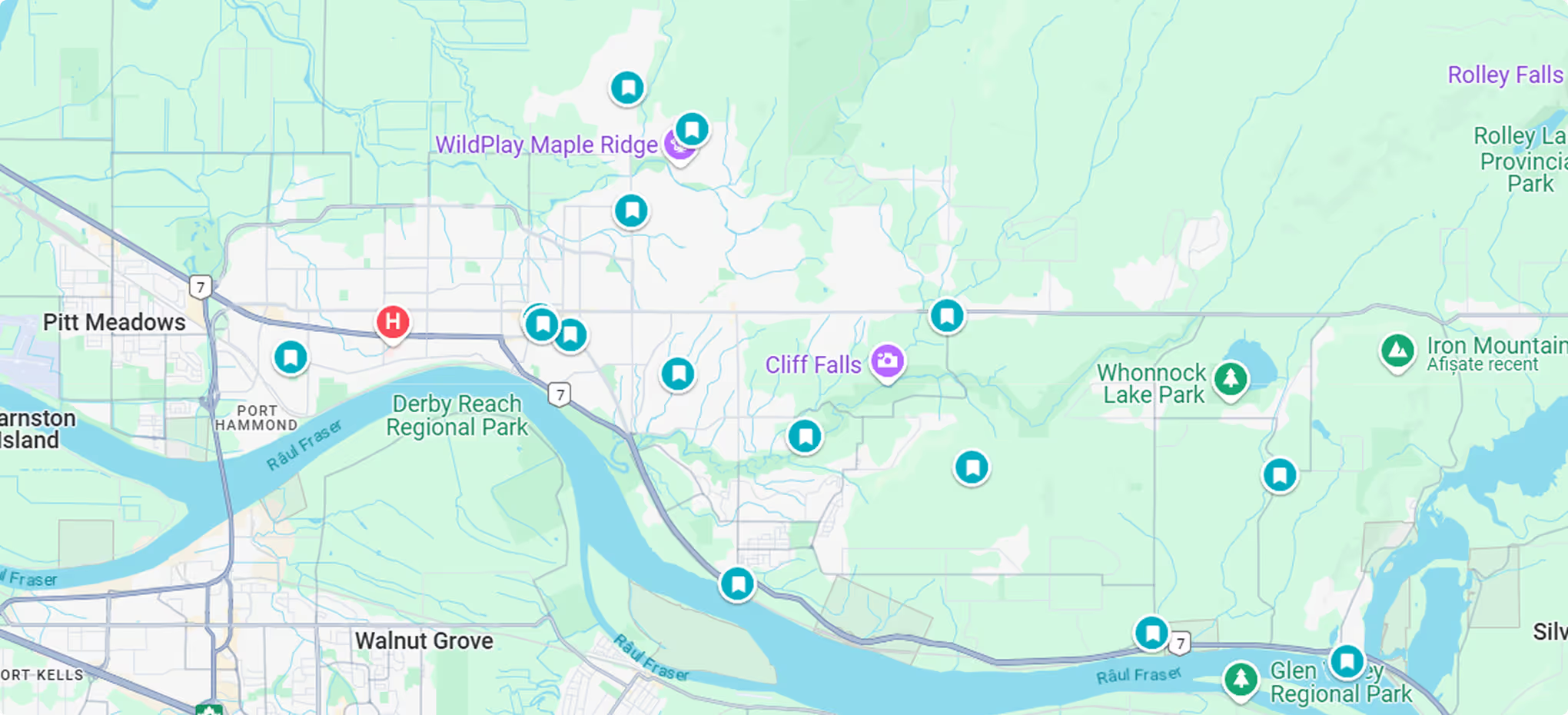
Neighbourhoods in the Fraser Valley