Heating in Douglas, BC
Instantly Enhance Your Home's Comfort and Safety with Expert Heating Services
Struggling with a cold and uncomfortable home during Douglas’s chilly winter months requires immediate action; contact us today to schedule a diagnostic visit or inquire about our flexible financing options. Our expert heating services provide rapid, reliable solutions to restore your warmth and peace of mind when your system fails to keep up with the wet, coastal cold. Rep-Air Heating and Cooling is dedicated to ensuring your living space remains safe and temperate regardless of the weather outside.
- Experience speedy diagnostics and repairs—we’re here to deliver warmth fast.
- Stay comfortable with our cutting-edge, efficient heating solutions.
- Benefit from our comprehensive warranties for added assurance.
All services are TECA-approved, backed by robust warranties, and may qualify for significant rebates.
Immediate Heating Solutions for Consistent Warmth
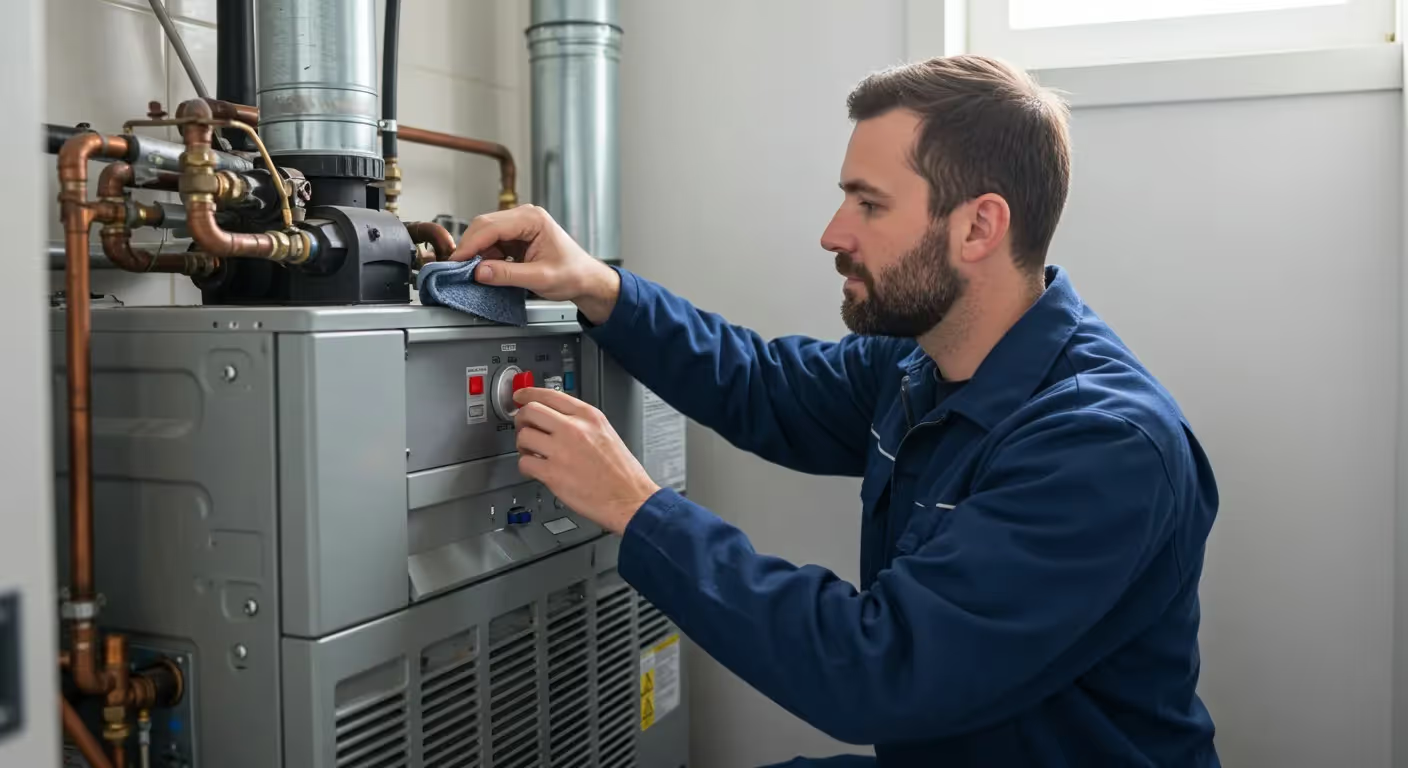
When a heating system falters, the priority is restoring functionality before the indoor temperature drops to uncomfortable levels. Homeowners in Douglas often face unique challenges due to the region's specific climate, where damp cold can penetrate a home more aggressively than dry cold. A professional service visit begins with a comprehensive assessment of your current infrastructure, identifying not just the symptom, but the root cause of the failure.
Modern heating systems are complex integrations of electrical components, fuel sources, and airflow mechanics. A disruption in one area often signals stress in another. Professional technicians focus on delivering a holistic repair or maintenance service that addresses the entire unit. This approach ensures that once the heat comes back on, it stays on.
Comprehensive Diagnostic Protocols
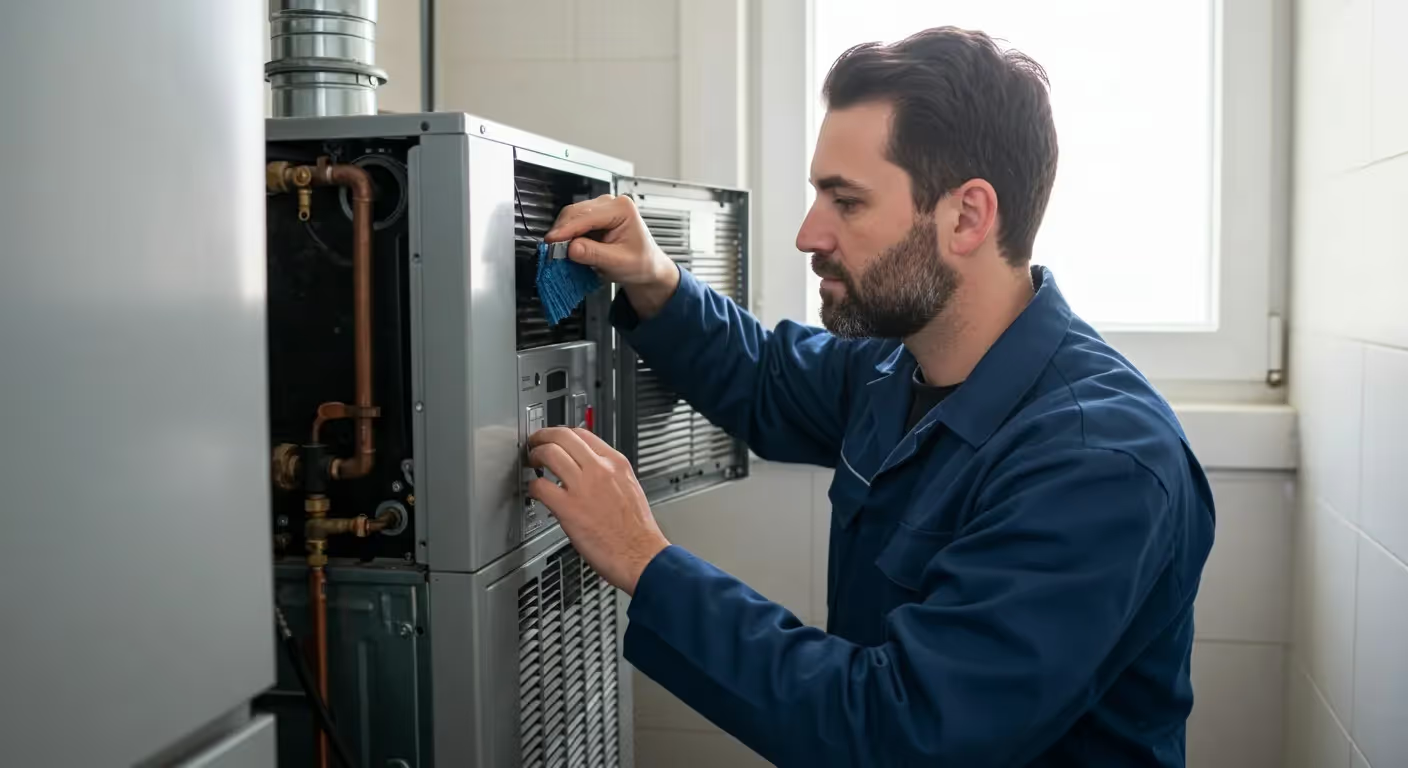
Effective heating service relies on data, not guesswork. Upon arrival, a technician employs advanced diagnostic tools to measure system performance against manufacturer specifications. This includes checking the heat exchanger for integrity, testing safety switches, and verifying that the thermostat is communicating correctly with the furnace or heat pump.
- Airflow Analysis: Technicians measure static pressure to ensure air is moving freely through ducts and filters. Restricted airflow is a leading cause of compressor failure in heat pumps and overheating in furnaces.
- Electrical Testing: Loose connections, worn capacitors, or failing control boards are identified using multimeters to prevent sudden electrical shorts.
- Fuel Pressure Verification: For gas furnaces, ensuring the correct gas pressure is vital for both safety and efficiency. Incorrect pressure can lead to incomplete combustion and hazardous carbon monoxide production.
- Cycle Testing: The system is run through a full heating cycle to observe startup, run status, and shutdown sequences, ensuring no irregularities exist in the operation.
Addressing Common Heating Failures
Systems often provide warning signs before a total breakdown. Recognizing these early can prevent emergency scenarios. Technicians are equipped to handle a variety of issues on the spot, carrying common parts to minimize downtime.
- Short Cycling: If a unit turns on and off frequently without reaching the set temperature, it causes immense wear on components. This is often due to oversized units, thermostat issues, or safety sensors tripping.
- Uneven Heating: Cold spots in specific rooms often indicate ductwork leaks or zoning damper failures that require mechanical adjustment.
- Unusual Noises: Rattling, banging, or squealing sounds suggest loose mechanical parts or belt issues that need immediate tightening or replacement.
- Ignition Failures: In gas systems, a pilot light that won't stay lit or an igniter that fails to glow will prevent heat production entirely.
The Installation and Replacement Process
Installing a new heating system is a significant investment in long-term property value and daily comfort. The process involves meticulous planning and execution to ensure the new unit operates at peak efficiency. Unlike a simple appliance swap, a heating installation requires integrating a new machine into your home's existing envelope.
Rep-Air Heating and Cooling follows a rigorous protocol for every installation to guarantee compliance with local codes and manufacturer standards. A proper installation maximizes the lifespan of the equipment and lowers monthly utility costs.
Load Calculation and System Selection
The first step in any installation is determining the precise heating load of the home. Guessing the size based on the old unit is a common error that leads to inefficiency.
- Assessment of Thermal Envelope: Technicians evaluate insulation levels, window quality, and square footage.
- Manual J Calculation: This industry-standard calculation determines exactly how many BTUs are required to heat the space efficiently.
- System Selection: Based on the data, you receive recommendations for high-efficiency gas furnaces or electric heat pumps that match your specific needs and budget.
Removal and Site Preparation
Before the new unit arrives, the site must be prepared to handle modern equipment. This often involves upgrading surrounding infrastructure to meet current safety standards.
- Safe Disposal: Old equipment is disconnected and removed safely, ensuring any refrigerants or hazardous materials are handled according to environmental regulations.
- Ductwork Modification: Plenums and transitions are often modified to fit the new unit’s dimensions and ensure optimal airflow.
- Utility Upgrades: Gas lines may need sediment traps installed, and electrical circuits may require upgrades to handle the amperage of modern heat pumps.
Installation and Commissioning
The physical installation is performed with precision. Leveling the unit, sealing connections, and calibrating controls are critical steps.
- Venting Installation: For gas units, ensuring proper exhaust venting is critical to prevent flue gases from entering the home.
- Refrigerant Charging: For heat pumps, the refrigerant charge is weighed in to the exact ounce required for the line set length.
- System Balancing: Registers are adjusted, and fan speeds are set to deliver the correct volume of air to each room.
- Final Testing: The system is run to verify temperature rise, static pressure, and combustion analysis results are within target ranges.
Deciding When to Replace vs. Repair
Homeowners often struggle with the decision of whether to pour more money into an aging system or invest in a replacement. Making the right choice depends on a combination of financial logic, system age, and performance metrics. While a repair is often the lower upfront cost, a replacement can offer significant savings over time through reduced energy consumption and the elimination of repair bills.
The Age and Reliability Factor
Heating systems have a finite lifespan. Gas furnaces typically last 15 to 20 years, while heat pumps have a life expectancy of 10 to 15 years.
- The 50% Rule: If the cost of a repair approaches 50% of the value of the system, replacement is generally the wiser financial move.
- Frequency of Breakdowns: If a system has required multiple repairs in the last two years, it has likely reached the end of its reliability curve. Continuing to repair it is often "throwing good money after bad."
- Parts Availability: As systems age, sourcing specific components becomes difficult and expensive, leading to longer wait times without heat.
Efficiency and Technology Gains
Older systems operate at significantly lower efficiency ratings compared to modern units. A 15-year-old furnace may operate at 70% AFUE (Annual Fuel Utilization Efficiency), meaning 30 cents of every dollar spent on gas is wasted.
- Energy Savings: Modern furnaces can reach up to 98% AFUE, and modern heat pumps offer incredible efficiency even in lower temperatures. Upgrading can reduce monthly heating bills by 20% to 40%.
- Comfort Features: New systems often feature variable-speed blowers and modulating gas valves. This technology allows the unit to run at lower speeds for longer periods, eliminating temperature swings and reducing noise.
- Smart Integration: Modern units integrate seamlessly with smart thermostats, allowing for remote control, usage monitoring, and automated scheduling for further savings.
Navigating Local Heating Requirements and Seasonality
Operating a heating system in Douglas involves specific considerations regarding climate and local regulations. The mild but wet winters present different challenges than the freezing interior climates. Equipment must be selected and maintained to handle high humidity and hovering freezing points.
Climate-Specific System Performance
The local climate is characterized by significant rainfall and temperatures that frequently fluctuate around the freezing mark.
- Heat Pump Efficiency: This climate is ideal for heat pumps. Because the temperature rarely drops to extreme lows, heat pumps can extract heat from the outside air very efficiently. However, the high humidity requires a unit with a reliable defrost cycle to prevent ice buildup on the outdoor coil.
- Humidity Control: Damp winters can make a home feel colder than the thermostat reads. Systems that offer dehumidification capabilities or variable-speed operation help remove excess moisture, improving perceived comfort.
- Shoulder Season Management: In spring and autumn, heating needs are minimal. Systems with modulating output prevent the "blast of hot air" effect, providing gentle warmth suitable for cool evenings.
Rebates and Incentives
British Columbia offers some of the most aggressive energy rebates in North America to encourage the adoption of efficient technology.
- Provincial Programs: Organizations like BC Hydro and FortisBC frequently offer rebates for switching from fossil fuels to electric heat pumps or upgrading to high-efficiency natural gas furnaces.
- Federal Grants: Homeowners may also be eligible for federal initiatives aimed at green home improvements.
- Eligibility Verification: Professional installers assist in verifying equipment eligibility, ensuring the model numbers selected qualify for the maximum available financial return.
Permits and Compliance
Work on heating systems, particularly those involving gas or electrical connections, requires adherence to strict safety codes.
- Permit Acquisition: Licensed contractors handle the process of pulling necessary municipal permits. This is not just a formality; it ensures the work is inspected and meets safety standards.
- Insurance Validity: Unpermitted work can void home insurance policies. Professional documentation proves that the heating system is safe and code-compliant in the event of a claim or property sale.
Why Professional Execution Matters
The difference between a functional heater and a high-performing heating system lies in the expertise of the service provider. Heating is not a commodity; the skill of the technician dictates the safety and efficiency of the result.
TECA-Approved Technicians
In this region, looking for TECA (Thermal Environmental Comfort Association) certification is a key indicator of quality.
- Code Compliance: TECA-trained professionals are up to date on the latest BC Building Codes and ventilation requirements.
- Ventilation Safety: Proper heating isn't just about temperature; it's about air quality. Technicians ensure that combustion gases are vented correctly and that the home has adequate makeup air to prevent back-drafting.
- Quality Assurance: Certification indicates a commitment to industry best practices rather than shortcuts.
Transparency and Long-Term Support
A professional approach involves clear communication regarding what is being done and why.
- Clear Scoping: You receive detailed explanations of the problem or the proposed installation plan, devoid of technical jargon.
- Warranty Support: Professional services come with labor warranties that sit alongside manufacturer parts warranties. If an issue arises post-installation, a reputable provider returns to rectify it without hesitation.
- Preventative Planning: Beyond the immediate fix, experts provide maintenance plans designed to extend the life of the equipment, scheduling annual checks to catch issues before they become emergencies.
Call Now
Take the first step toward a warmer, safer, and more energy-efficient home today—contact Rep-Air Heating and Cooling to schedule your expert heating service or system consultation and experience comfort you can count on all season long.
hear what our satisfied clients have to say
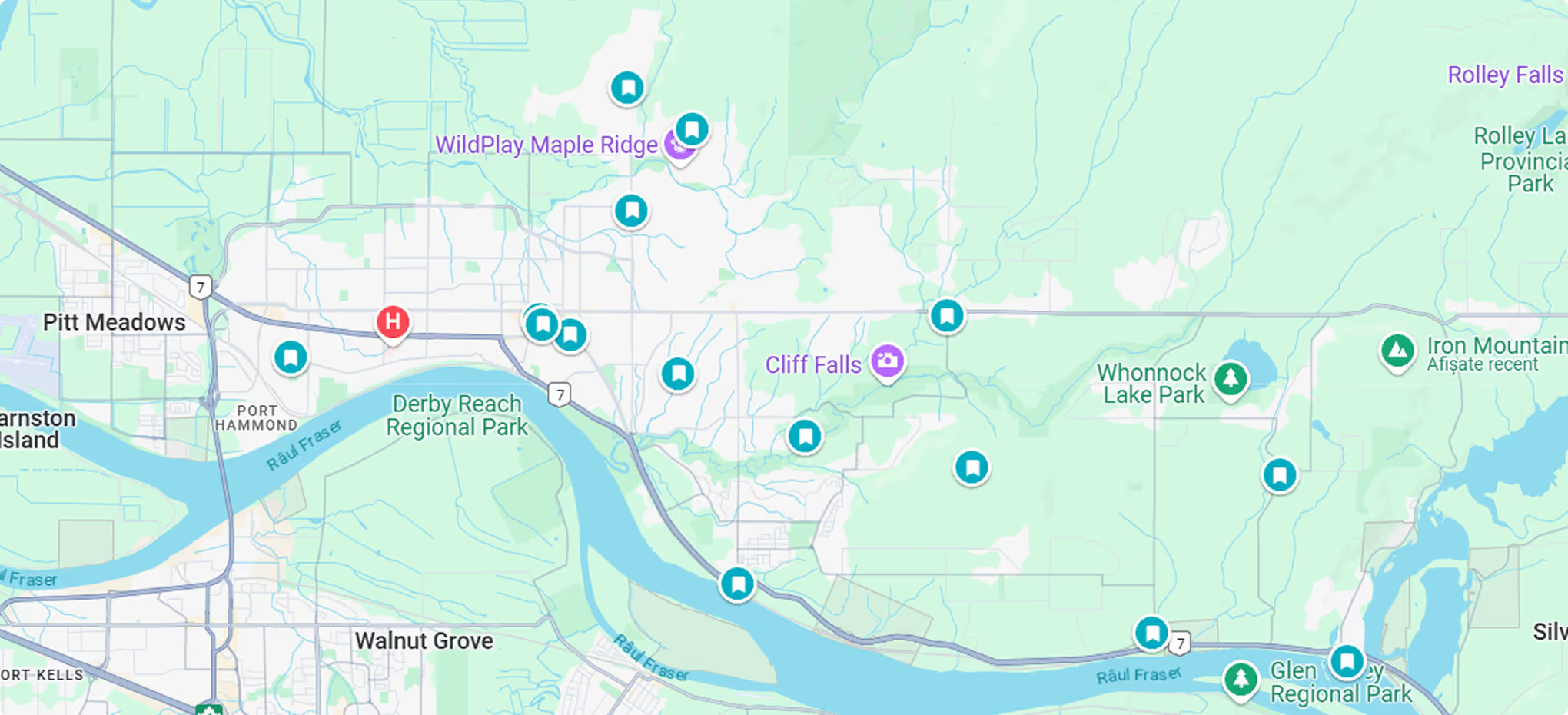
Neighbourhoods in the Fraser Valley