Heating in Fairfield, BC
Fast, Reliable Heating Solutions When You Need Them Most
Struggling with a faulty heating system during Fairfield's damp winter months is a stress you do not need, and our certified technicians are ready to provide rapid, effective solutions. Contact us today to restore your home's comfort immediately.
- 24-hour emergency service available for critical failures.
- Proven track record with top customer ratings for technical accuracy.
- Free, no-obligation estimates for all repair and installation services.
All services are backed by full compliance with local codes and comprehensive warranties.
Restoring Comfort and Efficiency to Your Home
When your heating system fails, the priority is diagnosing the root cause accurately to prevent recurring issues. Modern heating infrastructure is complex, involving intricate electrical controls, gas combustion chambers, or refrigerant cycles depending on the unit type. In Fairfield, where the climate leans toward high humidity and rain rather than sub-zero extremes, your system faces unique stressors such as moisture accumulation and corrosion.
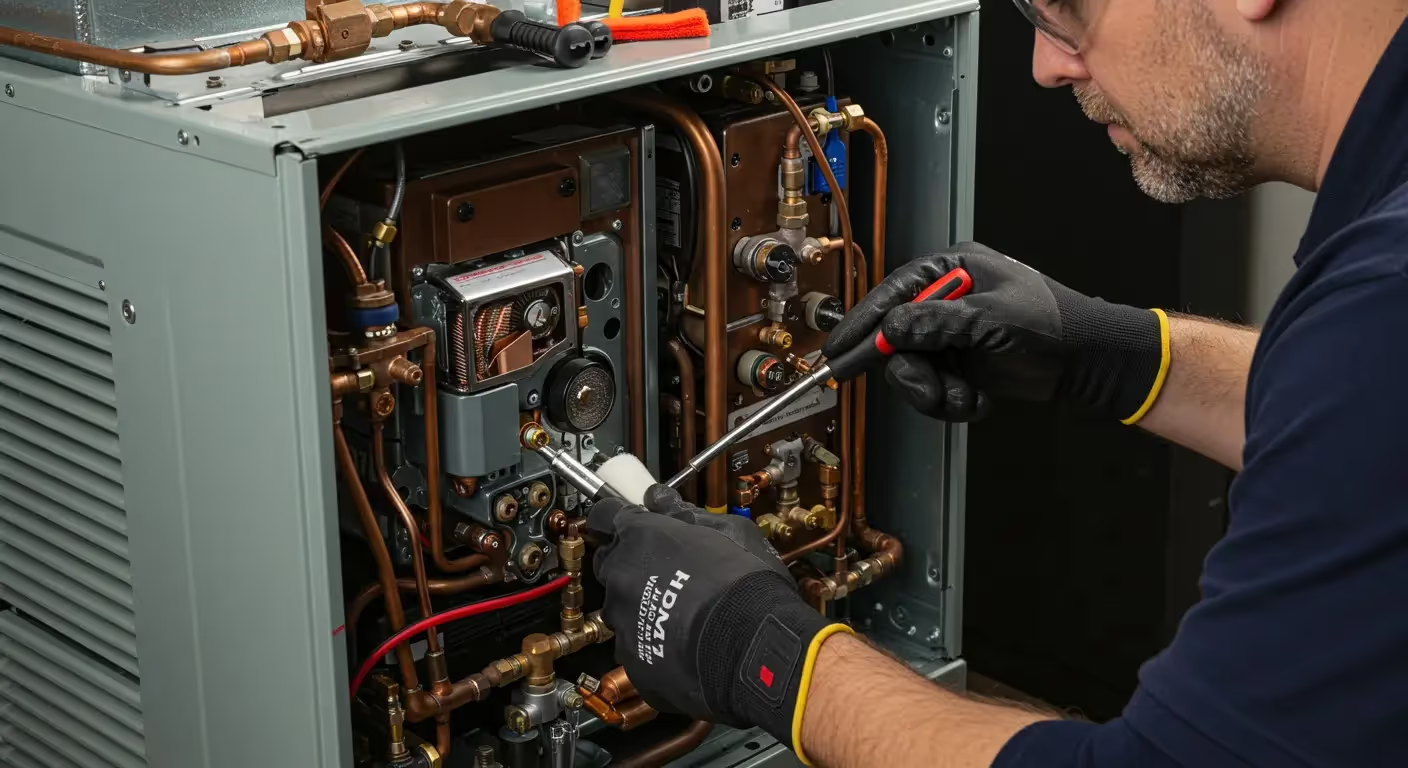
Rep-Air Heating and Cooling delivers comprehensive diagnostics and repair services designed to extend the lifespan of your existing equipment. A technician arrives equipped to handle a wide variety of heating configurations, including forced-air natural gas furnaces, electric furnaces, and heat pumps. The service scope focuses on identifying mechanical wear, safety hazards, and efficiency losses.
Upon arrival, the immediate goal is to stabilize the environment. This involves checking the thermostat calibration, inspecting the ignition sequence, and verifying airflow. For gas systems, ensuring the heat exchanger is intact is critical for safety, as cracks can lead to carbon monoxide leaks. For heat pumps, which are increasingly common in coastal BC, the focus shifts to refrigerant levels and the defrost cycle operation.
Service appointments cover the following mechanical issues:
- Ignition Failure: Troubleshooting pilot lights, hot surface igniters, or electronic ignition modules that prevent the system from firing up.
- Airflow Restrictions: Identifying blockages in ductwork, clogged filters, or failing blower motors that result in cold spots or uneven heating.
- Short Cycling: Diagnosing why a unit turns on and off rapidly, which causes excessive wear and high energy bills, often due to thermostat placement or overheating safety limits.
- Noise and Vibration: Investigating squealing belts, grinding bearings, or rattling panels that indicate loose components or mechanical failure.
- Leak Detection: Locating refrigerant leaks in heat pumps or condensate drainage issues in high-efficiency furnaces that can cause water damage.
The Installation and Replacement Process
A heating system replacement is a significant capital improvement that requires precise planning and execution. The process begins long before the physical installation. Proper sizing is the most critical factor in heating performance. A unit that is too large will short-cycle, failing to dehumidify the air—a major issue in Fairfield—while a unit that is too small will run continuously without reaching the set temperature.
Technicians perform a load calculation based on the square footage, insulation levels, window quality, and orientation of the home. This data determines the exact British Thermal Unit (BTU) output required. Once the correct system is selected, the installation team manages the removal and disposal of the old equipment in accordance with environmental regulations.
The physical installation involves several technical phases:
- Site Preparation: The area is prepped to ensure the new unit sits on a level, vibration-absorbing surface. For heat pumps, this may involve pouring a new concrete pad or installing wall brackets.
- Ductwork Adaptation: The existing plenum and supply ducts are inspected and modified to fit the new air handler. Sealing joints is essential to prevent air loss and improve static pressure.
- Utility Connections: Licensed gas fitters connect fuel lines, ensuring zero leaks, while electricians update circuit breakers and wiring to handle the amp draw of the new equipment.
- Venting and Drainage: High-efficiency furnaces produce condensation that must be drained away. PVC venting is installed to exhaust combustion gases safely outside the home.
- System Commissioning: The technician fires up the system, measuring gas pressure, temperature rise (the difference between supply and return air), and static pressure to verify the unit is operating within manufacturer specifications.
Deciding Between Repair and System Replacement
Homeowners often face the dilemma of whether to invest in another repair or opt for a full replacement. This decision should be based on data, not guesswork. While a repair is often the lower upfront cost, it can be more expensive in the long run if the system is nearing the end of its service life or if the repair costs approach the value of a new unit.
The "50% Rule" is a standard industry metric: if the cost of the repair is 50% or more of the cost of a new system, replacement is the financially sound choice. Additionally, age is a primary factor. Most gas furnaces last between 15 and 20 years, while heat pumps typically have a lifespan of 10 to 15 years. If your equipment is within these age ranges and requires a major component replacement—like a compressor or heat exchanger—investment in a new system is usually recommended.
Consider the following factors when making your decision:
- Efficiency Ratings: Older systems often have Annual Fuel Utilization Efficiency (AFUE) ratings of 60% to 70%. Modern high-efficiency units reach up to 98%. Upgrading can reduce monthly energy consumption by nearly 30%.
- Frequency of Breakdowns: If you have required multiple repairs in the last two years, the system has likely become unreliable. The cumulative cost of service calls often outweighs the monthly financing cost of a new unit.
- Home Comfort: If some rooms are always cold, or if the air feels clammy and humid despite the heat running, the current system may no longer be capable of conditioning the space effectively.
- Safety Concerns: Rust, corrosion, or cracks in the combustion chamber are non-negotiable safety hazards. In these cases, replacement is the only safe option to prevent carbon monoxide exposure.
Navigating Local Climate and Regulatory Requirements
Operating a heating system in the Fairfield area requires specific considerations due to the coastal climate and local regulations. The winters here are defined by dampness rather than extreme freezing. This makes moisture control just as important as temperature control. Systems that are oversized will cool or heat the air too quickly without running long enough to remove humidity, leading to mold growth and a "stuffy" indoor environment.
Heat pumps are particularly effective in this region. Because the temperature rarely drops below freezing for extended periods, heat pumps can extract heat from the outside air efficiently all winter long. However, for homes relying on natural gas, ensuring proper venting is crucial. The high winds and heavy rainfall common to the coast can impact roof vents and sidewall exhausts. Technicians ensure that all venting is weather-proofed and situated to prevent back-drafting.
Regulatory compliance is strictly adhered to during all projects. The installation of gas appliances and high-voltage electrical connections requires permits from the relevant safety authorities. Rep-Air Heating and Cooling manages the permitting process, ensuring that all work meets the BC Safety Authority standards and local municipal by-laws.
Furthermore, British Columbia offers substantial rebates for energy-efficient upgrades. Programs like CleanBC and FortisBC provide financial incentives for switching from fossil fuels to electric heat pumps or upgrading to high-efficiency gas appliances. Professional installers can guide you through the eligibility requirements, ensuring the installed equipment qualifies for the maximum available rebates.
- Permit Management: Handling all necessary paperwork for gas and electrical permits required by the municipality.
- Rebate Eligibility: Selecting equipment that meets the specific HSPF (Heating Seasonal Performance Factor) and SEER (Seasonal Energy Efficiency Ratio) criteria for provincial rebates.
- Seismic Restraints: Ensuring equipment is secured according to local building codes to withstand seismic activity relevant to the region.
- Condensate Management: Installing specialized traps and pumps to handle the high volume of condensate produced during damp weather operation.
Technical Precision and Verified Performance
Selecting a service provider impacts the safety and longevity of your home infrastructure.
- Certified Technicians: All work is performed by licensed, bonded, and insured tradespeople.
- Brand Neutrality: Capable of servicing all major makes and models.
- Code Compliance: Adherence to B149.1 Natural Gas and Propane Installation Code and Canadian Electrical Code.
- Detailed Reporting: Customers receive clear explanations of work performed, including digital readouts of system performance metrics.
Ensuring your home remains warm and dry through the wettest months requires proactive maintenance and timely upgrades. By focusing on efficiency, safety, and proper sizing, you secure long-term comfort and asset protection.
Take Action Today
Don’t wait for the next cold, damp spell to disrupt your home. Contact our team now to schedule your heating service, ensure reliable performance, and enjoy peace of mind all winter long.
hear what our satisfied clients have to say
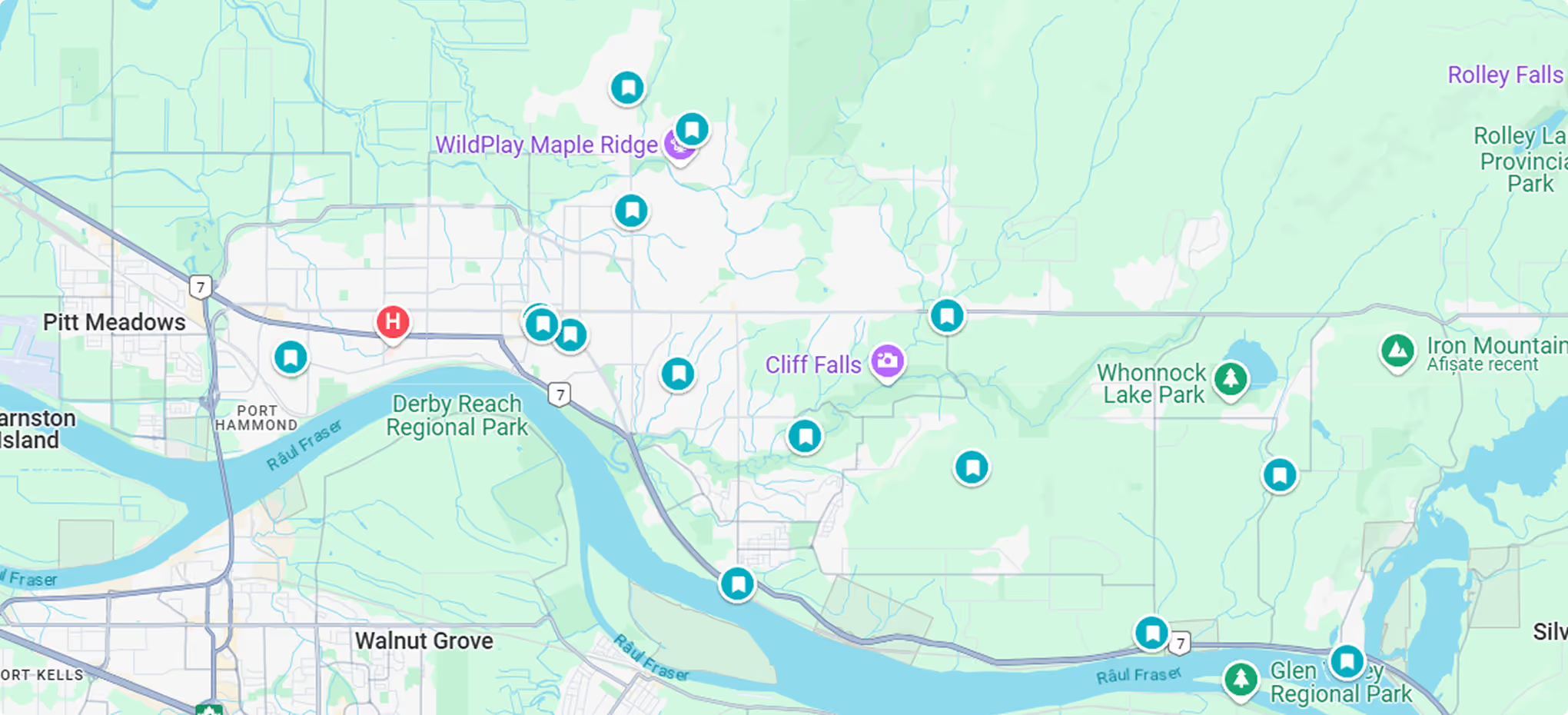
Neighbourhoods in the Fraser Valley