Heating in Glen Valley, BC
Restore Your Home’s Warmth Immediately When Systems Fail
Winter’s damp chill can hit hard and unexpectedly in Glen Valley, leaving you in urgent need of reliable heating when your system suddenly shuts down. Our expert technicians are ready to restore your comfort swiftly and efficiently, so contact us today to schedule a diagnostic visit or discuss financing options for a new system.
- Speedy same-day service to tackle heating emergencies.
- Expert repairs and installations by certified technicians.
- Clear, upfront pricing with no hidden fees.
All services are fully licensed with extended warranties and flexible financing options available.
Immediate Heating Solutions Tailored to the Local Climate
A heating failure is rarely just an inconvenience; in the damp, maritime climate of British Columbia, it creates immediate discomfort and potential risks to your property. When temperatures drop between 0°C and 8°C, the high humidity can make the cold feel significantly more penetrating than the thermometer suggests. Homeowners need more than a quick patch; they require a comprehensive solution that addresses the root cause of the failure to prevent recurrence.
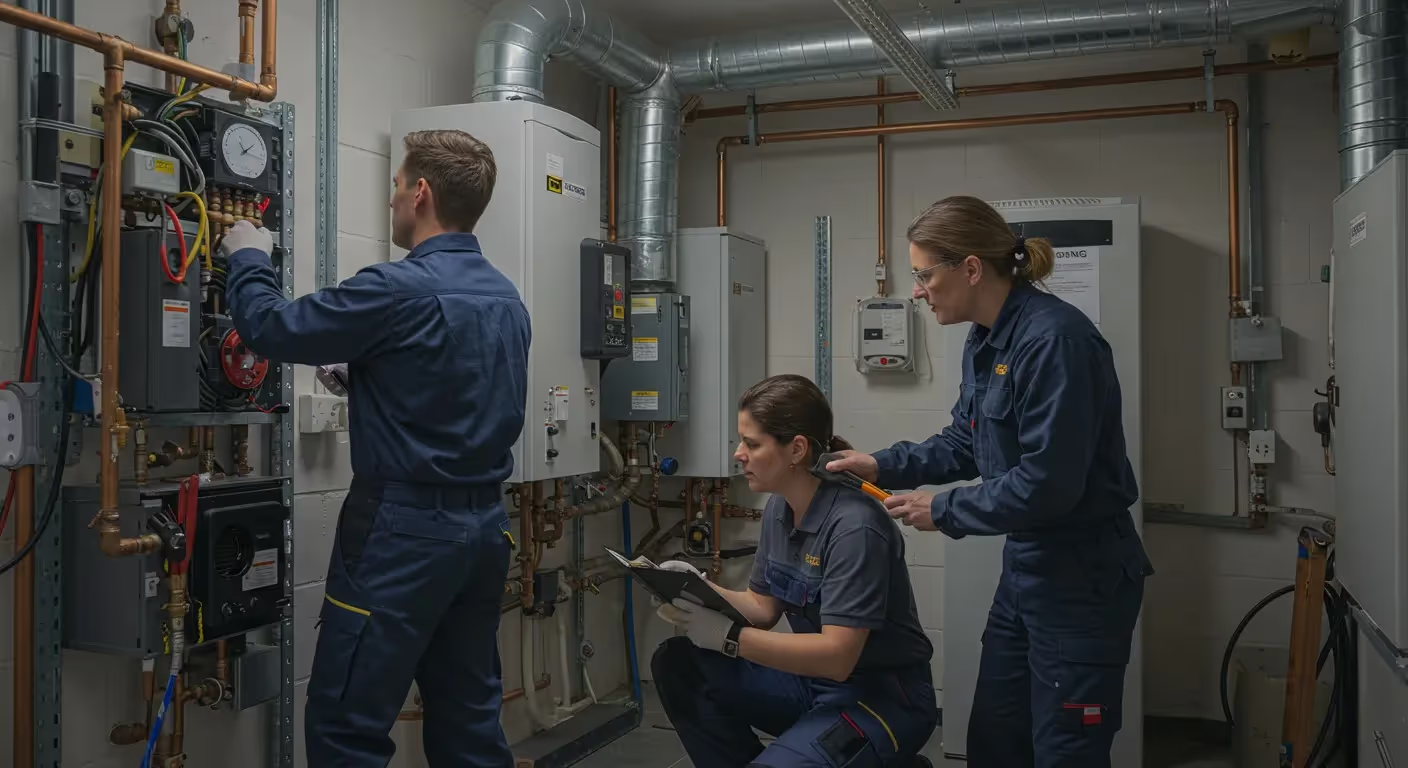
Rep-Air Heating and Cooling understands the urgency required when a furnace or heat pump stops working during a cold snap. The goal is to minimize downtime and ensure your home remains a sanctuary against the wet, cold weather typical of the region. Whether the issue stems from a pilot light failure, a malfunctioning thermostat, or a seized motor, the priority is always accurate diagnosis followed by immediate action.
Residents in Glen Valley often face specific challenges related to moisture affecting ignition systems or electrical components. Professional intervention ensures that these environmental factors are accounted for during the repair process. By focusing on rapid response times and carrying a wide inventory of parts, the time between your call and the restoration of heat is drastically reduced.
What Our Heating Services Include: From Quick Fixes to System Overhauls
When you engage professional heating services, you are paying for a comprehensive restoration of your home's thermal comfort. The scope of service covers every aspect of the heating system, ensuring safety, efficiency, and longevity.
Diagnostic and Repair Services
- Advanced Troubleshooting: Technicians utilize industry-grade diagnostic tools to pinpoint the exact failure point, whether it is an airflow restriction, an electrical fault, or a mechanical breakdown.
- Component Replacement: Services include the removal and replacement of worn-out parts such as blower motors, heat exchangers, igniters, and flame sensors with high-quality, manufacturer-approved components.
- Safety Inspections: Every repair visit includes a safety check to detect carbon monoxide leaks, gas line integrity issues, or electrical hazards that could pose a risk to the household.
- System Calibration: Post-repair adjustments are made to gas pressure, airflow, and thermostat settings to ensure the system runs at peak efficiency.
Installation and System Upgrades
- Heat Pump Installation: Given the moderate winters, heat pumps are a highly efficient option. Services include sizing the unit correctly for your square footage and installing both ducted and ductless systems.
- Furnace Replacement: For homes relying on natural gas, services cover the removal of old units and the precise installation of high-efficiency furnaces that meet current AFUE standards.
- Boiler Services: For homes with hydronic heating, technicians handle boiler repairs, flushing, and new installations to maintain consistent radiant heat.
- Ductwork Modifications: Assessing and sealing ductwork is often included to ensure that the heated air actually reaches the living spaces rather than leaking into attics or crawlspaces.
Maintenance and Tune-Ups
- Seasonal Preparation: Comprehensive cleaning of burners, inspection of heat exchangers, and testing of safety controls to prepare the system for the heavy workload of winter.
- Filter Management: Guidance on appropriate filter ratings (MERV) and replacement to maintain air quality and protect the blower motor.
Your Step-by-Step Guide to Heating Installation and Repair
Understanding the service process eliminates uncertainty and helps you prepare for the technician's arrival. The workflow is designed to be transparent, logical, and respectful of your time and property.
- Initial Consultation and Assessment: The process begins with a detailed assessment. For repairs, the technician listens to the symptoms you have observed—strange noises, short cycling, or lack of heat. For installations, a load calculation is performed to determine the exact heating requirements of your home based on size, insulation levels, and window orientation.
- Diagnosis and Transparent Quoting: Once the issue is identified or the new system is selected, you receive a flat-rate quote. This document outlines the cost of labor, parts, and any necessary permits. There is no guesswork; the price agreed upon is the price paid. You approve the work before any tools are lifted.
- Execution of Work: Technicians proceed with the repair or installation using drop cloths and shoe covers to protect your flooring.
- For repairs, the faulty component is isolated and replaced.
- For installations, the old unit is safely disconnected and removed for recycling. The new unit is positioned, leveled, and connected to gas, electrical, and ventilation systems.
- Testing and Commissioning: The job is not complete when the parts are in place. The system undergoes a rigorous commissioning sequence. This involves testing the startup cycle, measuring temperature rise, checking static pressure, and verifying that all safety limits are functioning correctly.
- Walkthrough and Education: Finally, the technician demonstrates the operation of the system. You will learn how to operate the thermostat, how to change filters, and what maintenance signs to watch for in the future. The work area is cleaned, and all debris is removed from the premises.
Deciding Between Heating Repair or Replacement: What You Need to Know
One of the most difficult decisions a homeowner faces is whether to invest in another repair or to bite the bullet and replace the entire system. Making the wrong choice can lead to wasted money on a dying unit or unnecessary capital expenditure on a new one.
The 50% Rule
A standard industry benchmark is the "50% Rule." If the cost of the repair approaches or exceeds 50% of the value of the system (or the cost of a new system), replacement is generally the smarter financial move. However, this rule must be weighed against the age of the unit.
Age of the System
Efficiency Considerations
Newer furnaces and heat pumps offer significantly higher efficiency ratings. A furnace from 15 years ago may operate at 70-80% efficiency, meaning 20-30 cents of every dollar spent on gas goes up the flue. Modern units often exceed 95% efficiency. Rep-Air Heating and Cooling technicians can perform a cost-benefit analysis showing how much you could save on monthly utility bills by upgrading, which often offsets the monthly cost of financing a new system.
Safety and Comfort
If your current system struggles to maintain a consistent temperature, leaves cold spots in the house, or makes excessive noise, a repair might not solve the underlying design or capacity issues. Furthermore, older heat exchangers are at higher risk of developing cracks, which can lead to carbon monoxide leaks. In such cases, replacement is a safety imperative.
Understanding Local Heating Regulations and Seasonal Tips
Operating a heating system in Glen Valley involves adhering to specific provincial codes and adapting to the wet coastal environment.
Permits and Safety Codes
Any significant alteration to a gas system or a new installation requires a permit from the relevant safety authority (often Technical Safety BC). This ensures that the work meets strict safety standards regarding ventilation, gas piping, and clearances. Hiring a licensed contractor ensures that all permits are pulled and closed correctly. This is crucial for insurance purposes and the future resale value of the home.
Managing Humidity and Condensation
The high annual precipitation (exceeding 1200 mm) in the region means indoor humidity can be a challenge.
Seasonal Preparation Strategy
Because snowfall is rare but sudden, many homeowners are caught off guard. The best time to service a heating system is in late summer or early autumn, before the rain sets in.
Why Choose Us: Customer Stories and Service Guarantees
Selecting a service provider is about trust and reliability. Homeowners require a partner who respects their home and stands behind the quality of their work.
Technical Expertise and Certification
Technicians undergo rigorous training and hold the necessary gas and refrigeration tickets to work legally and safely in British Columbia. Continuous education ensures they are up to date on the latest heat pump technologies and high-efficiency gas codes.
Respect for Your Home
The service philosophy centers on leaving the home cleaner than it was found. Use of protective mats and shoe covers is standard protocol. Technicians are trained to communicate clearly, explaining the "what" and "why" of every repair without using confusing jargon.
Warranty and Peace of Mind
Repairs and installations are backed by solid warranties. If a fixed component fails within the warranty period, it is addressed without hassle. This commitment to quality protects your investment and ensures that the solution provided is a lasting one.
Act Now for Prompt, Professional Heater Repair
When the temperature drops and your system falters, you need a team that prioritizes your safety and comfort above all else. Rep-Air Heating and Cooling delivers the expertise, speed, and transparency required to keep your home warm through the wettest and coldest days of the year.
Don't let a broken heater compromise your comfort—reach out to our team now to schedule your priority repair service.
hear what our satisfied clients have to say
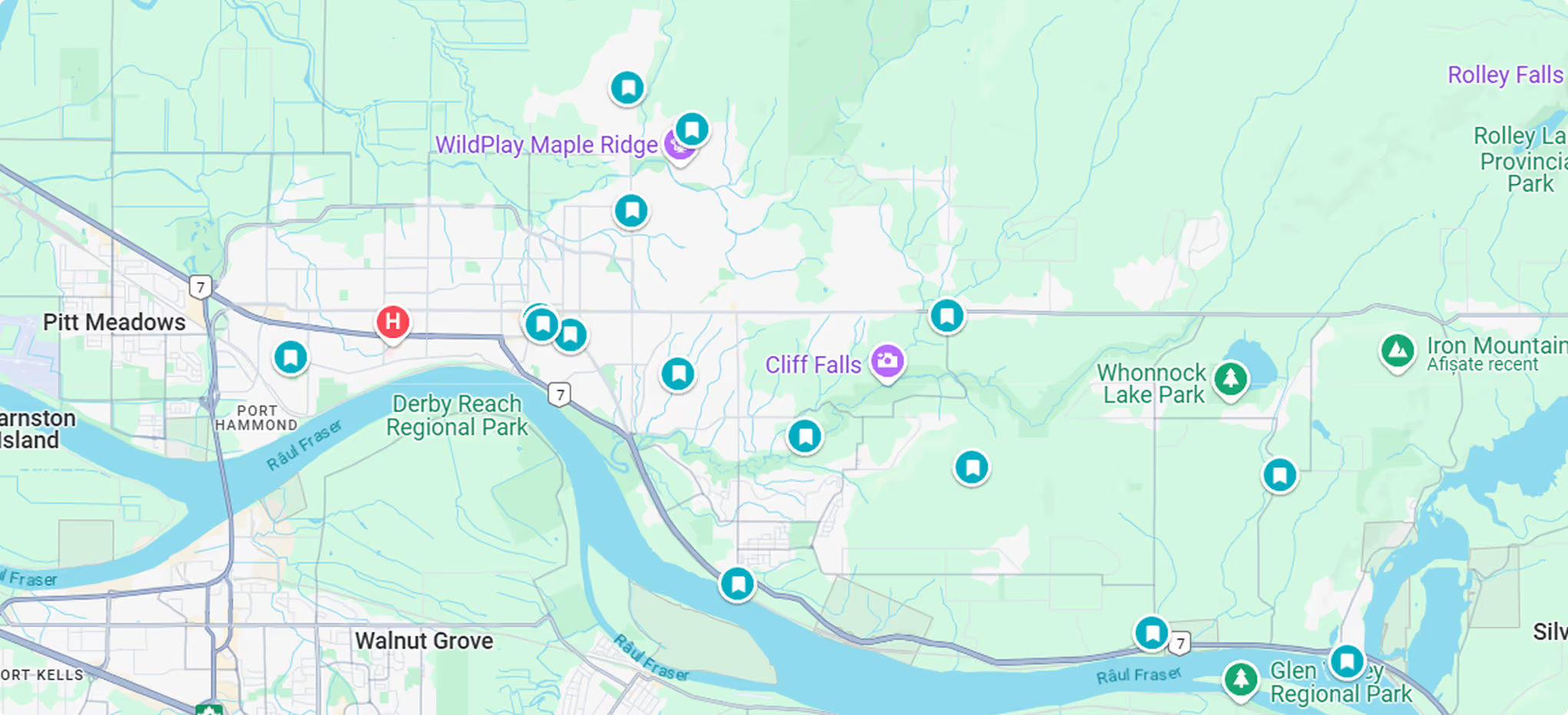
Neighbourhoods in the Fraser Valley