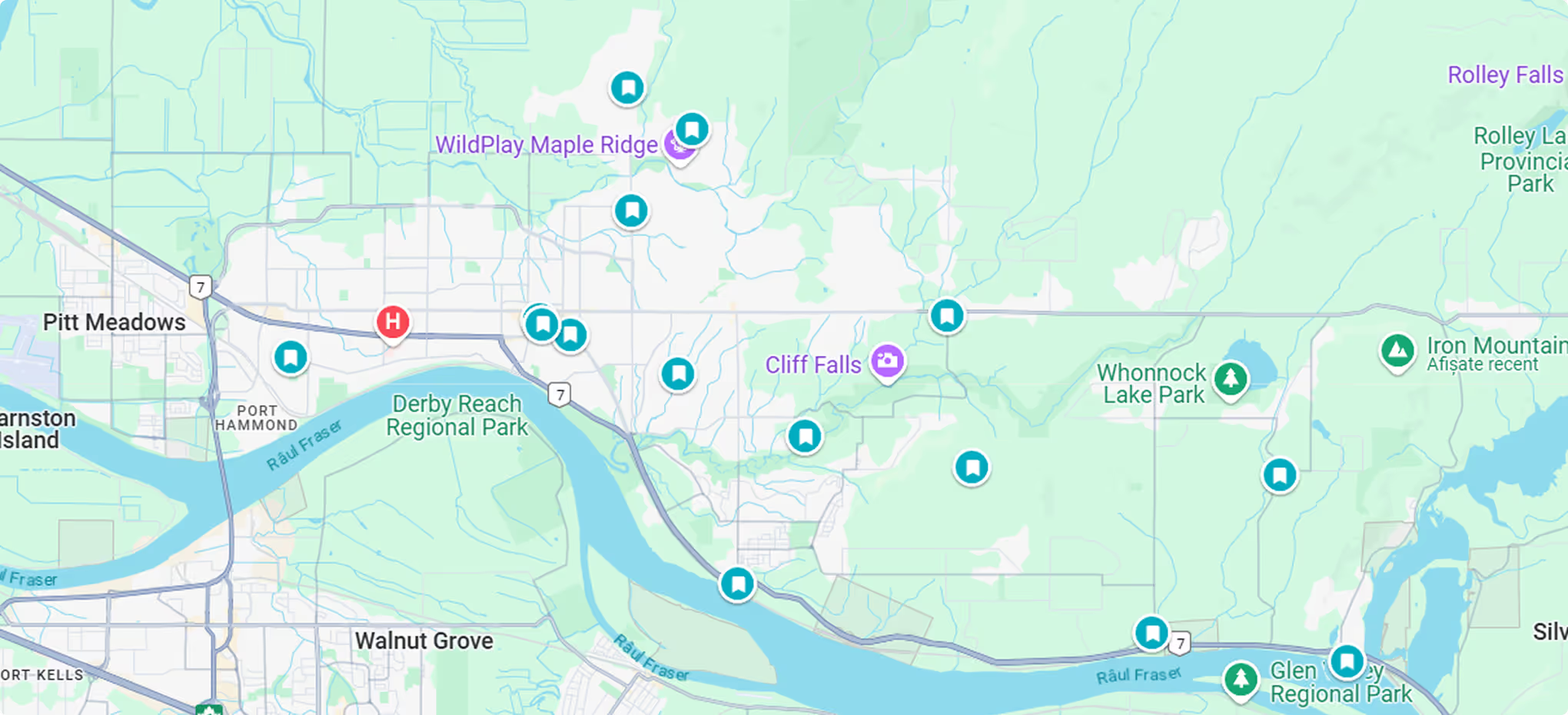
Heating in Hatzic, BC
Eliminate Cold Spots and System Failures with Expert Heating Support
Don't let a malfunctioning heater leave you in the cold this winter, especially given the damp, chilling conditions typical of Hatzic. When your furnace or heat pump fails, you need a team that provides rapid, reliable repairs and installations to restore your comfort immediately; contact us today to book an appointment or ask about our financing options. Rep-Air Heating and Cooling specializes in diagnosing and resolving complex heating issues efficiently to keep your home safe and warm.
- Same-day service ensures your heating issues are fixed quickly.
- Professional, licensed technicians equipped to handle all heating models.
- Transparent pricing with no hidden fees for all repair and installation jobs.
- All work is fully licensed, with extended warranties and flexible financing options available.
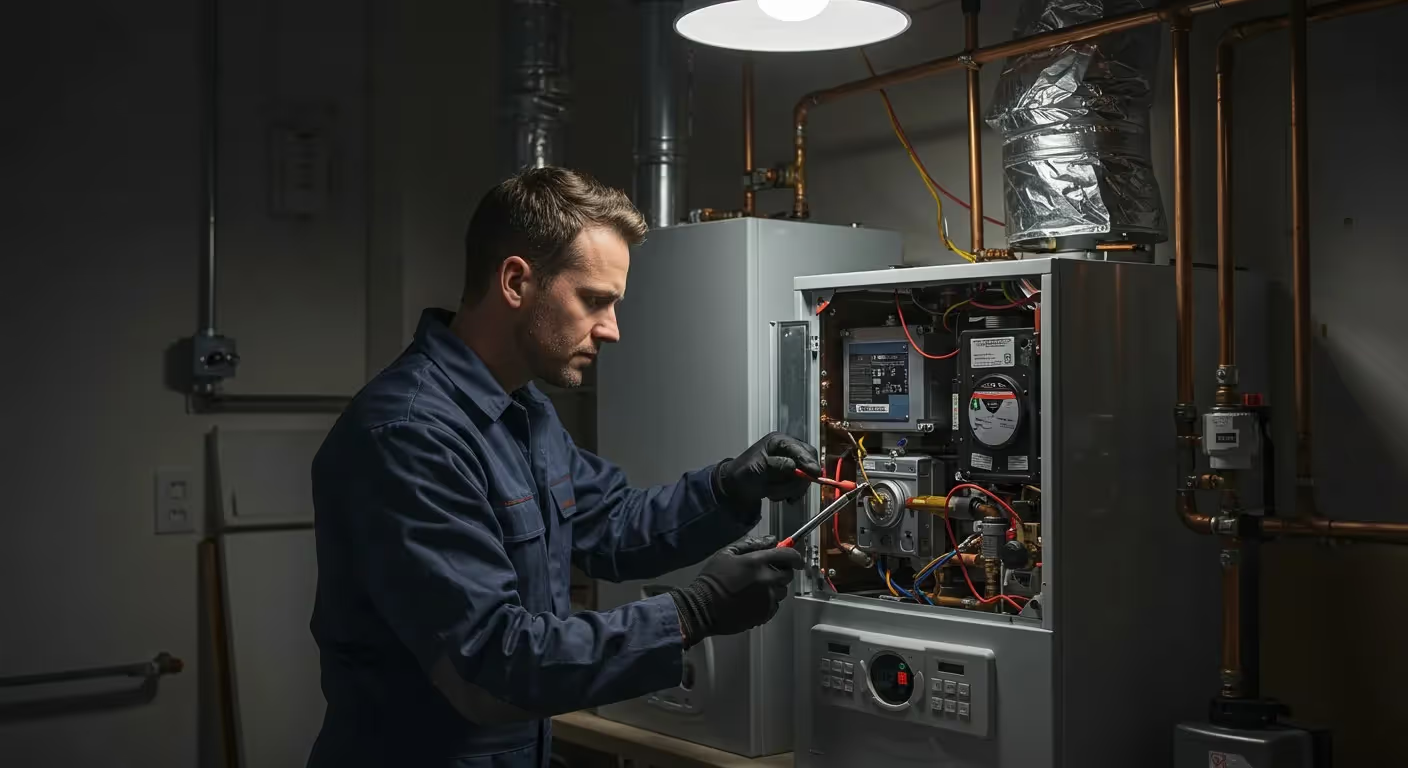
Immediate Diagnostics and Heating Repair Scope
When a heating system goes down, the priority is restoring functionality with minimal disruption to your daily routine. Professional service begins with a comprehensive diagnostic evaluation. Technicians arrive with fully stocked vehicles, often referred to as "rolling warehouses," containing universal parts and specialized tools required to address the majority of heating failures on the first visit.
The scope of service covers a wide array of heating technologies found in local homes. This includes forced-air natural gas furnaces, electric furnaces, boilers, and increasingly popular heat pump systems. The diagnostic process involves checking the thermostat communication, testing the ignition sequence, and verifying the safety of the heat exchanger.
You can expect the following during a service visit:
- System Analysis: Technicians perform a complete safety check, looking for carbon monoxide leaks, gas line integrity issues, and electrical faults.
- Component Testing: Critical parts such as the blower motor, inducer motor, flame sensor, and control board are tested for proper voltage and operation.
- Airflow Assessment: Restricted airflow is a common cause of system overheating; filters and ductwork static pressure are evaluated to ensure heat is distributing correctly.
- Immediate Repair: Once the issue is identified, the technician provides a clear explanation of the failure and executes the repair immediately using high-quality replacement parts.
This approach eliminates the guesswork. Instead of temporary patches, the focus is on identifying the root cause—whether it is a clogged condensate line in a high-efficiency furnace or a refrigerant leak in a heat pump—and solving it permanently.
The Installation and Replacement Process
There comes a point where a heating system is no longer viable to repair, and a new installation becomes necessary. A proper installation is the most critical factor in the longevity and efficiency of a heating unit. The process is methodical, adhering to strict manufacturer specifications and local building codes — view our gallery.
The replacement workflow typically follows this sequence:
- Load Calculation: Before any equipment is selected, a Manual J load calculation (or equivalent) is performed. This mathematical process determines exactly how much heat your home requires based on square footage, insulation levels, window quality, and local climate data. This prevents the installation of an oversized unit, which causes short-cycling, or an undersized unit that cannot keep up with winter lows.
- System Selection: Based on the load calculation, options are presented that maximize energy efficiency (AFUE for furnaces, HSPF for heat pumps) and fit within the designated budget. This includes discussing single-stage, two-stage, or modulating systems that offer varying levels of comfort control.
- Site Preparation: The old unit is disconnected safely. This involves shutting off gas and electrical supplies and carefully removing the existing equipment to prevent damage to the home. The area is cleaned and prepped for the new unit.
- Ductwork Modification: Often, the existing plenum or ductwork requires modification to fit the new, more compact, or differently configured modern units. This ensures an airtight seal and optimal airflow.
- Installation and Commissioning: The new system is set in place, leveled, and connected. Gas lines, electrical wiring, and flue pipes are installed to code. Once connected, the system is "commissioned." This involves a series of tests to adjust gas pressure, fan speed, and temperature rise to match the manufacturer's engineering data.
- Final Walkthrough: The technician demonstrates how to operate the new thermostat, how to change filters, and explains the warranty registration process.
Deciding Between Heating Repair and System Replacement
Homeowners often face the difficult decision of whether to invest in another repair or to replace the system entirely. Making the right financial choice depends on several technical and economic factors. It is rarely a guess; specific metrics can guide this decision.
Consider replacement if the equipment meets the following criteria:
- Age of the Unit: Most gas furnaces have a lifespan of 15 to 20 years, while heat pumps last 10 to 15 years. If your unit is approaching or has exceeded this age range, parts become obsolete, and major component failures (like heat exchangers or compressors) become statistically probable.
- The 50% Rule: A general industry standard suggests that if the cost of a repair approaches 50% of the value of a new system, replacement is the wiser investment. Investing heavily in an old asset often leads to diminishing returns.
- Frequency of Breakdowns: If you have required multiple repairs in the last two years, the system has likely become unreliable. "Nickel and diming" on minor repairs often totals more than a down payment on a new, warranted unit.
- Rising Energy Bills: As systems age, they lose efficiency due to wear and tear. If your heating costs have spiked despite normal usage, the system may be working twice as hard to produce the same amount of heat. Modern systems are significantly more efficient, often lowering monthly utility bills enough to offset the installation cost over time.
- Comfort and Safety Issues: Uneven heating, loud noises, or safety warnings (such as cracked heat exchangers which pose CO risks) are immediate triggers for replacement.
Conversely, repair is usually the right path if the system is under ten years old, the repair cost is reasonable, and the unit has a history of regular maintenance. Rep-Air Heating and Cooling technicians provide honest assessments to help you weigh these factors against your long-term goals.
Critical Local Considerations for Homeowners
Operating a heating system in the Fraser Valley requires attention to specific regional factors. The local climate and regulatory environment influence how heating systems should be selected and maintained.
Climate and Humidity Management:
- The region experiences mild but very wet winters, with temperatures averaging between -1°C and 5°C. However, the high annual rainfall (approximately 1200mm) creates a damp cold that penetrates homes differently than dry cold.
- Heating systems here must do more than just raise the temperature; they play a crucial role in managing indoor humidity. High-efficiency furnaces and heat pumps help dry the air as they heat it, preventing mold growth and increasing perceived comfort.
- Heat pumps are particularly effective in this climate zone because the temperature rarely drops below the efficiency threshold of modern units. However, because of the high moisture, heat pumps will enter "defrost mode" more frequently to melt ice off the outdoor coil. This is normal operation for the area but often mistaken for a malfunction by homeowners.
Utility Rebates and Incentives:
- British Columbia offers some of the most aggressive energy rebates in North America through the CleanBC Better Homes program. Switching from fossil fuel-based heating (like oil or natural gas) to an electric heat pump can qualify homeowners for significant rebates.
- These programs change frequently and often require the contractor to be specially registered. It is vital to check current eligibility requirements before starting a project.
Permits and Building Codes:
- In BC, replacing a gas appliance requires a permit from Technical Safety BC or the local municipality, depending on jurisdiction.
- Gas work must be performed by a bonded, licensed gas fitter. Unauthorized work not only poses severe safety risks but can also void home insurance policies and complicate future property sales.
- Venting codes have also evolved. Many older furnaces use metal B-vents, whereas modern high-efficiency units require PVC S636 venting. Upgrading the venting system is often a mandatory part of a furnace replacement to meet current safety standards.
Why Homeowners Trust Professional HVAC Technicians
While DIY solutions are popular for many home improvements, heating systems involve high-voltage electricity, combustible gases, and potential carbon monoxide exposure. Professional intervention is not just about convenience; it is a matter of safety and compliance — read our reviews.
Professional technicians bring specific assets to every job:
- Advanced Diagnostics: Professionals use manometers to measure gas pressure, multimeters for electrical troubleshooting, and combustion analyzers to ensure the system is burning fuel safely and efficiently. These tools provide data that visual inspection cannot.
- Safety Guarantees: A licensed technician understands the distinct smell of aldehyde (indicating incomplete combustion) and knows how to test limit switches that prevent fires. They ensure that all safety interlocks are functioning correctly before leaving the premises.
- Warranty Protection: Most equipment manufacturers require proof of professional installation and annual maintenance to uphold the warranty. DIY repairs can inadvertently void these warranties, leaving the homeowner liable for expensive future replacements.
- Code Compliance: Technicians stay updated on the latest changes to the B149.1 Natural Gas and Propane Installation Code and the Canadian Electrical Code. This ensures that every repair or installation passes inspection and maintains the value of the home.
Maintaining a warm environment is essential for safety and health during the winter months. Whether you are dealing with a furnace that refuses to ignite, a heat pump that is icing up, or simply need an expert opinion on the efficiency of your current setup, professional guidance ensures the job is done right the first time.
Get Fast, Reliable Heating Service Now
If your heating system is showing signs of failure or you require an immediate assessment of your home’s heating needs, do not wait for the temperature to drop further. Secure your home's comfort and safety today by scheduling a professional heating service with our licensed team.
hear what our satisfied clients have to say
Neighbourhoods in the Fraser Valley