Heating Installation in Milner, BC
Struggling with inconsistent heat or frequent furnace repairs in your home? Rep-Air Heating and Cooling provides comprehensive heating installation in Milner, BC, ensuring your home stays warm and efficient throughout the Fraser Valley’s wet, cold months. Choosing a professional installation means your new system is properly sized, safely connected, and built to last. Our certified, experienced HVAC team is known for precision workmanship and our guarantee to get the job done right the first time. Call us to arrange your heating installation and enjoy reliable comfort all winter long.

Heating Installation in Milner, BC
Installing a new heating system is one of the most important home investments for Milner, BC homeowners. Between cold, damp Fraser Valley winters and older house stock in the area, the right system improves comfort, energy bills, and indoor air quality. This page explains the professional heating system installation process for Milner homes: from the initial assessment and load calculations to system selection, permits and code requirements, step-by-step installation, timelines, warranty details, financing options, and post-installation onboarding.
Why a professional heating installation matters in Milner, BC
Milner’s climate—mild summers and cool, wet winters—places unique demands on heating systems. Excess humidity, occasional freezing nights, and the prevalence of older plumbing and ductwork mean installations must address moisture control, corrosion resistance, and right-sized capacity. A professional installation ensures your system runs safely, quietly, and efficiently while meeting provincial codes and local permit requirements.
Common heating systems for Milner homes
- Gas furnaces: High heat output and fast recovery. Best for homes with existing natural gas lines.
- Boilers (hydronic systems): Even heat and good for homes with radiators or in-floor heating.
- Air source heat pumps (including cold-climate models): Highly efficient, provide heating and cooling, and are increasingly suitable for the Fraser Valley where winter lows are moderate.
- Ductless mini-splits: Excellent for additions, heritage homes without ducts, or zoned heating needs.
Initial home assessment and load calculations
A thorough assessment precedes any installation. Key steps include:
- Walk-through inspection of the home layout, insulation levels, window types, and existing ductwork or radiator piping.
- Evaluation of attic, crawlspace, and basement condition for ventilation and clearance needs.
- Measurement of room dimensions and building envelope details.
- Performing Manual J load calculations (or equivalent) to determine the required heating capacity in kilowatts or BTUs. This prevents undersizing (cold, short-cycling) and oversizing (wasted energy, humidity problems).
- If switching systems (for example boiler to heat pump), assessing electrical capacity, gas availability, and structural access for outdoor units or flues.
Selecting the right system and efficiency ratings
Choosing the right model depends on comfort goals, fuel availability, house size, and long-term operating costs.
- For furnaces: prioritize higher AFUE ratings (Annual Fuel Utilization Efficiency); modern high-efficiency units often exceed 95% AFUE.
- For boilers: look at AFUE and condensing technology; condensing boilers recover more heat from exhaust gases.
- For heat pumps: compare HSPF (heating seasonal performance factor), SEER for cooling performance, and cold-climate COP (coefficient of performance) at low outdoor temperatures.
- Consider lifecycle costs not just purchase price: higher efficiency can lower yearly energy bills and may qualify for provincial or federal rebates.
- Account for installation compatibility: existing ductwork condition, condensate handling, and required electrical upgrades.
Permits, licensing, and code considerations in Milner/BC
Professional installations must comply with the BC Building Code, gas regulations, and local municipality permit rules.
- Natural gas systems require licensed gas fitter work and proper venting per code.
- Electrical upgrades for heat pumps or high-efficiency furnaces must comply with provincial electrical standards and may require an electrician permit.
- Permits are often required for major replacements (new furnace, boiler, or exterior condenser/heat pump unit). Permit paperwork typically documents equipment specs, efficiency ratings, and qualified installer info.
- Inspections may be required after installation to verify safe combustion, venting, and electrical connections.
Step-by-step installation process
A typical professional installation follows this sequence:
- Finalize system selection and confirm sizing from load calculations.
- Secure required permits and order equipment and materials.
- Prepare the home: move furniture, protect floors, and clear access to install locations.
- Remove old equipment safely, including gas disconnection or draining of boiler loops.
- Install new equipment:
- Mount furnace/boiler or outdoor heat pump condenser and indoor air handler.
- Connect ductwork, piping, condensate lines, and flue/venting.
- Install or upgrade thermostat and control wiring.
- Complete required electrical connections and circuit protections.
- Commissioning: fill, purge, and pressurize hydronic systems or charge refrigerant lines for heat pumps.
- Safety checks and system calibration.
Typical timelines and factors that affect schedule
- Standard furnace or heat pump replacement: commonly completed in 1 day for straightforward jobs.
- Boiler replacements, systems that require new piping, or installations that add ductwork: typically 2–4 days.
- Jobs that require structural modifications, permits, or electrical panel upgrades can extend timelines by several days or more.
- Weather, equipment lead times, and required inspections also affect scheduling.
Warranty, manufacturer information, and maintenance requirements
- Manufacturer warranties vary: common coverage includes 10–20 years on heat exchangers for furnaces/boilers and 5–10 years on parts; heat pumps often include 5–10 year compressor warranties plus parts coverage.
- Many warranties require professional installation and registration within a set period. Keep installation paperwork and serial numbers for warranty claims.
- Regular maintenance preserves warranty eligibility: annual or biannual tune-ups, filter replacement, and system checks are standard.
- Extended warranty options or manufacturer protection plans are often available; review terms for labor, parts, and prorated coverage periods.
Financing options and incentive programs
Homeowners in Milner may use a range of financing paths to spread installation cost:
- Home improvement loans, homeowner lines of credit, or energy-efficient financing programs through financial institutions.
- Some contractors and lenders offer installment financing or deferred payment plans (terms vary).
- Provincial and federal energy-efficiency incentives or rebates may apply to high-efficiency furnaces, boilers, or heat pumps; check current CleanBC or federal programs for eligibility and application timelines.
- Factor long-term savings from improved efficiency and potential rebates when comparing options.
Post-installation testing, onboarding, and what to expect
After installation, expect a thorough commissioning and homeowner orientation:
- Safety tests: carbon monoxide checks, combustion efficiency, gas leak tests, electrical inspections.
- Performance testing: airflow, refrigerant charge (heat pumps), temperature rise (furnaces), and pressure tests for hydronic systems.
- Thermostat programming: demonstration of schedules, zoning, and smart-control features.
- Documentation: equipment manuals, warranty cards, maintenance schedule, and owner responsibilities.
- Technicians should leave the work area clean and explain common minor issues and troubleshooting steps.
Long-term benefits and maintenance tips for Milner homeowners
- A properly installed system delivers consistent comfort, lower energy costs, and longer equipment life.
- In Milner’s damp climate, prioritize corrosion-resistant fittings, proper condensate drainage, and routine maintenance to control humidity and prevent mold.
- Schedule annual inspections for gas systems and heat pumps before peak heating seasons.
- Replace filters regularly and consider whole-home ventilation or dehumidification if excess moisture is a concern.
A professional, code-compliant heating installation tailored to Milner homes ensures safety, efficiency, and reliable comfort through the Fraser Valley winter months. Proper assessment, correct equipment selection, careful permitting, and thorough commissioning are the keys to getting it right the first time.
hear what our satisfied clients have to say
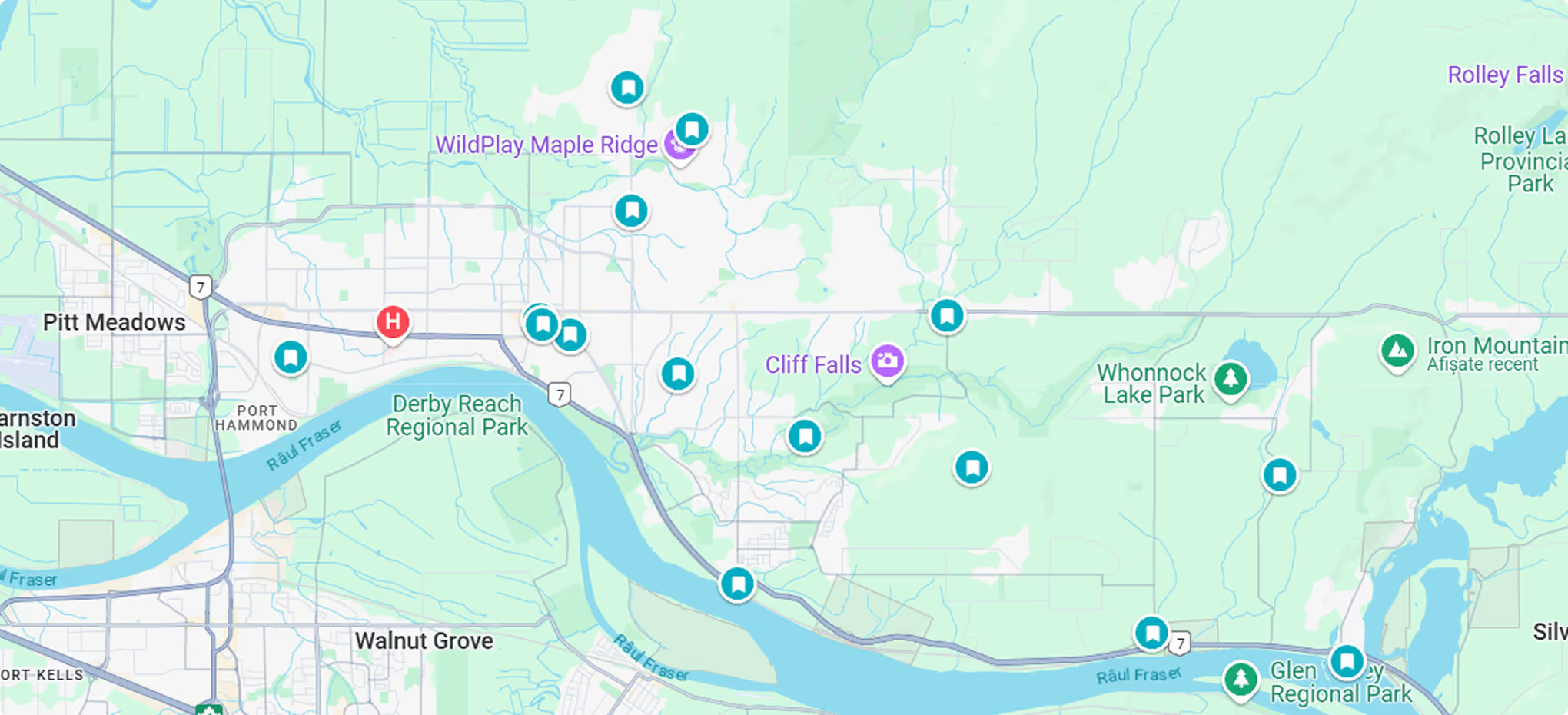
Neighbourhoods in the Fraser Valley