Heating in Lower Ten Oaks, BC
Heating System Failure? Secure Immediate, Professional Repair
When the temperature drops and your heating system fails to deliver warm air, your home in Lower Ten Oaks quickly shifts from a place of comfort to a source of stress. Contact us immediately to schedule a diagnostic visit, call for emergency service, or inquire about our flexible financing options. Rep-Air Heating and Cooling provides decisive, professional intervention to restore your heat, ensuring safety and comfort are re-established without unnecessary delay.
- Rapid response times with same-day service availability to minimize downtime.
- Thorough system inspections and durable repairs performed by certified, background-checked technicians.
- Transparent, upfront pricing structures with absolutely no hidden fees.
Backed by comprehensive warranties and simplified financing options, ensuring your peace of mind and financial flexibility.
Today's Service Overview: Speedy Repairs and System Health Checks
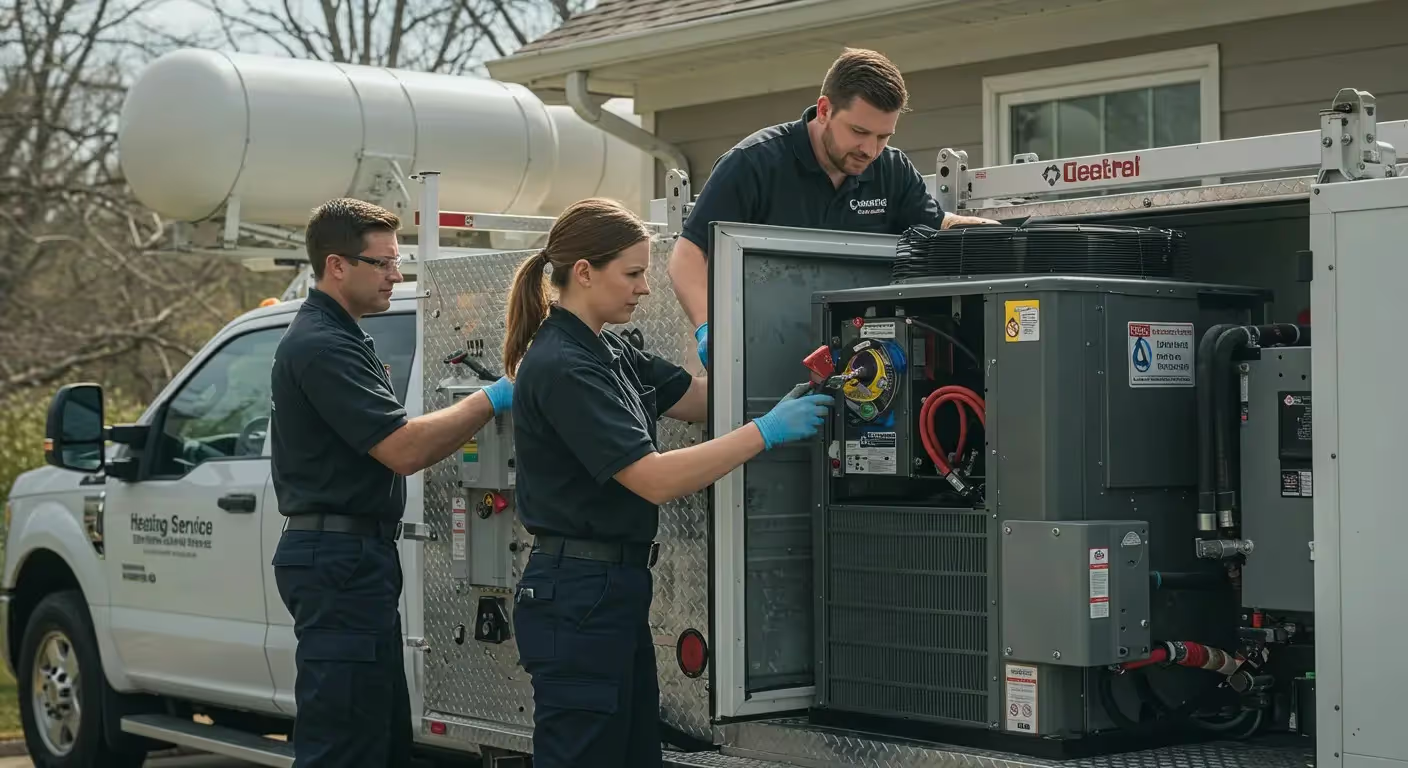
A broken heater is rarely a simple inconvenience; it disrupts your daily routine and can pose risks to your plumbing and property during freezing conditions. When you request service, the priority is to identify the root cause of the malfunction immediately rather than just treating the symptom. Professional technicians arrive fully equipped to handle a wide range of heating technologies, from high-efficiency gas furnaces to electric heat pumps and ductless mini-splits.
Upon arrival, the service process begins with a comprehensive diagnostic evaluation. This is not a cursory glance at the unit. It involves a systematic check of all critical components. Technicians test the ignition system or pilot light, verify proper airflow through the ductwork, inspect the heat exchanger for cracks or corrosion, and calibrate the thermostat to ensure accurate temperature control. In Lower Ten Oaks, where damp cold is common, checking for moisture-related issues within the system is also a standard part of the protocol.
Once the issue is isolated, you receive a clear explanation of the failure and the necessary steps to rectify it. Whether the fix requires replacing a worn-out blower motor, clearing a clogged condensate line, or repairing a faulty control board, the goal is a permanent solution. The focus remains on restoring the system to manufacturer specifications, ensuring it operates safely and efficiently for the remainder of the season.
Common Failure Points Addressed
Heating systems are complex machines with numerous moving parts and electrical connections. Service calls frequently address specific technical failures that stop heat production.
- Ignition and Pilot Control Issues: For gas furnaces, the ignition system is critical. Faulty hot surface igniters, dirty flame sensors, or pilot lights that refuse to stay lit are common culprits that prevent the burners from firing.
- Airflow Restrictions: A system cannot distribute heat if it cannot move air. Issues often stem from clogged filters, failing blower motors, or blocked return vents, leading to system overheating and automatic shutdowns.
- Thermostat Malfunctions: Sometimes the heating unit is functional, but the "brain" of the system is not communicating correctly. Calibration errors, wiring issues, or battery failures in the thermostat can simulate a total system breakdown.
- Heat Pump Defrost Cycles: In the specific climate of this region, heat pumps must manage frost buildup on the outdoor coil. If the defrost board or sensors fail, the unit may freeze up and stop heating effectively.
Your Guide to Smooth Heating Installations and Replacements
There comes a point where repair is no longer the most economical or reliable option. When a new system is required, the installation process determines the efficiency and longevity of that investment. A proper installation is not merely swapping one metal box for another; it is a construction project that integrates a new engine into your home’s existing thermal envelope.
The process initiates with a detailed load calculation. Guesswork regarding equipment size is unacceptable. A unit that is too large will short-cycle, turning on and off frequently, which increases wear and tear while failing to dehumidify the home. A unit that is too small will run continuously, never reaching the set temperature. Technicians calculate the exact heating load required based on square footage, insulation levels, window efficiency, and the local design temperatures.
The Installation Workflow
- Site Preparation and Protection: The workspace is prepared to protect flooring and surrounding areas. Safety protocols are established, particularly for gas and electrical connections — view our gallery.
- System Removal and Disposal: The old unit is disconnected and removed. This includes the environmentally safe recovery of any refrigerants and the proper disposal of the hardware.
- Ductwork and Infrastructure Inspection: Before the new unit is set, the existing ductwork is inspected for leaks or disconnections. The transition points are modified to fit the new equipment perfectly, ensuring airtight seals.
- Equipment Placement and Connection: The new furnace or air handler is positioned and leveled. Gas lines, electrical wiring, and flue pipes are connected according to strict local building codes.
- Venting and Drainage: High-efficiency systems often produce condensation and require specialized PVC venting. These lines are run to ensure proper exhaust and drainage, preventing carbon monoxide risks and water damage.
- System Commissioning: The unit is not just turned on; it is commissioned. Gas pressure is adjusted, airflow static pressure is measured, and temperature rise is verified to match the manufacturer's engineering data.
Deciding Between Repair and Replacement - A Quick Guide
Homeowners often face the dilemma of whether to sink more money into an existing system or invest in a new one. This decision relies on data, specifically the age of the unit, the cost of the current repair, and the system’s recent history.
The 50% Rule and Cost Analysis
A standard industry benchmark is the 50% rule. If the cost of the repair approaches or exceeds 50% of the value of the system (or the cost of a new system), replacement is generally the smarter financial move. This is particularly true if the warranty has expired. Pouring significant capital into an aging asset often yields diminishing returns, as other components are likely to fail shortly after the expensive repair is completed.
Age and Reliability
Heating systems have a finite lifespan. Gas furnaces typically last 15 to 20 years, while heat pumps generally have a service life of 10 to 15 years. If your equipment is nearing the end of this window, a major failure is usually a signal to replace. Older units also utilize outdated technology that is less efficient. A system installed 15 years ago likely has an Annual Fuel Utilization Efficiency (AFUE) rating significantly lower than modern standards.
Frequency of Breakdowns
Consider the frequency of service calls over the last two years. If you find yourself calling for repairs every winter, the cumulative cost of these service visits—combined with the frustration of intermittent heating—justifies a replacement. A reliable system should not require mid-season repairs annually.
Energy Efficiency Considerations
Modern heating systems are designed to consume less energy while providing better comfort. Features like variable-speed blowers and modulating gas valves allow new units to adjust their output precisely to the heating demand. If your energy bills have been steadily climbing despite normal usage, it indicates the internal efficiency of your current system is degrading. Replacing it can result in immediate monthly savings that help offset the installation cost.
Local Climate and Utility Requisites for Heating Systems
Operating a heating system in Lower Ten Oaks requires specific attention to regional weather patterns and utility regulations. The local climate is characterized by mild to moderate winters, with temperatures typically ranging from -1°C to 7°C. While deep freezes are rare, the high humidity and consistent precipitation from late fall to early spring create a damp cold that penetrates homes differently than dry cold.
Managing Humidity and Defrosting
Because of the high moisture content in the air, heat pumps in this region work harder to keep their outdoor coils free of frost. A properly functioning defrost cycle is non-negotiable here. Furthermore, heating systems must be capable of circulating air effectively to combat interior humidity buildup, which can lead to mold growth or window condensation if air remains stagnant.
Permitting and Safety Codes
Any significant work on heating systems, particularly those involving gas lines or electrical modifications, is subject to provincial safety codes and local municipal bylaws. Professional service providers manage the permitting process, ensuring that all installations meet the Technical Safety BC standards. This compliance is essential not only for safety but also for maintaining the validity of your home insurance and the manufacturer’s warranty on the equipment.
Utility Rebates and Incentives
The region is often eligible for various energy rebates through providers like BC Hydro or FortisBC. These programs encourage the adoption of high-efficiency heat pumps and furnaces. Upgrading to a system that meets specific energy tier requirements can trigger rebates that significantly lower the net cost of installation. Technicians are well-versed in the current criteria for these rebates and select equipment that maximizes potential savings for the homeowner.
Licensed Experts Committed to Local Communities
Selecting a service provider is a decision that impacts the safety and longevity of your home’s critical infrastructure. The heating industry is regulated for a reason; dealing with natural gas, high-voltage electricity, and combustion gases requires rigorous training and adherence to safety protocols.
Rep-Air Heating and Cooling employs technicians who are fully licensed, bonded, and insured. This certification is more than a badge; it is proof of competency in handling complex HVAC challenges. Continuous training ensures the team stays updated on the latest diagnostic tools, building codes, and equipment technologies.
The Value of Professional Certification
- Safety Assurance: Certified technicians understand the risks of carbon monoxide and gas leaks. Every interaction with your system includes safety checks that unlicensed handymen might overlook.
- Warranty Protection: Most equipment manufacturers require proof of professional installation and maintenance to honor their warranties. DIY repairs or work by uncertified individuals can void these valuable coverages.
- Accurate Diagnostics: Professional training minimizes trial-and-error. Specialists utilize advanced multimeters, manometers, and combustion analyzers to read exactly what the system is doing, leading to faster and more accurate repairs.
Secure Your Comfort With Expert Heating Care
When your heating system falters, you need a partner who prioritizes technical excellence and operational integrity. We provide the expertise required to navigate repair decisions, execute flawless installations, and maintain your system for peak performance in the specific climate of British Columbia.
Secure your comfort and safety today—schedule your professional heating service now.
hear what our satisfied clients have to say
Neighbourhoods in the Fraser Valley