Heating in Mid Meadows, BC
Unexpected Heating Failures Require Immediate, Expert Solutions
Experiencing a sudden loss of heat during the harsh winters in Mid Meadows can quickly turn from a minor inconvenience into a safety concern for your family. You need a responsive partner who can diagnose the root cause accurately and restore warmth to your home without unnecessary delays. Contact us immediately or apply for financing online to secure your comfort today.
When the temperature drops and your furnace or heat pump fails, waiting days for a technician is not an option. You require a service provider that understands the urgency of heating issues in British Columbia and arrives fully equipped to handle the job. Rep-Air Heating and Cooling provides the technical expertise and rapid response times necessary to keep your home safe and comfortable.
- Ensure your home stays warm with priority dispatch and efficient troubleshooting protocols.
- Benefit from expert heating solutions that strictly adhere to local safety codes and industry standards.
- Enjoy peace of mind with comprehensive warranties on parts and labor.
- Licensed and insured professionals are ready to help, with attractive financing options available to meet your budget needs.
Comprehensive Heating Services Available Today
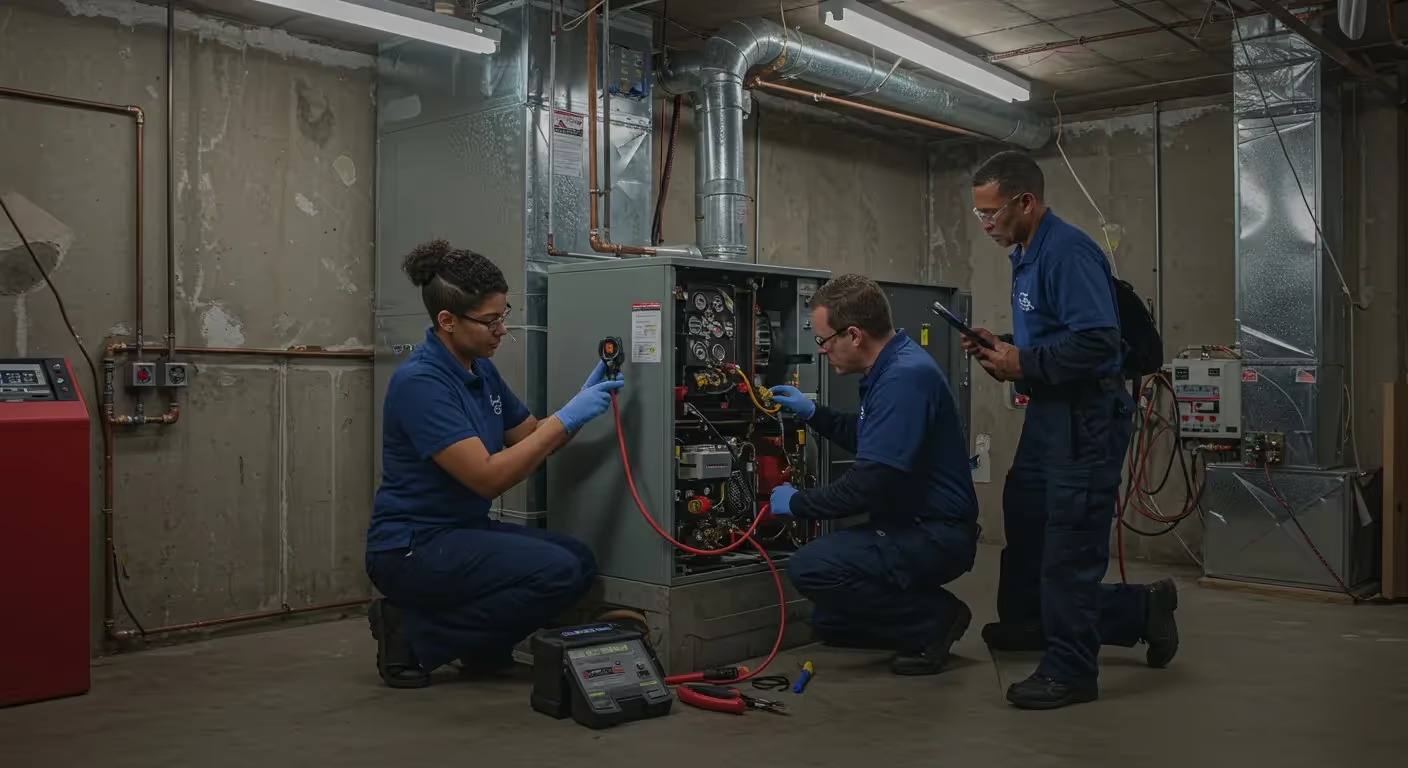
When a technician arrives at your property, the objective is to move from diagnosis to resolution as efficiently as possible. Residents in Mid Meadows, as well as neighboring communities like Maple Ridge and Pitt Meadows, rely on functioning heating systems to navigate the distinct seasonal shifts. The service scope encompasses every aspect of your heating infrastructure, ensuring that whether you rely on a forced-air gas furnace, a boiler system, or an electric heat pump, the equipment operates at peak performance.
Diagnostic and Repair Protocols
The repair process begins with a thorough system analysis. A heating failure is often a symptom of a deeper mechanical or electrical issue. Technicians do not simply swap parts; they investigate airflow, electrical connections, fuel supply lines, and thermostat communication.
- Advanced Diagnostics: Utilization of modern testing equipment to identify heat exchanger cracks, ignition failures, or refrigerant leaks in heat pumps.
- Safety Inspections: Verification that carbon monoxide levels are safe and that there are no gas leaks present in the utility room.
- Component Replacement: Immediate access to high-quality replacement parts such as blower motors, ignitors, flame sensors, and control boards to minimize downtime.
- System Calibration: Adjusting gas pressure and airflow settings to ensure the unit is not just running, but running efficiently.
System Maintenance and Tune-Ups
Preventative care is the most effective way to avoid emergency breakdowns. A comprehensive tune-up involves cleaning, lubricating, and adjusting the internal components of your heating unit.
- Cleaning the burner assembly to ensure proper combustion.
- Inspecting the flue pipe for obstructions or corrosion.
- Tightening all electrical connections to prevent voltage fluctuations.
- Checking the blower belt and motor for signs of wear.
- Testing the safety controls and limit switches.
Types of Systems Serviced
Heating technology varies across different homes in the region. Technical proficiency covers a wide array of configurations.
- Natural Gas Furnaces: The most common heating source, requiring precise combustion analysis.
- Heat Pumps: Systems that handle both heating and cooling, requiring specific knowledge of reversing valves and defrost cycles.
- Boilers: Hydronic heating systems that require expertise in pumps, expansion tanks, and water chemistry.
- Ductless Mini-Splits: Zoned heating solutions that demand careful handling of refrigerant lines and wall-mounted units.
The Heating Installation and Replacement Process
Installing a new heating system is a major capital improvement for your home. It requires precise calculation and skilled labor to ensure the new unit delivers the expected efficiency and lifespan. A substandard installation can reduce a unit's efficiency by up to 30%, regardless of the equipment's brand rating.
Accurate Sizing and Load Calculation
The process begins long before the new unit is brought into the home. Installing a unit that is too large causes "short cycling," where the system turns on and off too frequently, leading to premature wear. Conversely, a unit that is too small will run continuously without ever reaching the set temperature.
- Technicians perform a load calculation that considers the square footage, insulation levels, window quality, and orientation of the home.
- Evaluation of the existing ductwork ensures it can handle the airflow requirements of modern, high-efficiency equipment.
- Assessment of the electrical panel or gas line capacity to support the new demand.
Removal and Site Preparation
Proper disposal of the old unit and preparation of the installation site are critical for safety and performance.
- Safe disconnection of gas lines and electrical circuits.
- Removal of the old equipment in compliance with environmental regulations regarding refrigerant and metal recycling.
- Preparation of the mounting surface or concrete pad to ensure the new unit sits level and vibration-free.
- Installation of protective floor coverings to prevent damage to the home during the transition.
Installation and Integration
The physical installation involves connecting the new unit to the home's infrastructure. This is where craftsmanship matters most.
- Connection of the flue vent to ensure dangerous combustion gases are expelled safely outside.
- Sealing of duct connections to prevent air leakage and pressure loss.
- Installation of a new thermostat or integration with smart home systems for better control.
- Wiring of low-voltage controls and high-voltage power supplies according to the Canadian Electrical Code.
Final Commissioning and Testing
The job is not complete until the system is fully tested under load.
- Measurement of temperature rise to ensure it falls within the manufacturer's specified range.
- Verification of static pressure in the ductwork.
- Testing of all safety switches and emergency shut-offs.
- Walkthrough with the homeowner to explain filter changes, thermostat operation, and warranty registration.
Deciding Between Repair and Replacement
Determining whether to invest in a repair or commit to a full system replacement is a financial and logistical decision. Homeowners in the Mid Meadows area must weigh the immediate cost of repair against long-term efficiency and reliability. There are clear indicators that help clarify this decision.
The 50% Rule
A general industry standard is the 50% rule. If the cost of the repair approaches or exceeds 50% of the value of a new system, replacement is generally the smarter financial move. Investing heavy capital into a degrading asset often leads to diminishing returns.
Age of the Equipment
Heating systems have a finite lifespan.
- Furnaces: Typically last 15 to 20 years. If your unit is over 15 years old, parts may be obsolete, and efficiency has likely degraded significantly.
- Heat Pumps: Generally last 10 to 15 years due to year-round operation.
- Boilers: Can last 15 to 30 years with proper maintenance.
If your system is nearing the end of these ranges, a major repair is rarely worth the investment compared to the energy savings of a new unit.
Frequency of Breakdowns
Reliability is a key factor. If you have required multiple repairs in the last two years, the system is signaling that it is failing. Constant repairs add up quickly and often exceed the monthly financing cost of a new, warrantied system.
Energy Efficiency and Utility Bills
Older systems operate with much lower Annual Fuel Utilization Efficiency (AFUE) ratings. A furnace from 20 years ago might operate at 70% efficiency, meaning 30 cents of every dollar spent on gas is wasted. Modern systems can reach up to 98% efficiency.
- Compare your current heating bills with previous years. A steady increase in usage despite similar weather conditions indicates efficiency loss.
- Newer systems often come with variable-speed motors and two-stage heating, which provide more consistent comfort at a lower operating cost.
- Uneven heating, where some rooms are cold while others are hot, often indicates that the current system can no longer distribute air effectively.
Navigating Local Considerations for Heating
Operating a heating system in British Columbia requires specific attention to regional factors. The climate in areas like Pitt Meadows and Maple Ridge brings heavy rainfall and damp cold, which affects how heating systems should be configured and maintained.
Permitting and Compliance
Rep-Air Heating and Cooling ensures all work is fully compliant with local regulations.
- Gas Permits: Any work involving gas lines or gas-fired appliances requires a permit from Technical Safety BC or the local municipality. This ensures the work is inspected and safe.
- Electrical Permits: Wiring new heat pumps or furnaces requires adherence to the electrical code.
- Venting Codes: Strict regulations govern how exhaust gases are vented to prevent carbon monoxide re-entry into the home.
Rebate Programs and Incentives
British Columbia offers some of the most aggressive energy rebates in North America, particularly for switching from fossil fuels to electric heat pumps.
- CleanBC Better Homes: substantial rebates are often available for upgrading to high-efficiency heat pumps.
- Federal Greener Homes: Additional grants may apply for energy audits and retrofits.
- Documentation: Professional contractors assist in providing the necessary invoices and model numbers required to claim these financial incentives.
Seasonality and Timing
The "shoulder seasons" of spring and autumn are the ideal times for maintenance or replacement.
- Winter Demand: Waiting until a deep freeze results in longer wait times for parts and labor.
- Summer Maintenance: Using the off-season to inspect furnaces ensures they are ready for the first frost.
- Heat Pump Defrost Cycles: In the damp BC climate, heat pumps will frequently enter a defrost cycle. Understanding this normal operation prevents unnecessary service calls, while recognizing when a defrost cycle fails is key to preventing system damage.
Why Professional Service Matters
Attempting DIY repairs on heating systems carries significant risks, ranging from electrical shock to gas leaks and carbon monoxide poisoning. Professional service ensures that the complex interplay of combustion, electricity, and airflow is handled safely.
Technical Expertise and Certification
Technicians undergo rigorous training to stay current with evolving HVAC technology.
- Gas Fitting Certification: Required by law for handling gas appliances.
- Refrigeration Mechanics: Essential for handling the refrigerants in heat pumps.
- Ongoing Training: Manufacturers frequently update control boards and software; professionals stay updated on these changes to diagnose issues correctly.
Warranty Preservation
Most equipment manufacturers strictly void warranties if the equipment is not installed or serviced by a licensed professional.
- Proof of professional installation is required for warranty claims on parts like compressors or heat exchangers.
- Regular professional maintenance records are often required to keep the warranty valid throughout the system's life.
Safety Guarantees
The primary function of a heating professional is to ensure the safety of the household.
- Carbon Monoxide Testing: Verifying that the heat exchanger is intact and venting is working correctly.
- Gas Leak Detection: ensuring all fittings are secure.
- Electrical Safety: Checking for frayed wires or overloaded circuits that could pose a fire hazard.
Get Fast, Reliable Heating Service Today
When your heating system falters, the priority is restoring safety and comfort to your home without delay. Trusting a certified team guarantees that the job is done right the first time, protecting your investment and your family. For reliable heating services in Mid Meadows and the surrounding areas, reach out to Rep-Air Heating and Cooling today.
Don't let the cold take over your home—schedule your expert heating service now.
hear what our satisfied clients have to say
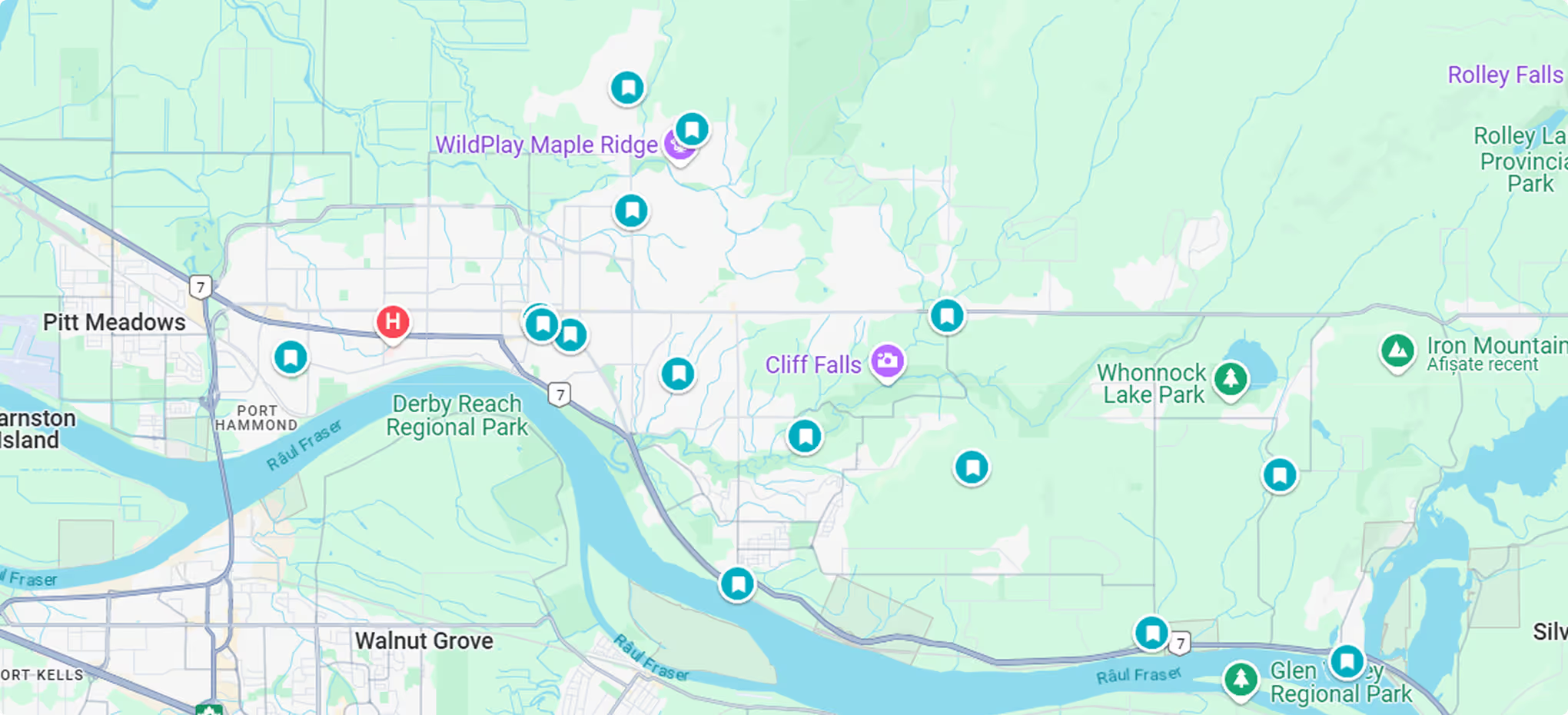
Neighbourhoods in the Fraser Valley