Heating in Mill Lake, BC
Is Your Heating System Ready for the Chill?
When winter hits Mill Lake, BC, the last thing you need is a failing heating system leaving your home uncomfortably cold. Whether it is a minor fix or a critical issue, our certified technicians ensure your home remains warm and cozy through the wet and freezing months. Contact us today to schedule a diagnostic visit or request financing options for major repairs.
Reliable heating is not just a luxury; it is a necessity when the temperature drops. We provide a streamlined service experience designed to get your system running at peak efficiency immediately.
- Same-day service to restore your heating system quickly
- Upfront pricing with no hidden fees, and free estimates available
- Emergency 24/7 availability to tackle issues as they occur
Backed by extensive warranties and local permits for peace of mind.
Immediate Heating Repair Services
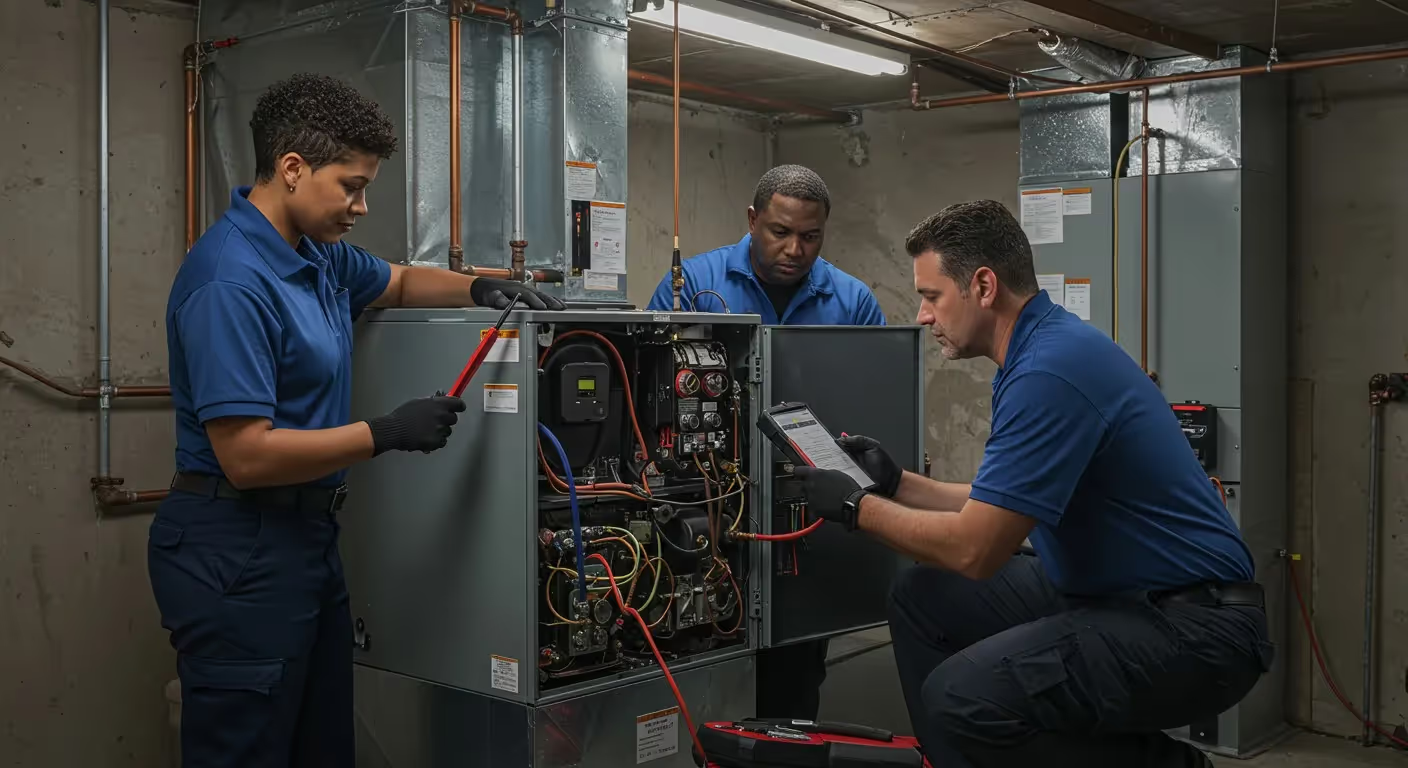
When a furnace or heat pump stops working, the immediate priority is accurate diagnosis and rapid resolution. Heating systems are complex appliances that rely on a synchronized sequence of electrical, mechanical, and fuel-based components. A failure in one area, such as a flame sensor or a limit switch, can cause the entire system to shut down as a safety precaution. Homeowners often notice warning signs before a total breakdown, such as unusual banging noises, rapid cycling, or weak airflow from the vents. Addressing these indicators immediately prevents minor wear and tear from escalating into a catastrophic component failure that requires a full system replacement.
Our approach to repair focuses on identifying the root cause rather than just treating the symptom. For example, if a furnace is overheating, simply resetting the limit switch is not a permanent fix. We investigate why airflow is restricted, checking for clogged filters, blocked ductwork, or a failing blower motor. In the damp climate typical of the Mill Lake area, moisture accumulation can also lead to corrosion within the ignition assembly or electrical shorts in the control board. Technicians arrive fully equipped with diagnostic tools to measure gas pressure, test voltage drops, and analyze combustion gases to ensure safe operation.
The repair process includes a thorough safety inspection. Carbon monoxide leaks are a serious risk with gas-fired heating equipment. During every repair visit, heat exchangers are inspected for cracks, and venting systems are checked for blockages that could force exhaust gases back into the living space. By adhering to strict safety protocols and local building codes, we ensure that the restored heat is safe for your household.
Why Choose Us? Expertise You Can Trust
Selecting a service provider for heating requirements involves more than just finding someone who can turn a wrench. It requires a team that understands the specific load calculations and climate challenges of British Columbia. Our technicians undergo rigorous training to stay updated on modern high-efficiency systems, including modulating gas valves and variable-speed blower motors. This technical expertise allows Rep-Air Heating and Cooling to handle a wide range of makes and models without the guesswork that often leads to repeat visits.
We distinguish our service through operational transparency and preparedness. Service vehicles are stocked with a comprehensive inventory of universal parts, including igniters, thermocouples, capacitors, and control boards. This "warehouse on wheels" strategy significantly increases the likelihood of completing the repair in a single visit, minimizing downtime for the homeowner. Furthermore, we prioritize clear communication regarding the scope of work. Before any tool touches the equipment, you receive a detailed explanation of the problem and a firm quote for the repair.
Technical proficiency extends to our understanding of local rebate programs and warranty requirements. Many manufacturers require proof of professional service to maintain warranty validity. We provide detailed documentation of all work performed, ensuring that your investment is protected. Whether dealing with a retrofitted system in an older home or a modern setup in a new construction, our team applies industry best practices to optimize system longevity and performance.
How We Handle Heating Emergencies
Heating emergencies rarely happen during convenient business hours. A breakdown at night or over a weekend requires a response protocol that prioritizes speed and safety. An emergency is generally defined as a situation where the lack of heat poses a health risk to the occupants or a risk of property damage, such as frozen pipes. When a call comes in regarding a total system failure during freezing temperatures, it is flagged for immediate dispatch.
Upon arrival, the technician initiates an emergency triage process:
- Safety Containment: The first step is ensuring there is no immediate danger. This involves checking for gas leaks if there is a smell of rotten eggs and testing for carbon monoxide presence. If a gas leak is detected, the fuel supply is immediately shut off.
- Power and Control Check: We verify that the thermostat is calling for heat and that the furnace has power. Issues often stem from blown fuses, tripped breakers, or dead batteries in the thermostat, which are quick to resolve.
- Ignition Sequence Analysis: For gas furnaces, we observe the startup sequence. This involves checking the draft inducer fan, the pressure switch, the igniter, and the gas valve operation. Pinpointing exactly where the sequence fails allows for rapid targeted repairs.
- Component Replacement: If a critical part like a blower motor or control board has failed, we utilize our truck stock to replace it immediately. In rare cases where a specific OEM part is needed, temporary heat solutions may be discussed while the part is sourced.
We understand that losing heat affects comfort and safety. The goal during an emergency call is to restore heat as quickly as possible while ensuring the system operates safely until a permanent, comprehensive repair or maintenance session can be scheduled.
Furnace Maintenance and Tune-ups Explained
Preventative maintenance is the single most effective way to extend the lifespan of a heating system and maintain its energy efficiency rating. Over time, dust and debris accumulate within the system, insulating the heat exchanger and forcing the blower motor to work harder. In Mill Lake, the added variable of high humidity can accelerate rust and corrosion on electrical contacts and metal components. A seasonal tune-up is a deep clean and calibration service designed to reverse these effects.
A comprehensive tune-up covers all critical systems:
- Burner Assembly Cleaning: Dirty burners can result in uneven flames and poor combustion, leading to wasted fuel and soot buildup. We clean and align burners to ensure efficient heat generation.
- Sensor Calibration: The flame sensor is a safety device that confirms a fire is present. If it becomes coated in oxidation or carbon, it will shut the gas valve off prematurely. Cleaning this sensor is a standard part of maintenance.
- Heat Exchanger Inspection: We visually inspect the heat exchanger for cracks or signs of metal fatigue. This is crucial for preventing carbon monoxide leaks.
- Blower Component Check: The blower wheel must be clean to move air effectively. We also check the capacitor and amp draw of the motor to predict potential failures before they happen.
- Filter and Airflow Review: A clogged filter restricts air, causing the system to overheat. We replace standard filters and advise on filtration upgrades if air quality is a concern.
Regular maintenance also validates manufacturer warranties. Most brands stipulate that annual professional maintenance is required to keep parts warranties active. Beyond compliance, a well-tuned system uses less energy, resulting in lower utility bills throughout the winter season.
Understanding Your Heating System’s Needs
Homeowners often face the decision of whether to continue repairing an aging unit or to invest in a modern replacement. Understanding the lifecycle of heating equipment helps in making financially sound decisions. A typical gas furnace has a service life of 15 to 20 years, while heat pumps may last 10 to 15 years depending on usage and maintenance frequency. As systems age, they lose efficiency; a furnace installed 15 years ago likely operates at 70-80% AFUE (Annual Fuel Utilization Efficiency), meaning 20-30 cents of every dollar spent on gas is wasted. Modern systems can achieve up to 98% efficiency.
Several factors indicate that a system is reaching the end of its viable life:
- Rising Energy Bills: If usage hasn't changed but bills are climbing, the system is working harder to produce the same amount of heat.
- Frequent Repairs: If repair costs in the last two years total 50% of the cost of a new system, replacement is generally the more economic choice.
- Uneven Heating: Cold spots in certain rooms or a system that runs constantly to maintain temperature suggest that the unit is undersized or losing compression/capacity.
- Noise Levels: excessive rattling, humming, or squealing usually points to mechanical components that are worn out.
We assist homeowners in evaluating the "repair vs. replace" equation by providing a clear assessment of the current system’s condition against the potential savings of a new unit. High-efficiency models often qualify for provincial rebates, which can significantly offset the upfront cost of installation.
Local Climate Impacts on Heating Performance
The specific climate conditions in the Mill Lake region and surrounding British Columbia areas present unique challenges for heating infrastructure. Unlike regions with dry cold, our winters are characterized by heavy precipitation and fluctuating temperatures that hover around the freezing point. This damp cold is pervasive and requires a heating system that can handle high moisture loads without succumbing to corrosion.
For heat pumps, which are increasingly popular in the region, the high humidity levels can lead to frequent defrost cycles. When the outdoor temperature is near freezing and the air is moist, frost forms rapidly on the outdoor coil. The system must reverse operation to melt this ice, temporarily pausing heat delivery inside. If a system is low on refrigerant or has a faulty defrost board, it may become encased in ice, leading to total failure. Our technicians are specifically trained to optimize heat pump settings for this specific climate zone, ensuring that defrost cycles are efficient and effective.
Drainage is another critical factor. High-efficiency furnaces produce condensation—acidic water—as a byproduct of combustion. In our climate, ensuring this condensate drains properly without freezing in the exit lines is vital. Blocked condensate traps are a common cause of furnace shutoffs in the area. We ensure that condensate lines are properly sloped, insulated where necessary, and clear of algae or sediment blockages. Understanding these local variables allows us to implement solutions that prevent weather-related nuisance tripping and ensure reliable operation when the damp cold sets in.
Secure Your Comfort Today
Don't wait for the first freeze to discover your heating system isn't up to the task. Whether you require an urgent repair, a routine safety inspection, or guidance on upgrading to a high-efficiency model, professional support is just a phone call away. Rep-Air Heating and Cooling is dedicated to providing honest assessments, quality workmanship, and reliable heating solutions for your home.
Contact us now to schedule your service and restore warmth to your home.
hear what our satisfied clients have to say
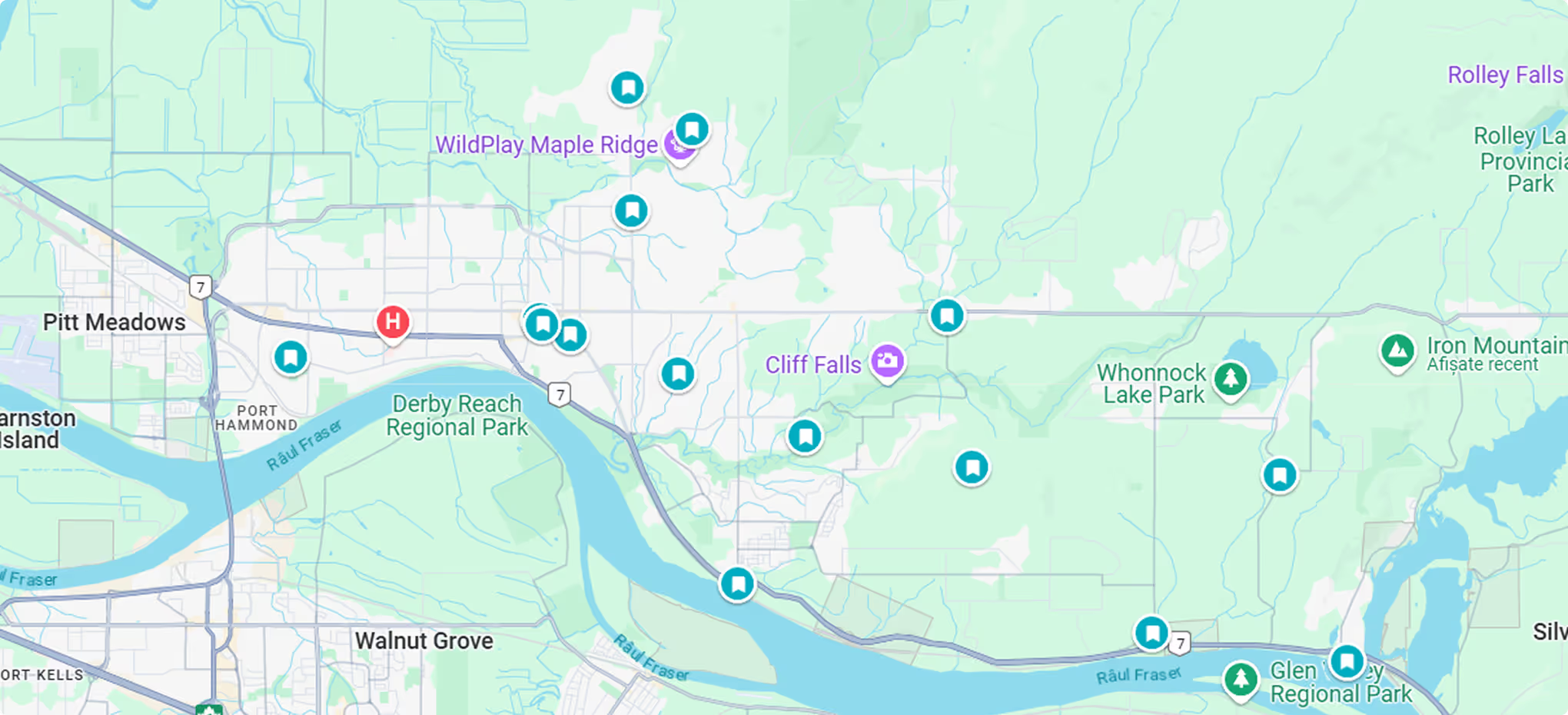
Neighbourhoods in the Fraser Valley