Heating in Milner, BC
Is Your Heating System Failing to Keep Your Home Warm?
If your heater has just quit on you during a freezing winter night or is blowing lukewarm air when you need heat the most, you are likely facing an urgent situation that requires professional attention. Contact us immediately to schedule a diagnostic visit or inquire about financing options to restore your comfort today.
A broken furnace or heat pump in Milner isn’t just an inconvenience; it can quickly become a safety hazard as temperatures drop. When your heating system fails, you need a solution that is both rapid and technically accurate to prevent recurring issues. Rep-Air Heating and Cooling provides certified, swift heating services to ensure your living space returns to a safe and cozy temperature without unnecessary delays.
Our approach to heating restoration focuses on the following outcomes:
- Fast response times to address emergency heating failures when you need them most.
- Service from experienced technicians who ensure efficient, code-compliant, and correct first-time fixes.
- Affordable rates with transparent pricing structures so you know exactly what the repair entails before work begins.
- All services come with a satisfaction guarantee, ensuring compliance with local codes and available financing options.
Immediate Heating Solutions and Scope of Service
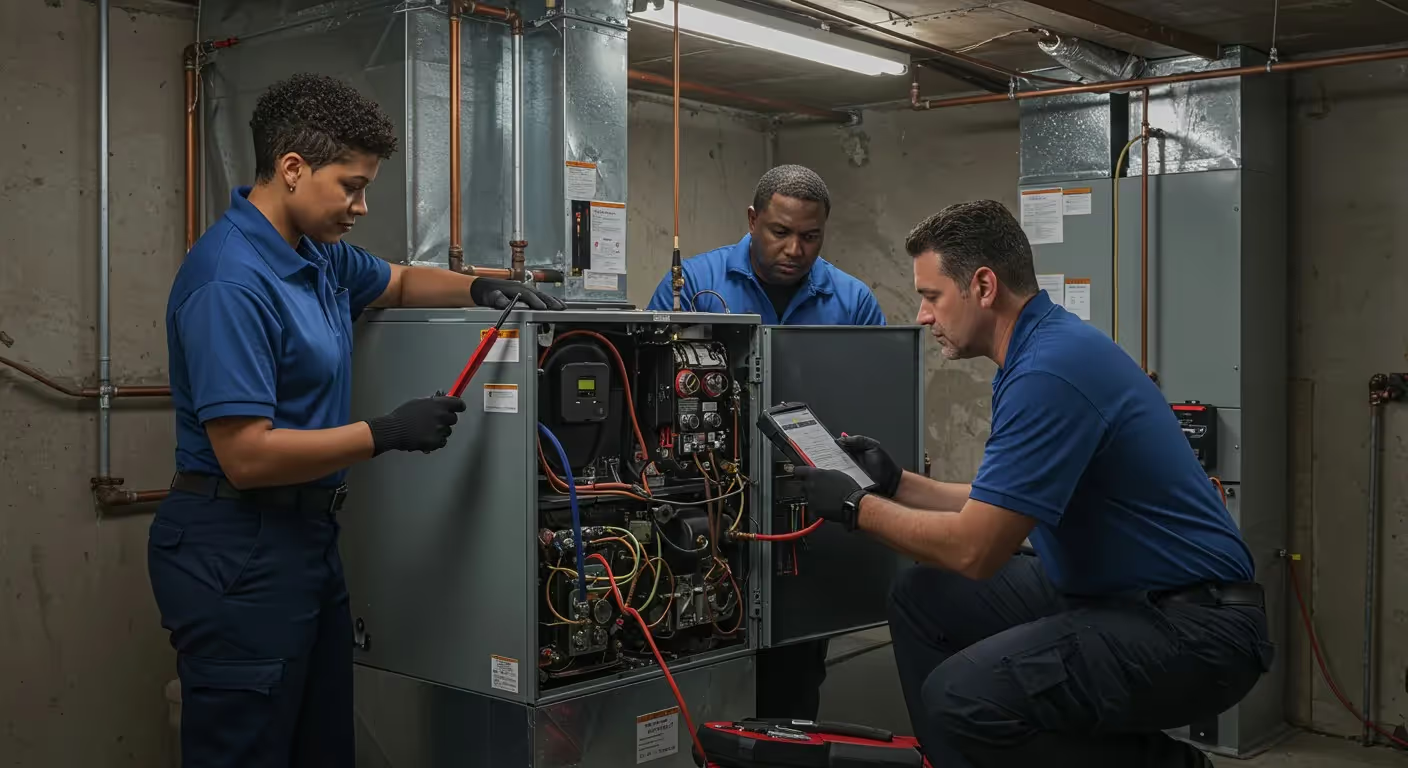
When you request heating service, the immediate goal is to diagnose the root cause of the failure and determine the most efficient path to restoration. Modern heating systems, whether they are natural gas furnaces or electric heat pumps, consist of complex components that require specialized tools for accurate troubleshooting. A professional diagnostic visit goes beyond a simple visual inspection; it involves testing electrical circuits, gas pressure, airflow dynamics, and safety switches.
Upon arrival, a technician will perform a systematic evaluation of your heating unit. This process identifies whether the issue lies with the thermostat communication, the ignition system, the blower motor, or the heat exchanger itself. Once the problem is isolated, you receive a clear explanation of the failure, the necessary parts for repair, and the estimated timeline for completion.
The scope of heating services includes:
- Comprehensive Diagnostics: utilizing multimeters and manometers to test electrical components and gas pressure to manufacturer specifications.
- Ignition and Pilot Repair: fixing issues with hot surface igniters, intermittent pilots, or flame sensors that prevent the burner from lighting.
- Airflow and Blower Motor Service: addressing loud noises, belt failures, or capacitor issues that restrict the movement of warm air through the ductwork.
- Thermostat and Control Calibration: ensuring that the interface controlling your system is reading temperatures accurately and cycling the unit correctly.
- Safety Inspections: checking for carbon monoxide leaks, cracked heat exchangers, and proper venting to ensure the air in your home remains safe to breathe.
The Process of Heating Installation and Replacement
There comes a point where a heating system is beyond viable repair, or where upgrading to a modern, high-efficiency unit makes more financial sense than sinking money into an aging asset. The installation process is critical; the most expensive equipment will underperform if it is not installed according to strict industry standards and Manual J load calculations.
When a replacement is necessary, the process follows a structured workflow to ensure maximum efficiency and longevity:
- Load Calculation and Sizing: First, technicians perform a detailed calculation of your home’s heating load. This factors in square footage, insulation levels, window quality, and the local climate in Milner to determine the exact BTU output required. Undersized units run constantly, while oversized units short-cycle, leading to premature failure.
- Site Preparation and Removal: Next, the existing equipment is safely disconnected and removed. This includes handling gas lines, electrical connections, and refrigerant (if applicable) according to environmental regulations. The area is prepped to ensure the new unit sits level and has adequate clearance for service.
- Ductwork and Ventilation Inspection: Before the new unit is placed, the existing ductwork is inspected for leaks or restrictions. Proper airflow is essential for the new system to achieve its rated efficiency (AFUE or HSPF). Modifications to the plenum or return air drop may be made to optimize air distribution.
- System Installation: The new furnace or heat pump is installed, connected to the gas or electrical supply, and vented properly. Technicians ensure that condensate drains are routed correctly to prevent water damage and that all flue pipes meet local building codes.
- Commissioning and Testing: Finally, the system is not just turned on; it is commissioned. This involves adjusting gas pressure, setting blower speeds, and testing the temperature rise to ensure it matches manufacturer specifications. The system is run through a full heating cycle to verify performance before the job is marked complete.
Deciding Between Heating Repair and System Replacement
Homeowners often struggle with the decision of whether to repair a malfunctioning unit or invest in a replacement. Making the right choice depends on a combination of the system's age, the cost of the repair, and the potential for future energy savings. While a repair is often the lower upfront cost, an older system that requires frequent fixes can quickly become a financial burden.
Consider these factors when evaluating the future of your heating system:
- The 50% Rule: If the cost of the repair approaches 50% of the value of a new system, replacement is generally the wiser financial decision. A major repair on an old unit does not reset the clock on other components that may fail soon.
- System Age: Most gas furnaces have a lifespan of 15 to 20 years, while heat pumps typically last 10 to 15 years. If your equipment is nearing the end of this range, investing in a repair is often a temporary patch rather than a solution.
- Energy Efficiency Ratings: Older furnaces may operate at 60% to 70% efficiency (AFUE), meaning 30 to 40 cents of every dollar spent on fuel is wasted. Modern systems can achieve up to 98% efficiency. Replacing an inefficient unit can significantly lower monthly utility bills, offsetting the cost of installation over time.
- Frequency of Breakdowns: If you have required service more than twice in the last two years, the system is likely entering a phase of rapid decline. Continued repairs will likely escalate in cost and frequency.
- Comfort Issues: Uneven heating, cold spots, or the inability to maintain the set temperature on the thermostat are signs that the system’s capacity has diminished or that the heat exchanger is compromised.
Navigating Local Climate Demands and Regulations
Operating a heating system in British Columbia requires specific attention to regional climate patterns and local regulations. The climate in the Milner area and surrounding regions typically involves damp, cold winters that differ from the dry cold found in other parts of the country. This humidity can affect how heat pumps operate, specifically regarding defrost cycles, and makes the maintenance of gas furnaces critical to prevent corrosion within the system.
Local considerations for heating services include:
- Permitting and Code Compliance: Any significant alteration to a heating system, particularly gas appliances, requires adherence to local building codes and safety standards. Professional installers handle the permitting process to ensure that the installation is legal and safe. This is crucial for insurance purposes and future home sales.
- Utility Rebates and Incentives: BC frequently offers rebate programs through organizations like FortisBC or CleanBC for upgrading to high-efficiency heat pumps or natural gas furnaces. Navigating these requirements often demands that the equipment is installed by a licensed contractor who can provide the necessary documentation for the claim.
- Venting and Moisture Control: Because of the potential for heavy rainfall and dampness, checking the integrity of roof vents and combustion air intakes is vital. Blocked or rusting vents can lead to carbon monoxide buildup or system lockouts.
- Dual Fuel Systems: Given the regional climate, some homeowners opt for dual fuel systems that utilize an electric heat pump for moderate days and a gas furnace for the deepest freeze. This hybrid approach maximizes efficiency based on current outdoor temperatures and energy rates.
Why Professional Heating Service Matters for Long-Term Efficiency
Attempting DIY repairs or relying on uncertified handymen for heating issues often leads to safety risks and voided warranties. Heating systems involve combustible fuels, high-voltage electricity, and toxic gases. Professional service ensures that these elements are handled with precision and care, protecting both the hardware and the occupants of the home.
Certified technicians bring a depth of knowledge regarding the specific failure modes of different brands and models. They utilize diagnostic protocols that identify not just the symptom, but the underlying cause. For example, a furnace overheating and shutting down might be blamed on a bad limit switch, but a professional will identify if the root cause is actually restricted airflow due to a dirty blower wheel or undersized ductwork. Addressing the root cause prevents the new part from failing shortly after installation.
Furthermore, professional maintenance and repair maintain the validity of manufacturer warranties. Most equipment manufacturers strictly require proof of professional service to honor parts warranties. Neglecting this requirement can leave homeowners liable for expensive component replacements that would otherwise be covered. Rep-Air Heating and Cooling ensures that every service call contributes to the longevity and reliability of your system, safeguarding your investment and your comfort.
Secure your home’s comfort and safety by addressing heating issues the moment they arise. Delaying necessary repairs can lead to more extensive damage and higher restoration costs. Reach out to our team today to schedule your service.
hear what our satisfied clients have to say
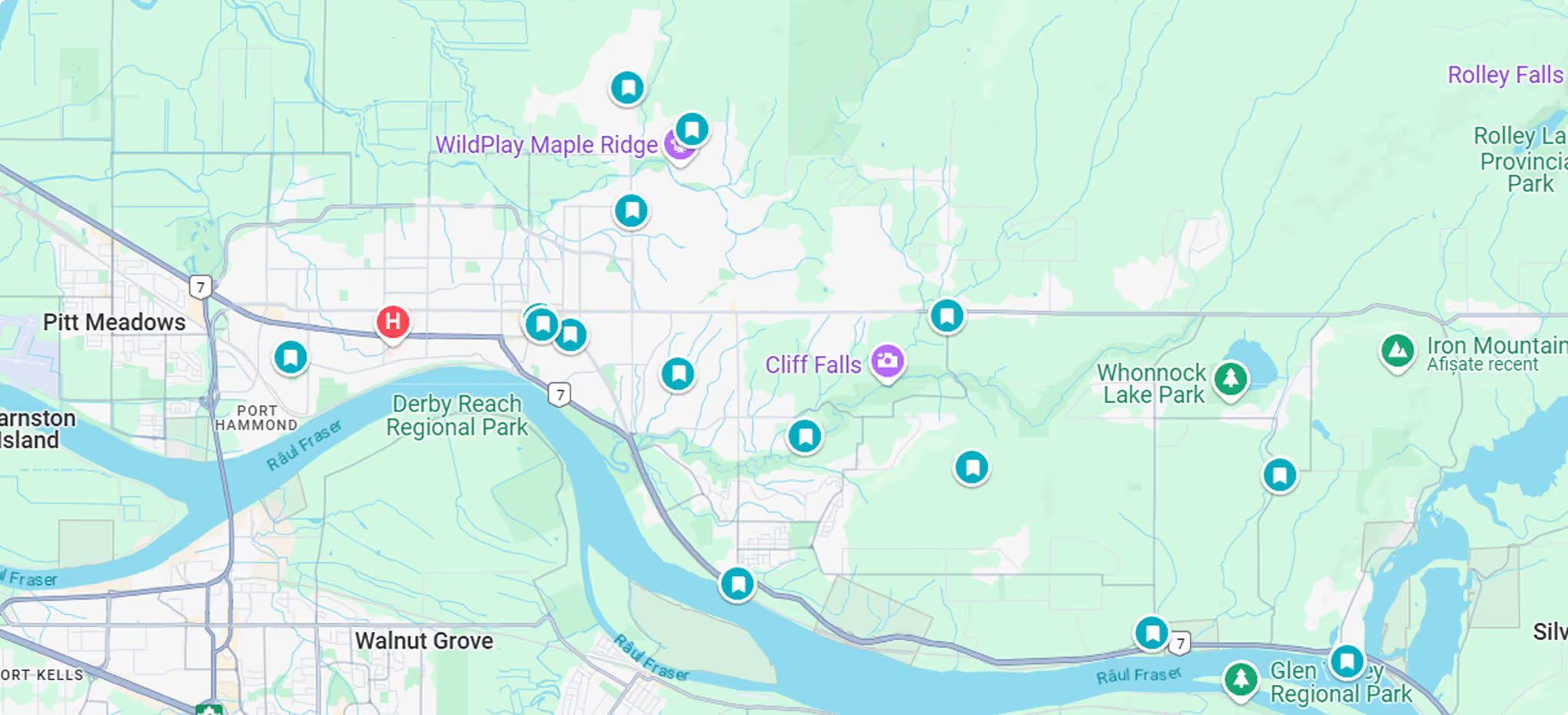
Neighbourhoods in the Fraser Valley