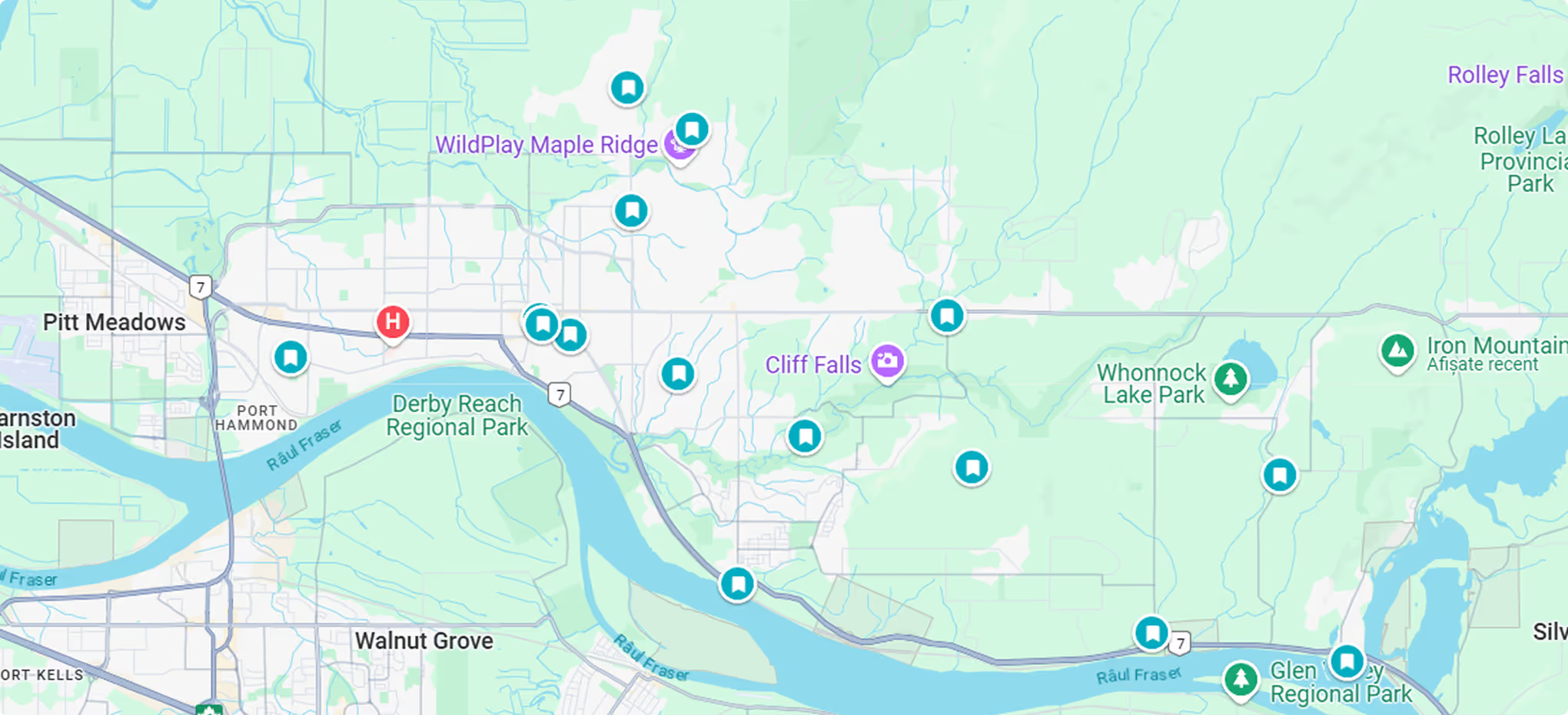
Heating in Otter District, BC
Combat the Chill With Efficient Heating Solutions
Facing unpredictable winter cold or inefficiencies in your current heating system is a stressful reality for many homeowners, but reliable warmth is just a phone call away. Whether you are dealing with a furnace that cycles too frequently or a heat pump that struggles against the damp chill common in the region, professional intervention is required to restore comfort. Contact us today to schedule a comprehensive heating assessment or to learn more about our flexible financing options.
Residents in the Otter District know that winter temperatures can hover uncomfortably around freezing, accompanied by high humidity that makes the cold feel much more penetrating. A standard heating system often struggles to maintain consistent indoor temperatures under these specific weather conditions without expert calibration and installation. Rep-Air Heating and Cooling provides tailored solutions designed to handle the unique climate challenges of British Columbia.
- Enhance comfort with high-efficiency heating systems suitably installed for your unique living space and square footage.
- Receive personalized service and regular maintenance to ensure lasting warmth and significant energy savings over the lifespan of the unit.
- Access flexible financing options to make necessary comfort improvements affordable and immediate.
All installations include comprehensive warranties, strictly adhere to local building codes, and include necessary load calculations.
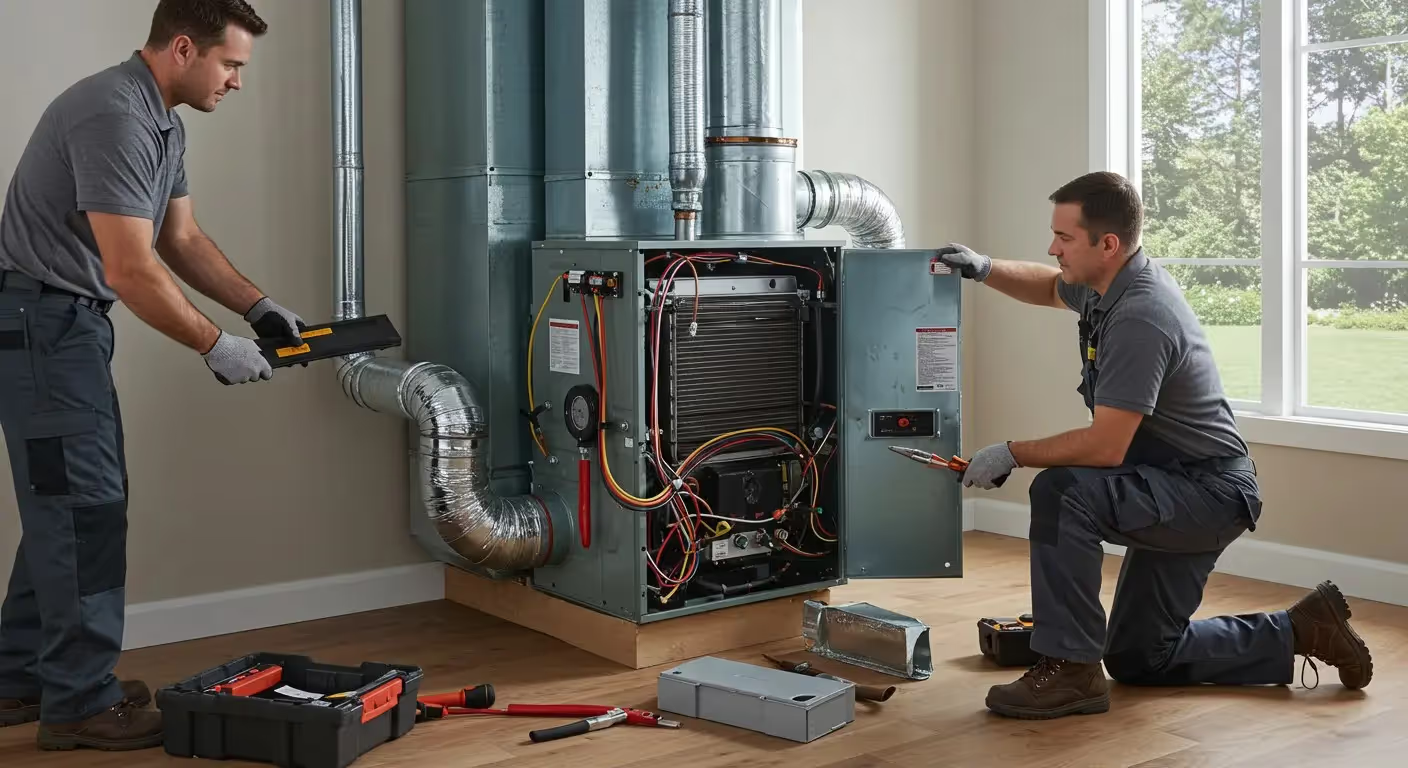
Comprehensive Heating Services: What Is Included
When you invest in professional heating services, you are purchasing more than just a piece of hardware; you are investing in a complete ecosystem of comfort and safety. The scope of service provided ensures that every component of the heating system functions in harmony with the rest of the home. This approach eliminates the guesswork often associated with heating upgrades and ensures that homeowners receive a system that delivers actual results rather than theoretical performance.
A fully comprehensive service appointment covers the entire lifecycle of the heating unit. This begins with a detailed analysis of the home’s thermal envelope. Technicians look for insulation gaps, window drafts, and ductwork leaks that could undermine the efficiency of a new unit. Without addressing these underlying issues, even the most expensive furnace or heat pump will fail to deliver efficient heating.
Standard heating services typically include the following components:
- Load Calculation and Sizing: Using industry-standard calculations (such as Manual J) to determine exactly how much heat the property requires. This prevents the common issue of "short cycling," where an oversized unit turns on and off too frequently, wasting energy and wearing out parts.
- System Selection and Sourcing: access to high-performance units that meet Canadian energy standards. This includes sourcing gas furnaces, electric heat pumps, or hydronic boiler systems depending on the fuel source available and the homeowner's preference.
- Safe Removal and Disposal: The disconnection and environmentally responsible disposal of the old unit. This process includes handling refrigerants and hazardous materials in compliance with environmental regulations.
- Ductwork Inspection and Modification: Assessing existing air ducts to ensure they can handle the airflow of the new system. In many older homes, ductwork modification is necessary to reduce static pressure and improve air distribution.
- Commissioning and Calibration: Once the unit is physically installed, it must be commissioned. This involves setting gas pressure, adjusting blower speeds, and calibrating the thermostat to ensure the system runs at its rated efficiency.
- Post-Installation Education: A walkthrough of the new system’s features, including how to operate the thermostat, when to change filters, and how to spot early warning signs of trouble.
Installation Process: From Assessment to Complete Warm Comfort
The path to a warm home involves a rigorous process designed to minimize disruption while maximizing system longevity. A structured installation process ensures that nothing is overlooked, from the gas line connections to the electrical voltage requirements. By following a strict protocol, the risk of future breakdowns is significantly reduced, providing peace of mind during the coldest months of the year.
The installation timeline varies depending on the complexity of the project, but professional teams prioritize efficiency without compromising safety. A standard change-out might take a single day, while a complex retrofit involving fuel conversion or ductwork fabrication may take longer. The goal is always to restore heat to the home as quickly as possible.
The typical workflow for a heating installation includes:
- Initial Site Consultation: A technician visits the property to measure windows, insulation levels, and room dimensions. This data is critical for accurate sizing. The technician also checks the electrical panel and gas lines to ensure they can support the new equipment.
- Proposal and Agreement: A clear, itemized proposal is presented, outlining the scope of work, the specific equipment to be installed, and the total cost. This stage establishes transparency regarding timelines and financing.
- Site Preparation: On the day of installation, the work area is prepped with drop cloths and floor protection. Safety is the priority, so gas and electricity to the heating area are shut off.
- Extraction of Old Equipment: The existing furnace or boiler is disconnected. Special care is taken to cap gas lines and disconnect high-voltage wiring safely. The old unit is removed from the property.
- Positioning the New System: The new unit is moved into place. For furnaces, this involves leveling the cabinet to ensure proper drainage of condensate. For heat pumps, the outdoor unit is positioned on a pad or bracket to keep it above the snow line and allow for proper defrost drainage.
- Connection of Utilities: This is the most critical technical phase. Gas piping is connected and leak-tested. High-voltage and low-voltage electrical wiring is installed. Flue pipes are run to the exterior to safely vent combustion gases.
- System Start-Up: The system is powered on. Technicians measure temperature rise (the difference in air temperature entering and leaving the unit) to ensure it matches the manufacturer's specifications.
- Final Quality Control Check: A final audit of the installation is performed to verify that all codes are met, the workspace is clean, and the system is operating quietly and efficiently.
Making the Call: When to Upgrade Your Heating System
Deciding between repairing an aging unit and investing in a replacement is a significant financial decision. While repairs can extend the life of a system, there comes a tipping point where the cost of maintenance outweighs the benefits of keeping the old hardware. Understanding the indicators of a failing system helps homeowners make this decision proactively, rather than being forced into a choice during a total system failure in the middle of winter.
One of the primary factors is the age of the equipment. Most gas furnaces have a lifespan of 15 to 20 years, while heat pumps typically last 10 to 15 years. As systems approach the end of their service life, their energy efficiency drops dramatically. An older furnace may only be 60% to 70% efficient, meaning 30 to 40 cents of every dollar spent on heating is wasted. In contrast, modern systems often achieve efficiency ratings of 96% to 98%.
Consider replacing the system if the following conditions apply:
- Frequency of Repairs: If the system requires professional attention more than once a year, or if the cost of a single repair approaches 50% of the cost of a new unit, replacement is the more distinct financial choice.
- Rising Energy Bills: A steady increase in heating costs, despite usage remaining the same, indicates that the internal components are wearing down and the system is working harder to produce the same amount of heat.
- Uneven Heating: If some rooms are freezing while others are stiflingly hot, the system may be losing the ability to distribute air effectively, or the heat exchanger may be compromised.
- Audible Noise: Banging, rattling, or squealing sounds often indicate serious mechanical issues with the blower motor or inducer fan.
- Safety Concerns: Any signs of rust on the unit, soot around the registers, or, most critically, a cracked heat exchanger (which can leak carbon monoxide) necessitate immediate replacement.
- Humidity Issues: In the Otter District, controlling indoor humidity is vital. An old system that cannot effectively manage moisture can lead to mold growth and a clammy indoor environment.
Rep-Air Heating and Cooling can assist in evaluating the current system's condition to provide an honest recommendation on whether repair or replacement is the most viable path forward.
Local Insights: Navigating Regional Heating Requirements
Heating a home in British Columbia presents specific challenges that generic solutions often fail to address. The climate in the Otter District is characterized by high precipitation in winter and mild temperatures that rarely drop into deep freeze territory but stay consistently damp. This unique weather pattern favors heating systems that can handle high humidity loads and operate efficiently in temperatures hovering around the freezing mark.
Heat pumps are increasingly popular in this region because they move heat rather than generate it, which is highly efficient in mild climates. However, local regulations and environmental goals also influence the choice of heating systems. The provincial push toward electrification and reducing carbon footprints has led to various changes in how heating systems are permitted and installed.
Key local considerations include:
- Permitting and Code Compliance: All new heating installations and major alterations require permits to ensure they meet the BC Safety Standards Act. This includes gas permits for furnaces and electrical permits for heat pumps. Professional installers manage this administrative burden, ensuring all work passes inspection.
- Utility Rebate Programs: Various programs, such as those from CleanBC or local utility providers, offer substantial rebates for switching from fossil fuel-based heating to high-efficiency electric heat pumps. Navigating the eligibility requirements for these rebates often requires specific documentation that professional contractors provide.
- Ventilation Requirements: Modern homes are built tighter to conserve energy, which makes mechanical ventilation crucial. When upgrading heating, it is often necessary to assess the Heat Recovery Ventilator (HRV) or Energy Recovery Ventilator (ERV) to ensure fresh air exchange is maintained without losing heat.
- Seasonality and Scheduling: The transition from the dry, warm summer to the wet winter often catches homeowners off guard. The demand for heating services spikes as soon as the first frost hits. Booking maintenance or installation during the shoulder seasons (early autumn) ensures faster service and ample time for system calibration.
- Electrical Panel Capacity: Many older homes in the area operate on 100-amp service. Switching to a heat pump or adding electric backup heating may require a panel upgrade to 200 amps to handle the increased electrical load safely.
Why Choose Professional Expertise in Heating Services
The difference between a mediocre installation and a high-performance heating system lies in the technical expertise of the installer. Heating systems are complex appliances that involve combustible gases, high-voltage electricity, and high-pressure refrigerants. DIY attempts or hiring unqualified labor poses significant safety risks and almost certainly voids manufacturer warranties.
Expertise ensures that the system is not just "working," but optimized. A unit that turns on and produces heat is not necessarily efficient. Airflow must be balanced, gas pressure must be dialed into the specific decimals of an inch of water column, and thermostats must be programmed to communicate correctly with the equipment.
Professional service guarantees:
- Technical Proficiency: Technicians undergo rigorous training to stay updated on the latest heating technologies, including variable-speed motors and modulating gas valves.
- Tooling and Diagnostics: Professionals utilize advanced diagnostic tools, such as combustion analyzers and digital manometers, to tune the system for peak performance and safety.
- Accountability: Established service providers stand behind their work. If an issue arises post-installation, there is a clear path to resolution.
- Long-Term Reliability: A proper installation is the single most important factor in the longevity of a heating system. Professional installation prevents premature component failure caused by poor airflow or incorrect sizing.
Ensure a Safer, Warmer Home: Get Started with Your Heating Service
Securing a reliable heating system is about ensuring the safety and comfort of the home for years to come. Do not leave your winter comfort to chance or risk the inefficiencies of an aging system.
Take the next step toward a warmer, more efficient home by contacting us today to schedule your heating service or consultation.
hear what our satisfied clients have to say
Neighbourhoods in the Fraser Valley