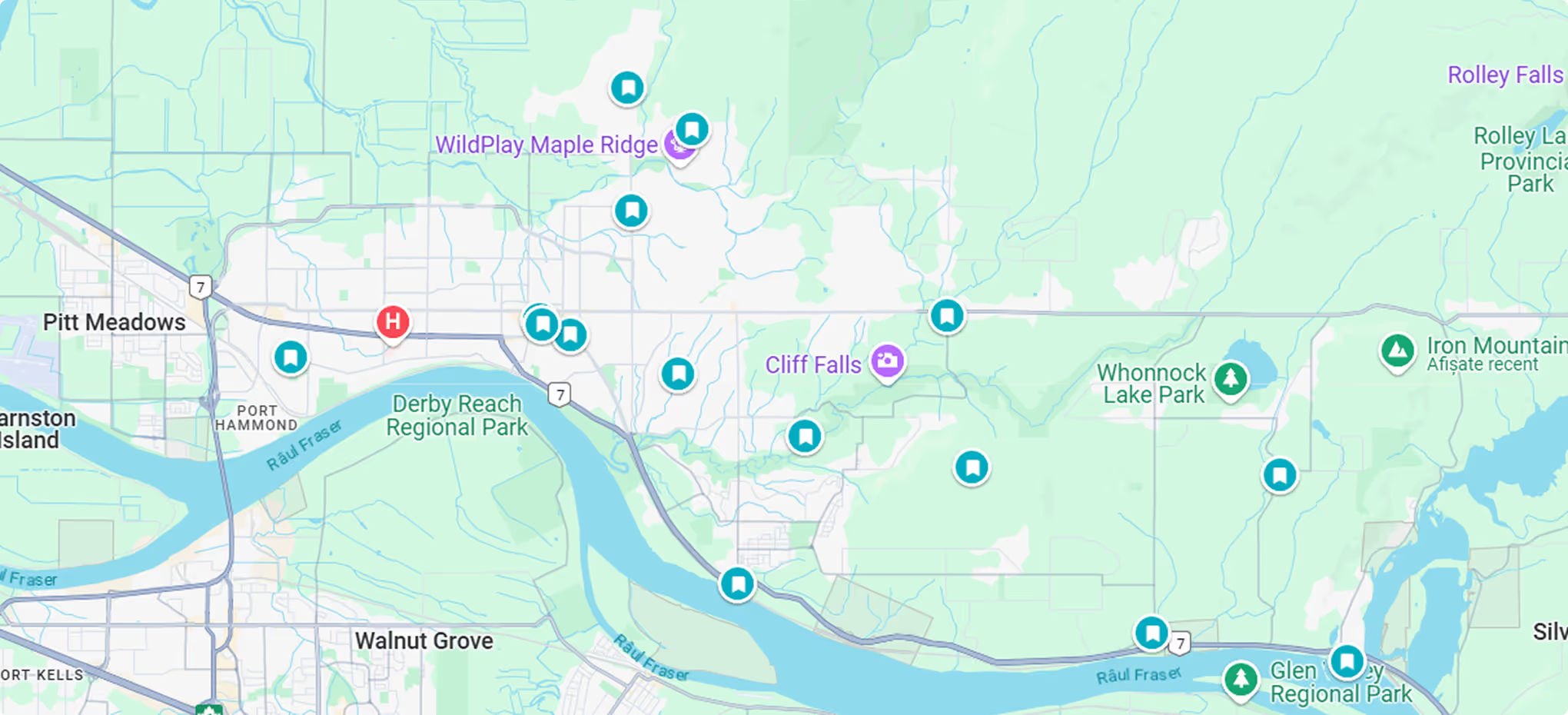
Heating in South Poplar, BC
Restore Reliable Warmth When Your System Fails
When the temperatures drop and the damp chill sets into South Poplar, BC, ensuring your heating system operates smoothly is not just about comfort; it is a necessity for protecting your home. A malfunctioning heater can quickly turn your living space into an icebox, risking frozen pipes and compromising your indoor air quality. If you are experiencing a breakdown, contact us immediately or apply for financing online to restore your heat today.
Homeowners facing heating emergencies require immediate, professional intervention rather than generic advice. Rep-Air Heating and Cooling provides decisive solutions to get your system back online. We understand that in the decision phase, you need clarity on timelines, costs, and the scope of work.
- Same-day service options ensure quick restoration of comfort before the house freezes.
- 24/7 emergency availability handles urgent heating fixes outside of standard business hours.
- Certified and seasoned experts deliver top-quality repairs on all major makes and models.
All services are fully licensed with upfront pricing and no hidden fees, ensuring you know exactly what the job entails before we begin.
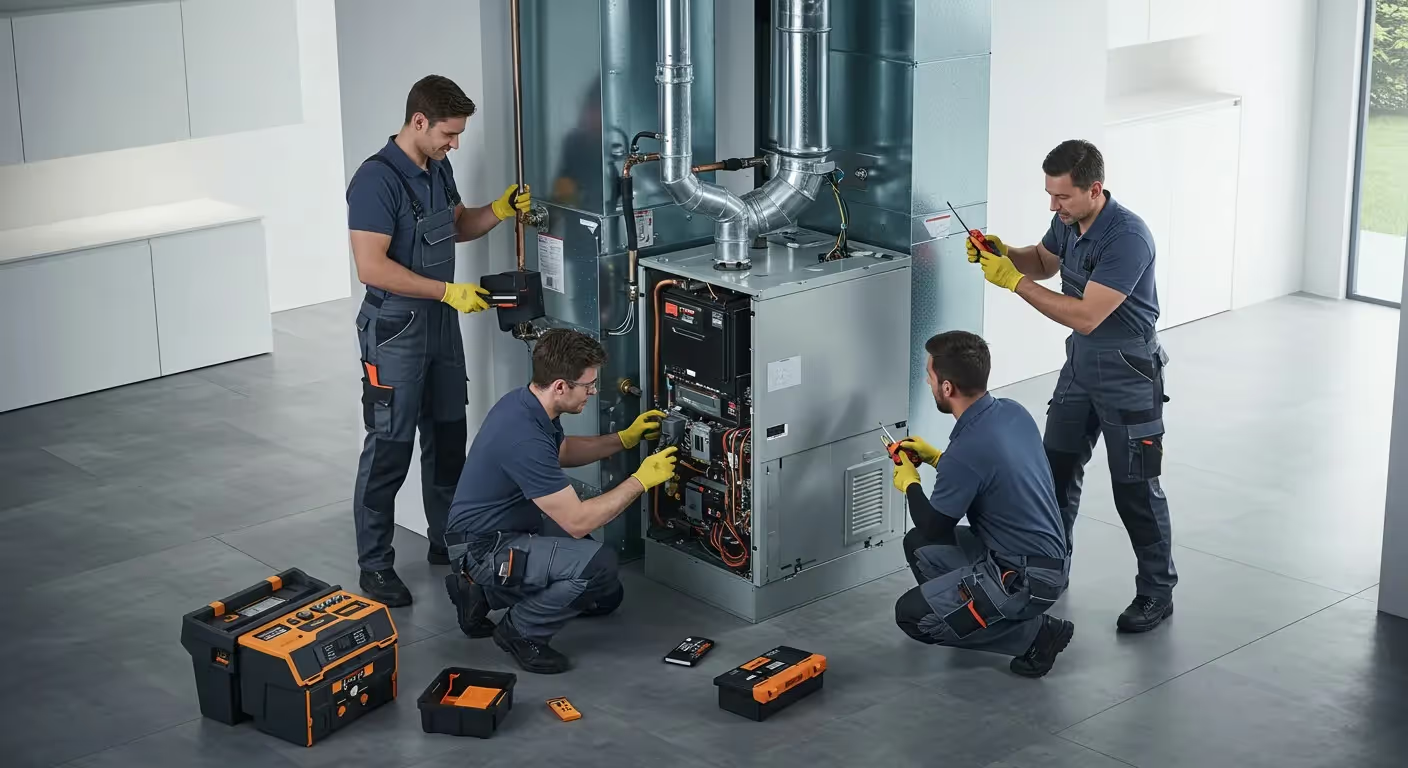
Comprehensive Heating Services Available Immediately
When you request service, the priority is diagnosing the root cause of the failure and implementing a permanent fix. We do not rely on temporary patches that leave you vulnerable to another breakdown a week later. Our service trucks arrive fully stocked with universal parts and diagnostic tools to handle a wide variety of heating configurations found in South Poplar.
Rapid Diagnostics and Repair
The repair process begins with a systematic analysis of your heating unit. Whether you utilize a high-efficiency natural gas furnace, a boiler system, or a heat pump, the objective is to isolate the mechanical or electrical failure. Modern heating systems are complex integrations of sensors, control boards, and combustion chambers.
- Ignition Failure: We troubleshoot faulty igniters, pilot lights, and flame sensors that prevent the unit from creating heat.
- Airflow Restrictions: We identify blockages in the blower motor, filter systems, or ductwork that cause overheating and short-cycling.
- Thermostat Communication: We resolve wiring issues and calibration errors between the interface and the furnace control board.
- Component Replacement: We swap out worn belts, seized motors, and cracked heat exchangers using OEM-grade parts.
Preventative Maintenance and Tuning
Beyond emergency repairs, we offer comprehensive tuning to align your system with manufacturer specifications. This is distinct from a basic safety check; it is a performance optimization service. In the damp climate of the Fraser Valley, moisture can accelerate corrosion on electrical contacts and burner assemblies.
- Combustion Analysis: We measure the efficiency of the fuel burn to ensure you are getting the maximum heat output for your energy dollar.
- Safety Inspections: We rigorously test for carbon monoxide leaks and inspect the integrity of the heat exchanger.
- Electrical Tightening: We secure all connections to prevent voltage drops and fluctuations that can damage sensitive control boards.
- Moving Part Lubrication: We reduce friction in motors and fans to lower noise levels and extend the lifespan of the components.
The Installation and Replacement Process
There comes a point where a heating system is no longer viable to repair. When investing in a new system, the quality of the installation is just as important as the brand of the equipment. A poorly sized or improperly installed unit will never achieve its rated efficiency and will fail prematurely.
We follow a strict, standardized protocol for every installation to ensure optimal performance from day one.
- Load Calculation: First, we perform a manual J-load calculation. This accounts for the square footage of your home, insulation levels, window quality, and local orientation to determine the exact BTU capacity required. Guesswork here leads to short-cycling or an inability to keep up with cold snaps.
- System Selection: Next, we help you select the right technology. This includes comparing AFUE (Annual Fuel Utilization Efficiency) ratings for furnaces or HSPF (Heating Seasonal Performance Factor) for heat pumps. We prioritize units that qualify for provincial rebates and offer long-term energy savings.
- Site Preparation: Before the new unit arrives, we protect your flooring and clear the workspace. We remove the old unit and dispose of it in accordance with environmental regulations.
- Ductwork Modification: If necessary, we modify the plenum and transition ductwork to ensure the new unit fits perfectly and airflow is not restricted. Air leaks at the connection points are sealed to prevent energy loss.
- Installation and Connection: We install the new unit, connecting gas lines, electrical wiring, and venting systems. Rep-Air Heating and Cooling technicians adhere to all local building codes regarding venting distances and gas piping sizing.
- Calibration and Testing: Once installed, we do not simply turn it on and leave. We test the gas pressure, measure the temperature rise (the difference between air entering and leaving the furnace), and calibrate the thermostat.
- Final Walkthrough: Finally, we demonstrate how to operate the new system, change filters, and manage programmable thermostat settings for maximum efficiency.
Deciding When to Replace Versus Repair
Homeowners often struggle with the decision to repair an aging unit or invest in a replacement. From a financial and operational standpoint, there are clear indicators that shift the logic from repair to replacement. Making the right choice depends on the age of the system, the cost of current repairs, and future reliability.
The 50% Rule
A general industry standard is the 50% rule. If the cost of the repair approaches or exceeds 50% of the value of a new system, replacement is the more economically sound choice. Putting expensive parts into an old system is often throwing good money after bad.
Equipment Age and Efficiency
Most gas furnaces have a lifespan of 15 to 20 years, while heat pumps typically last 10 to 15 years. If your unit is approaching the end of this window in South Poplar, parts may become obsolete or prohibitively expensive. Furthermore, older units often operate at 60-70% efficiency, meaning 30-40 cents of every dollar spent on gas is wasted up the flue. Modern high-efficiency units operate at 95-98% efficiency.
Safety Concerns
Safety is a non-negotiable factor. If a technician discovers a cracked heat exchanger, the unit must be replaced immediately. A cracked heat exchanger allows carbon monoxide to mix with the air circulating through your home, posing a severe health risk. In these instances, repair is rarely a safe or legal option.
Frequency of Breakdowns
If you find yourself calling for service multiple times in a single winter, the system has likely become unreliable. The cumulative cost of service calls, parts, and the inconvenience of downtime often outweighs the monthly cost of financing a new, warrantied system.
Regional Considerations for Heating Systems
Operating a heating system in this region presents specific challenges due to the temperate oceanic climate. Unlike the dry cold of the interior, the winters here are characterized by high humidity and temperatures that hover between 0°C and 8°C. This specific weather profile impacts how heating systems should be chosen and maintained.
Combating Humidity and "Bone-Chilling" Cold
The dampness in the air makes the cold feel more penetrating. Heating systems here need to do more than just raise the temperature; they need to help manage indoor humidity levels.
- Heat Pumps: These are exceptionally effective in this climate range. Because the temperature rarely drops below freezing for extended periods, heat pumps can extract heat from the outside air efficiently without relying heavily on expensive auxiliary heat strips.
- Furnace Cycles: Longer run times at lower stages (for two-stage or modulating furnaces) help dry out the air inside the home, reducing that clammy feeling and improving overall comfort.
Local Utilities and Energy Sources
Understanding your energy provider is key to choosing the right system.
- Natural Gas: Supplied largely by FortisBC, natural gas remains a popular and cost-effective heating fuel for many residents. High-efficiency condensing furnaces are the standard for maximizing this resource.
- Electricity: With BC Hydro providing clean hydroelectricity, electric heating solutions—specifically heat pumps—are environmentally friendly and increasingly cost-competitive, especially when gas prices fluctuate.
Permits and Rebates
Local regulations play a significant role in heating upgrades.
- Building Codes: Any gas fitting or electrical work requires adherence to British Columbia Safety Authority guidelines. Installing a furnace without a permit can void home insurance policies and complicate future real estate transactions.
- Rebate Programs: The CleanBC Better Homes program and other utility-specific incentives frequently offer substantial rebates for switching from fossil fuels to electric heat pumps or upgrading to high-efficiency gas appliances. Professional navigation of these rebates can save thousands on installation costs.
Technical Expertise and Operational Standards
The difference between a heating job that lasts a season and one that lasts a decade lies in the technical execution. We employ rigorous standards to ensure that every repair and installation meets the highest industry benchmarks.
Specialized Training
Technicians undergo continuous training to stay current with evolving HVAC technology. Modern systems utilize variable-speed motors, communicating thermostats, and complex zoning algorithms. We ensure our team is proficient in diagnosing these sophisticated components, not just changing parts on old mechanical units.
Proper Sizing and Airflow Analysis
A common issue in the industry is oversizing equipment. An oversized furnace will blast the house with heat, satisfy the thermostat quickly, and shut off. This "short-cycling" causes immense wear on the heat exchanger and results in uneven temperatures. We ensure the unit is sized correctly for the specific heat loss profile of your home.
Ductwork Integrity
Even the best furnace cannot perform if the ductwork is compromised. We inspect the distribution system for static pressure issues. High static pressure acts like a hand over the mouth of the system, forcing the blower motor to work harder and reducing the lifespan of the equipment. We diagnose and rectify these airflow issues to ensure the system breathes freely.
Warranty and Accountability
We stand behind our work with robust warranties on both labor and parts. When you partner with Rep-Air Heating and Cooling, you are securing a guarantee of workmanship. We provide clear documentation of all work performed, which is essential for maintaining manufacturer warranties and adding value to your home.
Restore Warmth Fast: Get Expert Help Now
When your heating system fails, every minute counts. Rep-Air Heating and Cooling is ready to respond with licensed, same-day service and fully equipped technicians who can restore your home’s comfort quickly and safely. Whether you need emergency repairs, expert diagnostics, or guidance on system replacement, we deliver clear pricing, fast turnaround times, and reliable workmanship. Secure your comfort and safety before the weather turns. Call us or book your service online now.
hear what our satisfied clients have to say
Neighbourhoods in the Fraser Valley