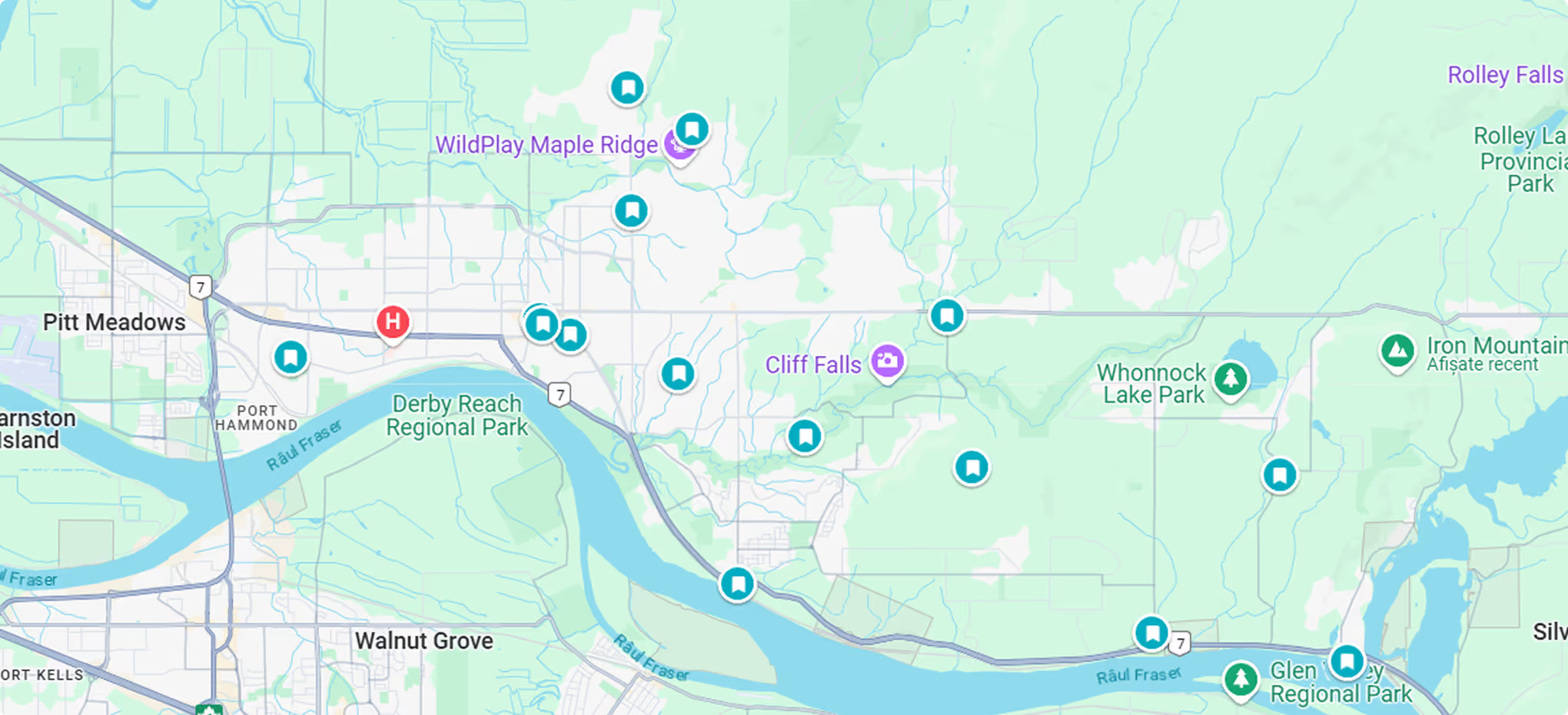
Indoor Air Quality in Downtown Pitt Meadows, BC
Is Persistent Congestion or Stale Air Affecting Your Living Space?
Experiencing recurring headaches, unexplained fatigue, or allergy symptoms that only seem to happen at home indicates a need to assess your environment immediately. Residents in areas like Downtown Pitt Meadows often battle distinct indoor climate challenges, from high humidity driving mold growth to trapped volatile organic compounds (VOCs) in energy-efficient homes. Contact us today at Rep-Air Heating and Cooling to schedule a comprehensive air quality assessment or inquire about our flexible financing options for whole-home systems.
Poor indoor air quality (IAQ) is not just a comfort issue; it is a health and safety priority. Pollutants such as dust mites, mold spores, pet dander, and chemical vapors can accumulate to dangerous levels when ventilation is insufficient. Our professional services identify these invisible threats and implement mechanical solutions to neutralize them.
- Identify and remove common and complex pollutants from your indoor environment with hospital-grade precision.
- Achieve a healthier living space through professional diagnostics and integrated air quality testing.
- Prevent long-term respiratory issues and structural damage to your home with timely, effective air treatment solutions.
- All services comply with strict Canadian air quality standards and include a satisfaction guarantee for your peace of mind.
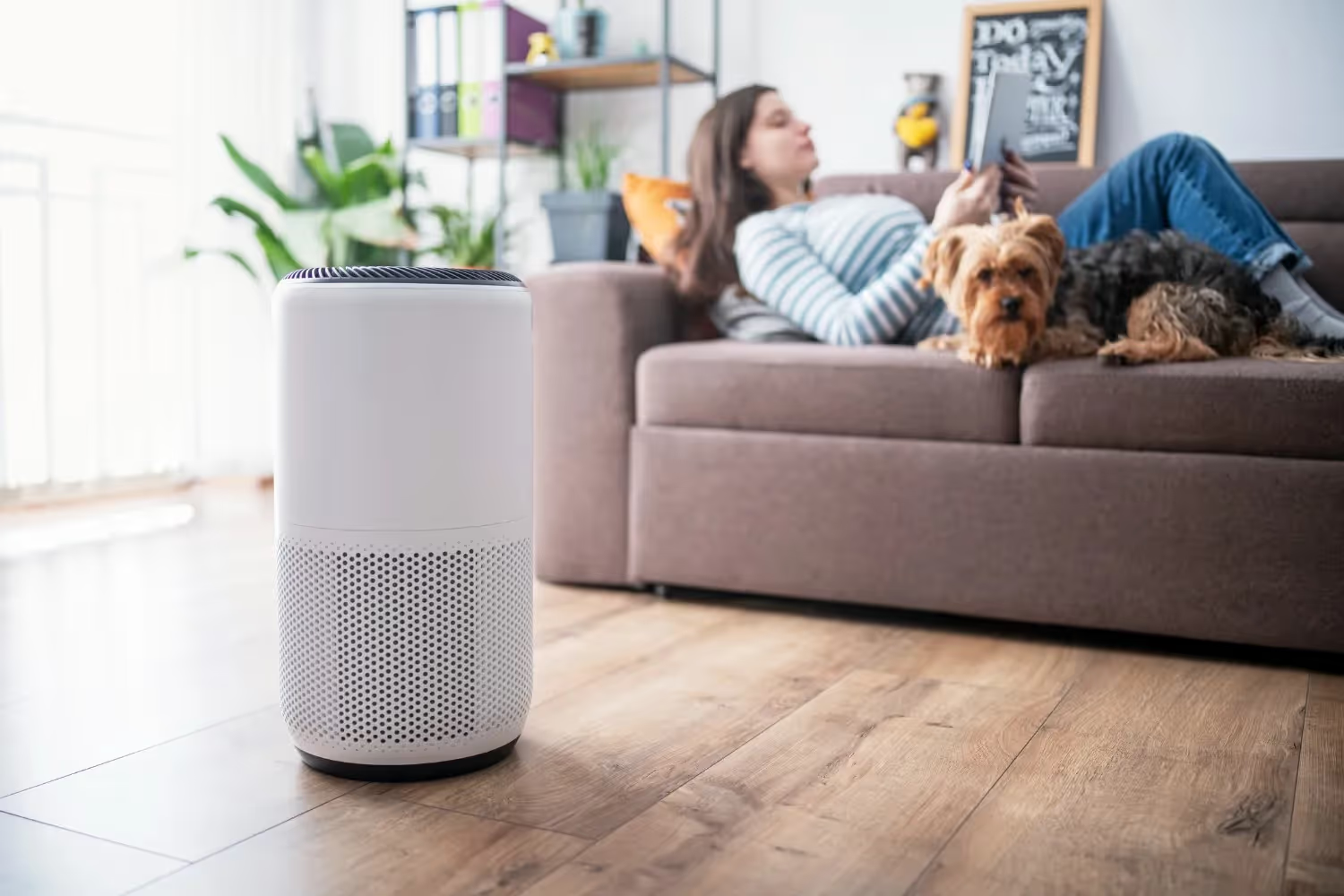
Comprehensive Indoor Air Quality Solutions Available Today
When you invest in professional air quality services, you are not purchasing a temporary fix; you are integrating a permanent health defense system into your home’s existing HVAC infrastructure. The scope of service goes beyond simple filter changes. It involves a multi-layered approach to filtration, purification, and ventilation designed to tackle the specific particulate matter and biological growth common in British Columbia’s climate.
Diagnostic Testing and Analysis
The process begins with data. Technicians utilize advanced monitoring equipment to measure particulate matter (PM2.5 and PM10), VOC levels, relative humidity, and carbon dioxide concentration. This data provides a baseline to determine exactly which pollutants are present. Instead of guessing, you receive a concrete analysis of what you are breathing.
Whole-Home Filtration Systems
Standard furnace filters often fail to trap microscopic particles that cause the most harm. Professional installation includes high-efficiency media air cleaners or HEPA filtration systems that integrate directly into your ductwork. These systems capture up to 99.97% of airborne particles, including bacteria and smoke, which is essential during local wildfire seasons.
UV-C Germicidal Lights
Biological contaminants like mold and bacteria thrive in the dark, damp environments of cooling coils and ductwork. UV-C lights are installed within the system to sterilize surfaces and the air passing through them. This technology disrupts the DNA of microorganisms, preventing them from reproducing and circulating through your vents.
Humidity Control Systems
In the damp climate of the Pacific Northwest, controlling moisture is critical. Whole-home dehumidifiers work in tandem with your air conditioner to keep humidity levels within the ideal 30-50% range. Conversely, during drier months, steam humidifiers can add necessary moisture to prevent dry skin and protect wood furnishings.
Ventilation Solutions (HRV and ERV)
Modern homes are built airtight to conserve energy, but this traps stale air inside. Heat Recovery Ventilators (HRVs) and Energy Recovery Ventilators (ERVs) mechanically exchange stale indoor air with fresh outdoor air without losing the heat energy you have already paid for. This ensures a constant supply of oxygenated air while expelling odors and chemical vapors.
The Installation and Integration Process
Implementing an air quality solution is a technical process that requires precise calibration to ensure it does not impede airflow or damage your heating and cooling equipment. The goal is seamless integration where the air quality systems run automatically alongside your furnace or heat pump.
- Site Evaluation and Load Calculation: Technicians review your current HVAC system’s static pressure and airflow capacity. Adding high-density filters or bypass humidifiers changes how air moves through the ducts. Measurements are taken to ensure the blower motor can handle the new equipment without strain.
- System Selection and Design: Based on the diagnostic results and airflow data, specific units are selected. If the primary issue is moisture, a dehumidifier is prioritized. If the issue is allergens, a HEPA bypass system is designed. In many cases, a hybrid approach involving UV lights and media filters is mapped out for maximum coverage.
- Mechanical Installation: The installation involves cutting into the supply and return plenums to mount the new hardware. For HRVs, dedicated duct runs may be installed to pull air from bathrooms and kitchens while supplying fresh air to bedrooms and living areas. All electrical connections are hardwired into the HVAC control board, allowing for synchronized operation.
- Sealing and Calibration: Once the hardware is in place, all new connections are sealed with mastic or foil tape to prevent air leakage. The system is then calibrated. For humidifiers, this means setting the humidistat based on outdoor temperatures. For ventilators, it involves balancing the intake and exhaust airflow to ensure neutral pressure within the home.
- Final Testing and Walkthrough: The system is powered on and tested through a full cycle. Technicians verify that the pressure drop across filters is within manufacturer specifications and that UV lights are functioning correctly. You receive a demonstration on how to operate the controls and a schedule for necessary maintenance, such as bulb replacements or media filter swaps.
Deciding Between Portable Units and Whole-Home Integration
Homeowners often face the choice between buying standalone portable air purifiers or investing in a whole-home system. While portable units have their place, they are generally insufficient for comprehensive air quality management in a multi-room residence. Understanding when to choose a permanent solution over a temporary repair or portable device is key to long-term satisfaction.
Coverage and Efficiency
Portable units are designed to clean the air in a single room. To achieve the same effect as a whole-home system, you would need a unit in every bedroom and common area, which significantly increases noise and electricity usage. A whole-home system treats 100% of the air flowing through your ducts, ensuring that every room receives treated air, not just the one with the plug-in device.
Noise and Aesthetics
Standalone units take up floor space and generate fan noise that can be intrusive in bedrooms or living rooms. Integrated solutions are installed out of sight in the mechanical room, attic, or crawlspace. They operate silently, utilizing the existing central fan to circulate air, preserving the aesthetic and quiet of your living environment.
Maintenance and Longevity
Portable units require frequent filter changes for each individual device, which can become costly and tedious to track. Integrated systems typically require maintenance only once or twice a year. Furthermore, the equipment used in professional installations is industrial-grade, designed to last 10 to 15 years, whereas portable consumer-grade units often have a much shorter lifespan.
Improving HVAC Performance
A crucial differentiator is that whole-home systems protect your expensive heating and cooling equipment. By intercepting dust and debris before it reaches the blower motor or evaporator coil, these systems extend the life of your furnace and AC. Portable units offer no protection to your central HVAC hardware.
Regional Considerations for Air Quality
The specific environment of Downtown Pitt Meadows and the surrounding region dictates the type of air quality strategy required. General solutions often fail because they do not account for the unique climatic variables of the Fraser Valley.
- Managing High Humidity and Rainfall: The region experiences significant rainfall, particularly in the fall and winter months. This creates a high baseline for indoor humidity, fostering ideal conditions for mold growth in basements and crawlspaces. Standard air conditioners often cannot remove enough moisture during the "shoulder seasons" when temperatures are moderate but humidity is high. Dedicated dehumidification is often a necessity, not a luxury, to prevent biological growth.
- Wildfire Smoke Intrusion: Summers in British Columbia increasingly bring periods of heavy wildfire smoke. This fine particulate matter (PM2.5) can penetrate standard building envelopes. Homes in the area require filtration capabilities specifically rated to capture smoke particles to maintain a safe indoor environment during air quality advisories.
- Airtight Construction and CO2 Buildup: Many newer builds and renovated homes in the area adhere to strict energy codes, making them very airtight. While this lowers heating bills, it traps carbon dioxide and off-gassing chemicals from furniture and flooring. Mechanical ventilation (HRV) is frequently required by code in new constructions and is highly recommended for older homes that have been retrofitted with new windows and insulation.
- Pollen and Agricultural Dust: Proximity to agricultural zones means that seasonal pollen and dust are significant contributors to poor IAQ. Spring and early summer bring heavy pollen counts that can make indoor life miserable for allergy sufferers without adequate filtration barriers.
Technical Expertise and Differentiators
Selecting the right provider for indoor air quality involves looking for technical competence rather than general handyman skills. The effectiveness of an air purifier or ventilator depends entirely on proper sizing and installation. If a system is too restrictive, it can burn out your furnace motor; if it is too small, it will have zero impact on your health.
Rep-Air Heating and Cooling employs technicians who understand the physics of airflow. We do not simply bolt on accessories; we engineer a solution that works harmoniously with your specific ductwork design and heating load. Our approach prioritizes data-driven results. We utilize industrial-grade diagnostic tools to verify improvement, ensuring that the investment yields a measurable reduction in airborne contaminants.
Proof of competency is demonstrated through adherence to local building codes and manufacturer specifications. Improper installation of UV lights can degrade non-UV-resistant wiring, and incorrectly balanced HRVs can depressurize a house, drawing in dangerous sewer gases or radon. Our team ensures that every safety protocol is followed, securing necessary permits where applicable and guaranteeing that all electrical and ductwork modifications meet the highest industry standards.
Why Professional Remediation is Essential
DIY solutions often mask odors rather than removing the source of the pollution. Sprays and plug-ins add more chemicals to the air. Professional remediation focuses on removal and exchange. We focus on source control, filtration, and ventilation to create a neutral, clean environment.
Furthermore, we understand the local utility landscape. We can advise on high-efficiency units that may help manage energy consumption despite running continuously to clean the air. Our knowledge of local rebate programs and energy incentives ensures you get the best value for your installation.
Secure Your Home’s Health Today
Ignoring signs of poor indoor air quality can lead to compounding health issues and deterioration of your property. From controlling humidity in the wet winters of Pitt Meadows to filtering out summer wildfire smoke, a tailored IAQ strategy is essential for modern living. You have the option to transform your home into a sanctuary of clean, breathable air.
Take the step toward a safer environment. Contact Rep-Air Heating and Cooling now to book your professional air quality assessment and breathe easier knowing your home is protected.
hear what our satisfied clients have to say
Neighbourhoods in the Fraser Valley