Indoor Air Quality in East Townline, BC
Eliminate Persistent Allergens, Dust, and Stale Air in Your Home
You shouldn't have to suffer from constant sneezing, dry skin, or lingering odors inside your own house, yet many homeowners in East Townline discover their indoor air is more polluted than the air outside. Contact us today to schedule a comprehensive air quality assessment and breathe easier tonight.
Modern homes are built for energy efficiency, which effectively traps pollutants, volatile organic compounds (VOCs), and allergens inside your living space with nowhere to go. Without proper intervention, your HVAC system simply recirculates these contaminants, leading to respiratory issues, poor sleep, and excessive dust accumulation. Our team specializes in identifying specific air quality threats and integrating hospital-grade solutions directly into your existing heating and cooling infrastructure.
- Neutralize up to 99% of airborne viruses, bacteria, and mold spores.
- Reduce asthma triggers, seasonal allergy symptoms, and respiratory irritation.
- Control humidity levels to protect hardwood flooring and prevent microbial growth.
- Eliminate smoke, cooking odors, and pet smells rather than masking them.
We provide targeted solutions based on data, not guesswork, ensuring your home remains a safe sanctuary regardless of the season.
The Hidden Dangers Circulating in Your Ductwork
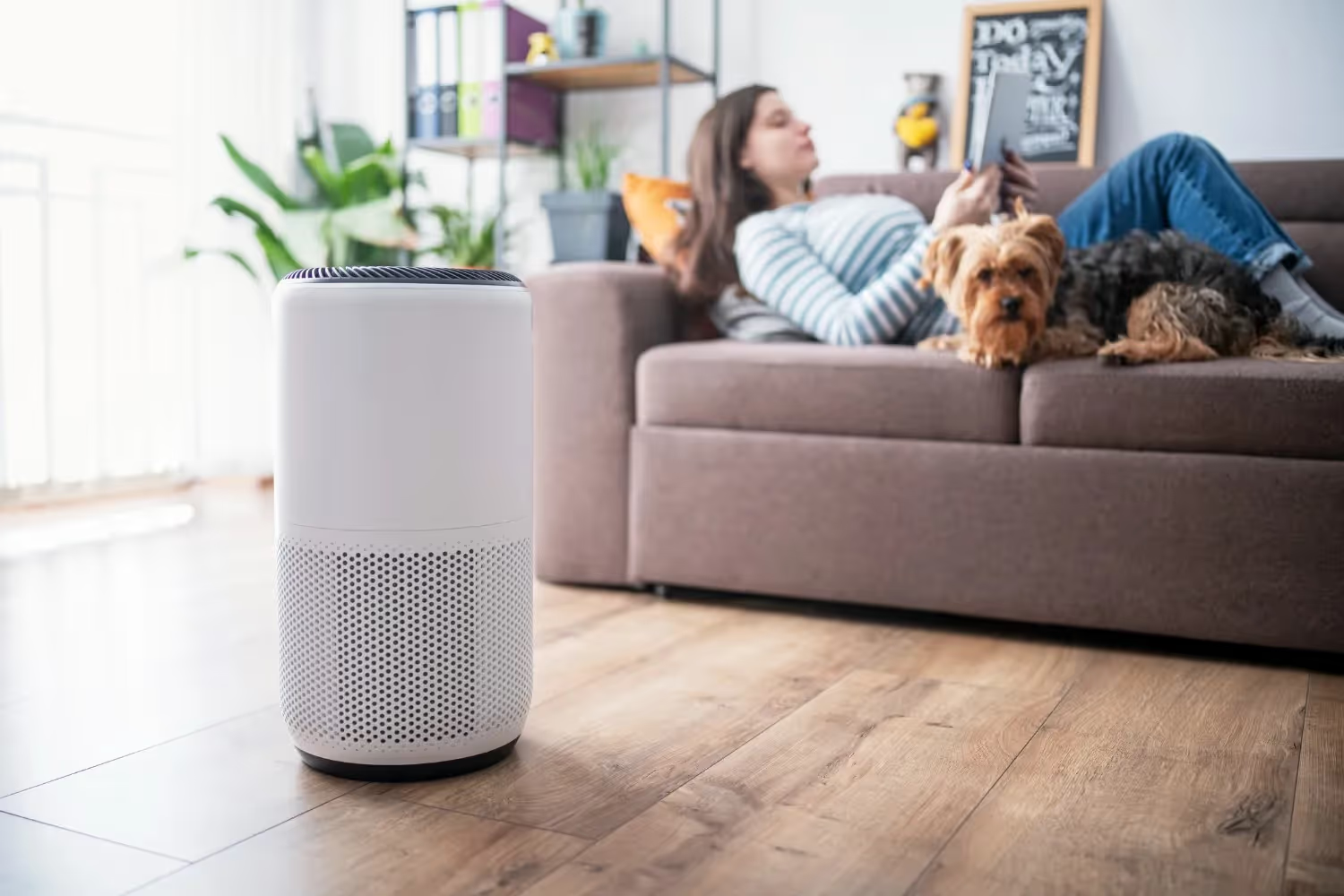
Most homeowners assume their standard furnace filter is sufficient for maintaining air quality. In reality, standard one-inch filters are designed primarily to protect the equipment from large debris, not to clean the air you breathe. When you rely solely on basic filtration, microscopic particles pass through freely, accumulating in your ductwork and recirculating through your vents.
In the East Townline area, environmental factors contribute significantly to indoor pollution. During warmer months, pollen and potential wildfire smoke can infiltrate the home. In the winter, tightly sealed windows and heating systems create dry, stagnant environments where dust mites and viruses thrive — read what you need to know.
We address three distinct categories of indoor pollutants:
- Particulates: This includes dust, pollen, pet dander, and smoke soot. These physical particles irritate the lungs and settle on furniture.
- Biologicals: Mold spores, bacteria, viruses, and dust mites fall into this category. These living organisms require specific purification methods to neutralize.
- Chemicals and Gases: VOCs off-gassing from carpets, paint, cleaning supplies, and cooking fumes create toxicity in the air that standard filters cannot catch.
Comprehensive Air Quality Solutions
Effective indoor air quality (IAQ) management requires a multi-layered approach. Depending on the specific issues detected in your home, we recommend and install a combination of filtration, purification, and ventilation systems.
High-Efficiency Media Air Cleaners
Standard filters restrict airflow if they are woven too tightly, potentially damaging your furnace. Media air cleaners utilize a deeply pleated surface area within a dedicated cabinet. This allows for high-efficiency filtration (typically MERV 11 to MERV 16) without restricting the airflow your HVAC system needs to operate efficiently. These systems physically trap much smaller particles than standard hardware store filters, significantly reducing dust and allergens.
Ultraviolet (UV) Air Purifiers
Filtration captures solids, but it does not kill living organisms. UV air purifiers are installed directly inside the ductwork or near the evaporator coil. Using specific wavelengths of ultraviolet light, these systems scramble the DNA of bacteria, viruses, and mold spores as they pass through the light or attempt to grow on the damp coil. This prevents biological contaminants from reproducing and recirculating throughout the home.
Whole-Home Humidifiers and Dehumidifiers
Humidity control is critical for both health and home preservation.
- Humidifiers: In winter, heating systems dry out the air, leading to cracked wood furniture, static electricity, and dry mucous membranes (which increases susceptibility to illness). We install bypass or steam humidifiers that introduce precise amounts of moisture into the supply air.
- Dehumidifiers: During humid periods, excess moisture encourages mold growth and makes the air feel heavy and warm. Whole-home dehumidifiers remove liters of water from the air daily, draining it automatically so you never have to empty a bucket.
Heat Recovery Ventilators (HRV) and Energy Recovery Ventilators (ERV)
Because modern homes in BC are sealed tightly, fresh air exchange is vital. HRVs and ERVs mechanically exchange stale indoor air with fresh outdoor air. Crucially, they transfer the heat (and moisture, in the case of ERVs) from the outgoing air to the incoming air. This ensures you get fresh, oxygenated air without losing the energy you paid to heat or cool your home.
The Installation and Integration Process
Installing air quality equipment is not a plug-and-play operation. It requires precise integration with your furnace or air handler to ensure proper airflow and electrical synchronization. Rep-Air Heating and Cooling technicians follow a rigorous protocol to ensure your system functions as a cohesive unit.
- System Sizing and Selection: We calculate the cubic footage of your home and analyze the blower capacity of your HVAC unit. This ensures the selected air purifier or ventilator is powerful enough to treat the entire volume of air without causing static pressure issues.
- Strategic Placement: UV lights must be positioned where they have maximum exposure to the coil or the air stream. Humidifiers must be placed on the correct side of the ductwork (supply vs. return) depending on the specific model and furnace configuration.
- Ductwork Modification: We professionally cut and seal ductwork to accommodate media cabinets and ventilators. This includes installing turning vanes or transitions if necessary to minimize turbulence and noise.
- Electrical Integration: Hardwiring equipment directly into the furnace control board ensures that IAQ accessories only run when the blower is active, saving energy and extending the life of bulbs and filters.
- Commissioning: Once installed, we test the system to verify airflow, humidity readings, and proper drainage. We then walk you through the maintenance requirements and operation.
Repair vs. Replacement of IAQ Systems
If you currently have an air quality system that isn't performing, a decision must be made between repair and replacement. Technologies in this sector advance rapidly, and older units may be costing you more in energy and maintenance than they are worth — explore financing.
When to Repair:
- Simple Part Failures: If a solenoid valve on a humidifier or a ballast on a UV light fails on a relatively new unit (under 5-7 years old), a repair is usually cost-effective.
- Clogged Lines: Humidifier drain lines or water panels often just need cleaning or replacing to restore function.
- Electrical Connections: Loose wiring or a faulty humidistat can often be fixed without replacing the main unit.
When to Replace or Upgrade:
- Obsolete Filtration: If you have an old electronic air cleaner (the type that makes zapping noises), these are often difficult to clean and release ozone. upgrading to a media cabinet is a superior, lower-maintenance choice.
- Mold Contamination: If a humidifier or ventilator has been neglected and is heavily infested with black mold inside the core or casing, replacement is the safest option to prevent spore dispersal.
- Inefficiency: Older flow-through humidifiers waste significant amounts of water. Newer steam or high-efficiency models provide better humidity control with less waste.
- System Incompatibility: If you have upgraded your furnace or heat pump, your old IAQ accessories may no longer be sized correctly for the new airflow parameters.
Local Factors Affecting East Townline Air Quality
Operating in East Townline and the surrounding BC region presents specific challenges that dictate how we design air quality systems. The local climate is characterized by significant seasonal shifts that impact indoor environments differently throughout the year.
Wildfire Season Preparation
In recent years, smoke from regional wildfires has become a primary concern during summer. Standard filters cannot stop the fine particulate matter (PM2.5) found in smoke. For homeowners in this area, we frequently recommend HEPA-grade filtration or PCO (Photocatalytic Oxidation) units specifically designed to scrub smoke odors and microscopic particles from the air intake.
Moisture Management
The region can experience periods of high precipitation. Without adequate ventilation, this moisture gets trapped inside, leading to "sick building syndrome" where condensation forms on windows and walls. An HRV or ERV is essential in this climate to expel moist, stale air and replace it with fresh air, preventing the structural rot and mold issues common in the Pacific Northwest.
Winter Dryness
Conversely, when the temperature drops and furnaces run constantly, indoor relative humidity can drop below 20%. This is damaging to the wood framing, flooring, and cabinetry typical of homes in the area. Properly calibrated humidification systems maintain the 35-45% humidity range recommended for both health and home structure integrity.
Why Technical Expertise Matters
Improving indoor air quality is not about buying a product off the shelf; it is about engineering a solution that works with the physics of your home. Improperly installed air cleaners can create pressure drops that overheat your furnace. UV lights installed without UV-stabilized plastic or metal shielding can degrade flexible ductwork.
We focus on the science of airflow — see our reviews. We understand how to balance the need for high-MERV filtration with the static pressure limitations of your blower motor. We ensure that ventilation intake and exhaust vents are positioned to prevent cross-contamination from exhaust flues or driveway fumes.
- Holistic Approach: We look at the house as a system. Sealing ducts, balancing humidity, and filtering air are treated as interconnected tasks, not isolated purchases.
- Code Compliance: All installations meet local building and electrical codes, particularly regarding fresh air intake requirements and electrical safety.
- Product Validation: We only install equipment that has been tested and verified to produce zero or negligible ozone, ensuring the solution doesn't introduce new lung irritants.
- Customization: We do not use a "one size fits all" strategy. A home with pets and carpets needs a different strategy than a home with hardwood floors and asthma sufferers.
Protecting Your Health and Investment
Your home is your largest investment, and your health is your most valuable asset. Ignoring indoor air quality leads to long-term accumulation of dust in your HVAC equipment, reducing its lifespan and efficiency, while simultaneously compromising the well-being of your family.
By implementing a professional air quality strategy, you reduce the workload on your heating and cooling system. Clean coils transfer heat more efficiently, and clean blowers move air with less electrical resistance. The result is a cleaner home, lower energy bills, and a healthier living environment.
If you are noticing dust buildup, suffering from recurring allergies, or concerned about the impact of seasonal smoke and humidity, it is time to take action. Rep-Air Heating and Cooling is ready to assess your current system and implement the necessary upgrades to purify your indoor environment.
Take control of the air you breathe. Contact us now to schedule your indoor air quality consultation and installation.
hear what our satisfied clients have to say
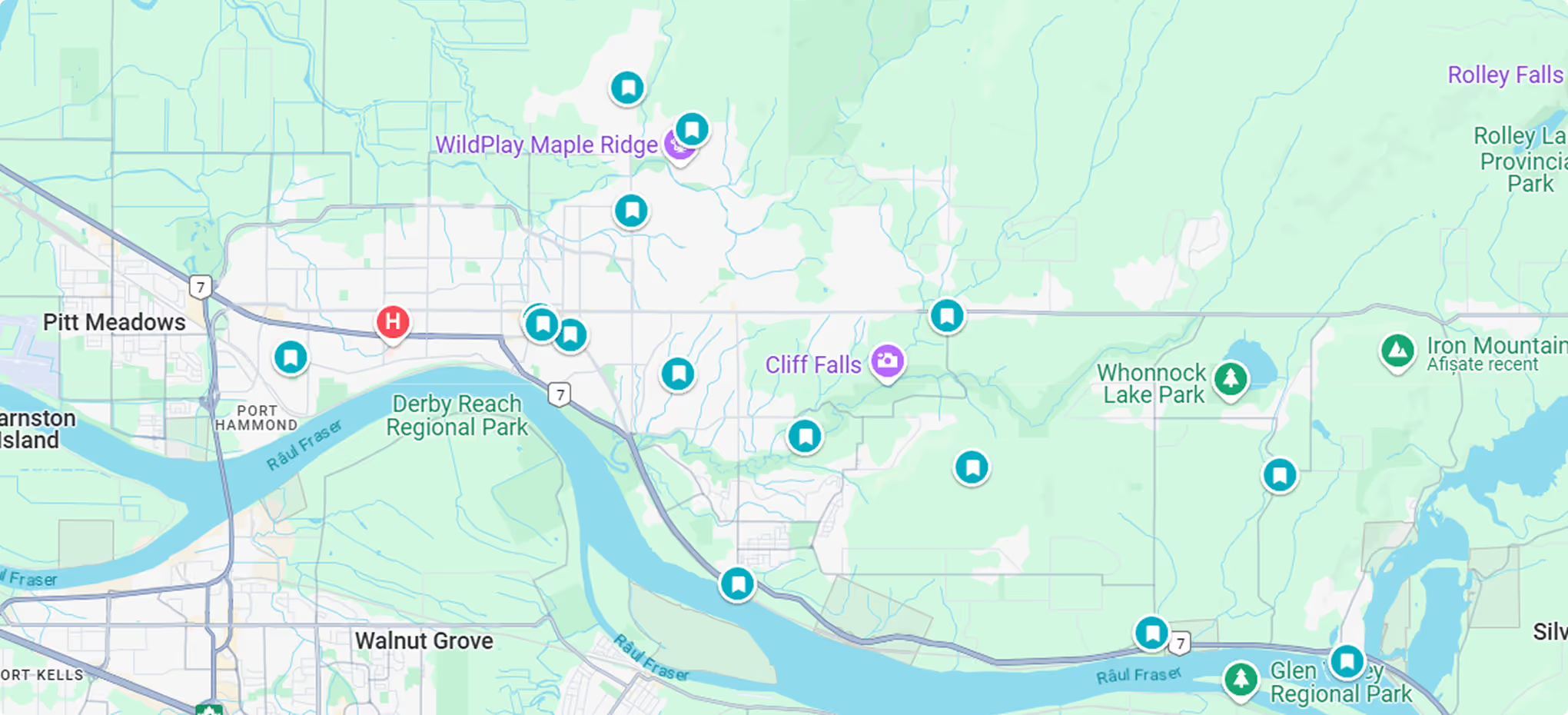
Neighbourhoods in the Fraser Valley