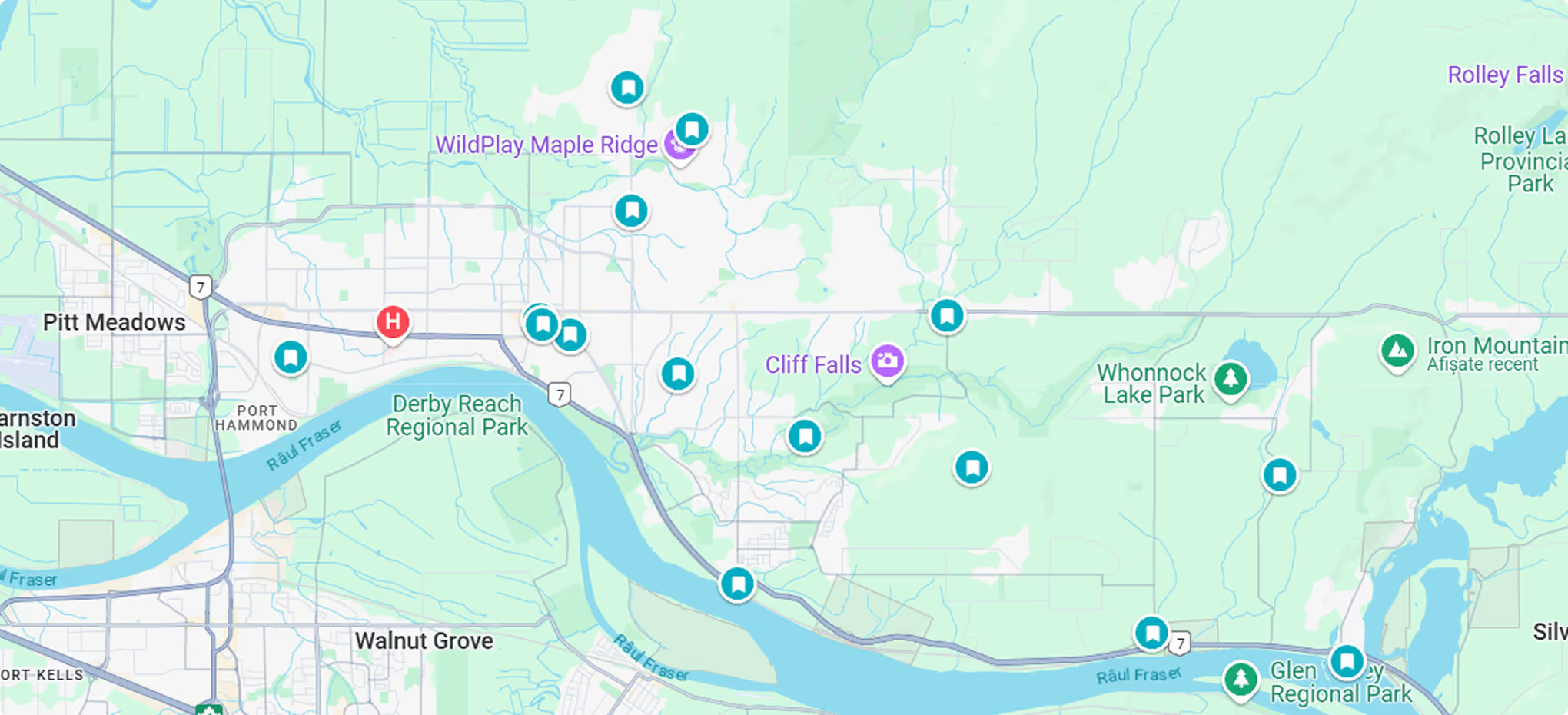
Indoor Air Quality in Kanaka Creek, BC
Improving Your Home’s Air Quality: Essential for Healthy Living
Struggling with persistent allergies, unexplained headaches, or respiratory issues inside your own home often points to invisible contaminants circulating through your HVAC system. For homeowners in Kanaka Creek, where seasonal humidity shifts and periods of stagnant air can trap pollutants indoors, ignoring these signs can lead to long-term health consequences. Contact us to schedule a comprehensive air quality assessment or call to discuss financing options for a new purification system.
- Accurate assessment of indoor pollutants using state-of-the-art diagnostic equipment.
- Custom recommendations to improve your air quality for long-term health benefits.
- Quick, professional installation of air purifiers, dehumidifiers, and ventilation systems where necessary.
Certified professionals manage all services, with full warranties and financing options available to ensure peace of mind.
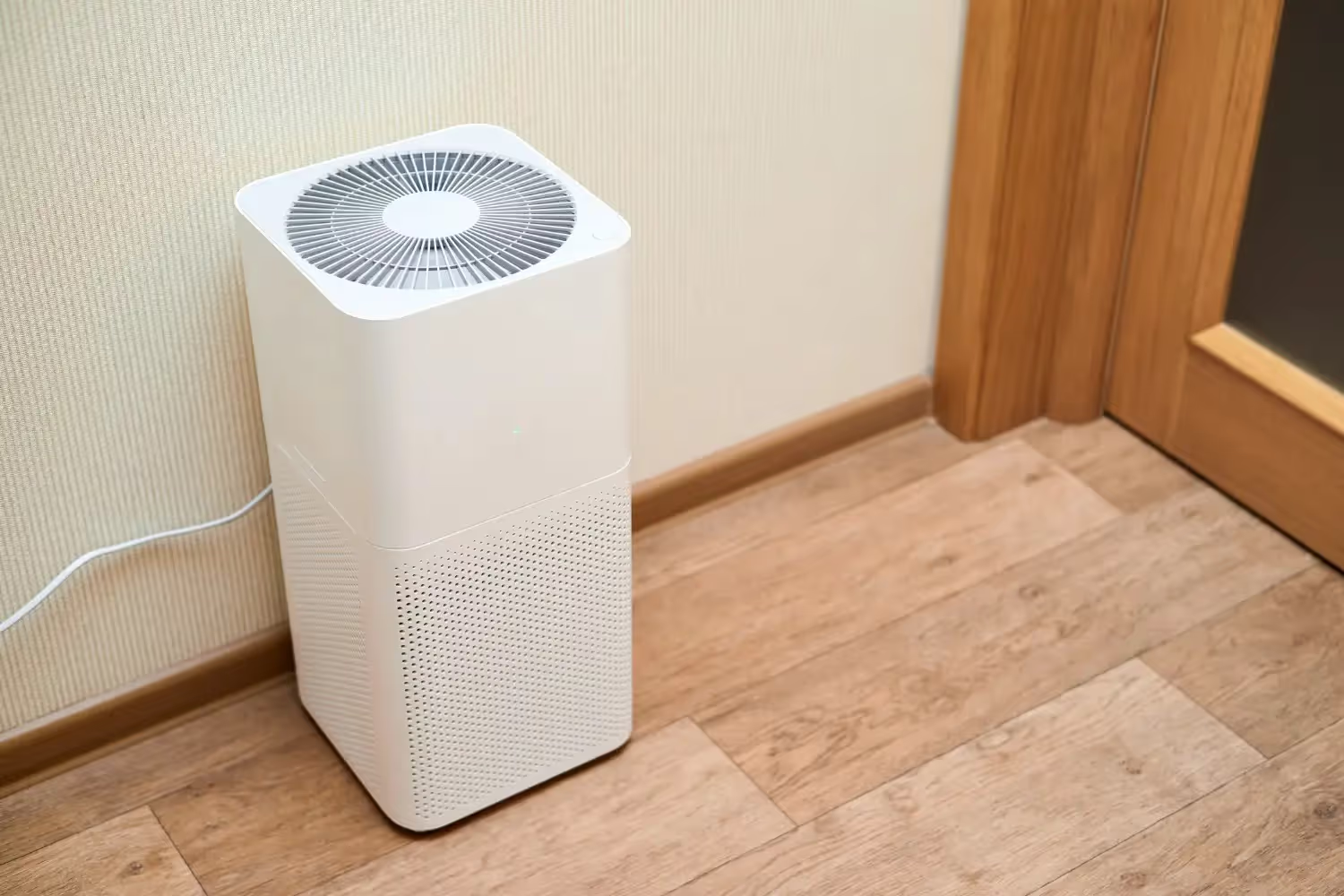
Comprehensive Solutions for Indoor Environmental Control
Achieving optimal indoor air quality involves more than simply changing a standard furnace filter. It requires a systemic approach to identify, neutralize, and remove contaminants that accumulate in modern, tightly sealed homes. When you commission a professional service, the scope extends beyond basic cleaning to include a full evaluation of how air moves, filters, and refreshes within your living space.
The service begins with a detailed diagnostic phase. Technicians utilize advanced particle counters and gas detectors to measure levels of Volatile Organic Compounds (VOCs), particulate matter (PM2.5 and PM10), carbon dioxide, carbon monoxide, and relative humidity. This data provides a baseline to determine exactly what is compromising the environment. Following the diagnosis, the solution phase involves the selection and integration of specific hardware designed to target the identified issues.
Included in a complete air quality strategy are several key technologies:
- Whole-Home Filtration Systems: Unlike standard 1-inch filters that only catch large dust bunnies, high-efficiency media air cleaners are installed directly into the ductwork. These systems capture microscopic particles, including bacteria, smoke, and fine allergen dust, preventing them from recirculating.
- Ultraviolet (UV) Germicidal Lights: Installed within the coil system of your air handler, UV lights sterilize surfaces where moisture typically collects. This prevents mold spores and bacteria from breeding inside the HVAC system and being blown into the rooms of your home.
- Heat and Energy Recovery Ventilators (HRV/ERV): These mechanical ventilation devices exchange stale indoor air with fresh outdoor air without losing the thermal energy used to heat or cool the home. They are essential for removing indoor pollutants while maintaining energy efficiency.
- Humidity Control Systems: Whole-home dehumidifiers or humidifiers are integrated to maintain moisture levels between 30% and 50%. This range inhibits the growth of mold and dust mites while preventing the structural damage associated with dry air.
The timeline for these services is efficient. An initial assessment and consultation typically take a few hours. Once a custom solution is designed, installation of equipment like HRVs, UV lights, or upgraded filtration cabinets is usually completed within a single day. The goal is to transform the home environment with minimal disruption to daily routines.
How the Installation and Improvement Process Works
Implementing a robust air quality solution is a structured technical process. It ensures that every component works in harmony with the existing heating and cooling infrastructure. The focus is on permanent solutions rather than temporary fixes.
- Initial Consultation and Testing: The process starts with a site visit where technicians assess the current HVAC layout and perform air quality testing. The technician evaluates the size of the home, the condition of the ductwork, and specific occupant concerns such as asthma or chemical sensitivities.
- System Design and Product Selection: Based on the test results, a tailored plan is developed. If the primary issue is humidity, a dehumidifier is prioritized. If the issue is wildfire smoke—a common concern in this region—HEPA-grade filtration or activated carbon filters are selected to adsorb odors and fine particulates.
- Integration and Installation: Technicians cut into the return or supply plenums of the existing ductwork to install the new equipment. For ventilation systems like HRVs, specific venting is routed to the exterior of the home to allow for intake and exhaust. Electrical connections are hardwired to ensure the air quality systems run automatically in tandem with the central blower.
- Calibration and Balancing: Once installed, the equipment is calibrated. For ventilation systems, this involves balancing the airflow to ensure the house is not pressurized or depressurized, which could cause drafts or back-drafting of gas appliances. Humidity controls are set to the optimal percentage for the specific climate conditions.
- Final Verification and Education: The system is tested to verify that pollutant levels are dropping and airflow is sufficient. The technician then walks the homeowner through the operation of the new system, explaining maintenance cycles, filter changes, and how to read any monitoring displays.
When to Upgrade Air Quality Systems vs. Repair
Homeowners often debate whether to rely on portable units and basic repairs or to invest in a whole-home integrated system. While minor adjustments can help, there are distinct scenarios where a full upgrade or replacement of the air handling strategy is the only effective path to a healthy home. Rep-Air Heating and Cooling advises evaluating the severity of the symptoms and the age of the current infrastructure.
Persistent Mold and Moisture Issues
If there is recurring mold growth in bathrooms, basements, or on window sills despite regular cleaning, spot repairs are insufficient. This indicates a systemic failure in humidity control and ventilation. Installing a whole-home dehumidifier and a mechanical ventilator is necessary to physically remove the moisture-laden air that feeds mold spores.
Chronic Health Symptoms
When occupants experience relief from allergies or respiratory issues immediately upon leaving the house, the home itself is the problem. Portable air purifiers generally cannot keep up with the volume of air in a house. An integrated system that treats 100% of the air passing through the ducts is required to significantly lower allergen loads.
The "Stale Air" Effect
In modern, energy-efficient homes, natural drafts are eliminated to save heat. However, this traps CO2 and off-gassing chemicals (VOCs) from furniture and carpets. If the air feels heavy or smells stale, repairing the furnace won't help. The solution is the installation of an HRV or ERV to mechanically force fresh air exchange.
Ineffective Existing Equipment
If the current system relies on a standard 1-inch fiberglass filter, it is technically impossible to catch virus-sized particles or smoke. Upgrading to a media cabinet that accommodates 4-inch or 5-inch pleated filters increases the surface area and filtration efficiency (MERV rating) drastically without restricting airflow to the furnace.
Ductwork Contamination
If the ductwork itself is compromised or lined with years of debris that cannot be fully cleaned, or if the insulation inside the ducts has degraded, replacing the affected sections and installing point-of-entry filtration is more cost-effective and sanitary than repeated cleaning attempts.
Seasonal Considerations and Local Requirements
The specific climate and regulatory environment of British Columbia heavily influence how indoor air quality must be managed. In areas like Kanaka Creek, the environmental factors shift dramatically between the wet season and the dry season, requiring systems that are adaptable.
Managing the "Wet Coast" Humidity
From late autumn through spring, high outdoor humidity is the norm. Homes that rely solely on opening windows for ventilation will invite excess moisture indoors, promoting mold growth and dust mite proliferation. Mechanical ventilation systems (HRVs) are critical here, as they bring in fresh air while transferring the heat to the incoming stream, but care must be taken to ensure the system is balanced to handle the moisture load.
Wildfire Smoke and Particulate Matter
Summers have increasingly brought periods of heavy wildfire smoke. During these events, opening windows is not an option. Homes must be pressurized with filtered air. Systems equipped with high-MERV filtration and activated carbon are essential during these months to scrub fine particulate matter (PM2.5) and smoke odors from the indoor air supply.
Building Codes and Ventilation Standards
Local building codes in BC have strict requirements for ventilation in new builds and renovations. The BC Building Code emphasizes the need for a dedicated principal ventilation fan or system to ensure adequate air exchange rates. Professional installation ensures compliance with these codes, avoiding issues during future home inspections or sales.
Radon Gas Mitigation
Certain areas in the region can be prone to radon gas accumulation in basements. While not always part of a standard HVAC install, a comprehensive air quality approach considers radon levels. Mechanical ventilation can help dilute radon concentrations, but specific mitigation systems may be required based on testing results.
Why Professional Air Quality Management Matters
Attempting to manage indoor air quality with off-the-shelf products often leads to a false sense of security. Portable units treat only a fraction of the home's volume and often operate loudly and inefficiently. Professional intervention changes the building's physiology, turning the HVAC system into a lung that actively protects the occupants.
Professional technicians understand the physics of airflow (fluid dynamics) and the biological behavior of contaminants. Placing a UV light in the wrong location, for example, renders it useless. Sizing a ventilator incorrectly can lead to high energy bills or uncomfortable drafts. Professionals ensure that pressure drops caused by high-efficiency filters do not suffocate the furnace or air conditioner, which could lead to premature equipment failure.
Furthermore, professional-grade equipment offers capacities and warranties not available in retail stores. The filtration media used in whole-home systems lasts longer—often 6 to 12 months—reducing the maintenance burden on the homeowner while providing superior capture rates. By treating the source of the air at the central unit, every room in the house benefits equally, creating a uniform zone of safety and comfort.
Clean air is not a luxury; it is a fundamental component of preventative health maintenance. Whether the goal is to protect a newborn, assist an elderly relative with asthma, or simply ensure that the home environment is as rejuvenating as possible, the path forward lies in professional diagnostics and installation. Rep-Air Heating and Cooling ensures that the air you breathe contributes to your vitality rather than detracting from it.
Why Choose Us
When it comes to protecting your family from hidden indoor pollutants, you deserve a team that brings precision, expertise, and long-term solutions. Our certified technicians use advanced diagnostic tools to uncover the exact causes of poor indoor air quality and design custom solutions that target your home’s specific conditions. From high-efficiency filtration and UV sterilization to balanced ventilation and humidity control, we deliver reliable, whole-home results—not temporary fixes. With transparent recommendations, full warranties, and flexible financing, we make it simple and stress-free to create a healthier home environment.
Call Us Now!
Secure your home against invisible threats and breathe easier starting today. Schedule your professional air quality assessment now.
hear what our satisfied clients have to say
Neighbourhoods in the Fraser Valley