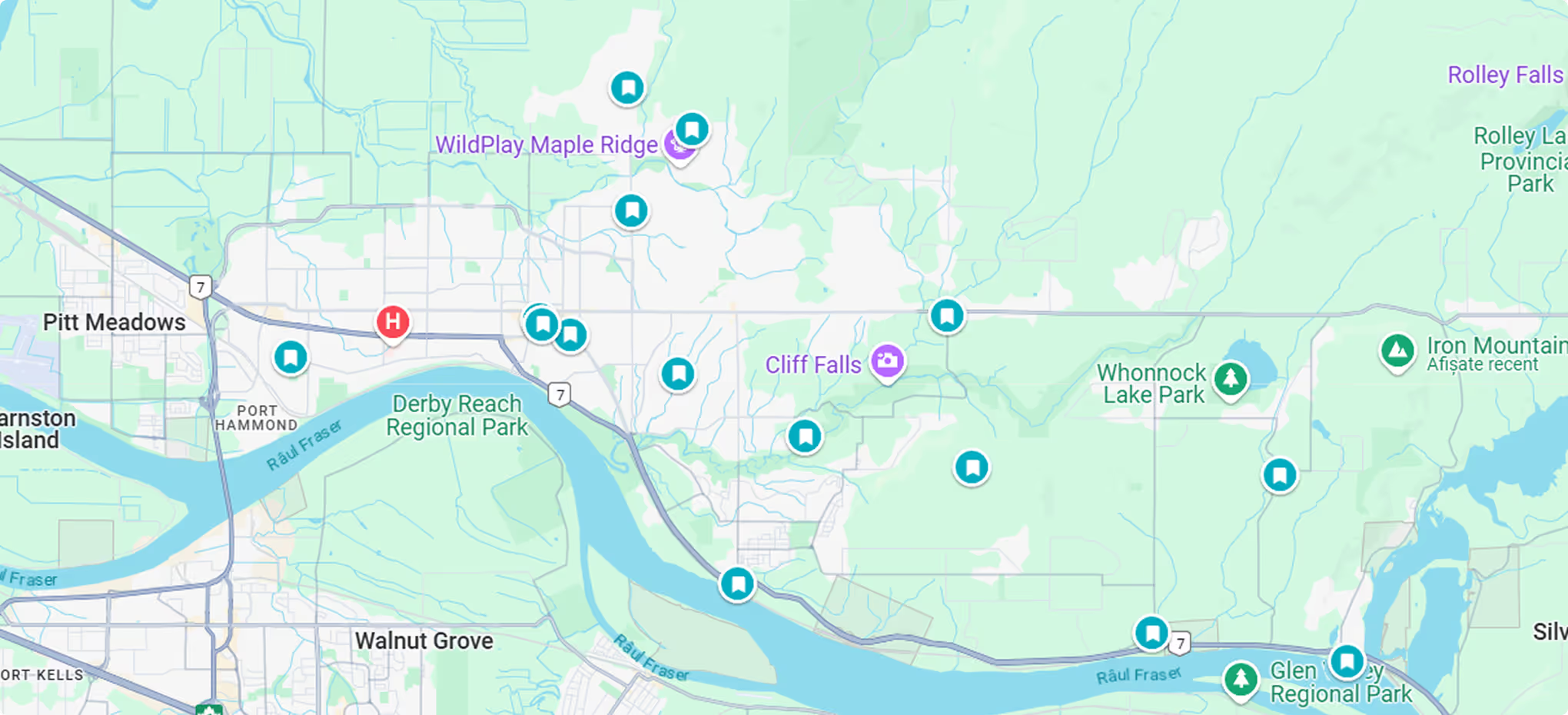
Indoor Air Quality in Walnut Grove, BC
Is Stale Air, Dust, or Persistent Humidity Impacting Your Home Comfort?
Is your home constantly dusty, or does the air feel heavy and stale no matter how much you clean? You might be experiencing the common signs of poor indoor air quality, which can aggravate allergies and reduce the efficiency of your heating and cooling systems. If you are ready to address these issues immediately, contact us to schedule an air quality assessment or discuss financing options for a whole-home solution.
Homeowners in Walnut Grove often underestimate the impact of indoor pollutants, but addressing them leads to immediate changes in your living environment. We provide comprehensive assessments and installation services designed to integrate seamlessly with your existing HVAC equipment.
- Rapid improvement in air purity levels through advanced filtration
- Significant reduction in allergens, mold spores, and household pollutants
- Enhanced overall comfort and healthiness of your indoor environment
All services are fully licensed, with flexible financing options available to fit your budget. Rep-Air Heating and Cooling specializes in diagnosing specific air composition issues and implementing targeted hardware solutions to resolve them.
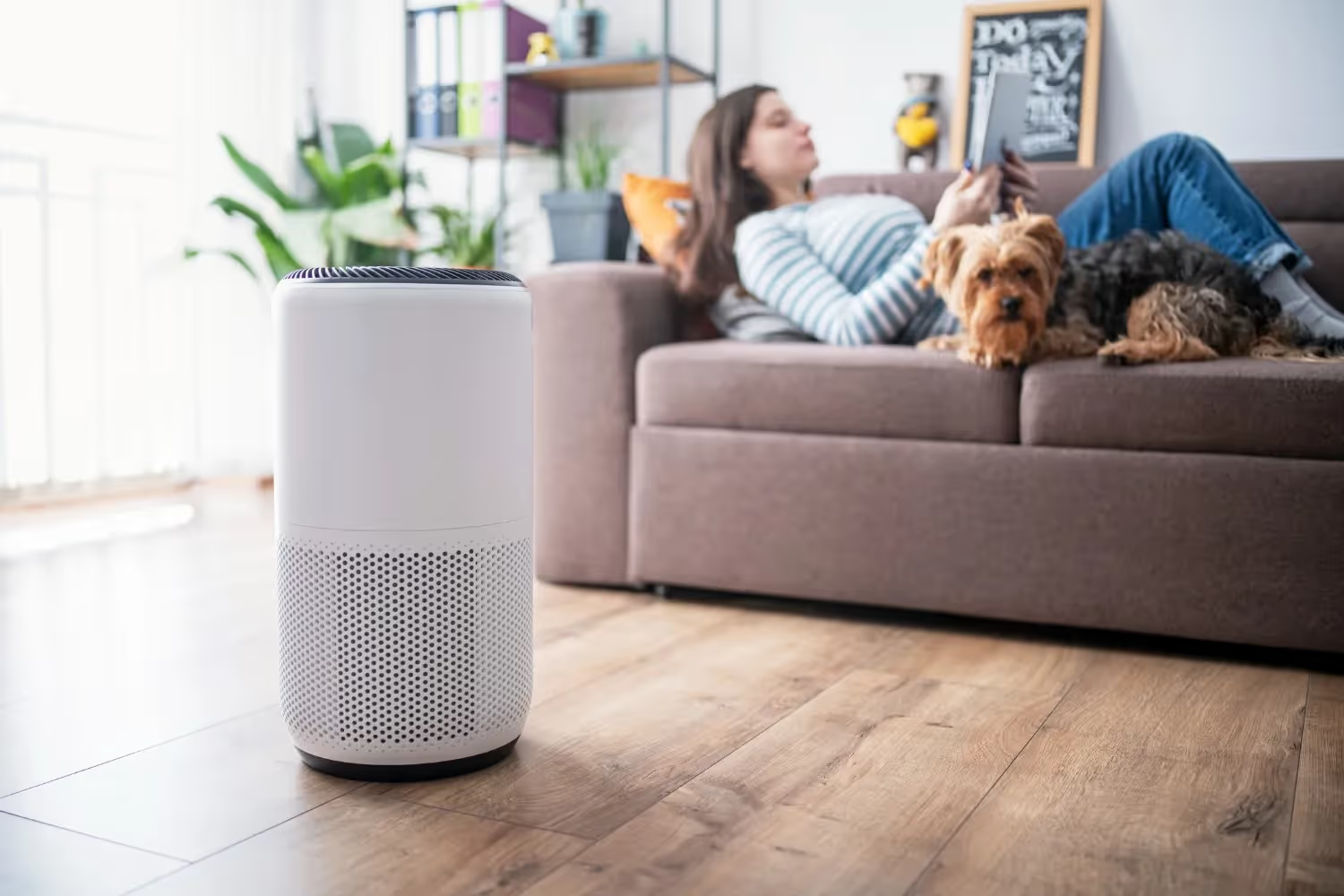
Comprehensive Indoor Air Quality Solutions for Your Home
Improving the air inside your home involves more than just changing a furnace filter. True indoor air quality (IAQ) management requires a multi-faceted approach that controls humidity, removes particulates, and neutralizes biological contaminants. When you request professional IAQ services, you receive a tailored strategy based on the specific architectural layout of your home and the capacity of your current HVAC system.
Whole-Home Air Purification Systems
Standard filters trap dust, but they often miss microscopic particles like viruses, bacteria, and smoke. Whole-home air purifiers are installed directly into your ductwork, treating 100% of the air flowing through your system.
- Media Air Cleaners: These high-efficiency units use dense media filters with high MERV ratings to trap significantly smaller particles than standard fiberglass filters. They create a physical barrier against pollen, pet dander, and fine dust.
- Electronic Air Cleaners: These systems use electrostatic energy to charge particles as they pass through, causing them to stick to collector plates like a magnet. This is effective for smoke and microscopic allergens.
- UV Light Purification: Ultraviolet germicidal lights are installed within the HVAC coil or ductwork. They do not trap dust; instead, they sterilize surfaces and the air stream, neutralizing mold spores, bacteria, and viruses before they can circulate.
Humidity Control Systems
In the damp climate typical of the Fraser Valley, humidity control is essential for preventing mold growth and maintaining structural integrity. Conversely, winter heating can dry out the air, leading to respiratory irritation and cracked wood furniture.
- Whole-Home Dehumidifiers: These units work in conjunction with your air conditioner to remove excess moisture without overcooling the home. They are vital for basements or homes with tight building envelopes that trap moisture.
- Bypass and Fan-Powered Humidifiers: During the heating season, these systems add precise amounts of moisture to the air. Proper humidity levels make the air feel warmer, allowing you to lower the thermostat while maintaining comfort.
Ventilation Solutions (HRV and ERV)
Modern homes are built airtight to conserve energy, but this traps stale air and pollutants inside. Mechanical ventilation is the solution.
- Heat Recovery Ventilators (HRV): These systems exchange stale indoor air for fresh outdoor air. Crucially, they transfer heat from the outgoing air to the incoming air, ensuring you get fresh air without losing valuable heat energy.
- Energy Recovery Ventilators (ERV): Similar to HRVs, these units transfer both heat and moisture. They are particularly useful in balancing humidity levels while providing continuous fresh air exchange.
The Installation and Assessment Process
Implementing the right air quality solution is a technical process that requires precise calculations and integration with your central heating and cooling system. The goal is to improve air standards without restricting airflow or placing undue strain on your furnace or air conditioner.
- Initial Air Quality Analysis: The process begins with a detailed evaluation of your current indoor environment. Technicians measure humidity levels, check for airflow restrictions, and identify specific pollutant sources such as pet dander, volatile organic compounds (VOCs), or mold prone areas.
- System Sizing and Selection: Based on the analysis, a specific set of equipment is recommended. This involves calculating the cubic feet per minute (CFM) requirements to ensure the chosen purifier or ventilator can cycle the home’s total air volume effectively.
- Integration with Ductwork: Installation involves cutting into the supply or return plenums of your existing HVAC system. For humidifiers and dehumidifiers, water lines and drainage solutions are plumbed in. For UV lights, precise placement near the evaporator coil is selected to maximize sterilization.
- Electrical and Control Setup: The equipment is hardwired into your HVAC electrical system. Smart thermostats or dedicated humidistats are installed or programmed to automate the operation, ensuring the IAQ equipment runs only when needed or in tandem with the blower fan.
- Final Testing and Airflow Verification: Once installed, the system is tested to ensure it does not create static pressure drops that could damage the furnace. Sensors are calibrated to ensure humidity and ventilation rates meet the desired setpoints.
When to Upgrade or Replace Air Quality Equipment
Indoor air quality systems are durable, but they are not indefinite. Technology advances, and components degrade. Knowing when to move from a repair strategy to a replacement strategy helps maintain a healthy home environment and prevents wasted energy.
Signs Your Current System is Failing
- Persistent Noise: If your ventilator or humidifier begins making grinding or buzzing noises, it often indicates motor failure or bearing issues. While motors can be replaced, the cost often approaches the price of a newer, more efficient unit.
- Mold Growth in Ducts: If you find mold returning despite having a UV system or dehumidifier, the existing unit may no longer be emitting the correct UV wavelength or removing adequate moisture. UV bulbs, for instance, lose potency long before they burn out completely.
- Inconsistent Humidity Levels: If a humidifier runs constantly but fails to reach the set percentage, the internal water panel or solenoid valve may be compromised, or the unit may be undersized for the home’s heating load.
Retrofitting vs. New Installation
- Age of Equipment: IAQ add-ons typically last 10 to 15 years. If your unit is approaching this age and requires a major repair, replacement is generally the more strictly economic choice due to improvements in energy efficiency.
- Renovations and Extensions: If you have added square footage to your home, your old air exchanger or humidifier may be undersized. A replacement is necessary to handle the increased air volume.
- Technological Advancements: Newer HEPA filtration systems and ERVs offer lower static pressure drops and quieter operation than models from a decade ago. Upgrading can improve the lifespan of your furnace by allowing it to "breathe" easier.
Navigating Local Climate and Regulatory Factors
Operating an HVAC system in Walnut Grove presents specific challenges due to the regional climate and local building codes. The specific combination of high rainfall and moderate temperatures creates an environment where biological growth is a primary concern.
Managing High Humidity and Mold Risks
The region experiences significant rainfall, particularly in the fall and winter months. This external moisture often migrates into crawl spaces and basements. Without active dehumidification or proper ventilation, this moisture becomes a breeding ground for mold and dust mites within the ductwork. Rep-Air Heating and Cooling technicians specifically configure systems to combat this "wet coast" effect, prioritizing moisture removal to protect both occupant health and the building structure.
Addressing Seasonal Allergens
Spring brings a high pollen count from the surrounding agricultural and forested areas. Standard 1-inch furnace filters are often insufficient to capture these fine particles. Upgrading to deep-pleat media cabinets allows for finer filtration (higher MERV rating) without choking the airflow, which is critical during the shoulder seasons when the system runs frequently.
Building Codes and Ventilation Standards
The BC Energy Step Code and local municipal regulations have strict requirements for mechanical ventilation in residential properties. Modern airtight construction mandates the use of HRVs or ERVs to ensure adequate air changes per hour (ACH). Compliance with these codes is not just about passing inspection; it is about preventing "sick building syndrome" where CO2 and off-gassing chemicals build up inside the home. Professional installation ensures that all venting meets local code requirements regarding intake/exhaust separation and duct insulation.
Utility Rebates and Incentives
Various provincial and utility-based rebate programs periodically offer incentives for upgrading to energy-efficient HVAC and ventilation systems. Installing high-efficiency HRVs or integrating smart thermostats that control IAQ equipment can sometimes qualify for these rebates. It is important to verify current eligibility requirements, which often mandate installation by a licensed contractor — view current promotions.
Why Professional Execution Matters
The effectiveness of any indoor air quality system is entirely dependent on proper installation. An expensive HEPA filter installed in a leaky duct system will fail to clean the air, just as an improperly calibrated humidifier can cause condensation damage to windows and walls.
- Airflow Balance: We ensure that adding filtration or ventilation does not disrupt the static pressure of your heating and cooling system. Improperly sized filters can suffocate a furnace, leading to heat exchanger failure.
- Leak-Free Integration: Cutting into ductwork requires precision to prevent air leaks. We seal all connections to ensure that only treated air enters the living space and that no energy is wasted.
- Correct Sensor Placement: Humidistats and sensors must be placed in the return air stream where they can get an accurate reading of the home’s average condition, rather than in a location that causes short-cycling.
By focusing on the technical integration of these systems, we ensure that your investment translates into tangible health benefits and improved comfort. Whether you are dealing with seasonal allergies, asthma triggers, or simply the desire for cleaner air, the solution lies in a professionally designed and installed system — join our maintenance plan for peace of mind.
Your home’s air quality is central to your health and comfort. If you are ready to eliminate indoor pollutants and breathe easier, trust Rep-Air Heating and Cooling to deliver the right solution.
Take control of your indoor environment today — contact us!
Protect Your Air With Professional IAQ Enhancements
Poor indoor air quality in Walnut Grove, BC, leads to more than just discomfort—it can impact your sleep, focus, and daily living. Rep-Air Heating and Cooling installs advanced air purification systems, high-efficiency filters, and balanced ventilation to correct air quality issues at the source. We assess the full system and offer improvements designed to deliver lasting, measurable results.
Choose IAQ Services That Improve Every Breath You Take Indoors
hear what our satisfied clients have to say
Neighbourhoods in the Fraser Valley