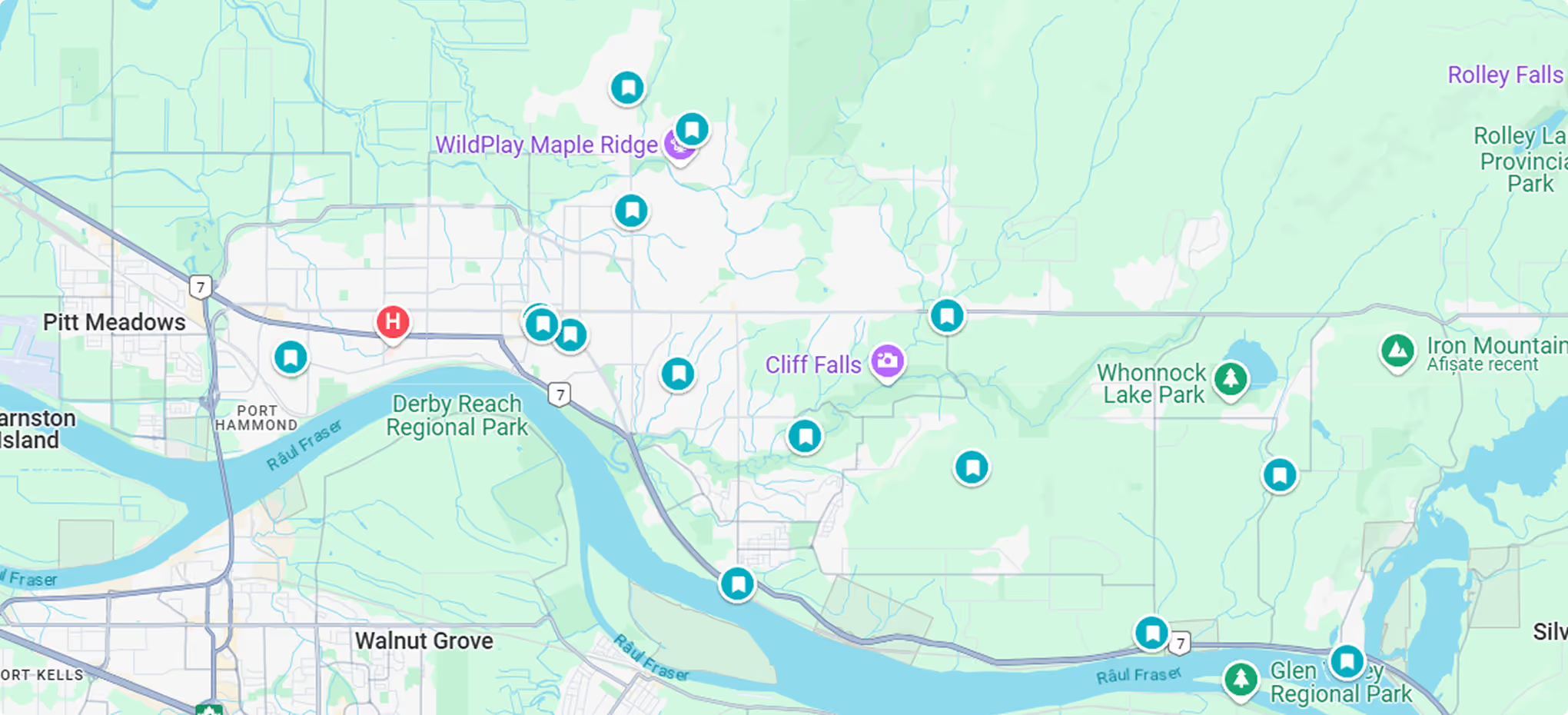
Indoor Air Quality in Whonnock, BC
Eliminate Indoor Pollutants and Restore Healthy Air Standards
Homeowners often underestimate the complexity of maintaining a safe breathing environment until health symptoms or structural issues arise. If you are noticing persistent stale odors, excess moisture on windows, or aggravated allergy symptoms while inside your property in Whonnock, professional intervention is required to correct the atmospheric balance. Contact us today to schedule a comprehensive air quality assessment and remediation plan.
Rep-Air Heating and Cooling understands that modern homes are built to be airtight for energy efficiency, which inadvertently traps pollutants, volatile organic compounds (VOCs), and moisture indoors. Without proper mechanical intervention, the air you breathe inside can be significantly more polluted than the air outside. Our certified technicians utilize advanced diagnostic tools to identify invisible threats and implement hospital-grade solutions tailored to your specific building envelope.
- Rapid resolution of air quality issues to prevent long-term respiratory strain and structural damage.
- Certified testing for specific pollutants, including mold spores, allergens, carbon dioxide, and carbon monoxide levels.
- Professional guidance and hardware installation to maintain optimal humidity and purity levels year-round.
All services backed by our comprehensive warranty and expert-certified team.
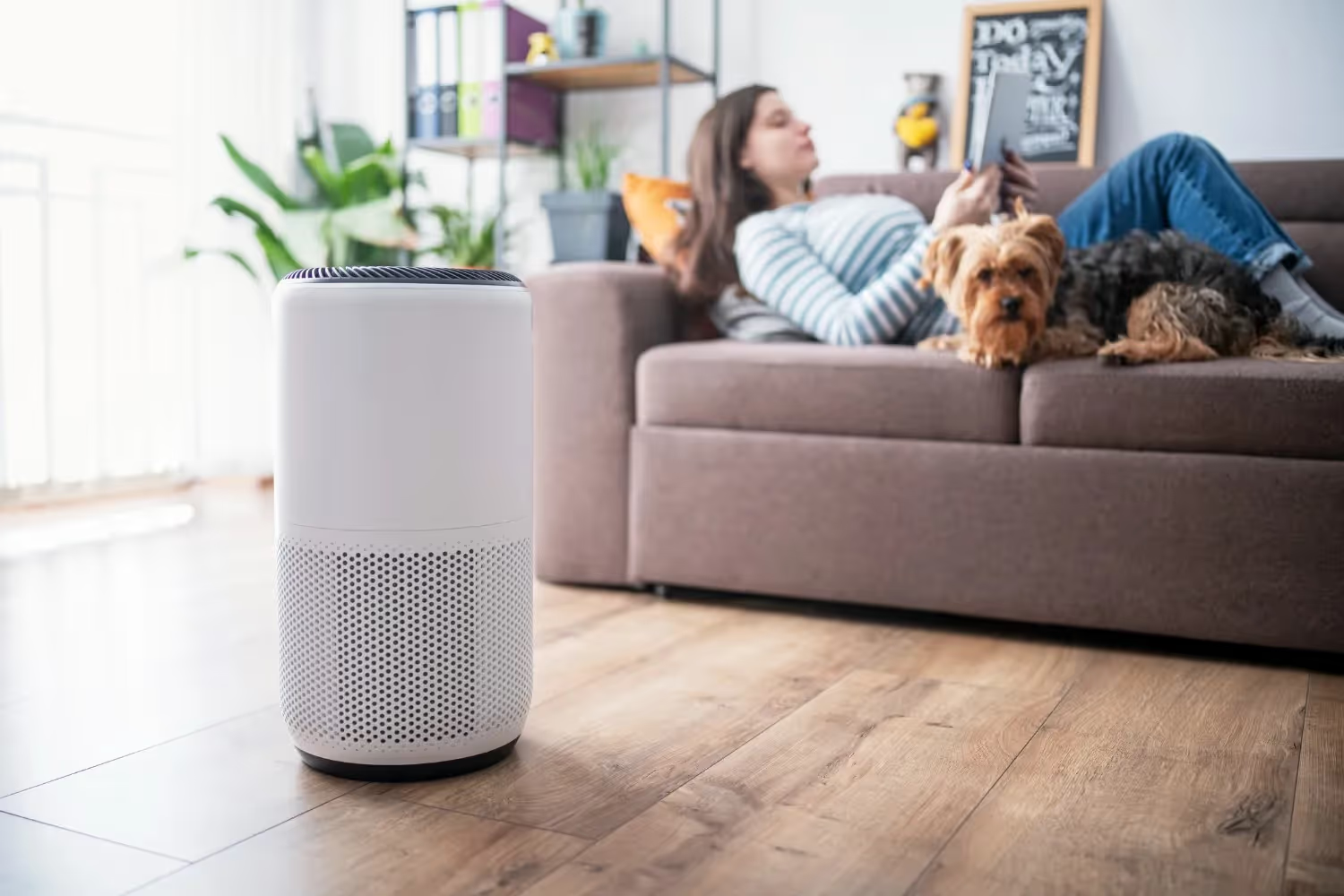
Comprehensive Indoor Air Quality Solutions
Achieving a healthy indoor environment requires a multi-layered approach that goes beyond standard furnace filters. True air quality management involves controlling humidity, exchanging stale air for fresh air without energy loss, and actively neutralizing biological contaminants. We provide a suite of integrated solutions designed to work with your existing HVAC infrastructure to deliver clinical-level air purity.
Whole-Home Filtration Systems
Standard filters are designed primarily to protect your furnace, not your lungs. High-efficiency whole-home filtration systems capture microscopic particles that bypass standard hardware.
- Removal of particulate matter down to 0.3 microns, including dust mites, pollen, and pet dander.
- Installation of media air cleaners with high surface areas to maximize airflow while trapping contaminants.
- Integration of HEPA-grade filtration units for households with severe asthma or compromised immune systems.
Ultraviolet (UV) Germicidal Irradiation
Biological contaminants thrive in the dark, damp environments of cooling coils and ductwork. UV purification systems are installed directly within the HVAC system to sterilize surfaces and the air stream.
- Neutralization of airborne bacteria, viruses, and mold spores as they pass through the central system.
- Prevention of organic buildup on HVAC coils, which improves energy efficiency and extends equipment lifespan.
- Continuous disinfection without the use of chemical sprays or ozone generation.
Heat and Energy Recovery Ventilation (HRV & ERV)
In tightly sealed homes, retaining heat is efficient, but it results in stale, oxygen-depleted air. Recovery ventilators mechanically exchange indoor air with fresh outdoor air while recovering the thermal energy, ensuring you do not lose heat in the winter or cool air in the summer.
- Continuous supply of fresh, filtered outdoor air to dilute indoor pollutants.
- Balanced air pressure within the home to prevent the back-drafting of combustion gases.
- Management of moisture levels entering the home, reducing the load on your dehumidification systems.
Humidity Control Systems
Improper humidity is a primary driver of poor air quality. Excess moisture breeds mold and dust mites, while overly dry air damages wood flooring and irritates respiratory tracts.
- Whole-home dehumidifiers to mechanically remove excess moisture during the wet seasons common in the Pacific Northwest.
- Steam and bypass humidifiers to introduce necessary moisture during heating cycles, preventing static electricity and dry skin.
- Automated hygrometer controls that adjust operation based on real-time indoor relative humidity readings.
The Assessment and Installation Process
Correcting indoor air quality is a precise science that requires accurate data before any hardware is recommended. We follow a strict protocol to ensure that the solutions implemented address the root cause of the contamination rather than masking the symptoms.
Diagnostic Phase
- The process begins with a thorough audit of the home’s ventilation and ductwork system.
- Technicians perform air sampling to detect elevated levels of VOCs, particulates, and biological growth.
- Humidity and temperature mapping identifies micro-climates within the home where moisture may be accumulating.
- Pressure testing determines if the home is under negative or positive pressure, which affects pollutant infiltration.
Solution Design and Proposal
- Based on the diagnostic data, a customized strategy is developed using specific equipment matched to the home’s square footage and furnace capacity.
- Determining the correct MERV rating for filtration to balance air purity with necessary airflow for the HVAC system.
- Selection of ventilation units (HRV vs. ERV) based on the specific occupancy levels and moisture loads of the household.
Installation and Integration
- Certified installers integrate the new components into the existing ductwork with airtight seals to prevent leakage.
- Electrical connections are hardwired to interlock with the central blower fan, ensuring air quality systems run whenever the air is circulating.
- Calibration of sensors and controls to ensure the system operates automatically without constant homeowner adjustment.
Verification and Handover
- Post-installation testing confirms that airflow remains within manufacturer specifications to prevent strain on heating and cooling equipment.
- Demonstration of system operation, including how to change high-capacity media filters and monitor humidity levels.
- Review of maintenance schedules required to keep warranties valid and performance optimal.
Recognizing When to Upgrade Your Air Quality Systems
Many homeowners rely on portable units or outdated ventilation strategies that are insufficient for modern living standards. There is a distinct difference between "moving air" and "cleaning air." Recognizing when your current setup is failing is critical for protecting the health of the occupants and the integrity of the building.
- Persistent Health Symptoms: If occupants experience relief from allergy or asthma symptoms when leaving the house, the home environment is likely the trigger. "Sick Building Syndrome" is a recognized condition where the accumulation of indoor pollutants causes chronic fatigue, headaches, and respiratory irritation. When basic cleaning does not resolve these issues, mechanical air purification is the necessary next step.
- Visible Mold and Condensation: The presence of condensation on the interior of windows or visible mold growth in corners and closets indicates a failure in humidity control and ventilation. Scrubbing surface mold is a temporary fix; if the airborne moisture source is not addressed via dehumidification or ventilation, the mold will return. This is a clear signal that the home requires a dedicated humidity management system.
- Lingering Odors and Stale Air: Cooking smells, pet odors, or a general musty scent that persists for hours indicates a lack of air exchange. In a healthy home, odors should dissipate relatively quickly through ventilation. If odors linger, the air inside is stagnant, allowing VOCs and other chemicals to accumulate to unsafe concentrations. This necessitates the installation of a Heat Recovery Ventilator (HRV) or Carbon-based filtration.
- Age and Efficiency of Current Equipment: Older HVAC systems were often not designed with air quality in mind. If your current system cannot accommodate a filter thick enough to capture small particles without choking the airflow, or if your bathroom fans are noisy and ineffective, it is time to upgrade to integrated, whole-home solutions. Modern systems are designed to run quietly and continuously at low energy usage to maintain constant air purity.
Managing Local Climate Factors in British Columbia
The specific climate conditions in the Fraser Valley region present unique challenges for indoor air quality. In Whonnock, the combination of high precipitation and localized vegetation creates a distinct biological load that homes must defend against.
Combatting High Precipitation and Mold Risk
The region experiences significant rainfall, particularly from late autumn through spring. This external moisture exerts constant vapor pressure on the home, attempting to penetrate the building envelope. Without robust dehumidification and ventilation, this moisture becomes trapped indoors, creating ideal conditions for mold and mildew. Standard air conditioning is often insufficient to handle the latent moisture load during shoulder seasons when the temperature is mild but humidity is high. Dedicated dehumidification is often required to keep indoor relative humidity below 50%, the threshold for inhibiting mold growth.
Wildfire Smoke and Seasonal Pollen
Summers have become increasingly characterized by periods of heavy wildfire smoke and intense pollen release from the surrounding forests. During these events, natural ventilation (opening windows) is not an option. Homes must rely on mechanical filtration to create a "clean room" environment.
- High-MERV filtration is essential to capture the fine particulate matter (PM2.5) found in wood smoke.
- Positive pressure ventilation strategies can help prevent unfiltered outdoor air from seeping in through cracks and crevices during smoke events.
Adherence to Building Codes and Certifications
Modifying ventilation and filtration systems requires adherence to local building codes and safety standards. Rep-Air Heating and Cooling ensures all installations meet the rigorous standards expected in the province.
- Compliance with ventilation capacity requirements based on bedroom count and square footage.
- Adherence to Red Seal standards for trade work, ensuring electrical and mechanical integrations are safe and code-compliant.
- Knowledge of local utility requirements and energy efficiency tiers.
Why Professional IAQ Management Matters
Investing in professional indoor air quality services is a decision that impacts the long-term livability of your home. While portable air purifiers offer localized relief, they cannot address the holistic atmosphere of a residence. A professionally installed, integrated system treats the air in every room simultaneously, treating the home as a single ecosystem.
- Long-Term Health Preservation: We spend the vast majority of our time indoors. By reducing the load of airborne irritants, homeowners often report better sleep quality, reduced reliance on allergy medication, and fewer respiratory infections. Protecting the lungs from chronic exposure to fine particulates and VOCs is a proactive health measure.
- Energy Efficiency and Equipment Protection: Clean air is easier to heat and cool. When dust and debris are removed from the airstream before they reach the HVAC equipment, the blower motor, heat exchanger, and cooling coils remain clean. This allows the system to operate at peak efficiency, lowering utility bills and preventing premature breakdowns caused by overheating or airflow restriction.
- Structural Integrity: Properly managed humidity and ventilation protect the house itself. By preventing excess moisture accumulation, you protect drywall, window frames, and structural wood from rot and water damage. Conversely, preventing overly dry air protects hardwood floors from cracking and gaps.
The quality of the air you breathe is non-negotiable. Do not wait for symptoms to worsen or for mold to take hold before taking action. Secure a comprehensive solution that addresses filtration, ventilation, and humidity control.
Ready to improve your home’s environment? Contact us today to book your indoor air quality consultation.
Clean Indoor Air Without The Guesswork
For many homeowners in Whonnock, BC, indoor air quality problems go undetected until symptoms show. Rep-Air Heating and Cooling solves this with detailed IAQ inspections that lead to practical fixes—like zone-based filtration, UV disinfection, or controlled ventilation. We don’t just install equipment; we ensure it’s the right fit for your lifestyle and square footage. Cleaner indoor air starts with clarity, not assumptions.
Book IAQ Testing That Leads To Clear, Actionable Solutions
hear what our satisfied clients have to say
Neighbourhoods in the Fraser Valley