AC Tune-Up in Forest Knolls, BC
When humidity rises or your AC starts underperforming, small maintenance issues can quickly become expensive repairs. Rep-Air Heating and Cooling provides detailed AC tune-up services in Forest Knolls, BC, helping homeowners safeguard reliability, efficiency, and indoor comfort. Regular professional care keeps your system clean, calibrated, and ready for peak use, avoiding sudden failures during hot weather. Our experienced technicians bring proven expertise and a commitment to precision, ensuring your tune-up is done right the first time. Book your preventive tune-up now to maintain lasting comfort and peace of mind.

AC Tune-Up in Forest Knolls, BC
Keeping your air conditioner in top condition matters in Forest Knolls, BC. With humid summers, occasional heat waves, and a coastal-influenced climate that can accelerate corrosion and condensate issues, a seasonal AC tune-up protects comfort, reduces energy use, and prevents mid-season breakdowns. This page explains exactly what a professional seasonal tune-up covers, common AC problems in Forest Knolls homes, the diagnostic tests technicians perform, typical minor repairs recommended during service, expected benefits, and how tune-ups fit into a regular maintenance plan.
Why a seasonal tune-up matters in Forest Knolls
Forest Knolls experiences relatively mild but humid summers and wet shoulder seasons. High humidity increases runtime and strain on systems, while damp air and coastal salts can cause finish and electrical component corrosion over time. A tune-up completed before the cooling season makes sure your system can meet peak demand reliably and run efficiently when you need it most.
Common AC issues in Forest Knolls homes
- Reduced cooling capacity or uneven cooling between rooms
- Short cycling (system turns on and off frequently)
- Weak airflow from vents due to clogged filters, dirty coils, or duct issues
- Water leaks or overflowing condensate drains because of blocked lines or drain pan problems
- Higher-than-normal energy bills from worn or inefficient components
- Noisy operation caused by failing motors, loose panels, or debris in the condenser
- Slowly developing refrigerant leaks that reduce efficiency and risk compressor damage
What an AC tune-up covers (inspection checklist)
A professional tune-up follows a systematic checklist to find and fix small problems before they become major failures. Typical inspection items include:
Visual safety inspection
Check panels, disconnects, and clearances for safety and corrosion
Inspect visible refrigerant lines and insulation
Indoor unit inspection and cleaning
Clean or inspect evaporator coil and fin condition
Clean blower assembly and check blower wheel balance
Replace or inspect air filter and recommend appropriate filter type
Outdoor condenser inspection and cleaning
Clean condenser coil and clear debris from around the unit
Inspect condenser fan blades and motor for wear or damage
Straighten fins and verify proper airflow
Refrigerant and system pressure check
Measure refrigerant pressures to confirm proper charge
Look for signs of leaks and advise repair steps if needed
Electrical and component inspection
Test capacitors, contactors, relays, and wiring connections
Measure motor start and run amps to identify stressed components
Condensate management
Clear condensate drain lines and trap; verify drain pan condition
Test condensate pump operation where applicable
Controls and thermostat
Calibrate thermostat and test system operation through full cooling cycle
Verify correct defrost and emergency settings for heat pump systems
System performance documentation
Record temperatures, pressures, voltages, and amps for comparison over time
Provide a written service summary and recommended actions
Performance testing and diagnostics
Beyond visual checks, technicians perform targeted performance tests to quantify system health:
- Static pressure and airflow checks to ensure adequate CFM and detect duct restrictions
- Delta-T measurement (temperature split between return and supply) to verify cooling efficiency
- Amp draw and voltage testing to detect electrical stress on motors and compressors
- Refrigerant leak detection using electronic probes or dye if pressures indicate a loss
- Compressor and capacitor testing to predict imminent failures before they occur
These measurements allow technicians to recommend only the repairs that will meaningfully improve reliability and efficiency.
Minor repairs commonly recommended during a tune-up
When issues are found, technicians typically recommend small, cost-effective repairs that restore performance and prevent larger failures:
- Replacing dirty filters or upgrading to higher-efficiency filters
- Replacing worn capacitors or contactors that show signs of stress
- Tightening or replacing loose electrical connections
- Clearing or flushing clogged condensate drains and replacing damaged drain lines
- Straightening fins and recharging refrigerant only when a verified leak has been fixed
- Lubricating motors and bearings to reduce noise and wear
- Securing or replacing failing fan blades or belts
Fixing these items during a tune-up reduces operating costs and lowers the chance of emergency repairs when temperatures peak.
Expected benefits of a seasonal tune-up
- Improved energy efficiency and lower operating costs through cleaner coils, correct refrigerant charge, and optimized airflow
- Increased system reliability and fewer emergency repairs during hot periods
- Extended equipment life by reducing motor and compressor stress
- Better comfort with more consistent temperatures and humidity control
- Reduced risk of water damage from cleared condensate drains
- Improved indoor air quality when filters and coils are cleaned or replaced
Estimated service time and what to expect during the visit
A full seasonal tune-up typically takes about 45 to 90 minutes for most residential split systems, depending on system size, accessibility, and any minor repairs completed during the visit. Expect a technician to:
- Perform safety checks and diagnostic tests
- Clean indoor and outdoor components as needed
- Run the system through a cooling cycle and document performance numbers
- Leave a clear service summary describing findings and recommended next steps
Technicians often note items that are safe to postpone, items that should be addressed soon, and items that require immediate attention.
How tune-ups fit into a maintenance plan
An annual tune-up is the foundation of a proactive maintenance plan. Typical plan features include:
- Scheduled seasonal tune-ups (usually spring for AC and fall for heating)
- Priority scheduling during peak seasons
- Regular reminders to replace filters and schedule service
- A service record history that helps track trends and budget for eventual replacement
- Bundled inspections for multi-system homes (AC and heat pump checks together)
Including AC tune-ups in a maintenance plan minimizes surprises, helps spread repair costs over time, and preserves home comfort year-round.
Seasonal timing and homeowner tips for Forest Knolls
- Best time for a tune-up: early spring, before hot, humid weather increases demand.
- Mid-season check: if humidity spikes or runtime increases significantly, a mid-season check can prevent issues.
- Homeowner checks between visits: change or inspect filters monthly during high-use months, keep outdoor units free of leaves and debris, and ensure vents are unobstructed.
- Watch for warning signs: strange noises, higher energy bills, uneven cooling, or water near the indoor unit are reasons to request a professional inspection.
Regular, seasonal AC tune-ups tailored for Forest Knolls conditions keep systems running efficiently, reduce risk of mid-summer failures, and protect indoor comfort.
hear what our satisfied clients have to say
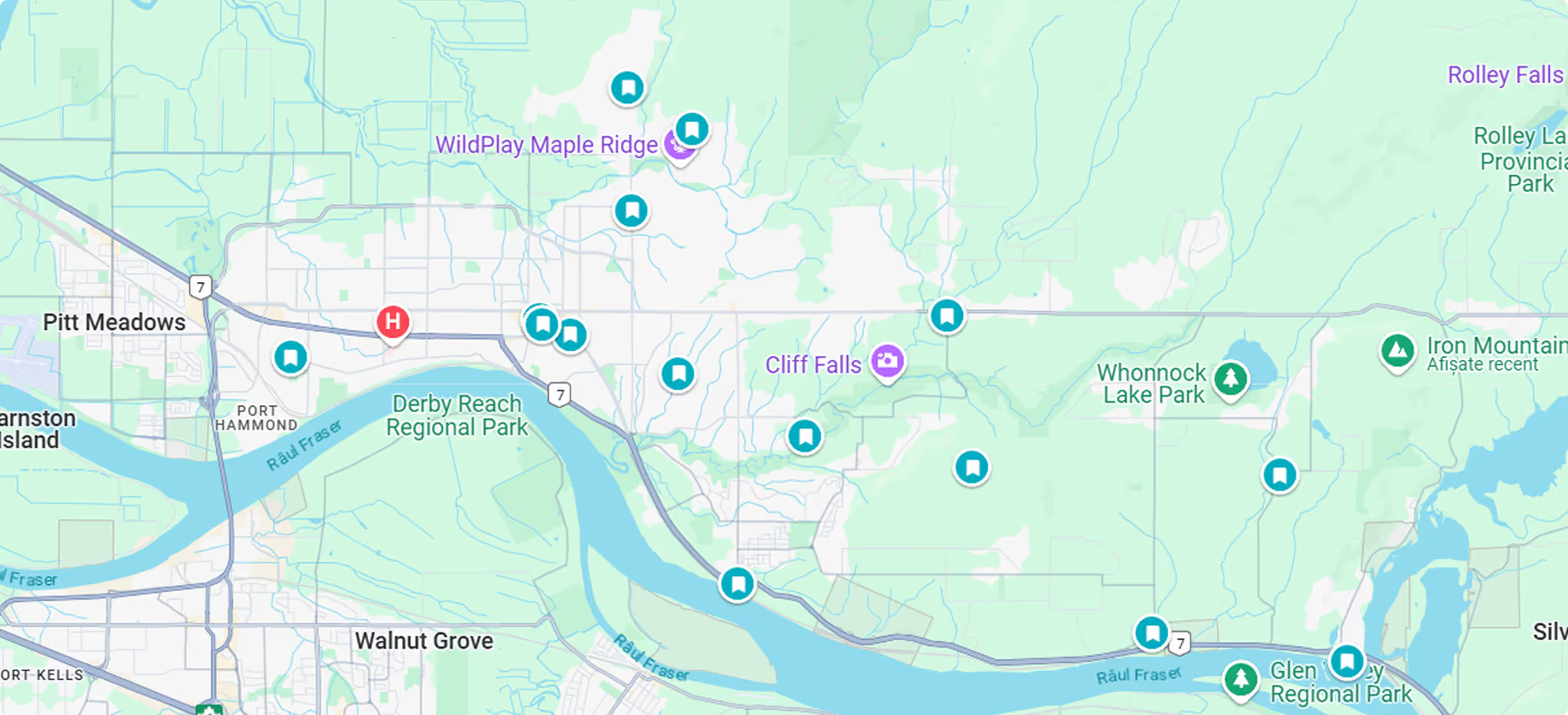
Neighbourhoods in the Fraser Valley