Air Conditioning in Bradner, BC
Is Your Cooling System Failing in the Heat?
Is your AC struggling to keep up with the high humidity and rising temperatures typical of Bradner summers? When your cooling system fails, you need immediate, expert help to restore safety and comfort to your home; contact us today to schedule a diagnostic or inquire about available financing options.
- Rapid same-day service ensures you are not left dealing with uncomfortable indoor temperatures.
- Full diagnostic assessments come with transparent pricing, ensuring no hidden fees or surprise costs.
- Energy-efficient solutions reduce your long-term utility costs and improve overall system performance.
All services from Rep-Air Heating and Cooling come with a comprehensive warranty and clear, upfront pricing to provide total peace of mind.
Today’s Services: Quick, Efficient, and Thorough
When an air conditioner breaks down in the middle of a heatwave, the priority is restoring functionality immediately. Residents in Bradner and the surrounding Fraser Valley Regional District often face specific cooling challenges due to the mix of high heat and significant humidity. A malfunctioning unit does not just fail to cool; it fails to dehumidify, leaving the indoor environment sticky and uncomfortable.
Service appointments focus on identifying the root cause of the failure rather than just treating the symptoms. Technicians arrive fully equipped to handle a wide range of mechanical and electrical issues. The goal is to complete repairs during the initial visit whenever possible. Common issues addressed during a standard service call include:
- Refrigerant Leak Detection and Repair: Low refrigerant levels often indicate a leak, which reduces cooling capacity and can damage the compressor. Technicians locate the leak, repair the line, and recharge the system to manufacturer specifications.
- Electrical Component Replacement: Capacitors, contactors, and fuses frequently fail due to wear and tear or voltage fluctuations. Replacing these small but critical parts often restores the unit to full operation immediately.
- Coil Cleaning and Defrosting: Dirty evaporator or condenser coils reduce heat transfer, causing the system to work harder and potentially freeze up. Professional cleaning restores efficiency.
- Thermostat Calibration: Sometimes the issue lies in the control system. Calibrating or replacing the thermostat ensures the unit cycles on and off correctly based on the actual room temperature.
- Drainage Clearance: High humidity leads to significant condensation. If the condensate drain line clogs, water can back up and trigger safety switches that shut down the unit. Clearing these lines prevents water damage and system lockouts.
Understanding Your AC Service: From Call to Comfort
Navigating a service call should be a transparent and logical process. Homeowners need to know exactly what is happening with their equipment and what steps are being taken to fix it. The approach is systematic, ensuring no component is overlooked during the diagnosis.
- Initial Assessment: Upon arrival, the technician performs a visual inspection of both the indoor and outdoor units. This involves checking for obvious signs of damage, oil stains indicating leaks, or debris blocking airflow.
- System Testing: Using advanced diagnostic tools, the technician measures voltage, amperage, and refrigerant pressures. These metrics provide a clear picture of the system's health and isolate the failing component.
- Detailed Explanation and Quote: Once the problem is identified, you receive a detailed explanation of the issue. You are presented with a clear quote for the repair, outlining the cost of parts and labour before any work begins.
- Execution of Repairs: With approval, the technician proceeds with the repair. This may involve brazing copper lines, replacing electrical motors, or flushing drainage systems.
- Performance Verification: After the repair is complete, the system is not just turned on; it is stress-tested. The technician measures the temperature split (the difference between air entering and leaving the unit) to confirm the system is cooling effectively.
- Site Cleanup: The workspace is left clean. Old parts, packaging, and debris are removed, leaving your home exactly as it was found, only cooler.
Deciding Between AC Repair or Replacement
One of the most difficult decisions for a homeowner is determining when to stop repairing an aging unit and invest in a replacement. While repairs are often the most immediate and cost-effective solution, there is a tipping point where a new system becomes the smarter financial choice — view current promotions today. In the Bradner area, where systems work hard to combat humidity, wear and tear can accelerate.
Making an informed decision involves evaluating three main factors: age, cost, and efficiency.
- The Age of the System: Most air conditioning units have a lifespan of 10 to 15 years. If your unit is approaching or has exceeded this age range, major components like the compressor are at higher risk of failure. Investing heavily in an old system often leads to diminishing returns.
- The 50% Rule: A general industry standard suggests that if the cost of the repair equals or exceeds 50% of the value of a new system, replacement is the better option. For example, replacing a compressor in a 12-year-old unit is rarely cost-effective compared to installing a modern unit with a new warranty.
- Refrigerant Type: Older systems often utilize R-22 refrigerant (Freon), which has been phased out due to environmental regulations. Repairing leaks in R-22 systems is becoming prohibitively expensive as supplies dwindle. Modern systems use R-410A or newer refrigerants, which are more efficient and environmentally friendly.
- Energy Efficiency Gains: Modern air conditioners have much higher SEER (Seasonal Energy Efficiency Ratio) ratings than units manufactured a decade ago. Upgrading can result in significant savings on monthly hydro bills, potentially offsetting the installation cost over time.
- Comfort Consistency: If the current unit struggles to maintain a consistent temperature, leaves hot spots in the house, or fails to remove humidity effectively, a new system designed with variable-speed technology can drastically improve indoor comfort.
Bradner-Specific AC Considerations: Permits and Seasonal Advice
Operating an air conditioning system in Bradner and the wider Fraser Valley requires attention to specific local factors. The climate and regulatory environment influence how systems should be installed and maintained to ensure longevity and compliance.
Handling High Humidity
While temperatures in the region are generally moderate compared to other parts of the interior, the humidity levels are consistently high. Air conditioning is not just about lowering the temperature; it is the primary method of dehumidification for many homes.
- Sizing Matters: An oversized unit will cool the air too quickly and shut off before it has removed enough moisture, leading to a "clammy" feeling indoors. Proper sizing ensures the unit runs long enough to dehumidify effectively.
- Drainage Management: The high moisture content in the air means the system generates a large volume of condensate water. Ensuring drain lines are routed correctly away from the foundation is critical to preventing water damage.
Permits and Regional Codes
Modifying or installing HVAC systems falls under specific building codes. In the Fraser Valley Regional District, ensuring work is compliant is non-negotiable for safety and insurance purposes.
- Permit Requirements: Major installations and replacements typically require permits to ensure the work meets safety standards. Professional providers handle the permitting process, ensuring the homeowner is not liable for non-compliant work.
- Electrical Standards: Older properties, particularly farmhouses common in the Bradner area, may have outdated electrical panels. Modern AC units require dedicated circuits with specific amperage. A professional assessment determines if an electrical upgrade is necessary to support the cooling equipment safely.
- Refrigerant Handling: Provincial regulations strictly govern the handling and disposal of refrigerants to protect the environment. Only certified technicians are legally allowed to handle these substances, ensuring no harmful gases are released into the atmosphere.
Seasonal Maintenance for Longevity
The transition from the wet spring to the dry, warm summer happens quickly. Preparing the system before the heat arrives prevents mid-season breakdowns.
- Spring Start-Up: Checking the system in late spring allows for repairs before technicians become fully booked during the first heatwave.
- Debris Removal: Winter storms often deposit leaves and branches into the outdoor unit. Clearing this debris is essential for proper airflow.
Why Professional HVAC Service Matters
Attempting DIY repairs on air conditioning systems poses significant risks. Unlike minor home maintenance, HVAC systems involve high-voltage electricity, high-pressure gases, and complex mechanical components. Professional service ensures that the job is done safely, correctly, and in compliance with all local regulations.
Rep-Air Heating and Cooling employs technicians who are rigorously trained to handle the complexities of modern cooling infrastructure.
Technical Expertise and Diagnostics
Modern AC units are sophisticated machines equipped with sensors and control boards. A professional uses specialized diagnostic equipment to read these electronic signals. Without this equipment, troubleshooting is merely guessing, which leads to unnecessary part replacements and unresolved issues.
Warranty Protection
Most equipment manufacturers require proof of professional maintenance and repair to honor warranties. DIY repairs or work performed by unlicensed individuals can void these warranties, leaving the homeowner responsible for the full cost of major component failures in the future.
Safety Protocols
Safety is paramount. Technicians follow strict protocols when handling electrical connections and refrigerants. This protects your home from electrical fires and ensures that your family is not exposed to chemical hazards.
Long-Term System Health
Professional service goes beyond the immediate fix. Technicians look for underlying issues that could cause future problems. Tightening loose connections, lubricating moving parts, and checking belt tension are standard parts of a professional service that extend the lifespan of the equipment.
Securing Your Home Comfort
A reliable air conditioning system is essential for navigating the humid summers of the Fraser Valley. Whether you are facing an emergency breakdown or considering an upgrade to a more efficient system, the focus should always be on quality, safety, and long-term performance. Ignoring minor issues can lead to catastrophic failures when you need cooling the most.
By choosing professional intervention, you ensure that your system operates at peak efficiency, keeping your energy bills manageable and your indoor environment comfortable. Rep-Air Heating and Cooling is dedicated to providing the expertise required to keep your home cool and safe throughout the season.
Don’t wait for the heat to become unbearable; schedule your service today and ensure your air conditioning is ready for whatever the weather brings.
hear what our satisfied clients have to say
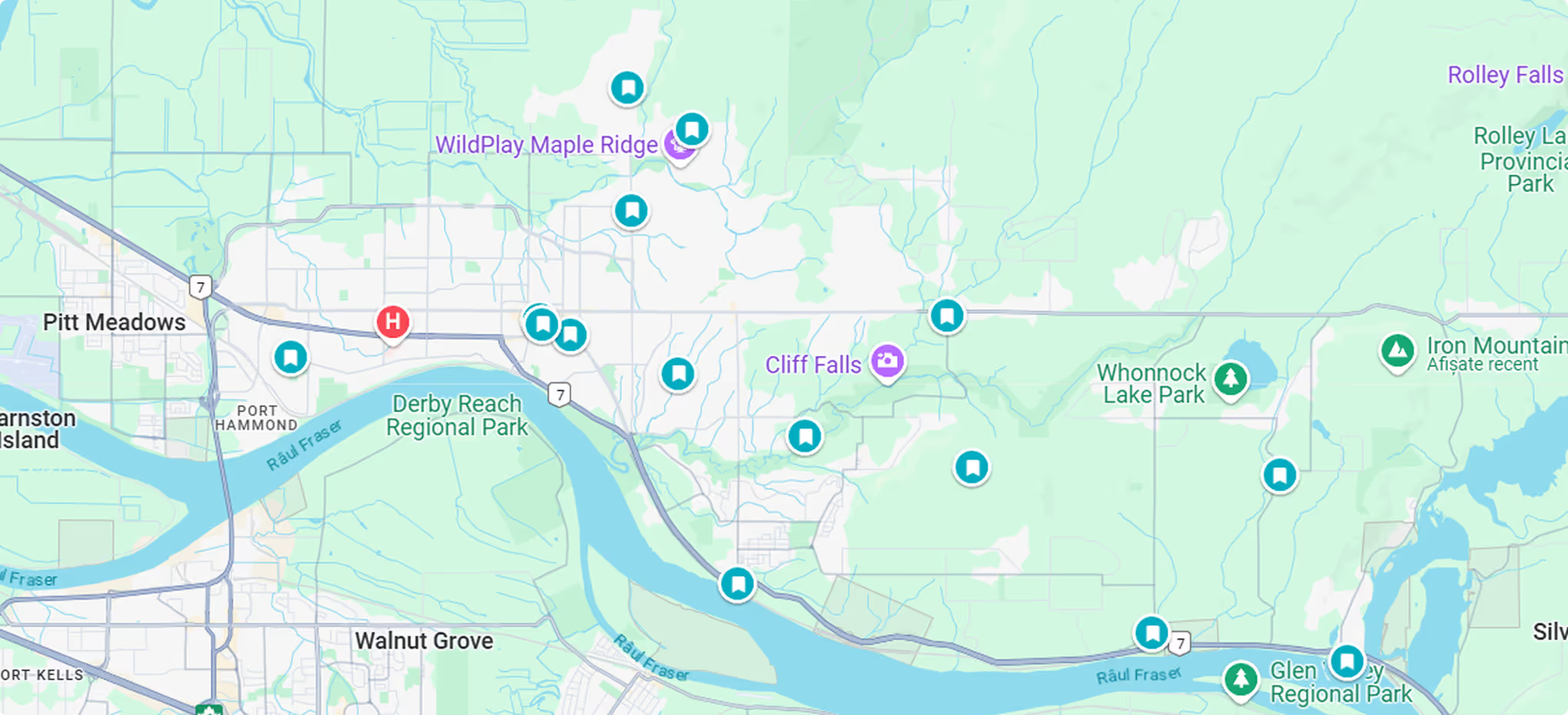
Neighbourhoods in the Fraser Valley