Air Conditioning in Fernridge, BC
Is Your Cooling System Failing to Combat the Summer Heat?
Your home should be a refuge from Fernridge’s warm, dry summers, not a stifling box where the temperature keeps rising despite the thermostat setting. If your air conditioner is short-cycling, blowing warm air, or failing to maintain a consistent temperature, you need a solution immediately rather than waiting for a breakdown during a heatwave—contact us today to discuss financing options or schedule a repair.
Homeowners frequently face the frustration of an underperforming system right when they need it most. We bridge the gap between discomfort and a perfectly cooled home through rapid response times and technical precision.
- Get priority scheduling and same-day service availability for urgent cooling failures.
- Experience transparent, upfront pricing structures with absolutely no hidden fees.
- Install high-efficiency systems designed to lower monthly utility bills and reduce energy consumption.
Backed by comprehensive labor warranties and flexible financing options to ensure your comfort never compromises your budget.
Comprehensive Cooling Solutions Available Today
When your cooling system falters, you need to know exactly what services are available to restore order to your home environment. In the Fernridge area, where summer temperatures frequently linger between 20°C and 25°C, a reliable AC unit is essential for sleeping comfortably and managing indoor humidity.
We provide a full spectrum of cooling services designed to address every stage of your equipment’s lifecycle. Whether you possess a central air conditioning unit integrated with a furnace or a ductless mini-split system for zoned cooling, the goal is uninterrupted performance.
Diagnostic and Repair Protocol
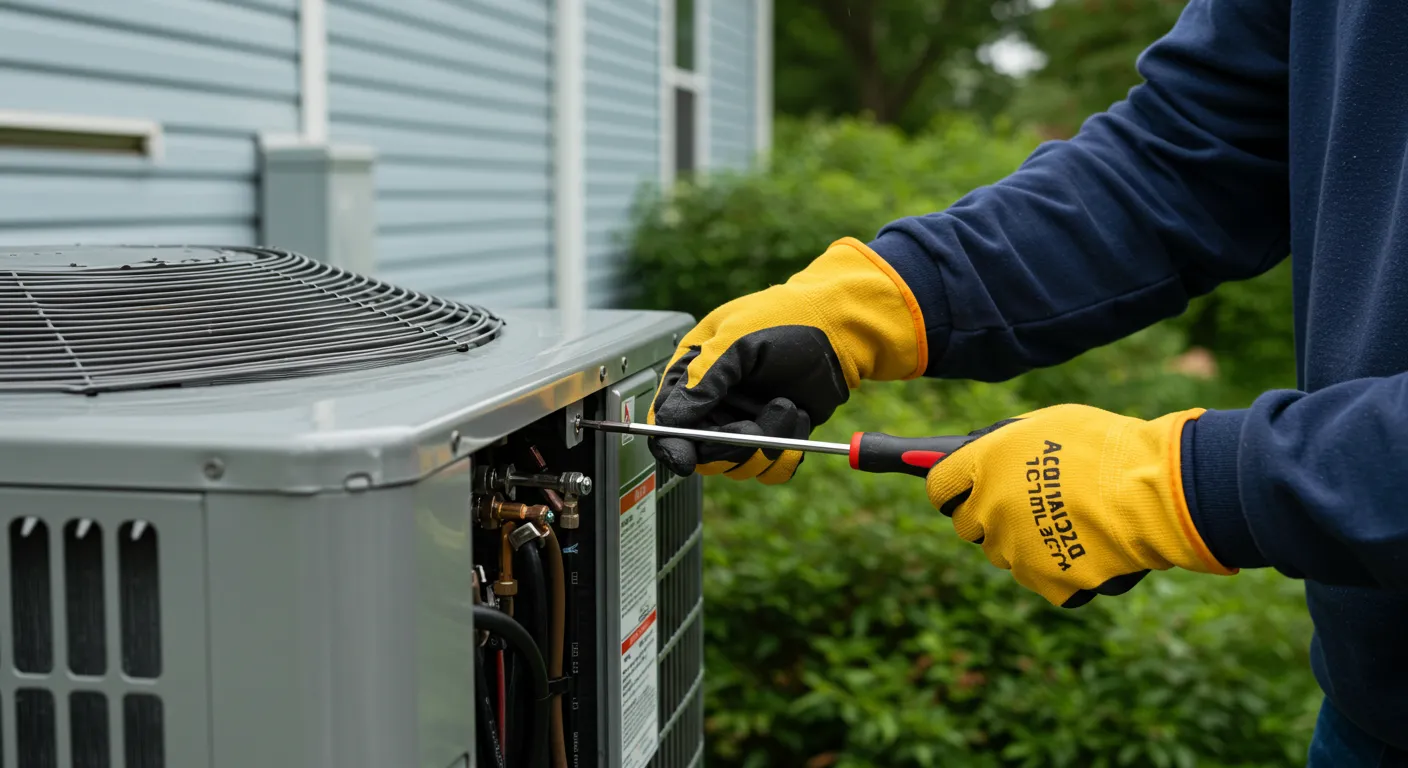
When a technician arrives at your property, the focus is on accurate root-cause analysis. Modern air conditioners are complex systems involving thermodynamics, high-voltage electricity, and airflow dynamics. A proper diagnostic visit includes:
- Testing refrigerant levels to identify leaks or under-charging.
- Inspecting the compressor and fan motor for amperage spikes or mechanical wear.
- Clearing condensate drain lines to prevent water damage and humidity issues.
- Calibrating thermostat controls to ensure the temperature reading matches the actual room climate — join our maintenance plan.
System Replacement and Retrofits
Sometimes a repair is not the most economical path. If you are upgrading from an older R-22 system or installing cooling in a home that previously relied solely on heating, the scope changes to installation. This includes calculating the cooling load required for your specific square footage and layout, ensuring that the new unit is neither undersized (which causes it to run constantly) nor oversized (which leads to uncomfortable humidity swings).
How the Installation and Replacement Process Works
Installing a new air conditioner is a major construction project within your home’s mechanical system. It requires adherence to safety codes, electrical standards, and manufacturer specifications. We have streamlined this process to minimize disruption to your daily routine while ensuring the highest quality of workmanship.
- Site Assessment and Load Calculation: The process begins with a Manual J load calculation. This technical assessment considers the square footage of your home, the quality of your insulation, the number of windows, and the direction your home faces. This data dictates the exact tonnage required for efficient cooling.
- Selection of Equipment: Based on the load calculation, we help you select a unit with the appropriate SEER (Seasonal Energy Efficiency Ratio) rating. Higher SEER ratings generally correlate with lower electricity usage. We also determine whether a standard single-stage compressor or a more advanced variable-speed compressor is best for your comfort needs.
- Removal of Existing Equipment: If this is a replacement, the old unit must be disconnected. This involves safely recovering the existing refrigerant according to environmental regulations, disconnecting high-voltage wiring, and removing the outdoor condenser and indoor evaporator coil.
- Installation of New Components: The new evaporator coil is installed within your plenum (air handler), and the outdoor condenser is leveled on a new pad or bracket. Refrigerant lines are brazed (welded) together to create a sealed system. We also install a filter drier to remove moisture from the lines.
- Pressure Testing and Charging: Before the system is turned on, the lines are pressure-tested with nitrogen to ensure there are no leaks. A vacuum pump then removes air and moisture from the lines. Finally, the system is charged with the precise amount of refrigerant specified by the manufacturer.
- Final Commissioning: The system is powered on, and technicians measure airflow, temperature drop (the difference in temperature between air entering and leaving the system), and amp draw. This verifies the unit is operating at peak efficiency.
Deciding Between Repair and Replacement
One of the most difficult decisions homeowners face is whether to invest in repairing an aging unit or to bite the bullet and replace it. While Rep-Air Heating and Cooling is fully equipped to handle both, making the right financial decision requires looking at data rather than guessing.
The $5,000 Rule
A common industry standard for making this decision is the "$5,000 Rule." Multiply the age of your equipment by the estimated cost of the repair. If the total exceeds $5,000, replacement is generally the smarter financial move. For example, if you have a 12-year-old unit and the repair is $500, the total is $6,000 ($500 x 12). In this case, money spent on repair is likely wasted on a dying system.
Frequency of Breakdowns
If you have required repairs more than once in the last two years, the system is becoming unreliable. Frequent breakdowns indicate that major components are reaching the end of their service life. Continuing to repair a "lemon" often costs more in the long run than the monthly payments on a new, warranted system.
Energy Efficiency Considerations
Air conditioning technology has advanced significantly in the last decade. Older units often have SEER ratings of 10 or 12. Modern standards and high-efficiency units can reach SEER ratings of 20 or higher. By replacing a 15-year-old unit, you could potentially reduce your cooling energy consumption by 30% to 50%, which offsets a portion of the installation cost over time.
Refrigerant Type
Older systems utilize R-22 (Freon), which has been phased out due to environmental regulations. As supply dwindles, the cost of R-22 has skyrocketed. If your older unit has a refrigerant leak, topping it off is prohibitively expensive. Modern systems use R-410A or newer eco-friendly alternatives, making them cheaper to service in the future.
Local Considerations for British Columbia Homeowners
Operating an air conditioner in the Fraser Valley region requires specific attention to local regulations, climate patterns, and utility incentives. Understanding these factors ensures your installation is legal, safe, and financially optimized.
- Permitting and Code Compliance: In British Columbia, mechanical installations often require permits to ensure safety standards are met. This is crucial for insurance purposes and future home resale. Professional installation always includes handling the necessary paperwork with the local municipality to ensure the job passes inspection.
- Electrical Requirements: Many older homes in the area may have 100-amp electrical panels. Modern air conditioning systems, especially heat pumps, may require a dedicated circuit. We assess your electrical panel’s capacity to ensure it can handle the additional load without tripping breakers or creating fire hazards.
- Rebates and Incentives: British Columbia offers various rebate programs, such as CleanBC Better Homes and BC Hydro incentives, particularly for high-efficiency heat pumps that provide both heating and cooling. Navigating these rebates requires specific documentation and the use of approved equipment lists. We ensure your selected equipment qualifies for available rebates to maximize your savings.
- Humidity Management: While the summers are generally dry, the transition months in Fernridge can be damp. A properly sized air conditioner acts as a dehumidifier. If a unit is oversized, it cools the room too quickly and shuts off before it has removed the moisture from the air, leaving the home feeling cold and clammy. Correct sizing is vital for specific local climate control.
Why Technical Certification Matters
The difference between a system that lasts 10 years and one that lasts 20 years is often the quality of the installation. HVAC equipment is not "plug-and-play." It is a field-assembled product. The manufacturer builds the box, but the contractor builds the system connecting it to your home.
We prioritize technical excellence. This means employing technicians who are trained in the latest diagnostic tools and installation practices. From properly brazing copper lines to prevent future leaks to accurately setting airflow using manometers, the technical details determine the longevity of your investment.
Furthermore, we believe in standing behind our work. Manufacturer warranties cover the parts, but labor warranties cover the workmanship. We provide robust guarantees that protect you from defects in installation, ensuring that if an issue arises due to our work, it is resolved at no cost to you.
Secure Your Comfort Today
Waiting until the peak of summer to address cooling issues often leads to longer wait times and higher stress. Whether you require an emergency repair to restore comfort or are planning a full system replacement to improve energy efficiency, the right time to act is now.
Your home requires a cooling system that is reliable, efficient, and installed to meet the specific demands of the Fernridge climate. Do not settle for fluctuating temperatures or noisy, inefficient equipment. Take control of your indoor environment.
Contact Rep-Air Heating and Cooling today to schedule your service or consultation.
hear what our satisfied clients have to say
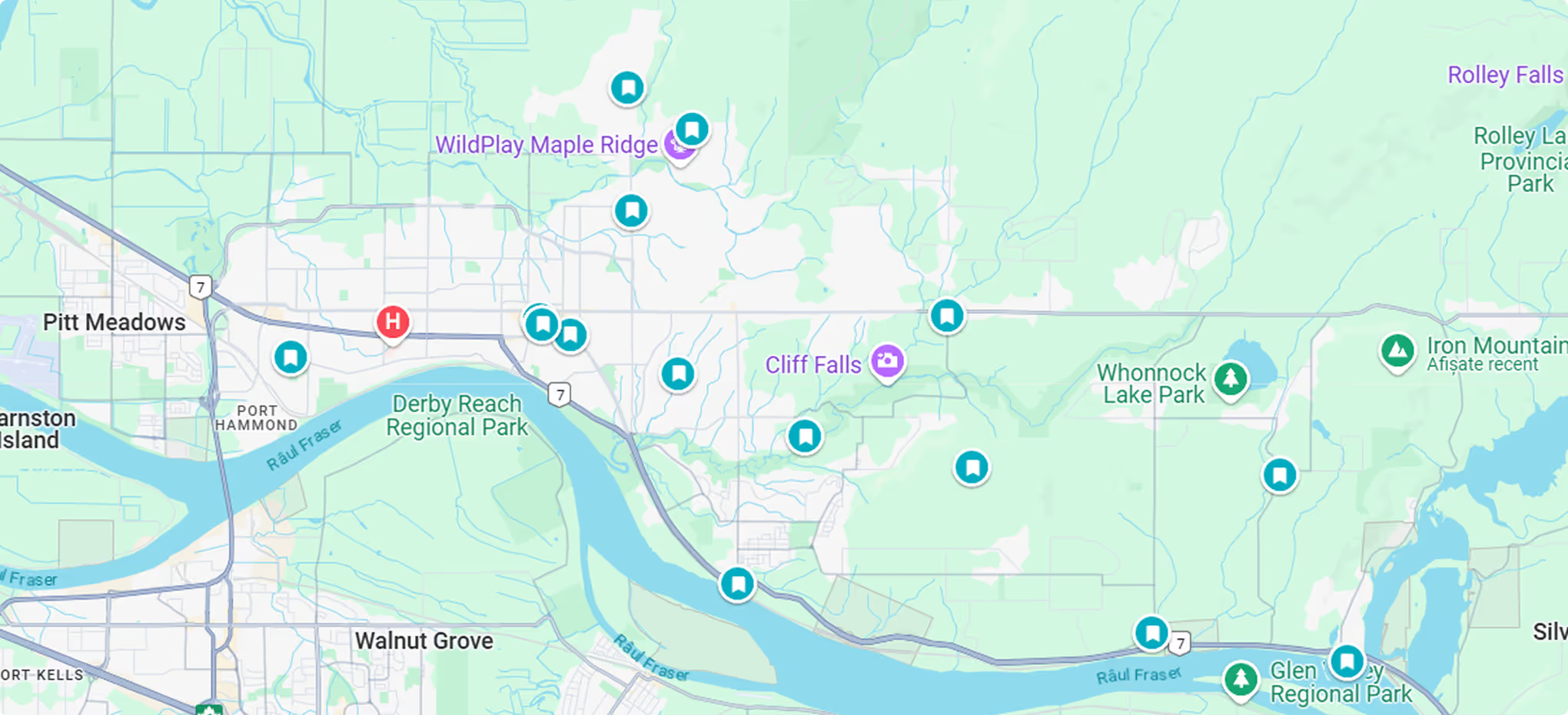
Neighbourhoods in the Fraser Valley