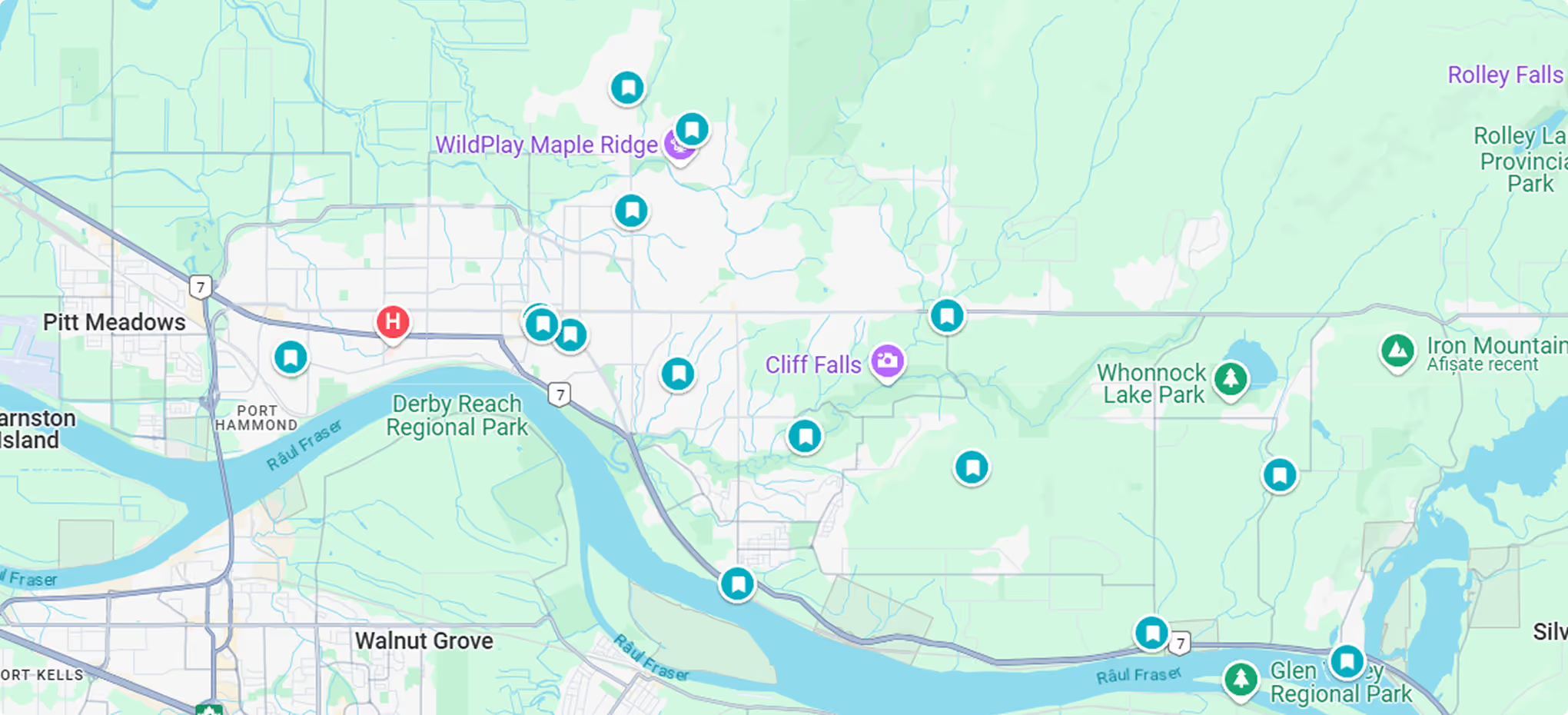
Air Conditioning in Hammond, BC
Is your air conditioning struggling to keep up with the summer heat or suddenly stopped working? You're not alone, and immediate help is available. Contact us immediately to schedule a dispatch or discuss available financing.
Homeowners in Hammond often face the frustration of a cooling system that fails right when the temperature spikes. Whether it is a total system breakdown, weak airflow, or strange noises emitting from the unit, these issues disrupt your comfort and safety. Rep-Air Heating and Cooling provides professional diagnostics and resolution to restore your indoor climate control without delay.
- Rapid response teams available 24/7 for all emergency repairs.
- Efficient and lasting solutions with industry-leading warranties.
- Streamlined installation process, ensuring minimal disruption to your day.
All installations are fully certified and insured, with flexible financing options to meet your budget.
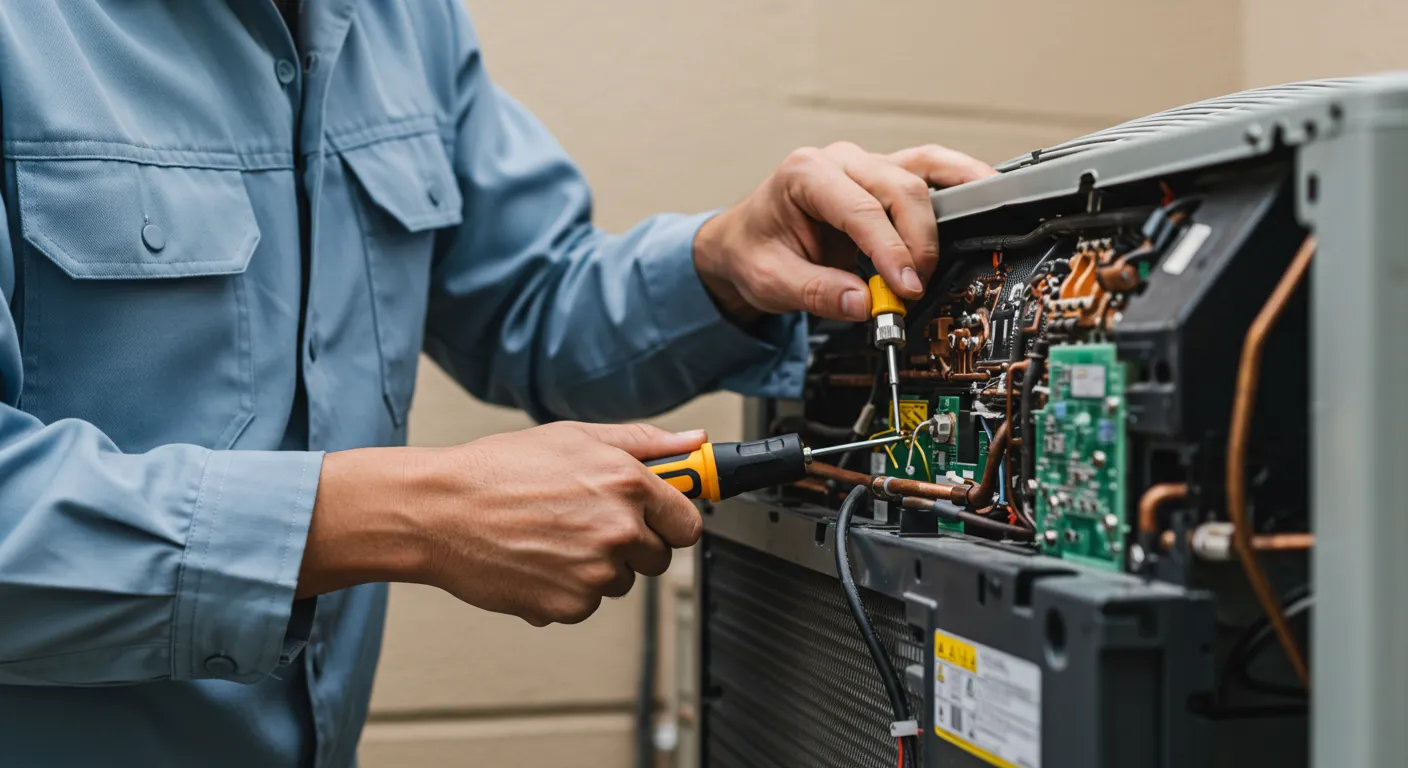
Immediate Diagnostics and System Restoration
When an air conditioning system fails, the priority is identifying the root cause accurately to prevent recurring issues. Modern cooling systems are complex networks of electrical components, refrigerants, and mechanical parts. A surface-level fix often misses underlying problems that lead to future breakdowns. Professional service begins with a comprehensive load calculation and diagnostic check to determine why the system is underperforming.
Technicians arrive equipped to handle a wide variety of mechanical failures on the spot. This includes addressing frozen evaporator coils, which block airflow and strain the compressor, as well as replacing failed capacitors that prevent the unit from starting. Issues with the thermostat or sensor calibration are also common, leading to short-cycling where the unit turns on and off too frequently without reaching the desired temperature. By isolating the specific electrical or mechanical fault, technicians ensure that the repair restores full efficiency rather than just temporarily patching the problem.
Service encompasses a thorough inspection of the following components:
- Refrigerant levels are checked to detect leaks that compromise cooling power and damage the environment.
- Electrical connections are tightened and inspected for corrosion or wear that could cause safety hazards.
- Condenser coils are cleaned to ensure heat is effectively released from the system.
- Blower motors and fans are lubricated and tested for proper rotation and speed.
- Drainage lines are cleared to prevent water damage and humidity buildup inside the home.
Understanding the Installation and Replacement Workflow
Replacing a central air conditioner or installing a new system is a significant investment in your home’s infrastructure. The process is designed to be rigorous and technically precise to guarantee the longevity of the equipment. It moves beyond simply swapping out a box; it involves integrating a high-performance machine with your home’s existing ductwork and electrical capacity.
The installation process follows a strict protocol to ensure compliance and performance — view our gallery.
- Site Assessment and Sizing: First, technicians perform a Manual J load calculation. This determines the exact cooling requirements of your specific floor plan, taking into account square footage, insulation levels, window placement, and sun exposure. An oversized unit will short-cycle and leave the air humid, while an undersized unit will run continuously without cooling the space.
- System Selection: Based on the assessment, you receive options for units that match your efficiency goals (SEER ratings) and budget. This includes discussing heat pumps versus traditional central air units.
- Safe Removal: If replacing an old unit, the existing equipment is disconnected. Technicians handle the recovery of old refrigerant according to environmental regulations to prevent atmospheric venting.
- Ductwork and Site Preparation: The installation team inspects existing ductwork for leaks or obstructions. Modifications may be made to the plenum or transition pieces to ensure airtight connections with the new unit. A solid, level pad is prepared for the outdoor condenser to minimize vibration and noise.
- Installation and Brazing: The new indoor coil and outdoor condenser are set in place. Copper refrigerant lines are connected using high-heat brazing techniques to create sealed, leak-proof joints.
- Vacuum and Charge: Once connected, a vacuum pump removes all moisture and air from the lines. The system is then charged with the precise amount of manufacturer-specified refrigerant.
- Final Testing: The system is powered on and tested across all operational modes. Technicians verify airflow, temperature differential (delta T), and thermostat responsiveness before marking the job complete.
Deciding When to Repair and When to Upgrade
Determining whether to invest in a repair or commit to a full system replacement is a common dilemma for homeowners. Making the right choice depends on a combination of the system's age, the cost of current repairs, and long-term energy efficiency goals. While a quick repair might seem cheaper upfront, an aging system can become a money pit due to frequent breakdowns and high energy consumption.
Evaluate the following factors to make an informed decision:
- The Age of the Unit: Most air conditioning systems have a lifespan of 10 to 15 years. If your unit is approaching or exceeding this age range, major components like the compressor are likely nearing the end of their operational life.
- The 50% Rule: Industry experts suggest that if the cost of the repair exceeds 50% of the value of a new system, replacement is the more creating financial option. This is particularly true if the unit is out of warranty.
- Refrigerant Type: Older units utilize R-22 (Freon), which has been phased out due to environmental regulations. If your older system has a refrigerant leak, the cost to recharge it is exorbitant compared to modern R-410A or newer refrigerant systems.
- Energy Bills: If your utility bills have been steadily climbing despite normal usage, the system has likely lost efficiency. Modern units with higher SEER (Seasonal Energy Efficiency Ratio) ratings can significantly reduce monthly electrical costs.
- Comfort and Noise: Persistent humidity issues, uneven cooling across different rooms, or excessive noise during operation indicate that the system is no longer capable of meeting the home's demands.
Navigating Local Climate and Regulatory Requirements
Operating an air conditioning system in Hammond requires specific attention to the local climate and regulatory environment. The region experiences mild, wet winters and warm, dry summers. While the heat is not tropical, the lack of humidity in the summer can sometimes mask how hard a unit is working. Conversely, during the shoulder seasons, humidity control becomes vital to prevent mold growth within the home.
Installation and major repairs in this area must adhere to provincial building codes and safety standards. This includes obtaining the necessary permits for electrical work and ensuring that any gas-related components (if part of a hybrid system) are handled by certified gas fitters.
Key local considerations include:
- Rebate Programs: Homeowners in British Columbia frequently have access to rebates through BC Hydro or the CleanBC Better Homes program. These incentives are often tied to installing high-efficiency heat pumps or upgrading from fossil fuel heating to electric cooling systems. Checking eligibility for these programs can offset installation costs.
- Humidity Management: Even in drier summers, proper drainage is essential. Technicians ensure condensate drains are routed correctly to avoid water pooling near the foundation, which is critical given the region's high rainfall in other seasons.
- Electrical Capacity: Many older homes in the area may require an electrical panel upgrade to support modern, high-output air conditioning systems. Rep-Air Heating and Cooling technicians assess the main panel to ensure it can handle the startup amperage of the new condenser without tripping breakers.
The Importance of Professional Maintenance Plans
Regular maintenance is the only way to protect the manufacturer’s warranty and ensure the system operates at peak efficiency. Manufacturers typically require proof of annual maintenance to honor warranty claims on parts like compressors and coils. Without this documentation, a homeowner may be liable for expensive replacement parts even if the unit is relatively new.
Professional maintenance goes beyond changing a filter. It involves a deep clean of internal components that homeowners cannot access. Over time, dust and debris build up on the condenser coils, acting as an insulating layer that prevents heat from escaping. This forces the system to run longer to cool the house, increasing wear and tear.
A standard maintenance visit includes:
- Checking the thermostat settings to ensure the cooling system keeps you comfortable when you are home and saves energy when you are away.
- Tightening all electrical connections and measuring voltage and current on motors. Faulty electrical connections can cause unsafe operation and reduce the life of major components.
- Lubricating all moving parts. Parts that lack lubrication cause friction in motors and increase the amount of electricity you use.
- Inspecting the condensate drain in your central air conditioner, furnace, and/or heat pump (when in cooling mode). A plugged drain can cause water damage in the house and affect indoor humidity levels.
- Checking controls of the system to ensure proper and safe operation. Check the starting cycle of the equipment to assure the system starts, operates, and shuts off properly.
Technical Components and Efficiency Ratings
Understanding the technical specifications of your cooling system helps in selecting the right unit for your needs. The efficiency of an air conditioner is measured by its SEER2 rating. The higher the rating, the less energy the unit uses to provide the same amount of cooling. In Canada, minimum efficiency standards ensure that new installations meet a baseline of performance, but investing in higher-tier units often yields a return on investment through energy savings within a few years.
Modern systems also feature variable-speed motors and two-stage compressors. Unlike traditional single-stage units that run at full blast until the thermostat is satisfied, variable-speed units can adjust their output to match the cooling demand. This results in quieter operation, better humidity control, and more consistent indoor temperatures without the drastic swings associated with older technology.
Critical technical elements include:
- Thermal Expansion Valves (TXV): These devices precisely control the flow of refrigerant into the evaporator coil, optimizing efficiency across different temperature conditions.
- Scroll Compressors: Modern units use scroll compressors which have fewer moving parts than traditional reciprocating compressors, making them more reliable and quieter.
- Filter Driers: These are installed in the refrigerant line to absorb moisture and trap debris, protecting the compressor from damage.
Why Professional Service Matters
Attempting DIY repairs on air conditioning systems poses significant safety risks and often leads to more expensive damage. Air conditioners operate with high-voltage electricity and pressurized refrigerants. improper handling can result in electrical shock, chemical burns, or severe damage to the unit’s compressor. Furthermore, improper refrigerant handling is a violation of environmental laws.
Professional technicians are trained to adhere to strict safety protocols and industry best practices. They carry the necessary certifications to handle refrigerants safely and are equipped with specialized tools for leak detection and pressure testing. When you hire a professional, you are paying for the assurance that the job is done right the first time, minimizing the risk of sudden failure during a heatwave.
Key differentiators of professional service include:
- Access to OEM (Original Equipment Manufacturer) parts that ensure compatibility and performance.
- Detailed documentation of all work performed, which is vital for warranty retention and future resale value of the home.
- Compliance with all local noise bylaws regarding the placement and operation of outdoor condenser units.
- Comprehensive post-installation testing to verify that airflow is balanced across all rooms in the house.
Choosing a certified provider ensures that your home remains cool and comfortable regardless of the outside temperature. Whether you require an emergency repair to get through a heatwave or a full system replacement to improve energy efficiency, expert assistance provides peace of mind and long-term reliability.
For dependable air conditioning services in Hammond, rely on the expertise of Rep-Air Heating and Cooling. Our team is ready to restore your comfort with speed and precision. Contact Us Now for Expert AC Service and Solutions
Restore Comfort Fast with Reliable AC Experts
When your air conditioner fails, delays only make the problem worse—and the discomfort more difficult to manage. Rep-Air Heating and Cooling is committed to delivering fast, dependable service backed by certified technicians, industry-leading equipment, and complete transparency. Whether you’re facing an unexpected breakdown, planning an upgrade, or trying to improve long-term efficiency, our team provides the expert guidance and precision workmanship your home deserves. We believe every homeowner in Hammond should enjoy reliable indoor comfort, no matter how high the temperature climbs.
If you're ready to schedule immediate service, explore replacement options, or learn about financing, contact us today. Rep-Air Heating and Cooling is here to restore your comfort with prompt, professional, and guaranteed solutions tailored to your home.
hear what our satisfied clients have to say
Neighbourhoods in the Fraser Valley