Air Conditioning in Lower Ten Oaks, BC
When your cooling system fails during a heatwave, the rising indoor temperature creates an urgent need for professional intervention rather than simple inconvenience. You need a team that understands the local climate in Lower Ten Oaks and can restore your home’s climate control immediately; Contact us today to schedule a diagnostic visit or inquire about our flexible financing options.
Rep-Air Heating and Cooling is dedicated to ensuring your space remains cool and comfortable through precise, reliable repair services. We understand that every minute counts when the summer heat is at its peak.
- Enjoy same-day service designed to address your AC failure immediately.
- Expert technicians ensure effective, code-compliant, and long-lasting repairs.
- Benefit from competitive pricing structures and available financing options.
All services are performed by certified professionals with full licensing and insurance for your peace of mind.
Immediate Relief from AC Breakdowns
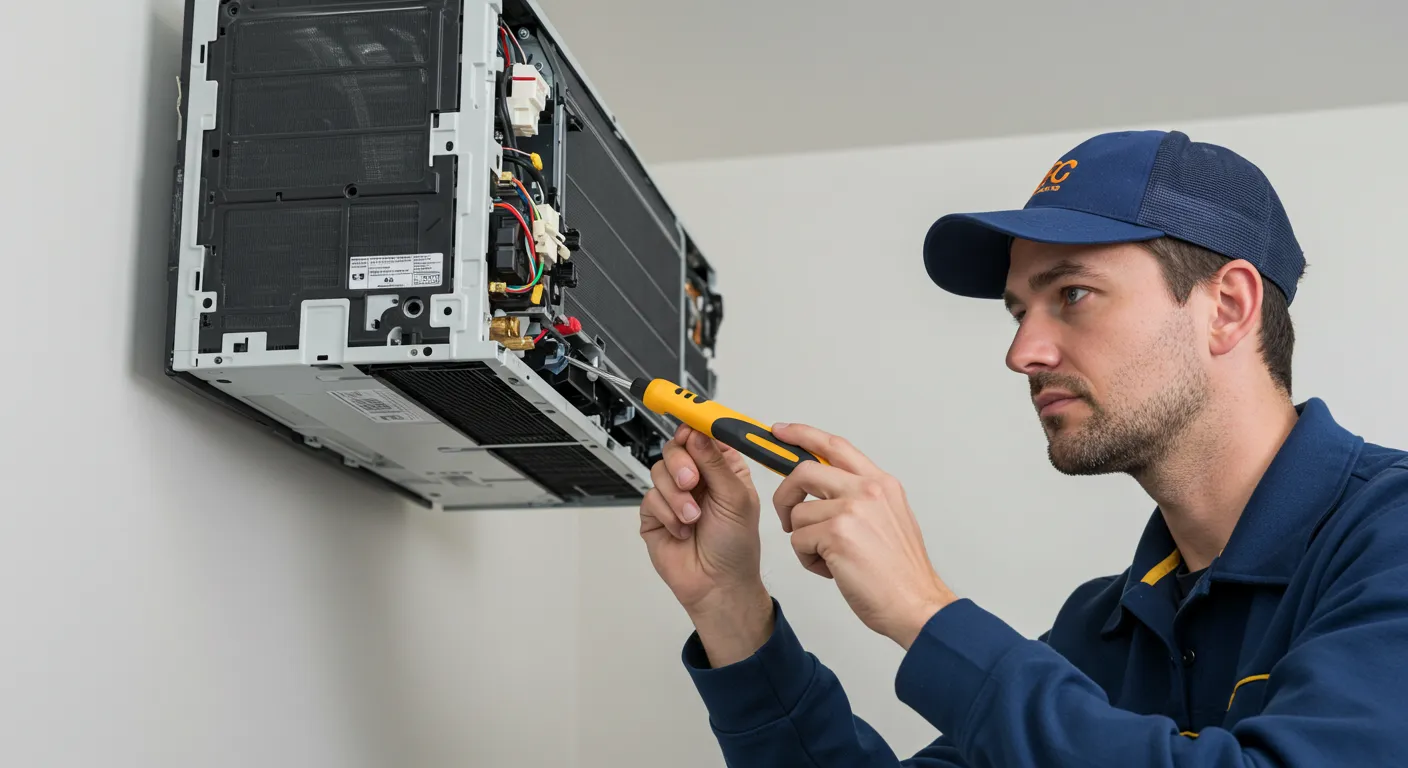
Air conditioning failures rarely happen at convenient times. They typically occur when the system is under the most stress, which often correlates with the hottest days of the year in Lower Ten Oaks. When a unit goes down, the priority is diagnosing the root cause accurately to prevent a recurring issue. A breakdown is not always a sign that the entire unit needs to be scrapped; often, it is a specific component failure that can be rectified quickly.
Homeowners frequently encounter systems that blow warm air, make grinding noises, or simply refuse to cycle on. These are symptoms of underlying mechanical or electrical faults. Ignoring these signs can lead to catastrophic compressor failure or extensive water damage from frozen coils. Professional intervention focuses on isolating the electrical circuit, testing the refrigerant pressure, and inspecting the mechanical movement of the fan and motor.
Speed is a critical factor in AC repair. Prolonged heat exposure can be dangerous for vulnerable family members and pets, and it can also damage hardwood flooring or drywall due to humidity fluctuations. The goal of emergency service is to restore a safe, consistent indoor temperature as efficiently as possible, minimizing the downtime of your cooling equipment.
Comprehensive AC Repair Services: What We Offer
Effective air conditioning service goes beyond simply swapping out a filter. It requires a deep understanding of thermodynamics, electrical systems, and airflow dynamics. When a technician arrives at your property, the objective is to perform a holistic check of the system to ensure efficiency is restored, not just functionality.
Our repair services cover the full spectrum of residential cooling issues:
- Refrigerant Leak Detection and Recharge: Low refrigerant levels decrease cooling capacity and strain the compressor. Technicians locate the leak, repair the line set, and recharge the system to manufacturer specifications.
- Electrical Component Replacement: Capacitors, contactors, and relays are common failure points. These are tested with multimeters and replaced to ensure the unit starts and runs consistently.
- Compressor Diagnostics: As the heart of the AC, the compressor works hardest. We analyze amp draws and pressure levels to determine if the compressor can be saved or if a major repair is necessary.
- Evaporator and Condenser Coil Cleaning: Dirty coils reduce heat transfer, causing the unit to run longer and cost more. Deep cleaning restores energy efficiency.
- Thermostat Calibration: Sometimes the issue is the control, not the unit. We ensure your thermostat is reading ambient temperatures correctly and communicating effectively with the air handler.
- Condensate Drain Clearing: Clogged drains can trigger safety switches that shut down the unit. Clearing these lines prevents water damage and system lockouts.
Your Guide to a Hassle-Free AC Installation
There comes a point where repair costs outweigh the value of the existing unit, or the system is simply too old to function efficiently. Installing a new air conditioning system is a major home improvement project that requires precise calculation and execution. An improperly installed unit will never achieve its SEER (Seasonal Energy Efficiency Ratio) rating and will likely fail prematurely.
The installation process is a structured workflow designed to integrate the new machinery seamlessly with your home’s existing ductwork and electrical infrastructure.
- Load Calculation: Before any equipment is selected, a technician performs a Manual J load calculation. This considers square footage, window direction, insulation levels, and local climate data to determine the exact cooling capacity required (measured in BTUs).
- System Selection: Based on the load calculation, you select a unit with the appropriate SEER rating. Higher SEER ratings indicate better energy efficiency, which translates to lower monthly utility bills.
- Site Preparation: The area around the outdoor condenser is cleared. Technicians lay down protective coverings indoors to ensure your home remains clean during the removal of the old evaporator coil and air handler components.
- Removal and Disposal: The old refrigerant is pumped down and reclaimed according to environmental regulations. The old unit is disconnected and removed from the property for proper recycling.
- Installation of New Equipment: The new condenser is leveled on a pad to minimize vibration. The indoor evaporator coil is fitted to the furnace or air handler.
- Line Set Connection: Copper refrigerant lines are brazed (soldered) together. This step requires a nitrogen purge to prevent oxidation inside the pipes, ensuring the refrigerant stays pure.
- Electrical and Control Wiring: High-voltage wiring is connected to the disconnect box, and low-voltage control wires are connected to the thermostat.
- Vacuum and Charge: A vacuum pump removes moisture and air from the lines. Once a deep vacuum is achieved, the factory-specified amount of refrigerant is released into the system.
- Final Testing and Air Balancing: Rep-Air Heating and Cooling technicians run the system, checking static pressure in the ducts and temperature differentials between supply and return air to verify optimal performance.
Deciding Between AC Repair or Replace: A Quick Guide
Making the decision to repair an aging unit or invest in a new system is a common dilemma for homeowners. It involves balancing immediate cash flow against long-term savings and reliability. While a repair is often cheaper upfront, a new system offers warranties and energy savings that accumulate over time.
Consider the following factors when making your decision:
- The Age of the Unit: Most air conditioners have a lifespan of 10 to 15 years. If your unit is over 10 years old and requires a major repair (like a compressor or blower motor), replacement is often the more prudent financial choice.
- The "5,000 Rule": Multiply the age of the equipment by the estimated repair cost. If the total exceeds $5,000, replacement is generally recommended. For example, a 12-year-old unit with a $500 repair ($6,000 total) should be replaced.
- Refrigerant Type: Older units utilize R-22 (Freon), which has been phased out and is prohibitively expensive to restock. If your R-22 system has a leak, upgrading to a modern system using R-410A or newer refrigerants is necessary.
- Frequency of Breakdowns: If you have called for repairs more than twice in the last two seasons, the unit is becoming a money pit. A new system provides reliability and eliminates the stress of unexpected failures.
- Energy Bills: If your summer cooling bills have been steadily increasing despite normal usage, your unit is losing efficiency. Modern systems can cut cooling costs by 20% to 50%.
Navigating Local HVAC Codes and Seasonal Tips
Operating an air conditioning system in Lower Ten Oaks involves understanding the specific regional requirements and climate patterns. Compliance with local building codes ensures safety and protects the resale value of your home, while understanding seasonality helps you get the most out of your equipment.
Permitting and Local Codes
In British Columbia, modifying HVAC systems often triggers specific code requirements. When replacing a unit, permits may be required, particularly if there are changes to the electrical supply or gas lines (in the case of combined heating systems).
- Electrical Upgrades: Modern AC units may have different amperage requirements than older models. Ensuring your panel and disconnect box meet current electrical codes is mandatory.
- Noise Bylaws: Municipalities often have bylaws regarding the decibel level of outdoor mechanical equipment. We ensure that condenser placement and unit selection comply with local noise ordinances to avoid neighbor complaints.
- Refrigerant Handling: Provincial regulations strictly govern the handling and disposal of ozone-depleting substances. Only certified technicians are legally permitted to handle refrigerant circuits.
Seasonal Operation Strategies
The climate in this region typically features warm, dry summers peaking in July and August. To maintain comfort without overworking your system, consider these operational tips:
- Pre-Season Maintenance: Schedule your tune-up in spring, before the heat sets in. This ensures the coils are clean and the capacitor is strong enough to handle the heavy workload of summer.
- Filter Management: During the peak cooling season, inspect filters monthly. The dry dust common in summer can clog filters quickly, restricting airflow and causing the evaporator coil to freeze.
- Thermostat Settings: utilizing programmable thermostats to raise the temperature slightly when you are away can significantly reduce wear on the system.
- Vents and Registers: Ensure all supply vents are open and unobstructed by furniture. Closing vents in unused rooms creates back-pressure in the ductwork, which can damage the blower motor and increase duct leakage.
Why Professional Expertise Matters for Your Cooling System
Attempting DIY repairs on air conditioning systems is rarely effective and can be dangerous due to the high voltage electricity and high-pressure refrigerant involved. Professional service ensures that the diagnosis is correct the first time, preventing wasted money on unnecessary parts.
Certified technicians bring a wealth of diagnostic tools and experience to the job. They can identify subtle issues, such as slight airflow restrictions or minor voltage irregularities, that a layperson would miss. These minor issues, if left unaddressed, eventually lead to major component failures.
Furthermore, manufacturer warranties almost exclusively require proof of professional installation and maintenance. By utilizing licensed services, you protect the warranty coverage on your equipment, ensuring that if a major part fails due to a manufacturing defect, you are covered.
We focus on transparency and technical excellence. When a technician evaluates your system, the goal is to provide you with clear, data-backed options. Whether it involves a simple capacitor swap or a complex line-set repair, the work is executed with precision and respect for your property.
Optimize Your Home Cooling Today
Don't let a malfunctioning air conditioner compromise your comfort or safety during the summer months. Whether you require urgent repairs to get your system back online or are looking to upgrade to a high-efficiency model, professional assistance is just a call away. Rep-Air Heating and Cooling is ready to provide the skilled service necessary to keep your home cool.
Take control of your indoor climate now—contact us to schedule your service or consultation.
hear what our satisfied clients have to say
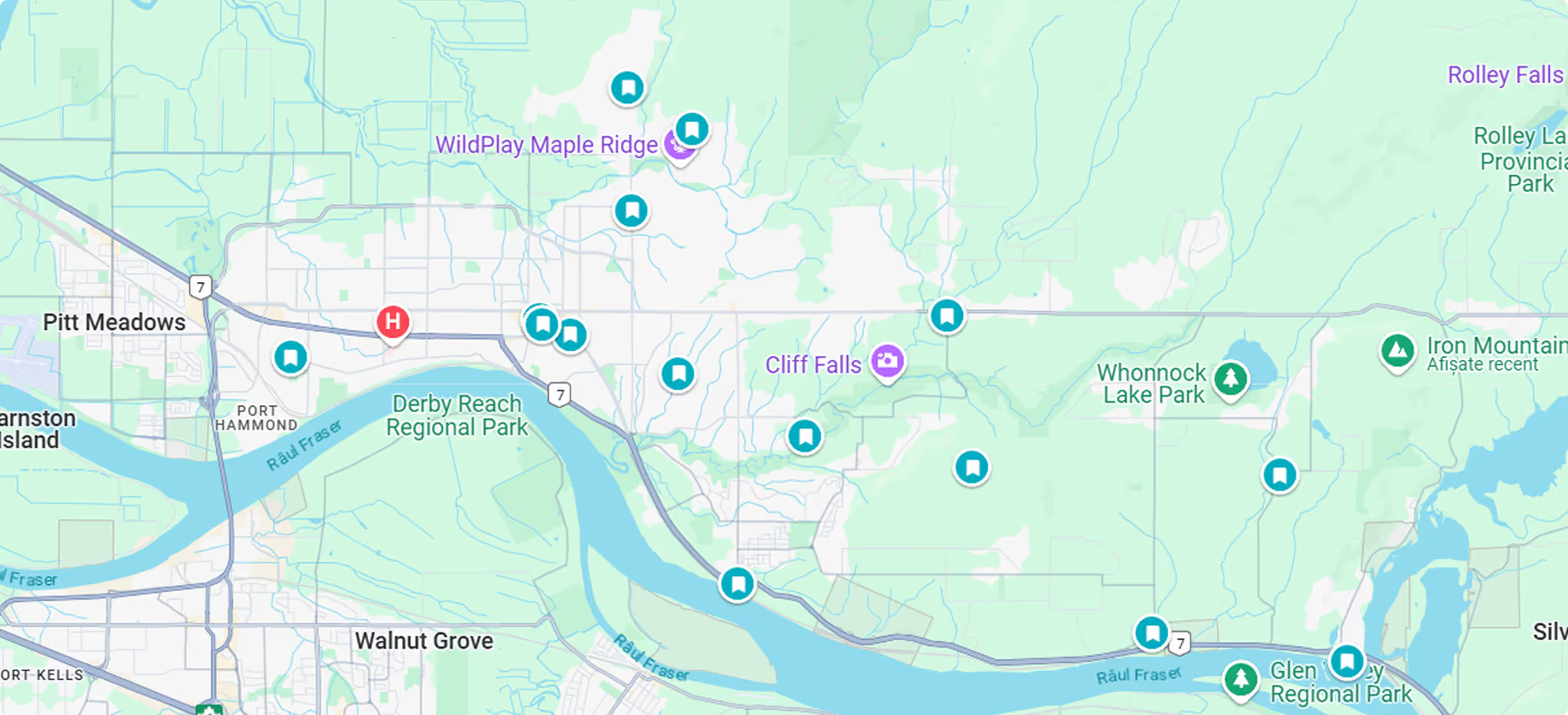
Neighbourhoods in the Fraser Valley