AC Repair in Langley, BC

AC Repair in Langley, BC
When your air conditioner fails in Langley, BC, it is more than an inconvenience. Hot, humid summer afternoons and periods of poor air quality during wildfire season make reliable cooling essential for comfort and health. Professional AC repair in Langley, BC focuses on diagnosing the root cause quickly, restoring safe operation, and advising on durable solutions that match your home and local weather patterns. Below is a clear, expert guide to common problems, diagnostic steps, typical repairs and parts, emergency options, pricing expectations, warranties, temporary cooling tips, and how to book service.
Why timely AC repair matters in Langley homes
- Langley summers bring higher humidity than interior regions, which increases strain on AC systems and makes clogged coils and condensate issues more likely.
- Older homes in the region often have legacy ductwork or undersized systems that cause uneven cooling, short cycling, and higher failure rates.
- Delaying repairs can lead to compressor damage, refrigerant leaks, increased energy bills, and reduced indoor air quality during smoke events.
Common AC breakdowns you’ll see in Langley
- No cooling or weak cooling: Often caused by low refrigerant, failing compressor, restricted airflow, or faulty thermostats.
- Unit not turning on: Electrical faults, tripped breakers, blown fuses, failed capacitors, or control board problems.
- Short cycling: System starts and stops frequently due to thermostat placement, refrigerant charge issues, or oversized unit.
- Frozen evaporator coil: Caused by low airflow from dirty filters or fan failure, or by low refrigerant.
- Strange noises: Grinding, rattling, or screeching can indicate failing fan motors, loose components, or bearing failure.
- Water leaks or overflowing drain pan: Clogged condensate drain lines, broken condensate pumps, or improperly sloped lines.
- Bad odors or poor air quality: Mold in the drain pan or ducts, dirty coils, or failing UV/filtration components.
Diagnostic steps a professional technician will use
Technicians follow a systematic process to find the real problem, not just the symptoms:
- System history and symptom check - Ask when the issue started and what behaviors were observed.
- Visual inspection - Check outdoor condenser, indoor air handler, filters, ductwork, wiring, and mounting.
- Thermostat and controls test - Verify setpoints, wiring, and communication to the system.
- Airflow measurement - Inspect blower motor, fan speeds, and duct restrictions; measure return and supply temperatures.
- Electrical testing - Check breakers, contactors, capacitors, motor draws, and control voltages.
- Refrigerant pressures - Use gauges to confirm correct charge and look for pressure imbalance that indicates leaks or compressor issues.
- Leak detection - Dye, electronic detectors, or UV methods to find refrigerant leaks.
- Water path check - Inspect condensate traps, drain lines, and pumps for blockage or failure.
- Load and performance evaluation - Compare system output to expected performance given todays conditions.
Typical repair procedures and parts that get replaced
- Filter and coil cleaning - Restores airflow and efficiency; often a starting point for many fixes.
- Refrigerant leak repair and recharge - Locate and repair leaks then recharge to manufacturer specs.
- Capacitor and contactor replacement - Common electrical wear parts that prevent startup or motor operation.
- Fan or blower motor replacement - Necessary when bearings fail or motors burn out.
- Compressor repair or replacement - Major repair when the compressor is seized or failing; often the most costly component.
- Condensate drain clearing or pump replacement - Stops water leaks and secondary damage.
- Thermostat or control board replacement - Fixes communication and control failures.
- Duct repairs and balancing - For airflow and comfort problems in older Langley houses.Repairs are done to meet safety and refrigerant handling regulations. Technicians will match replacement parts to your unit make and model for reliability.
Emergency and fast-response options
Urgent cooling failures during heat waves or for medically vulnerable occupants require prompt attention. Emergency options typically include:
- Same-day or after-hours diagnosis and priority repairs when parts are available
- Temporary measures to restore cooling or safe temperatures while awaiting parts
- Temporary filtration or isolation strategies if indoor air quality is impacted by smokeIf you require immediate service, be prepared to describe symptoms, house occupancy concerns, system make and age, and times you are available for a technician to access the unit.
Pricing and estimate process
Transparent pricing helps you make confident decisions:
- Most technicians provide a clear, itemized estimate after an on-site diagnostic. This may include a diagnostic fee that is often applied to the repair if you proceed.
- Estimates typically separate parts and labor and show alternatives when multiple repair paths exist (repair vs replace).
- Expect to receive information about expected lifespan of repaired components, energy impacts, and recommended next steps.
- For major failures, technicians often present a replacement cost comparison including efficiency differences and long-term operating costs.
Warranties and service guarantees
- Parts typically carry manufacturer warranties that vary by component and brand.
- Many professional repairs also include a workmanship warranty for a specified period after service. Ask what is covered and for how long.
- Licensed work and proper refrigerant handling ensure compliance with regulations and preserve manufacturer warranties.
Temporary cooling tips while you wait for service
- Close blinds and curtains during daytime to reduce solar heat gain.
- Run ceiling and portable fans to increase perceived comfort; fans use far less energy than an AC.
- Create cross-ventilation at cooler times of day by opening windows and doors to pull in cooler outside air.
- Use portable AC units or window units in commonly used rooms if available.
- Reduce internal heat sources: postpone oven use, turn off unnecessary lights, and delay laundry/dishwasher runs.
- Apply cold compresses or cool showers for immediate personal relief.
- Keep filters clean and remove debris from outdoor condenser area to maximize whatever cooling remains.
How to book AC repair service in Langley
To schedule professional AC repair in Langley, BC, have the following ready:
- System make, model, and approximate age
- A brief description of symptoms and when they started
- Home address, access instructions, and preferred availability
- Whether the issue is urgent or involves vulnerable occupantsUse the provider’s online service request form or book through their service page. When requesting service, ask for a written estimate after diagnosis, confirmation of warranties, and the technician identification and licensing credentials you can expect at the visit.
Professional AC repair in Langley, BC restores comfort, reduces energy waste, and protects your system from cascading damage. Accurate diagnosis, prompt action, and transparent estimates help you choose the right repair path for your home and ensure reliable cooling through the hottest parts of the season.
hear what our satisfied clients have to say
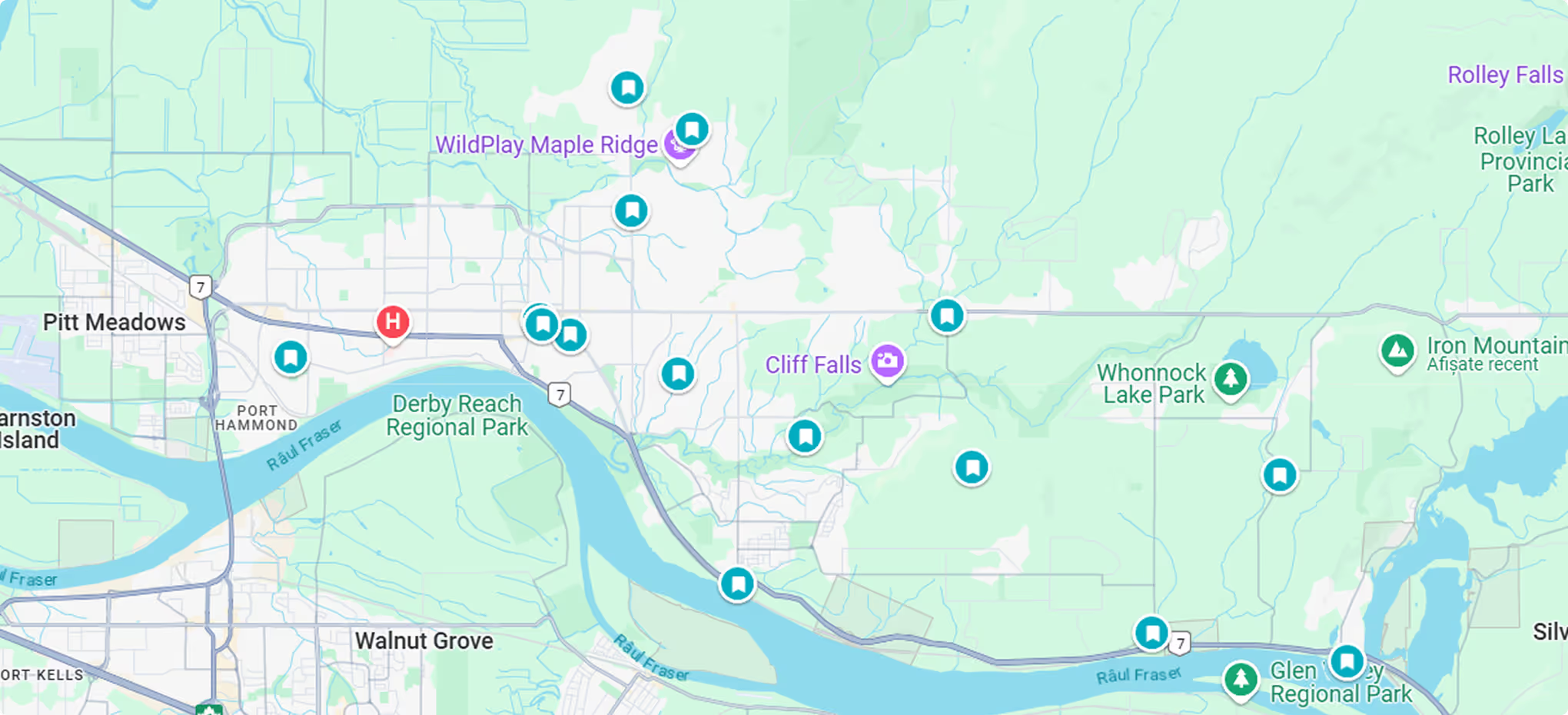
Neighbourhoods in the Fraser Valley